Reynand Holland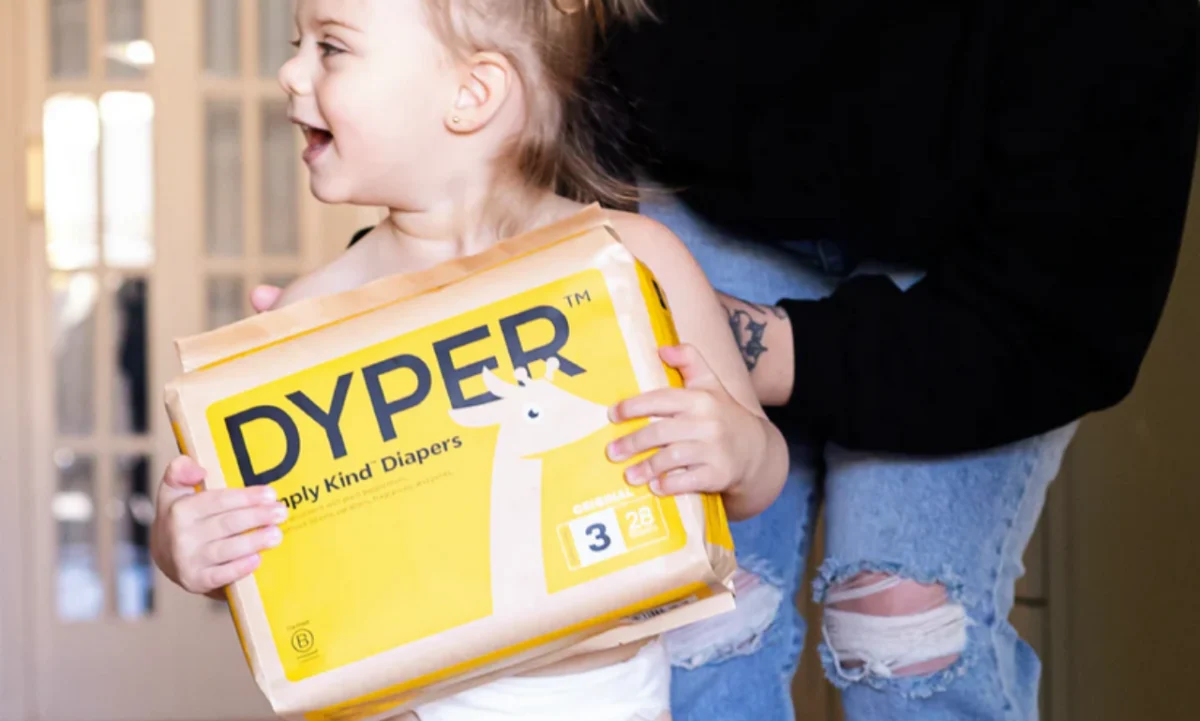
The sheer volume of waste generated by infants during their earliest years presents one of the most persistent and overlooked environmental challenges of modern parenting. Industry statistics indicate that an average child will utilize approximately 6,000 single-use diapers within the first twenty-four months of life. While cloth or reusable alternatives have long been promoted as the environmentally conscious choice, they frequently prove impractical for modern, time-constrained households balancing demanding careers and childcare responsibilities. Consequently, the vast majority of families rely heavily on conventional, disposable diapers.
However, the consequences of this reliance extend far beyond overflowing municipal waste bins. Traditional single-use diapers present significant health and safety concerns that have increasingly drawn the scrutiny of pediatricians, dermatologists, and environmental scientists alike. From the synthetic plastics used to construct the outer layers to the chemical fragrances engineered to mask odors, conventional diapers comprise a cocktail of materials that remain under-regulated by federal consumer safety agencies.
The Regulatory Landscape and Health Implications
Under current guidelines established by regulatory bodies such as the Consumer Product Safety Commission, single-use baby diapers are subjected to minimal mandatory scrutiny. Aside from basic testing for lead content, manufacturers are not legally required to screen diapers for a broad spectrum of potentially hazardous chemicals, including known carcinogens, phthalates, and endocrine-disrupting compounds.
Medical literature increasingly links these hidden chemical components to acute skin irritation, contact dermatitis, and systemic health concerns. Studies published in pediatric and dermatological journals suggest potential correlations between early, prolonged exposure to certain chemical plasticizers and endocrine or reproductive disorders later in life, alongside heightened risks of testicular complications. For health-conscious parents attempting to navigate the modern marketplace, the lack of mandatory ingredient disclosure creates a formidable barrier to informed decision-making.
Origins of a Sustainable Alternative
The catalyst for a major shift in this industry emerged from a common domestic frustration. When Tony Patron, an engineer by training, observed his weekly household waste bins repeatedly overflowing with bulky, non-biodegradable diaper packaging, he recognized a systemic design failure. Paired with mounting concerns over the chemical composition of traditional baby products, Patron began conceptualizing a viable alternative that would not require parents to sacrifice convenience for the sake of safety or environmental stewardship.

Initial developments involved exploring partnerships with emerging manufacturers dedicated to eco-friendly hygiene products. These early efforts ultimately culminated in the formation of Dyper, a brand engineered specifically to disrupt the single-use market through rigorous material science, uncompromising product performance, and radical supply chain transparency.
Material Science and Engineering Standards
Developing a single-use diaper that matches the structural integrity, fluid retention, and comfort of legacy market leaders requires advanced material engineering. The product development team at Dyper focused heavily on replacing petroleum-derived plastics with responsibly sourced, plant-based alternatives.
Today, the core structural components of these modern sustainable diapers rely heavily on Forest Stewardship Council (FSC)-certified bamboo and eucalyptus fibers. The viscose bamboo utilized in production is sourced from Oeko-Tex certified suppliers, guaranteeing that the raw inputs meet stringent human-ecological safety requirements. To maintain absolute transparency, the brand labels each functional layer with its exact component breakdown, allowing consumers to verify the origin and safety of every material touching their infant’s skin.
Independent certifications validate these manufacturing claims. Dyper products consistently achieve USDA BioPreferred certifications—attaining a 55% bio-based rating for the diapers themselves and a 95% rating for associated wipe products. Furthermore, the company’s manufacturing processes comply with Oeko-Tex environmental and safety standards, while recent acquisitions of the DermaTest 5-Star Certification confirm that the finished products pose negligible risks for allergic reactions or acute skin irritation.
Bridging Performance and Environmental Responsibility
A persistent historical critique of eco-friendly consumer goods is a perceived deficit in performance compared to traditional counterparts. To counter this, sustainable manufacturers have prioritized leakage prevention, breathability, and tactile softness. By substituting harsh chemical additives, synthetic latex, and artificial parabens with hypoallergenic, plant-derived fibers, companies like Dyper have demonstrated that environmental responsibility does not necessitate compromised utility.
The guiding philosophy of "plants over plastic" extends beyond the primary product to encompass secondary and tertiary packaging. Sustainable distribution models dictate that shipping boxes, protective sleeves, and marketing collateral utilize recycled or biodegradable components wherever technologically feasible. While certain structural elements—such as mechanical fasteners and high-stress elastic bands—currently lack commercially viable biodegradable substitutes, research and development pipelines continue to target these remaining pain points.
The Evolution of Municipal Waste Diversion and Composting Programs
Addressing the lifecycle of a single-use product requires rethinking end-of-waste logistics. Disposing of a biodegradable diaper in a standard municipal landfill undermines its environmental utility, as modern landfills are engineered to suppress oxygen and moisture, thereby halting natural decomposition processes.
To resolve this bottleneck, forward-thinking brands have introduced specialized recovery initiatives, such as the REDYPER program. Operating in select metropolitan regions, this service provides scheduled weekly or biweekly pickup of used bamboo diapers and wipes from consumer doorsteps.
Once collected, the organic materials are routed to regional industrial composting facilities capable of processing soiled hygiene products. Under controlled, high-temperature industrial composting conditions, the plant-based fibers break down entirely within a standard 14- to 16-week window. Contaminants such as non-compostable closures are mechanically separated and diverted prior to the final curing of the compost. Industry metrics indicate that such diversion programs have successfully rerouted more than 14 million pounds of waste away from municipal landfills since their inception.
Market Implications and the Future of Sustainable Parenting
The expansion of plant-based, compostable hygiene products reflects a broader cultural and economic shift within the fast-moving consumer goods sector. As millennial and Generation Z parents demand greater accountability, transparency, and ecological safety from the brands they patronize, legacy manufacturers face mounting pressure to modernize their supply chains.
The convergence of stringent third-party testing, advanced material science, and scalable industrial composting infrastructure suggests a viable pathway toward mitigating the environmental toll of early childhood care. While widespread systemic adoption remains dependent on municipal infrastructure development and expanded composting access, the market validation of non-toxic, plant-based diapers signals a permanent evolution in consumer expectations. By harmonizing rigorous performance standards with uncompromising ecological ethics, the industry is gradually redefining what families should expect from the products they rely on every single day.