Indra Kusuma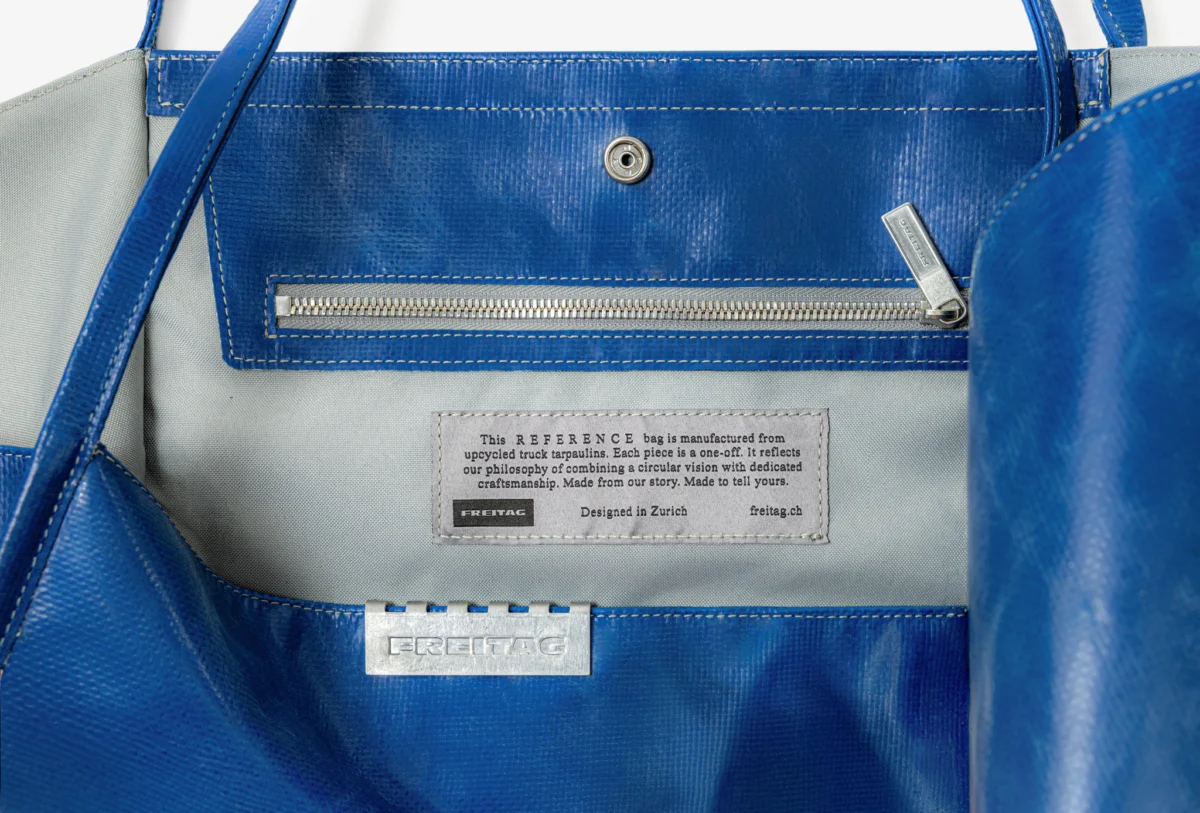
The global luxury fashion market has long been defined by the pursuit of the pristine. From the meticulous selection of calfskin leathers to the demand for flawless finishes, the industry has historically prioritized uniformity and scarcity. However, on October 8, Zurich-based manufacturer Freitag challenged these established conventions with the launch of its Reference collection. By utilizing reclaimed heavy-duty truck tarpaulins—materials originally engineered for the rough conditions of transcontinental shipping—Freitag has positioned itself at the intersection of high-end design and aggressive sustainability, proving that the future of luxury may lie in the preservation of history rather than the creation of new raw materials.

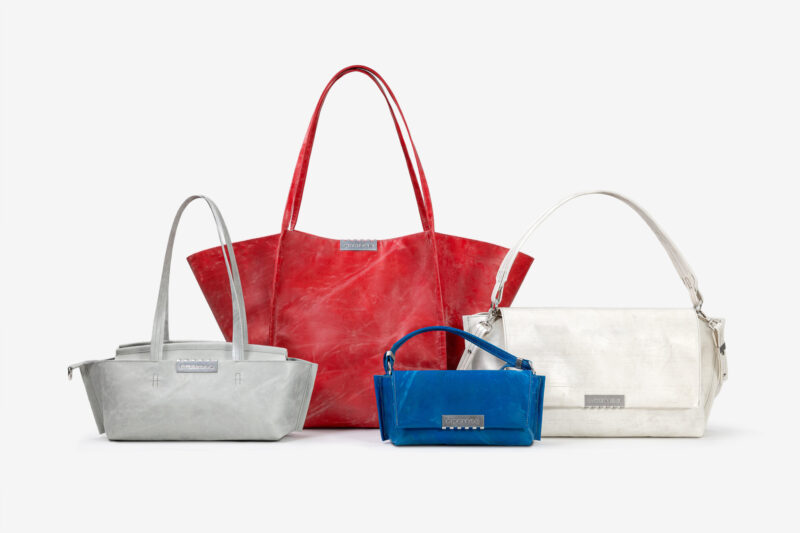
The Reference collection, which debuted with four distinct bag silhouettes, marks a strategic pivot for the brand. Designer Anne Bachmann, who spearheaded the development of the line, has steered the collection toward an elevated, minimalist aesthetic that deliberately eschews the ornamentation typically associated with luxury goods. Instead, the "luxury" in the Reference collection is derived from the unique, chaotic, and weather-beaten history of the industrial fabrics themselves.
The Chronology of a Circular Concept
The development of the Reference collection was not an overnight endeavor. It represents a multi-year effort to refine the brand’s manufacturing processes to accommodate more refined, architectural silhouettes. Freitag, founded in 1993 by brothers Markus and Daniel Freitag, established its reputation by turning discarded truck tarps, seatbelts, and bicycle inner tubes into durable messenger bags.
The timeline of the Reference collection’s emergence can be traced back to the brand’s desire to bridge the gap between their utilitarian roots and the expectations of the contemporary fashion market.
- Early 2024: Initial conceptualization of the "Reference" line began, focusing on the potential for more structural, trapezoidal designs that could maintain their shape without relying on traditional leather-working techniques.
- Mid-2024: Sourcing teams in Zurich began the intensive process of hand-selecting tarps from across Europe. Unlike mass-market production, this phase required the visual assessment of thousands of square meters of material to ensure a consistent "patina" that met the brand’s aesthetic criteria.
- October 8, 2026: The global official launch of the four models: R201 Elly, R202 Bates, R203 Mazie, and R204 Nan.
Technical Innovation and Material Science
The technical difficulty of working with recycled truck tarpaulins cannot be overstated. Unlike uniform textiles or leathers, every batch of tarp possesses a different thickness, tensile strength, and color saturation.

The Reference collection’s signature trapezoidal silhouettes were specifically chosen to highlight the material’s structural integrity. By employing a minimalist approach, the design team ensures that the focus remains on the "patina"—the marks of wear, including scuffs from tree branches, fading from ultraviolet light exposure, and the distinct imprints left by highway transport.
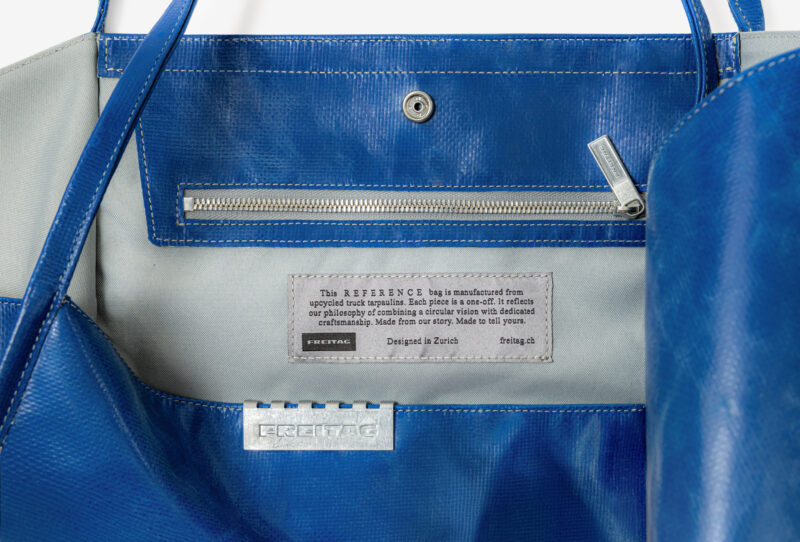
A significant addition to the design is the custom-engineered magnetic clasp, which represents a shift toward more sophisticated hardware. During the design phase, Bachmann drew inspiration from industrial environments, specifically noting the functionality of heavy-duty shelving hooks. By repurposing this utilitarian logic for a consumer handbag, the brand achieves a form-follows-function harmony that is rarely found in the luxury sector.

Economic and Environmental Data
The move into a "luxury" tier of upcycled goods is backed by a growing consumer shift toward circularity. According to recent market analysis from the Ellen MacArthur Foundation and various fashion industry reports, the resale and upcycled apparel market is expected to reach a valuation of over $200 billion by 2030. Freitag’s business model aligns directly with this trajectory.
Data from the company’s internal sourcing reports indicates that the brand diverts hundreds of tons of PVC-based materials from landfills annually. By extending the lifecycle of these materials, the Reference collection contributes to a significant reduction in the carbon footprint compared to the production of virgin high-end materials. For every bag produced, the environmental cost is effectively amortized over the decades the tarp spent on the road before its second life as a fashion accessory.

The Philosophy of Emotional Durability
Beyond the material science, the Reference collection addresses the psychological aspect of consumption. Bachmann emphasizes the concept of "emotional attachment," noting that the most effective way to combat the disposable nature of modern fast fashion is to create products that the consumer feels a proprietary connection to.
"Every piece has a history," Bachmann notes. "When a consumer purchases a bag, they are not just buying a product; they are inheriting a piece of European logistical history."
This philosophy is reinforced by the inclusion of a proprietary repair kit with every purchase. In an industry where repairability is often intentionally discouraged to drive replacement sales, Freitag provides the tools for the user to maintain their own product. This inclusion of a kit—containing material and instructions—is a radical act of transparency that cements the brand’s commitment to longevity.
Broader Industry Implications
The launch of the Reference collection serves as a case study for luxury brands attempting to navigate the transition to sustainable operations. For decades, the luxury sector has relied on the narrative of "purity" and "exclusivity" through virgin resources. Freitag’s model suggests that true exclusivity is found in the "one-of-a-kind" nature of recycled goods. Because no two tarps are identical, no two bags in the Reference collection are the same. This inherent lack of uniformity, once considered a defect in luxury manufacturing, is now being rebranded as a feature of high-end individuality.

Market analysts suggest that if the Reference collection performs well, it may pressure larger luxury houses to reconsider their own supply chains. The success of Freitag’s model proves that consumers are increasingly willing to pay a premium for products that tell a story of longevity rather than luxury defined by depletion.
Looking Ahead
As the fashion industry faces mounting pressure from regulatory bodies, particularly within the European Union, regarding textile waste and "greenwashing," the Reference collection provides a template for compliance and innovation. By integrating high-end design principles with the realities of industrial waste, Freitag is not merely selling a bag; they are selling a manifesto for the next iteration of the luxury goods market.

The collection’s reliance on "opportunistic wandering"—the design process of remaining open to inspiration from the urban environment—suggests that the brand intends to continue its trajectory of experimental, yet highly functional, product development. As these bags enter the market, the true measure of their success will be how well they withstand the daily usage of their owners, effectively becoming a permanent part of the circular economy.
In conclusion, the Reference collection is more than a seasonal release. It is a calculated, well-researched, and aesthetically refined response to the environmental crises facing the fashion industry. By elevating the discarded, Freitag has successfully moved the goalposts for what constitutes "luxury," proving that the most sustainable product is one that is built to endure, evolve, and be remembered.