 Ali Ikhwan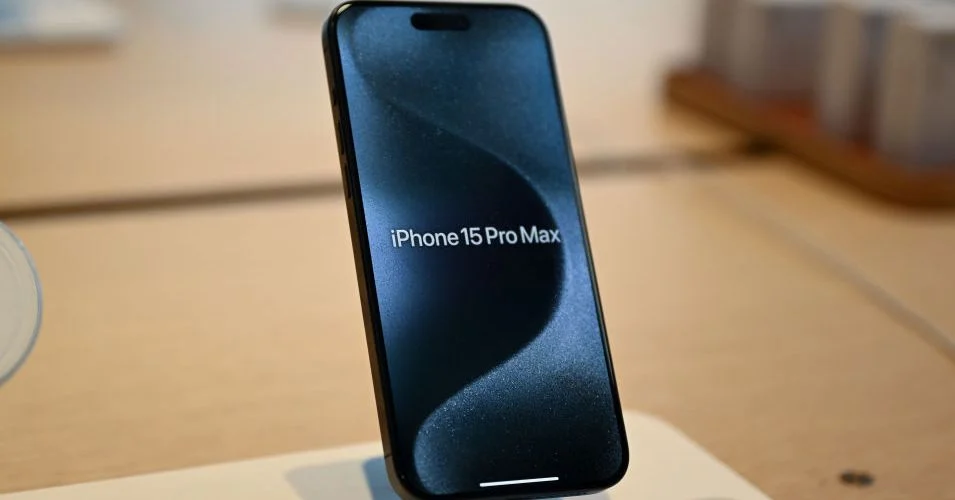
In a significant legal development for the technology sector, Apple Inc. has reached a $250 million settlement to resolve a class-action lawsuit centered on allegations that the company misled consumers regarding the capabilities and availability of its artificial intelligence features. The litigation specifically targeted the marketing surrounding the "Apple Intelligence" suite, with a primary focus on the long-delayed and highly anticipated overhaul of the Siri voice assistant. Despite the subsequent rollout of these features in the iOS 27 update, the settlement provides a mechanism for eligible iPhone 15 and 16 owners to recoup a portion of their purchase costs, highlighting the increasing scrutiny tech giants face regarding the marketing of emerging AI technologies.
Chronology of the Dispute and Settlement
The controversy began shortly after the launch of the iPhone 15 series, during a period when Apple aggressively marketed its transition into generative AI. Consumers alleged that Apple’s promotional materials suggested that advanced, on-device AI capabilities—branded as Apple Intelligence—would be available immediately or shortly after purchase. As the release of these features faced repeated delays, frustrated users initiated legal action, claiming that the hardware was sold under false pretenses.
By May, the litigation had matured into a class-action status. Apple, while maintaining its innocence and denying any technical or legal wrongdoing, opted to settle the case to avoid a protracted and costly trial that could have potentially damaged its brand reputation during a critical product cycle. The settlement agreement, finalized in late spring, established a fund of $250 million to compensate affected US consumers. The court-approved timeline dictates that the settlement applies to individuals who purchased specific iPhone 15 or iPhone 16 models between June 10, 2024, and March 29, 2025.
Eligibility and Claim Processing
For those who purchased eligible devices within the specified window, the settlement offers a potential payout of up to $95 per device. The process for claiming these funds has been streamlined through a dedicated portal at smartphoneaisettlement.com. To initiate a claim, users are required to locate the "File A Claim" button on the site’s interface.
The submission process does not strictly require a pre-issued Claim ID or PIN, allowing users to verify their eligibility using their device’s unique hardware identifiers. Specifically, claimants must provide either their iPhone’s serial number or their Apple Account ID. For users unfamiliar with retrieving their device information, Apple’s standard protocol involves navigating to the Settings application, selecting the General tab, and tapping the About section, where the serial number is displayed as an alphanumeric string.
The claim deadline is firmly set for December 21, providing a finite window for the eligible class to register. Compensation can be issued through various digital payment platforms, including PayPal and Venmo, or via electronic bank transfer and traditional paper checks. Notably, the settlement allows for multiple claims if an individual owns more than one eligible device, though each device requires a separate submission.
The Role of Marketing in the AI Era
The core of the legal complaint rested on the definition of "product readiness." Plaintiffs argued that Apple utilized the promise of a "reimagined Siri" as a primary driver for hardware upgrades. The legal filing noted that many consumers felt the devices they received were essentially incomplete at the time of purchase, as the generative AI features—which were central to the advertising campaign—were absent.
Apple’s official stance, articulated in a statement issued at the time of the settlement, characterized the resolution as a strategic business decision. "We resolved this matter to stay focused on doing what we do best, delivering the most innovative products and services to our users," the company stated. By settling without an admission of fault, Apple effectively closed the chapter on the litigation, allowing the company to pivot its focus toward the successful deployment of iOS 27 and the integration of these AI features in subsequent software versions.
Market Implications and Industry Precedent
The Apple settlement serves as a bellwether for the tech industry, which is currently undergoing a massive shift toward generative AI integration. As companies race to embed large language models into consumer hardware, the line between "future features" and "current capabilities" has become increasingly blurred in marketing materials.
Legal experts suggest that this case establishes a significant precedent. It signals to manufacturers that aggressive marketing of unreleased software capabilities—even if those features are expected to arrive via firmware updates—carries substantial legal risk. Regulatory bodies and consumer protection agencies are likely to observe this settlement as a baseline for how future AI-related product launches should be communicated to the public.
Furthermore, the scale of the $250 million payout reflects the high stakes involved in hardware-software parity. With the smartphone market experiencing longer replacement cycles, consumers are more sensitive to the long-term utility of their devices. When a company markets a premium device on the back of software capabilities that are not yet functional, the potential for consumer dissatisfaction rises significantly, as evidenced by the rapid mobilization of the class-action suit in this instance.
The Technical Context of iOS 27
The eventual arrival of the Siri overhaul via iOS 27 represented a massive engineering effort by Apple. The updated assistant utilizes on-device machine learning to provide more context-aware interactions, improved language understanding, and deeper integration with third-party applications. While these features are now functional for owners of newer iPhones, the delay between the initial marketing push and the final release created the "value gap" that necessitated the current settlement.
The delay was largely attributed to the immense computational requirements of running generative models locally on mobile hardware. Maintaining the privacy standards associated with Apple’s "Private Cloud Compute" while ensuring low-latency responses proved to be a complex technical hurdle. While the features are now considered stable and available, the legal settlement remains a reminder that for a significant segment of Apple’s customer base, the wait for these features resulted in a tangible financial loss that the courts have now acknowledged.
Consumer Protection and Future Outlook
As the industry continues to integrate AI, the necessity for transparency in advertising will remain paramount. Consumers are increasingly sophisticated and aware of the software roadmaps behind their hardware purchases. Moving forward, it is anticipated that major technology companies may adopt more conservative marketing language, explicitly distinguishing between "available" and "forthcoming" features to avoid similar litigation.
For the individual consumer, the lesson from this case is the importance of verifying product specifications at the time of purchase. While Apple has since fulfilled its promises through subsequent software updates, the settlement provides a mechanism for those who were effectively beta-testing unfinished products to receive financial recognition for their patience.
As of the current date, the settlement portal remains open, and the distribution of funds is expected to commence following the verification of all submitted claims after the December deadline. This event marks a turning point in the relationship between Silicon Valley’s marketing departments and the global consumer base, emphasizing that the delivery of advertised promises is not merely a technical goal, but a legal and fiduciary obligation. For those affected, the opportunity to claim a portion of the settlement serves as both a restitution for the delay and a recognition of the consumer’s role in driving the evolution of the smartphone market.