 Cintya Tara Annisa
The specialty coffee landscape has evolved into a highly nuanced sector characterized by meticulous processing methods, direct trade relationships, and a heightened focus on terroir. As consumers increasingly prioritize origin transparency and sustainable sourcing, the market for high-scoring, ethically produced beans has expanded significantly. This report details a selection of current coffee offerings from a network of international roasting partners, reflecting broader trends in anaerobic fermentation, rare varietal cultivation, and the prioritization of women-led agricultural initiatives.
The Evolution of Processing and Varietal Innovation
The contemporary specialty coffee market is currently defined by a departure from traditional "washed" processing in favor of experimental techniques. Recent data from the Specialty Coffee Association (SCA) indicates that consumer interest in "anaerobic" and "honey" processed coffees has risen by approximately 18% year-over-year. These methods, which involve controlling the fermentation environment to influence flavor compounds, are no longer niche experiments but rather standard offerings for high-end roasters.

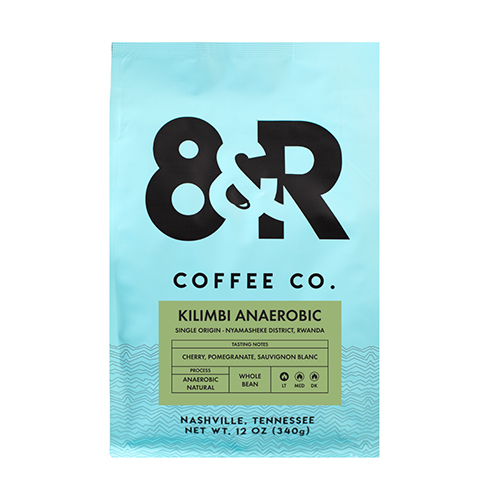
For instance, the Kilimbi Anaerobic coffee offered by 8th & Roast Coffee Co. highlights the precision required in modern processing. By utilizing controlled fermentation stages and meticulous drying on raised beds, the Kilimbi Washing Station in Rwanda produces a cup profile often compared to fine wine—a testament to the impact of post-harvest handling on the final sensory experience. Similarly, the Java Garut from Mr. Espresso demonstrates a significant shift in Indonesian coffee production. Traditionally known for deep, earthy profiles, this natural-processed lot from West Java offers a vibrant acidity with notes of passion fruit and kiwi, challenging regional stereotypes through technical innovation.
Chronology of Global Sourcing and Seasonal Cycles
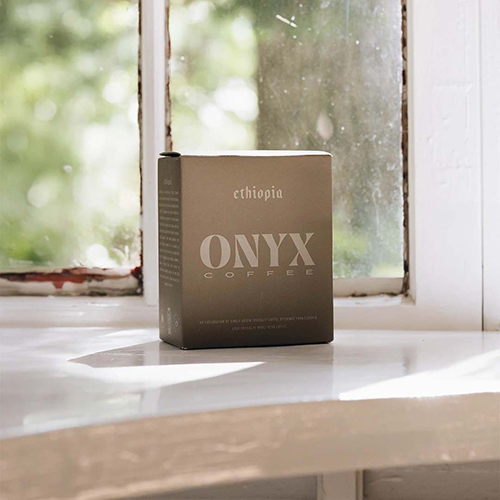
Coffee is a seasonal agricultural product, and the current market reflects the harvest cycles of key producing regions. The arrival of fresh crops from East Africa, specifically Ethiopia and Kenya, remains a pivotal moment in the roaster’s calendar. Ethiopia’s Agaro region, known for its early harvest, provides the industry with some of the first fresh-washed lots of the year. Onyx Coffee Lab’s Ethiopia Agaro Yukro G1 serves as a cornerstone of their 2026 summer program, underscoring the importance of long-term logistical planning in maintaining a consistent supply of high-grade Arabica.
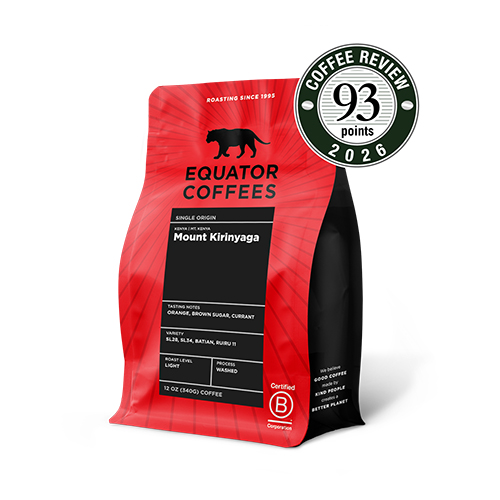
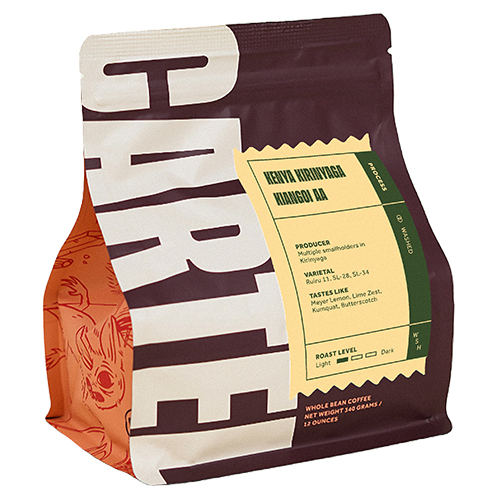
Simultaneously, Kenya continues to dominate the specialty market with its distinct "AA" grading system. Offerings such as Equator Coffees’ Kenya Mount Kirinyaga, which recently secured a 93-point assessment from Coffee Review, and the Kenya Kiangoi AA from Cartel Roasting Co., illustrate the impact of high-altitude, volcanic soil environments. The reliance on glacier-fed rivers for processing in the Kirinyaga County region provides a vital, albeit climate-sensitive, infrastructure that supports the intense acidity and complex fruit notes synonymous with Kenyan coffee.
Socio-Economic Impact and Gender Equity in Production
A critical pillar of the current specialty coffee industry is the focus on social equity and the empowerment of women producers. Initiatives such as Joe Coffee Company’s Café Feminista are not merely marketing exercises but represent a structural approach to addressing the systemic barriers faced by women in coffee-producing nations. By prioritizing these partnerships, roasters are able to provide a platform for women leaders, which in turn fosters a more equitable distribution of the premium price paid for specialty beans.
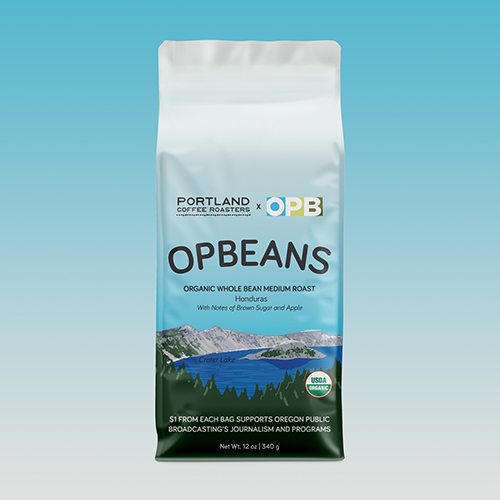
Portland Coffee Roasters’ collaboration with Oregon Public Broadcasting for the "OPBEANS" project further highlights the intersection of media, social awareness, and agriculture. This 100% women-produced, washed organic coffee from Honduras aligns with a broader industry trend of "impact sourcing," where the goal is to create long-term stability for farmers by reducing the volatile influence of commodity market fluctuations.
Technical Analysis of Market Trends
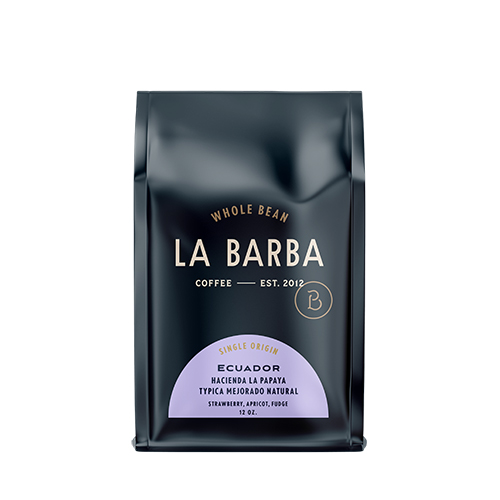
The market is currently seeing a "barbell" effect regarding flavor profiles. On one end, there is a surge in demand for high-complexity, fruit-forward coffees—exemplified by La Barba’s Ecuador Hacienda La Papaya Typica Natural, which emphasizes strawberry and apricot notes. On the other end, there is a sustained demand for "comfort" coffees—blends designed for consistency, versatility, and broad appeal.
Phil & Sebastian’s "Sure Thing" and Olympia Coffee’s "Big Truck" are indicative of this segment. These blends utilize high-quality components from regions like Honduras and Colombia to deliver a balanced, reliable cup that performs well across various brew methods, from drip machines to espresso. The popularity of these blends suggests that while consumers are eager to explore exotic, single-origin micro-lots, there remains a fundamental requirement for approachable, daily-driver coffees that do not sacrifice quality for ease of use.
The Role of Certification and Evaluation
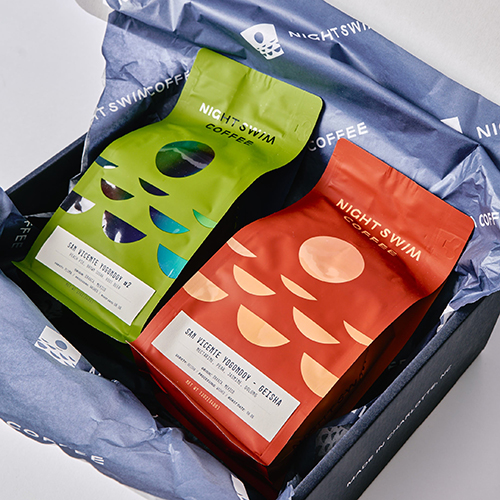
External validation through third-party scoring, such as the blind assessments conducted by Coffee Review, plays a significant role in market positioning. When a coffee receives a score of 90 or above, it often signals a "boutique" status that justifies higher retail pricing and increased consumer interest. However, roasters are increasingly moving toward a model where the story of the producer—such as the San Vicente Yogondoy community in Oaxaca, featured in the Night Swim Oaxacan Box Set—is as vital to the consumer as the numerical score.
This narrative-driven approach allows for the differentiation of varietals like the Pluma and Geisha. By comparing these two varietals side-by-side, consumers are educated on the genetic diversity of coffee, moving the conversation from simple taste preferences to a deeper appreciation of botanical variety and agricultural heritage.
Projections for Future Supply Chains
As climate change continues to alter the viability of traditional coffee-growing regions, the industry is witnessing a shift toward high-elevation sites and the exploration of hybrid varieties. The "Long Play Decaf" from Verve Coffee Roasters, utilizing the natural Sugar Cane process, indicates that even in the decaffeinated market, there is an insistence on quality. By sourcing high-elevation coffees from Huila and Cauca, Colombia, and applying a natural decaffeination process, roasters are successfully elevating a category that was historically associated with low-quality, "leftover" beans.
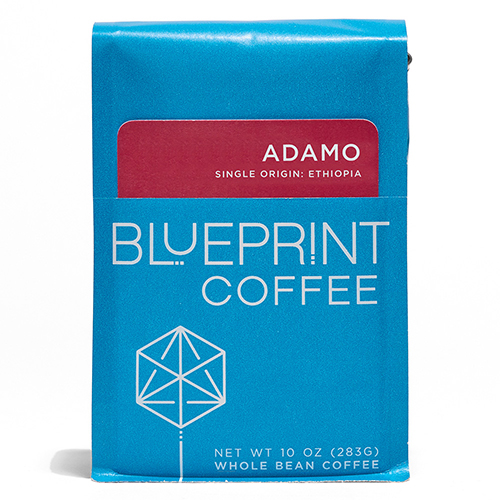
The ongoing success of these roasting operations is contingent upon their ability to maintain these complex supply chains. The logistical coordination required to move coffee from remote regions in the Guji zone of Ethiopia, as seen with Blueprint Coffee’s Adamo offering, requires significant investment in infrastructure and direct communication with station managers.
Conclusion: A Maturing Industry
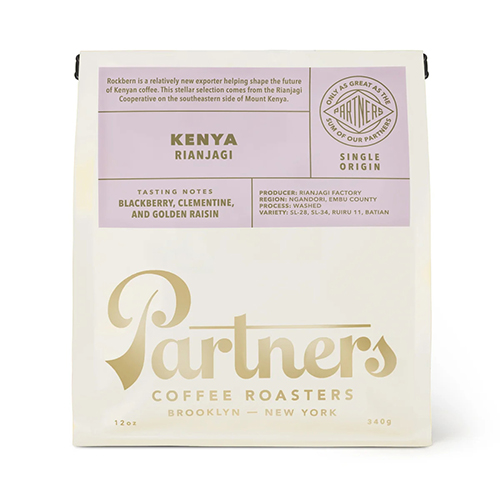
The current offerings from these roasters demonstrate a sophisticated industry that balances technical rigor with ethical responsibility. The integration of high-scoring, experimental, and social-impact coffees provides a holistic view of the specialty sector. As we move into the latter half of the 2026 cycle, the emphasis on transparency—from the specific washing station in Rwanda to the cooperative in Embu County—will likely continue to be the primary driver of consumer loyalty.

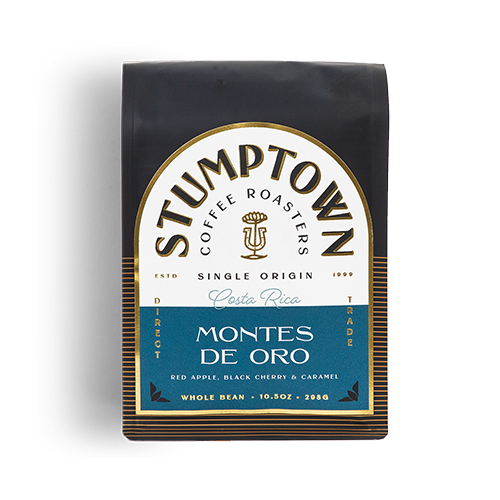
For the average consumer, this translates to a period of unprecedented access to quality. Whether through the syrupy, chocolate-forward notes of Stumptown’s Costa Rica Montes De Oro or the innovative plum-centric profile of PERC’s Super Power Plum, the current landscape offers a diversity of flavor that reflects the tireless efforts of producers, exporters, and roasters globally. The specialty coffee market is no longer just about the caffeine; it is about the intersection of agricultural science, global trade, and the preservation of cultural practices that make each cup unique. As the industry moves forward, the focus will remain on sustaining these connections and ensuring that the demand for excellence continues to benefit those at the very beginning of the supply chain.