 Muhammad Hendra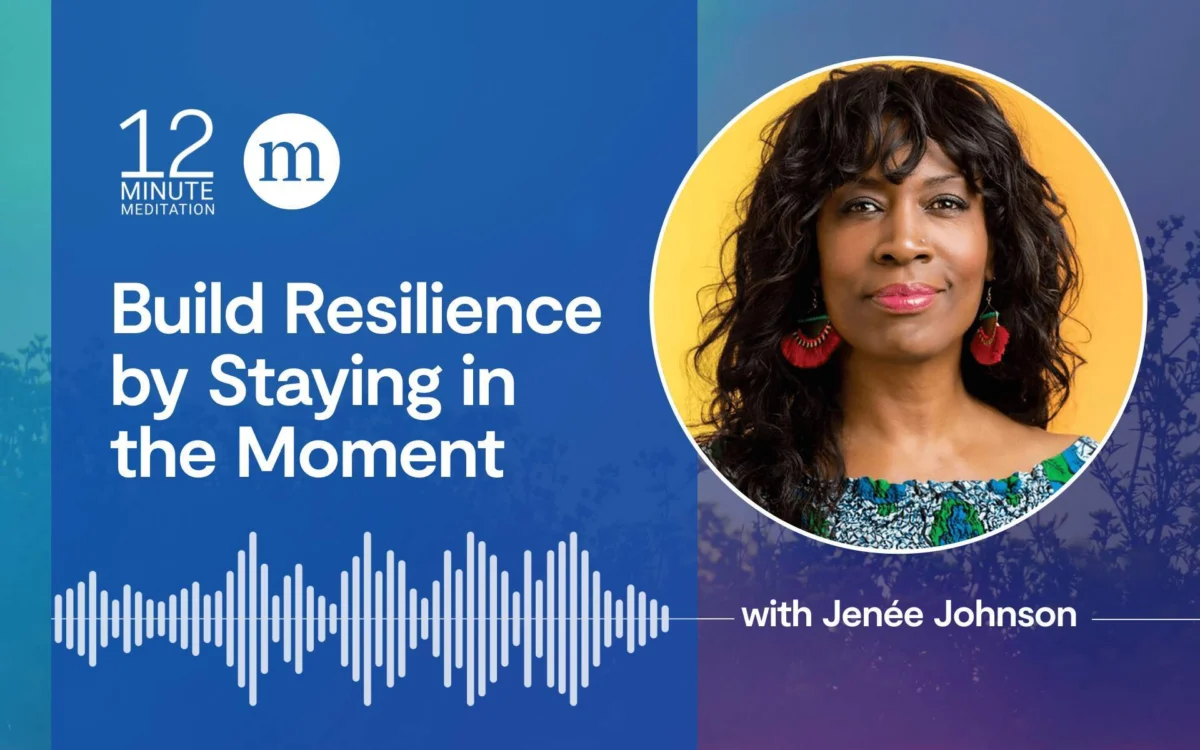
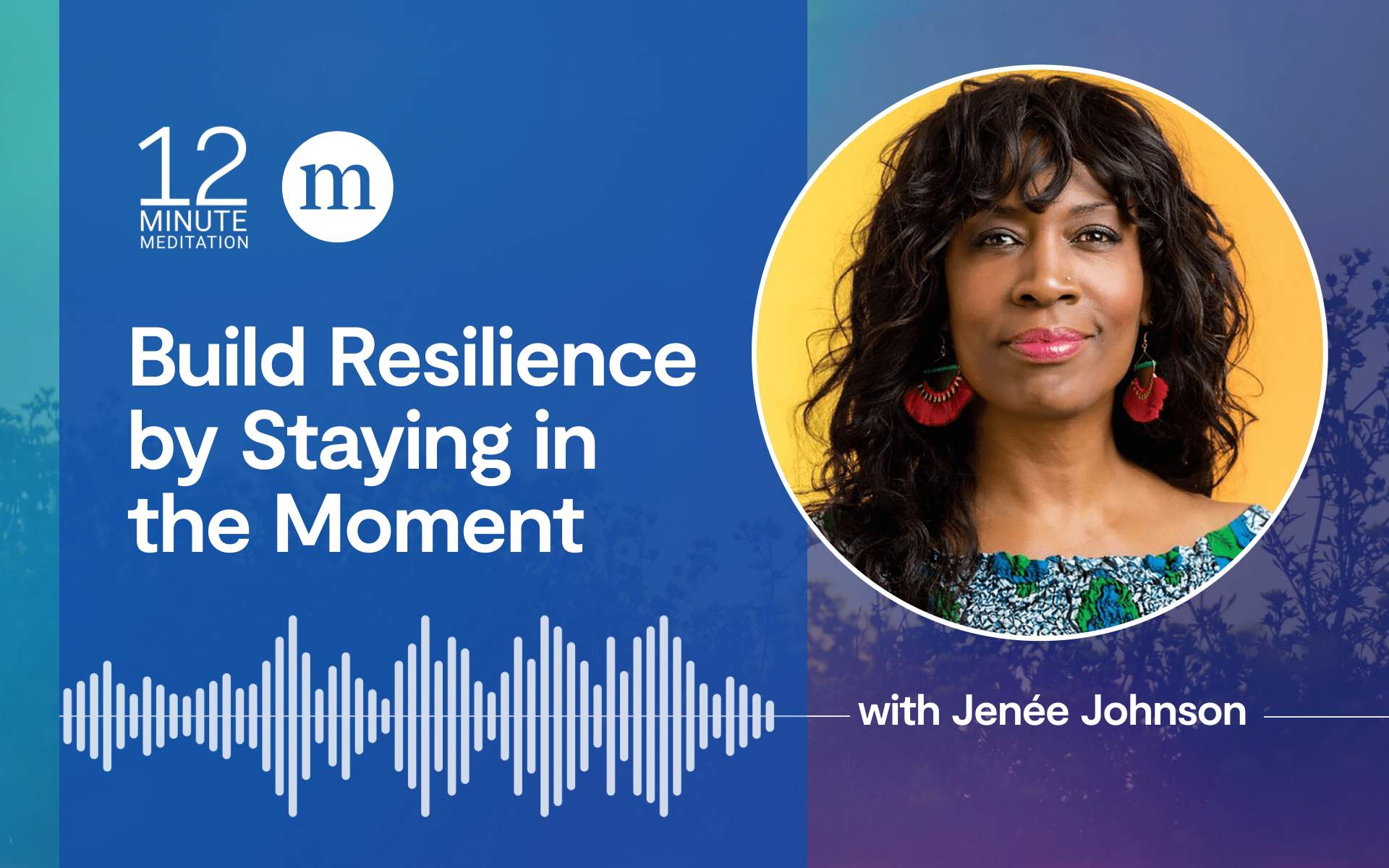
In an era defined by perpetual digital connectivity, professional burnout, and relentless external stimuli, the human mind is routinely pulled away from the present moment. Modern cognitive science increasingly recognizes that chronic distraction impairs emotional regulation, diminishes focus, and exacerbates stress-related health conditions. Addressing this pervasive challenge requires intentional mental conditioning designed to anchor awareness. Mindfulness expert, certified professional co-active coach, and racial healing educator Jenée Johnson has emerged as a prominent voice in this space. Through her leadership of the Right Within Experience and her extensive background in public health initiatives, Johnson champions a transformative practice centered on returning to oneself whenever the mind wanders—a discipline she describes as "staying on the spot."
Main Facts and Core Concepts of the Practice
At the core of Johnson’s methodology is the intentional reclamation of personal focus and emotional equilibrium. The human tendency to become overwhelmed by external demands often results in psychological fragmentation, where individuals lose touch with their core values, needs, and present realities. Johnson’s framework draws inspiration from Sankofa, an Adinkra symbol and Akan concept from Ghana that translates to "go back and get it." Applied to contemporary mental health, this principle encourages individuals to retrace their psychological steps, gather the scattered pieces of their attention, and return to a state of internal coherence.
The practice of "staying on the spot" serves as a primary vehicle for achieving this integration. Rather than fighting distractions or succumbing to frustration when the mind drifts during meditation or daily tasks, practitioners are taught to gently redirect their attention back to the immediate present. Johnson describes this action metaphorically as minding the business that belongs to one’s own life, tending to one’s internal garden, and cultivating a sense of calm and clarity. By repeatedly bringing attention home, individuals train their nervous systems to build psychological resilience, making it significantly easier to navigate external stressors without losing their emotional footing.
Background Context and Evolution of the Initiative
The development of Johnson’s current wellness frameworks is informed by a distinguished career spanning public health administration, emotional intelligence education, and trauma-informed systems. Before establishing the Right Within Experience—a dedicated program tailored to support individuals of African ancestry in overcoming the cumulative impacts of systemic racism—Johnson spearheaded groundbreaking public health efforts in major metropolitan areas.
Notably, she initiated and led the integration of mindfulness practices into San Francisco’s public health programs through the Trauma-Informed Systems Initiative. This municipal undertaking recognized that chronic adversity and systemic trauma require institutional responses that go beyond traditional clinical models, integrating somatic awareness, emotional regulation, and community healing into public services. Furthermore, Johnson serves on the advisory board of the Search Inside Yourself Leadership Institute (SIYLI) and maintains certifications in neuroscience-backed mindfulness teaching and HeartMath facilitation. Her multifaceted expertise allows her to bridge ancient philosophical concepts with modern neuropsychological insights, creating accessible pathways for sustainable mental well-being.
Chronology of Modern Mindfulness Integration in Public Health
The integration of mindfulness into mainstream public health and leadership development has evolved significantly over the past two decades, shifting from alternative wellness circles into structured institutional frameworks:
Early 2000s: Clinical validation of mindfulness-based stress reduction (MBSR) gains momentum, establishing empirical backing for the reduction of anxiety, depression, and chronic pain through meditative awareness.
2010s: Urban public health sectors begin experimenting with trauma-informed care models. Leaders like Jenée Johnson pioneer initiatives to embed mindfulness training directly into municipal health departments to address secondary trauma among service providers and community members.
Mid-2010s to Present: The emergence of specialized programs, such as the Right Within Experience and targeted emotional intelligence frameworks, highlights the critical need for culturally responsive mental health tools that address intersectional stressors, including systemic racism and socioeconomic pressures.
Recent Years: Digital expansion enables global access to guided meditations, somatic exercises, and resilience-building courses, allowing individuals worldwide to practice daily grounding techniques regardless of geographic location.
Supporting Data and Psychological Implications
Contemporary psychological research underscores the necessity of attention regulation in maintaining cognitive health. According to prominent studies in cognitive neuroscience, the human mind wanders approximately 46% to 50% of waking hours. This persistent default-mode network activity is frequently associated with lower subjective happiness, heightened rumination, and increased vulnerability to anxiety and depressive disorders.
Structured mindfulness practices—such as those advocated by Johnson—physically alter brain structures associated with emotional regulation and self-referential processing. Neuroimaging studies consistently demonstrate that consistent meditation thickens the prefrontal cortex, which governs executive functions like decision-making and impulse control, while reducing the physical size and reactivity of the amygdala, the brain’s primary threat-detection center.
When applied within culturally specific frameworks, these neurological benefits are further amplified. Sociological data indicates that marginalized populations face distinct physiological tolls due to chronic minority stress and systemic inequities. Interventions like the Right Within Experience provide specialized spaces that acknowledge these realities, offering participants validated, community-rooted tools for liberation, healing, and self-compassion.
Expert Perspectives and Institutional Responses
Mental health professionals and institutional leaders increasingly view targeted mindfulness interventions as essential components of holistic healthcare and organizational wellness. By teaching individuals how to recognize the exact moment their attention has been hijacked by external stimuli, programs like Johnson’s empower participants to interrupt cycles of reactivity.
Behavioral health analysts note that modern work environments and digital platforms are engineered to fragment attention, leading to widespread cognitive fatigue. Practices that emphasize "staying on the spot" act as a vital countermeasure, encouraging cognitive autonomy. Rather than striving for an impossible state of uninterrupted focus, practitioners learn to master the art of the return—each redirection of the mind serving as a bicep curl for the brain’s attentional muscle.
Broader Impact and Societal Implications
The broader implications of integrating mindfulness and cultural reclamation into everyday life extend far beyond individual stress reduction. When individuals cultivate inner clarity and emotional resilience, their capacity for empathetic engagement within communities expands correspondingly.
Workplaces, educational institutions, and healthcare systems stand to benefit immensely from a workforce equipped with robust emotional intelligence and trauma-informed self-awareness. Initiatives that encourage people to mind their own internal gardens foster environments characterized by reduced interpersonal conflict, enhanced collaborative problem-solving, and deeper mutual respect.
Ultimately, Jenée Johnson’s work through the Right Within Experience and her foundational teachings on present-moment awareness provide a timely blueprint for navigating the complexities of modern existence. By honoring ancient traditions of reclamation and pairing them with contemporary psychological science, these practices offer a sustainable pathway toward personal sovereignty, mental clarity, and enduring well-being.