
The modern digital landscape demands rigorous organization, yet many independent creators and enterprise social media managers still approach content publication on an ad-hoc basis. According to recent digital marketing industry data, organizations that utilize structured content planning tools experience a 300 percent increase in publishing consistency compared to those that rely on spontaneous posting. This operational gap has elevated the social media content calendar from a rudimentary scheduling sheet to an essential enterprise asset. To address this structural necessity, industry analysts and seasoned digital strategists have released a comprehensive compendium featuring 11 distinct, complimentary calendar templates alongside a step-by-step framework for custom system architecture.
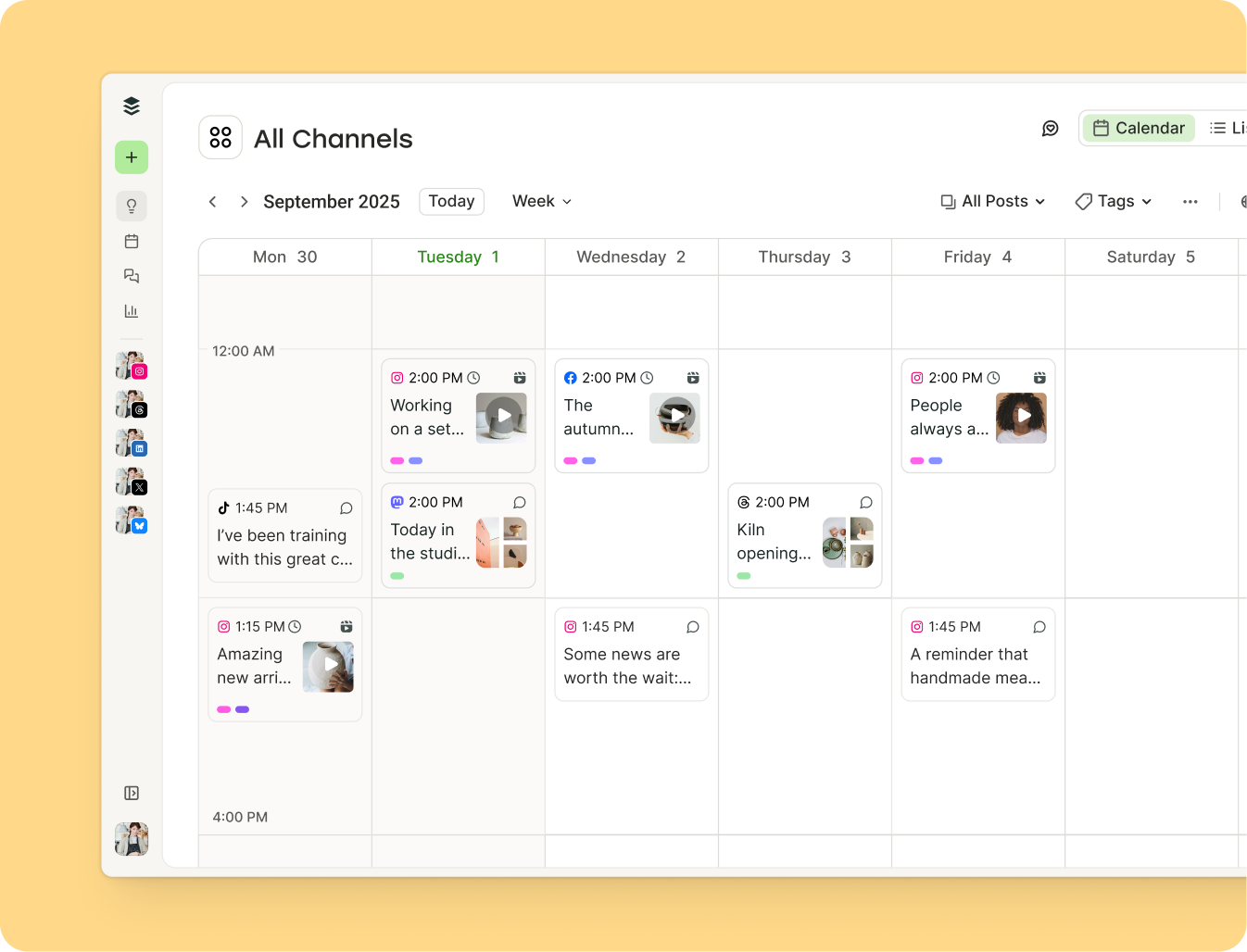
The anatomy of a functional content calendar has evolved far beyond basic date tracking. Historically, early digital marketing relied on rudimentary manual spreadsheets or sporadic reminders to push updates across emerging web platforms. As the digital ecosystem fractured into dozens of distinct channels—ranging from legacy networks like Facebook and LinkedIn to microblogging sites and short-form video applications like TikTok—the cognitive load of manual publishing became unsustainable. Contemporary digital publishing platforms now integrate automated workflows, multi-channel distribution pipelines, and analytical feedback loops directly into the planning interface.
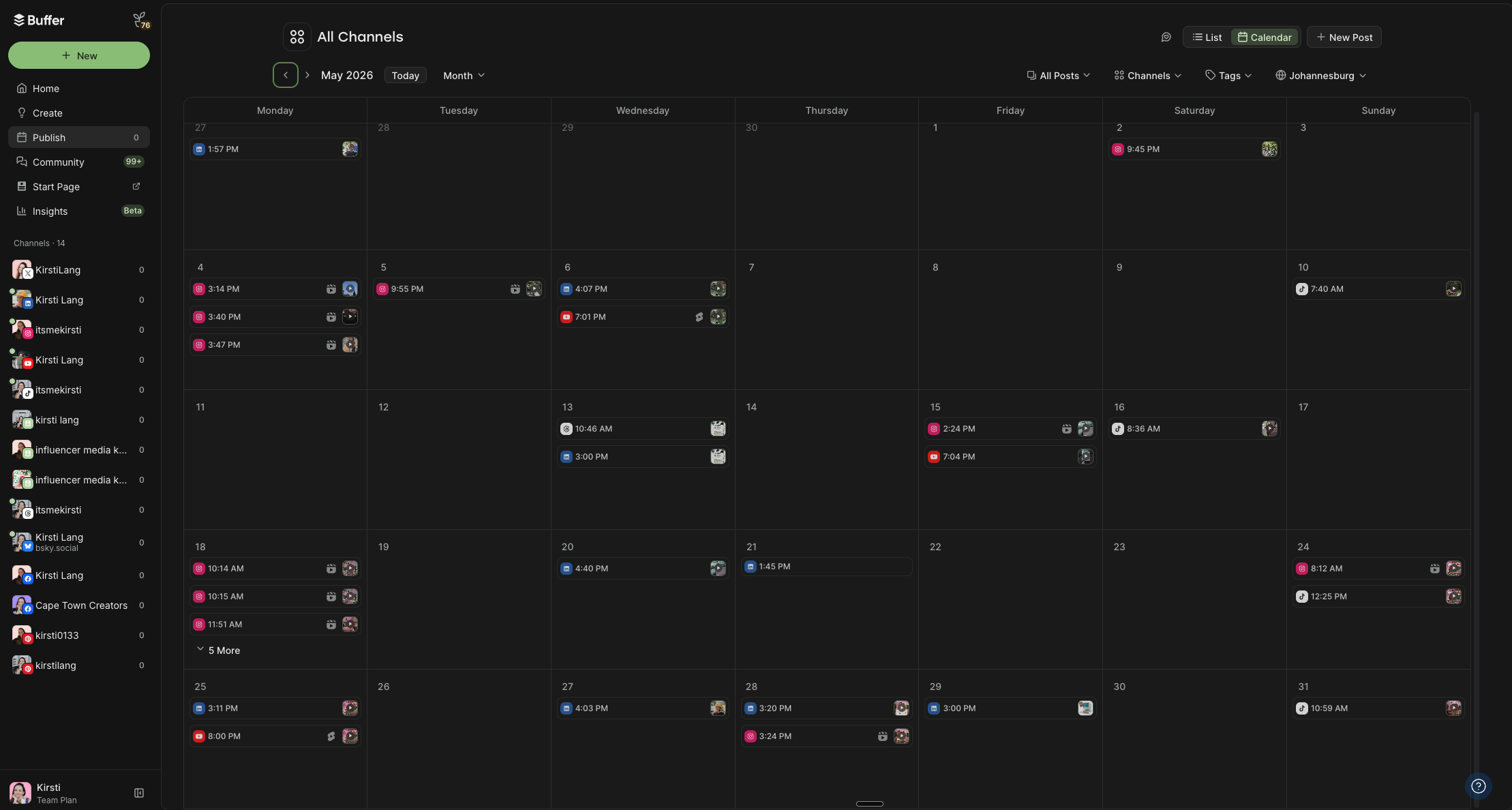
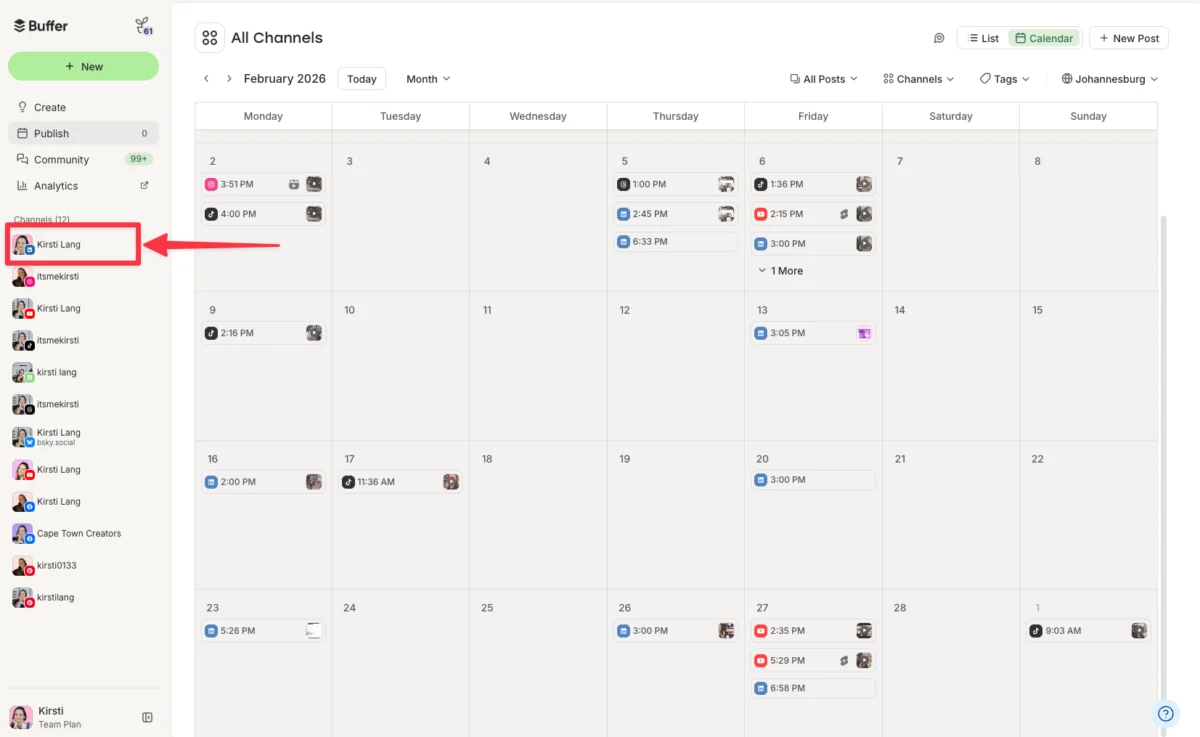
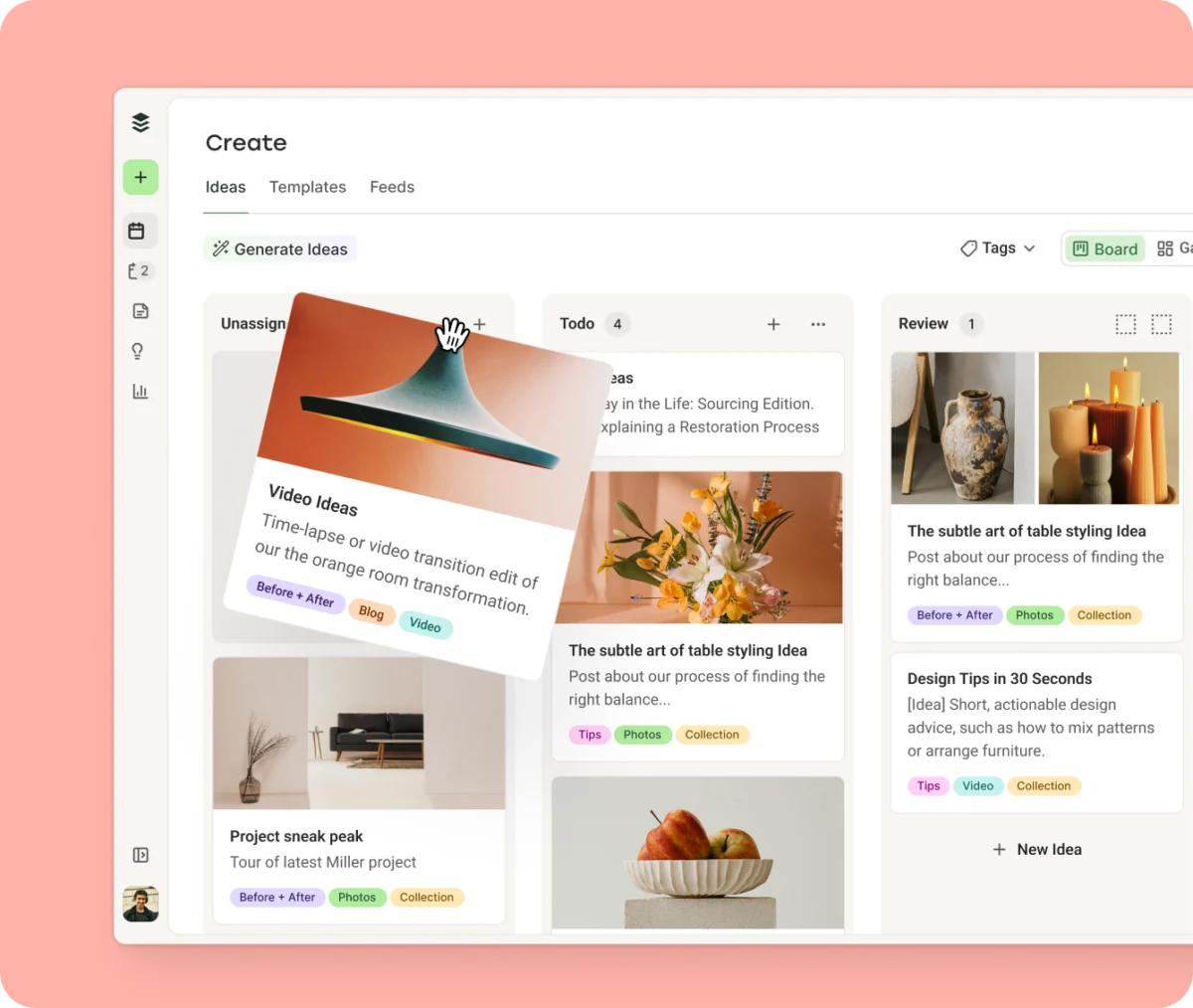
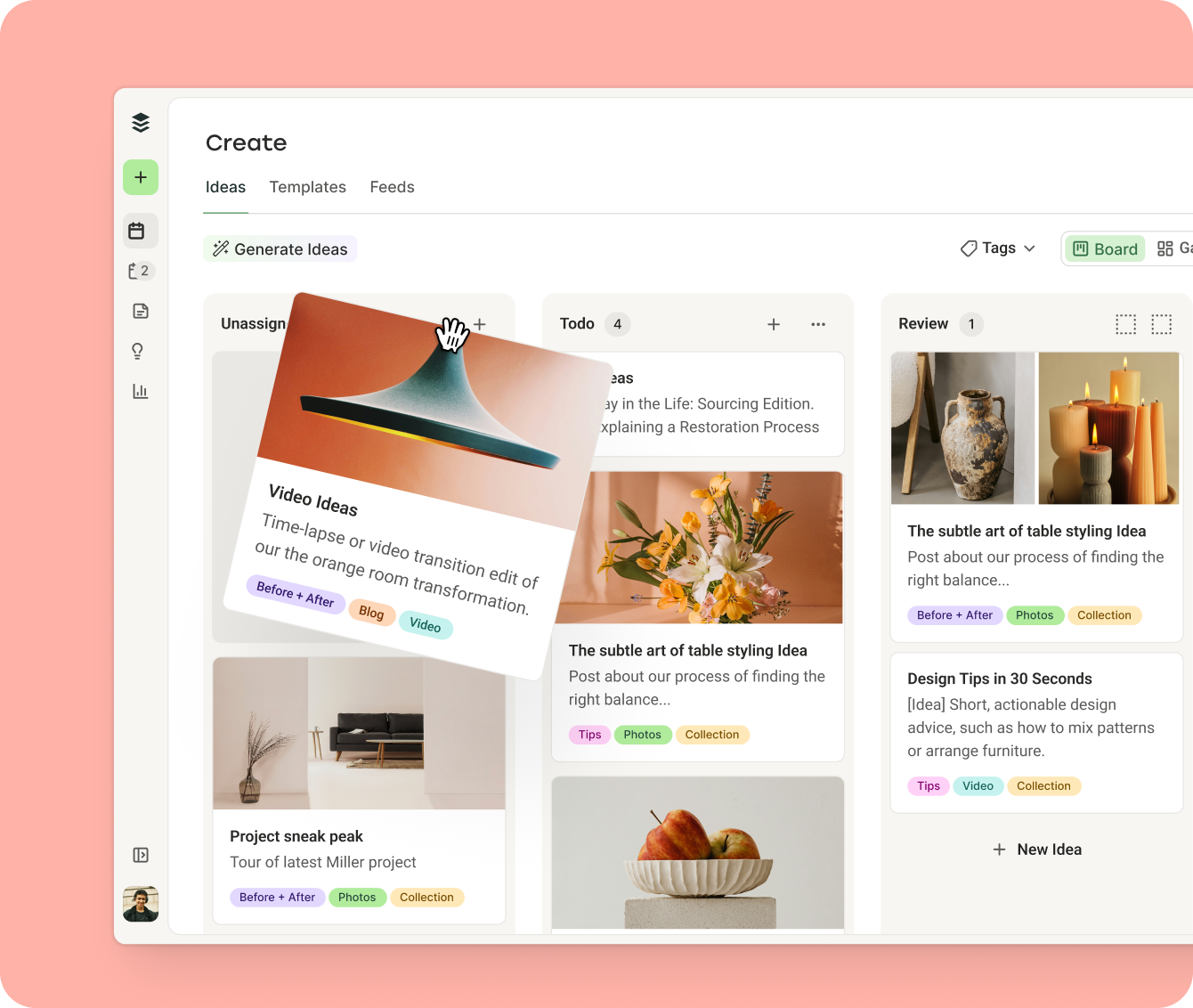
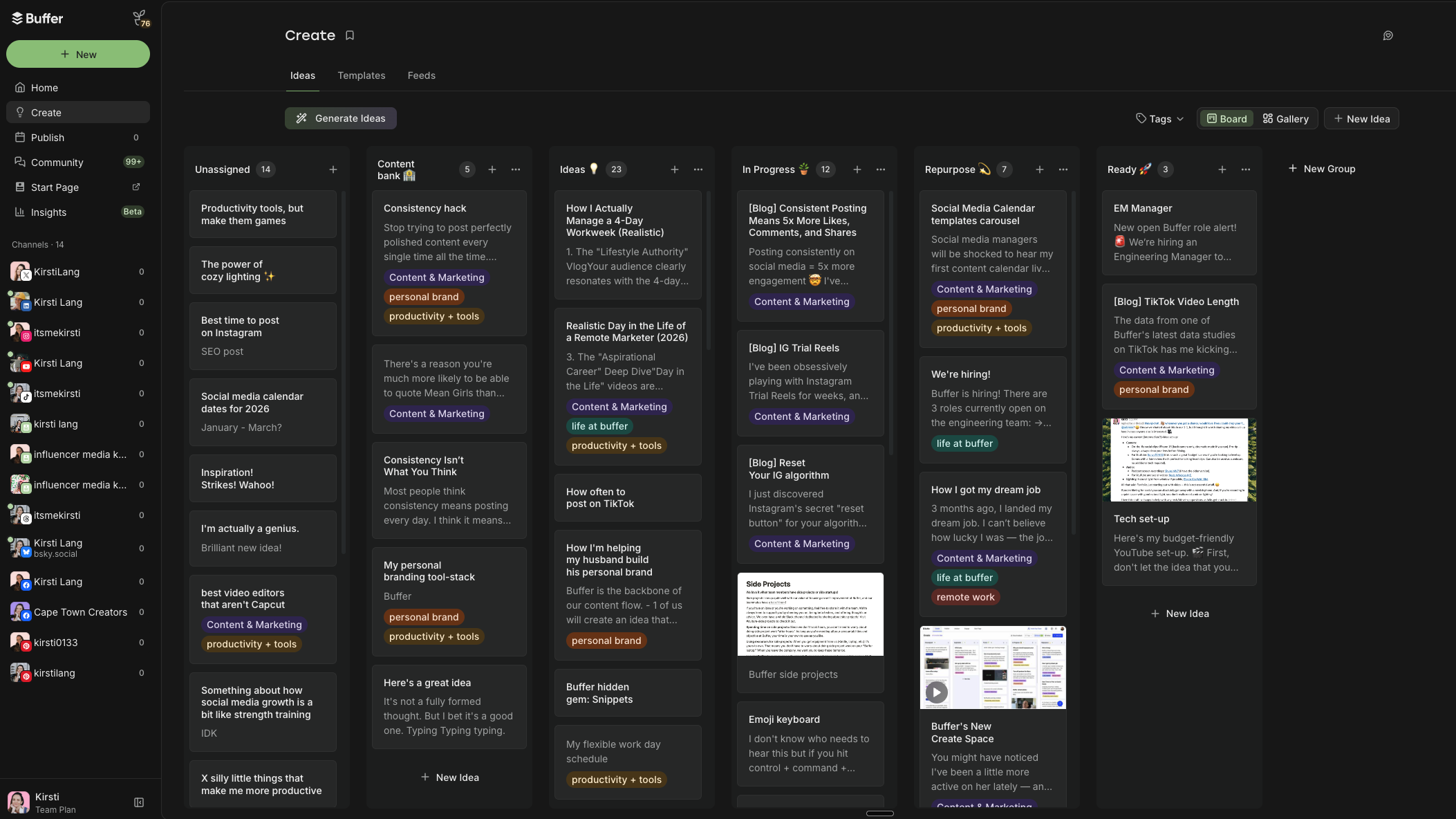
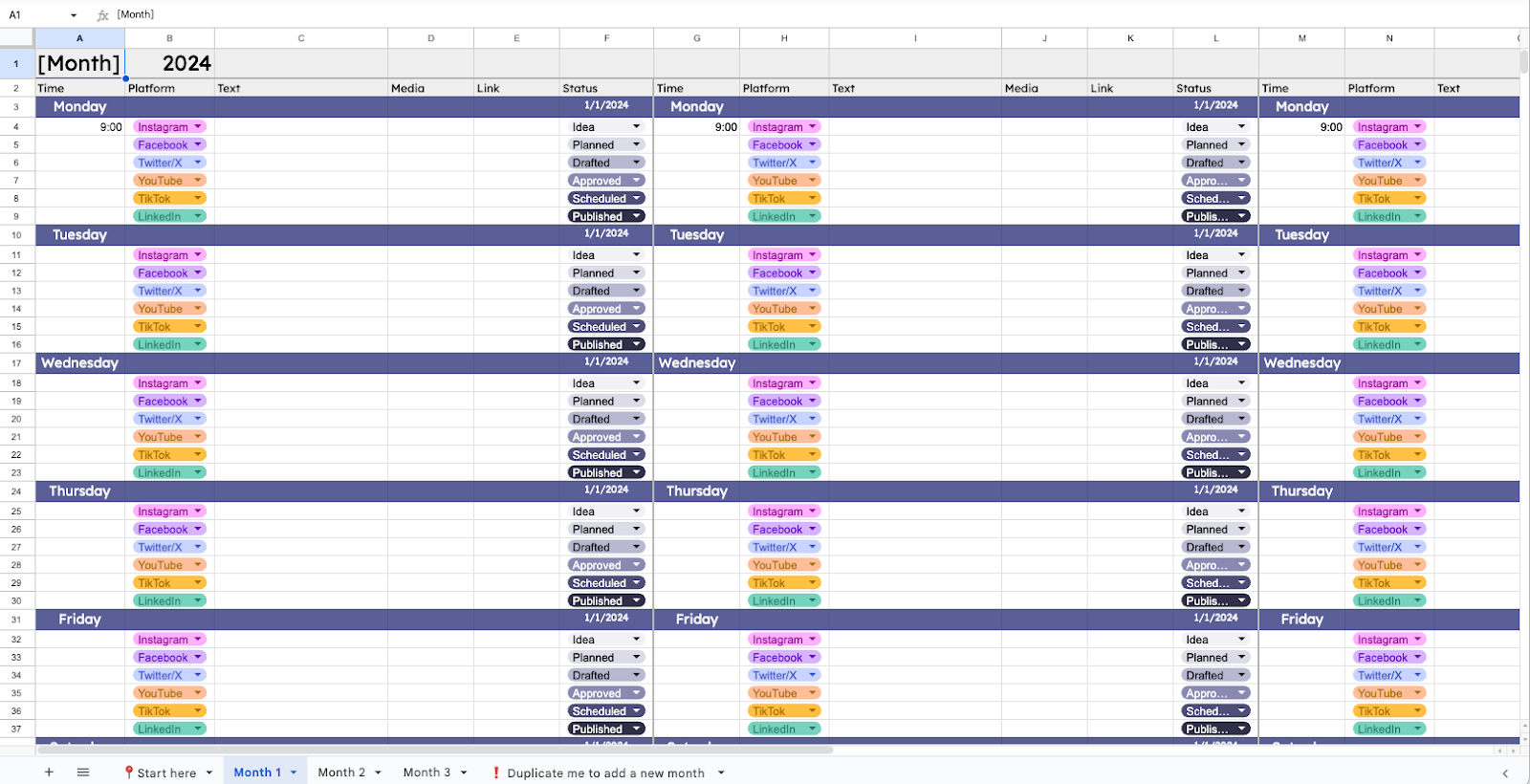
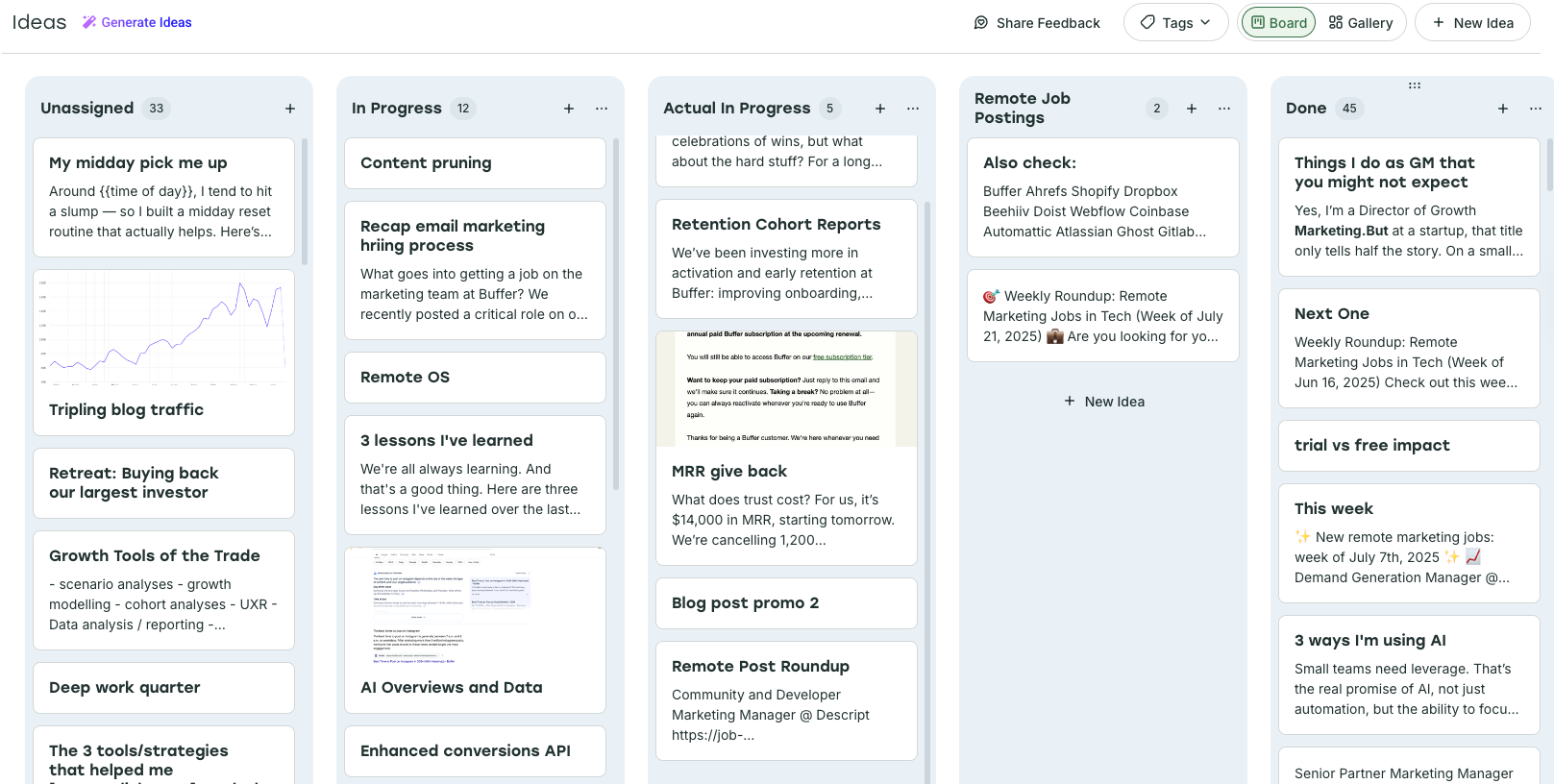
A comprehensive review of available planning structures reveals diverse methodologies tailored to specific operational workflows. Among the options featured in the new resource collection are specialized scheduling tools with auto-publishing capabilities, traditional Portable Document Format (PDF) templates designed for visual timeline mapping, and fully editable frameworks housed in collaborative environments such as Canva, Notion, and Google Sheets. Furthermore, community-driven templates offer novel approaches to specialized challenges, including Kanban-board content pillar organization, AI-assisted idea generation workflows, and single-platform consistency matrices.
Industry experts emphasize that the selection of a content management vehicle must align directly with an organization’s internal capacity and technical proficiency. For instance, teams managing high-volume, multi-platform campaigns frequently gravitate toward automated scheduling suites that reduce human error and eliminate manual cross-posting overhead. Conversely, solo entrepreneurs or early-stage personal brands often prefer flexible, low-friction workspaces that allow for exhaustive qualitative brainstorming before content production begins.
The Operational Imperative of Structured Content Planning
The economic implications of unstructured social media management are well-documented. Inconsistent publishing schedules frequently lead to algorithmic penalties across major platforms, eroding organic reach and depressing overall audience engagement metrics. Marketing analysts point out that audience retention is inextricably linked to predictable content delivery. When brands fail to maintain a steady cadence, subscriber drop-off rates accelerate significantly within a matter of weeks.
To combat this phenomenon, modern digital strategists advocate for the establishment of a centralized "source of truth" for all marketing outputs. By mapping out messaging weeks or months in advance, marketing teams can insulate themselves from operational bottlenecks, resource shortages, and unexpected public relations crises. Furthermore, an overarching view of a publishing schedule prevents thematic clustering—such as inadvertently deploying multiple promotional calls-to-action in succession without intervening value-driven educational content.
Evaluating the Top Template Frameworks
The newly published resource suite categorizes 11 distinct tools and templates, each optimized for specific strategic outcomes:
- Integrated Scheduling Suites: Platforms that combine calendar interfaces with direct, automated publishing capabilities across all major networks, eliminating the friction of manual posting.
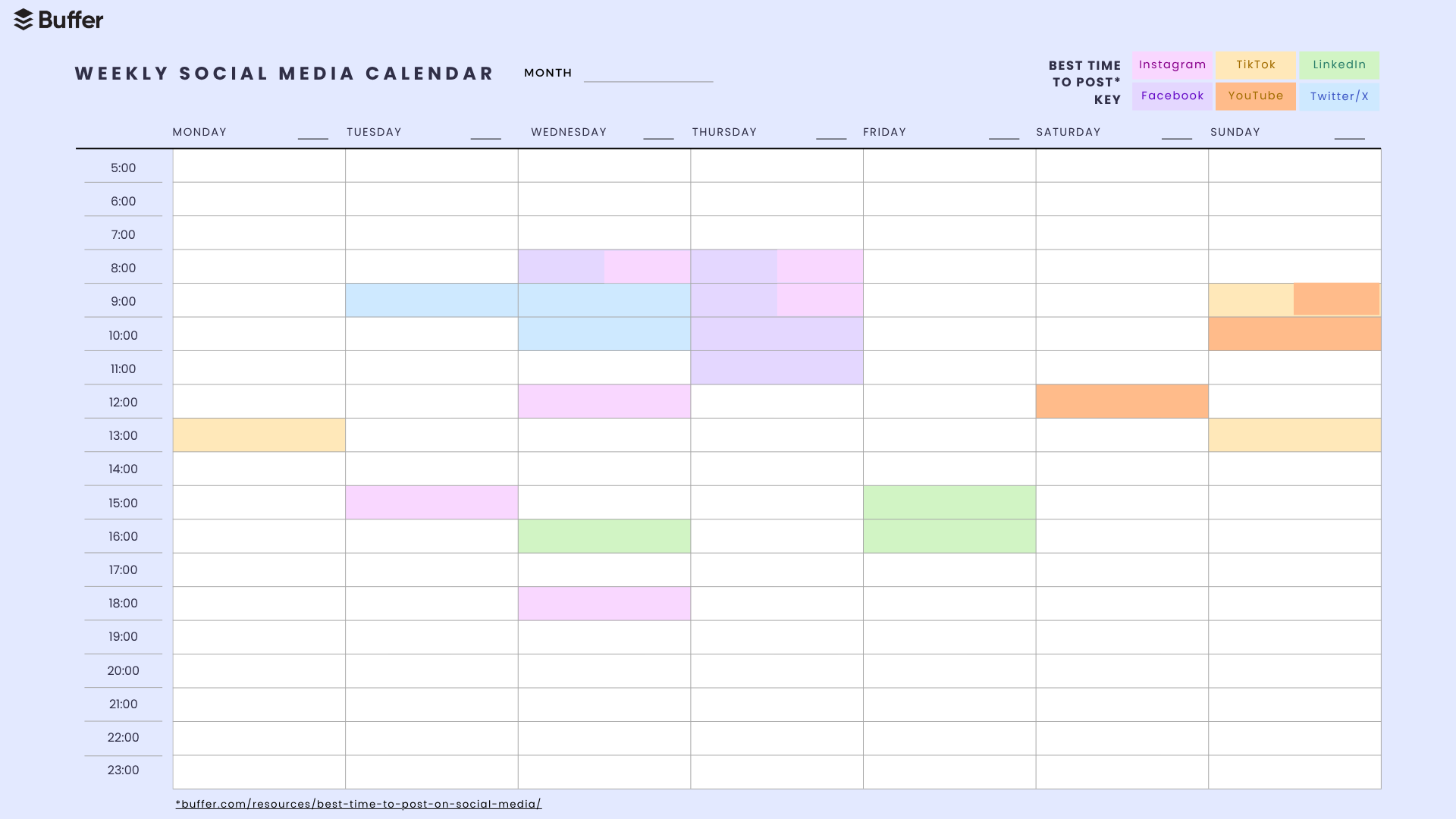
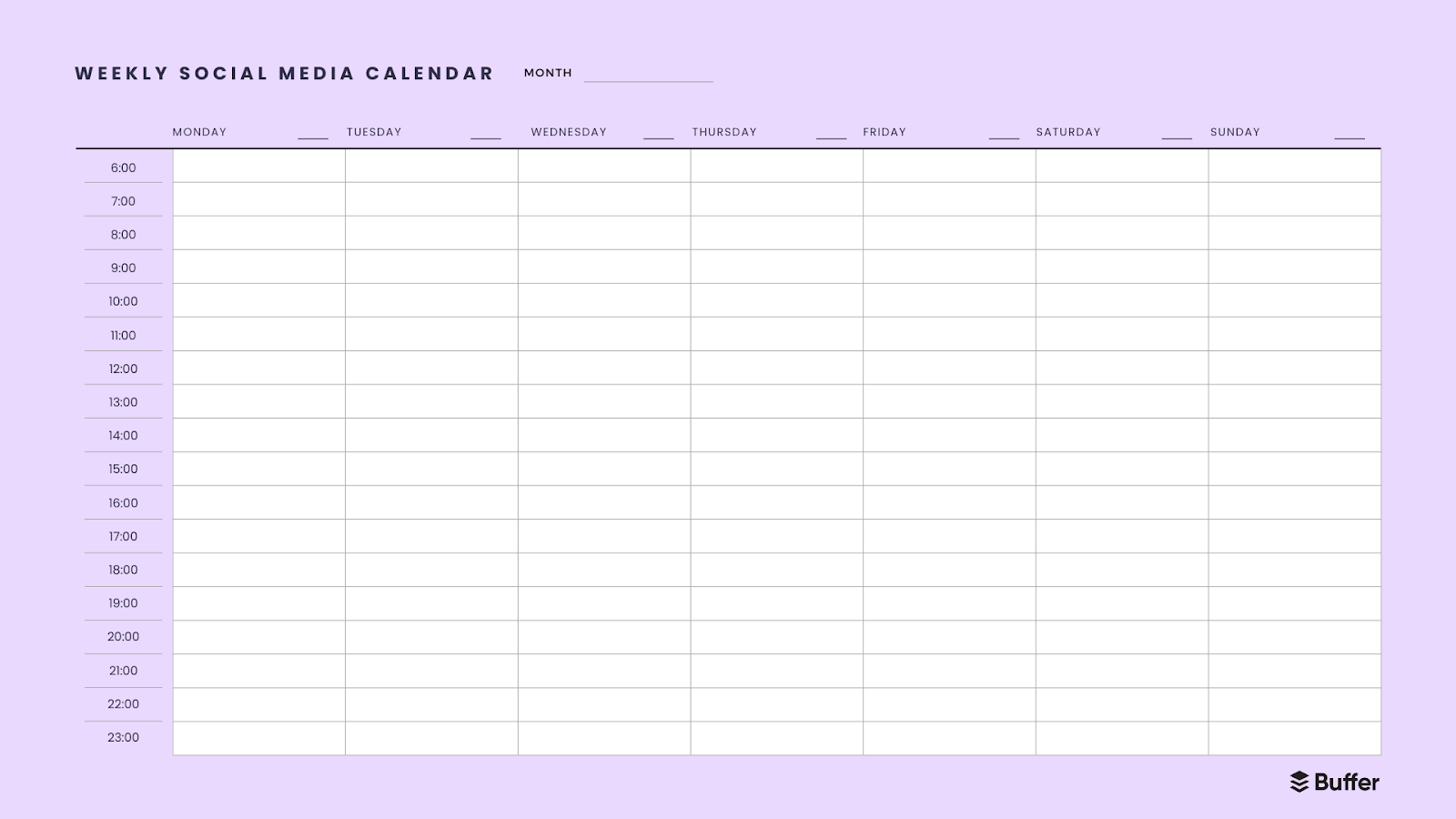
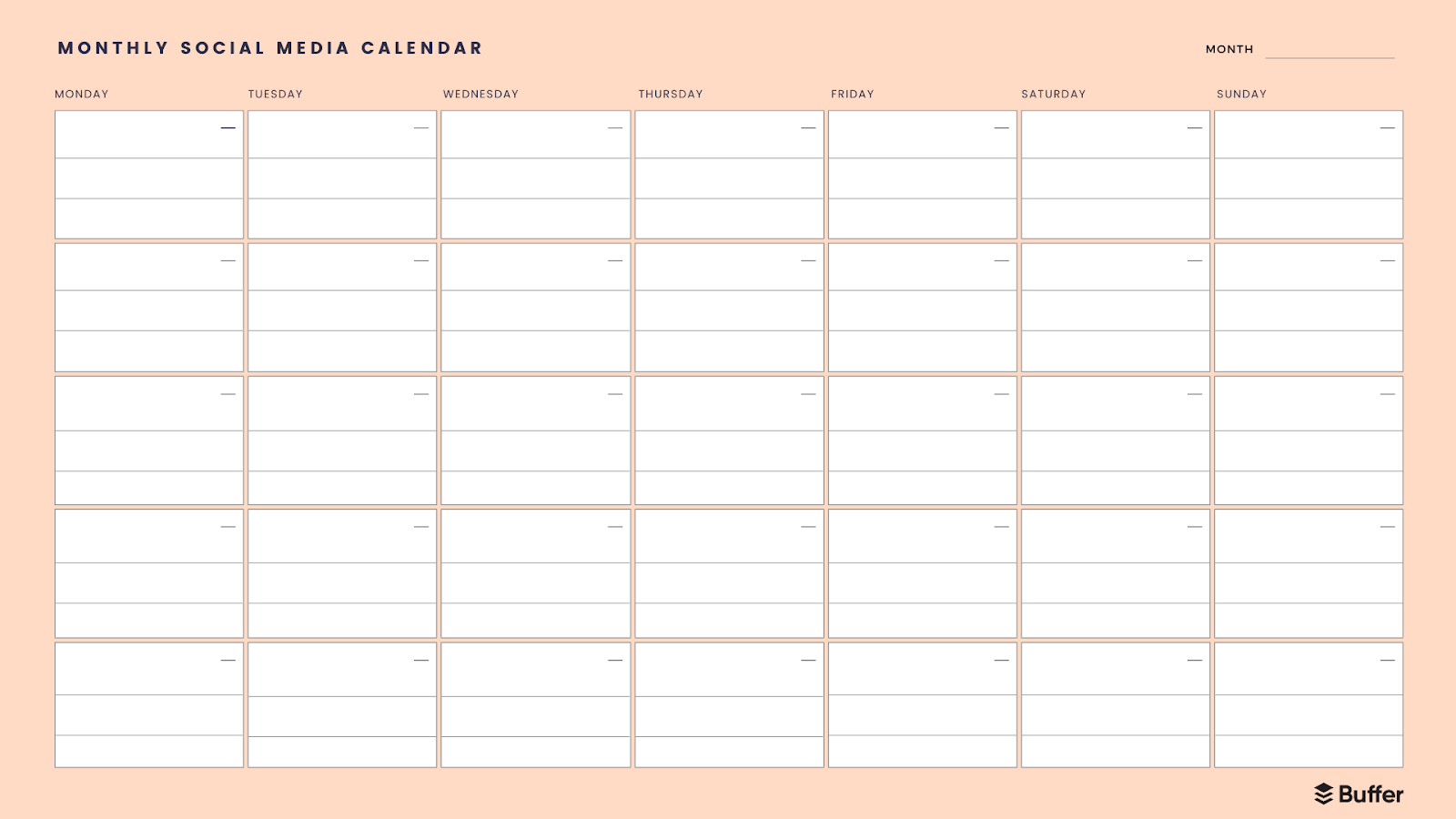
- Visual Timeline PDFs: Static documents highlighting peak audience engagement windows and weekly or monthly macro-views, ideal for offline brainstorming sessions.
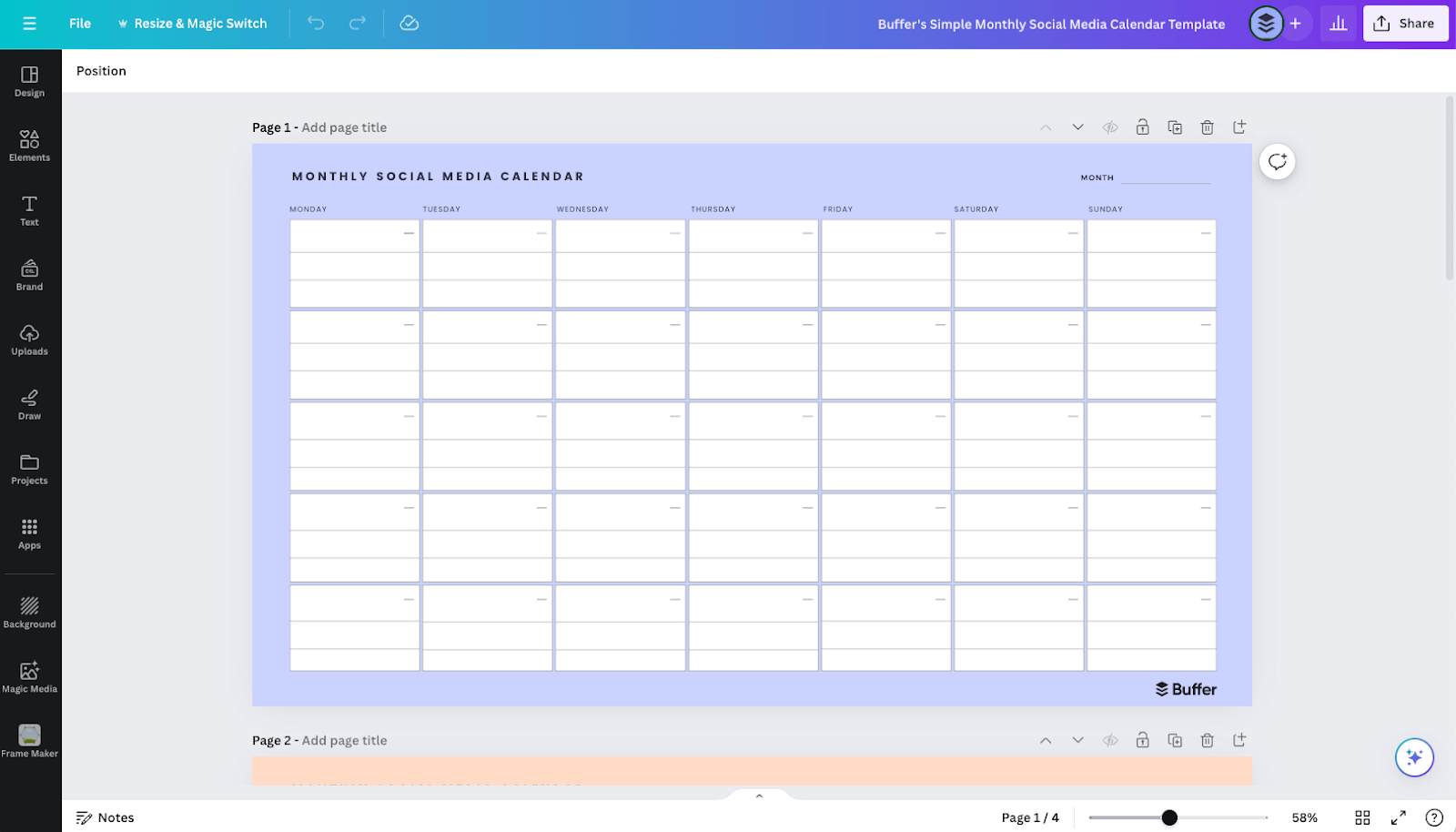
- Canva Visual Layouts: Graphic-forward calendars that allow teams to customize basic planning structures with brand colors and imagery.
- Notion Workspaces: Advanced relational databases capable of housing long-form captions, digital assets, and multi-view project boards (such as Kanban or calendar views) under one roof.
- Spreadsheet Frameworks (Google Sheets / Microsoft Excel): Cloud-native tabular systems offering infinite customization, color-coding capabilities, and seamless export options.
- Community-Curated Workflows: Specialized systems developed by active creators, including Kanban pillar organization, automated AI-to-email idea pipelines, and single-platform consistency trackers.
Building a Custom Content Calendar from Scratch
For organizations whose unique operational parameters preclude the adoption of pre-made templates, industry veterans recommend an eight-step developmental methodology. This structured approach ensures that any homegrown system robustly supports broader business objectives:
First, stakeholders must establish a foundational strategy. This entails defining clear organizational goals, identifying target demographic profiles, and delineating core content pillars that reflect the brand’s unique value proposition. Second, teams must select a hosting medium—whether cloud-based spreadsheet software, a modular project management workspace, or a dedicated social media management platform—ensuring high adoption potential among all users.
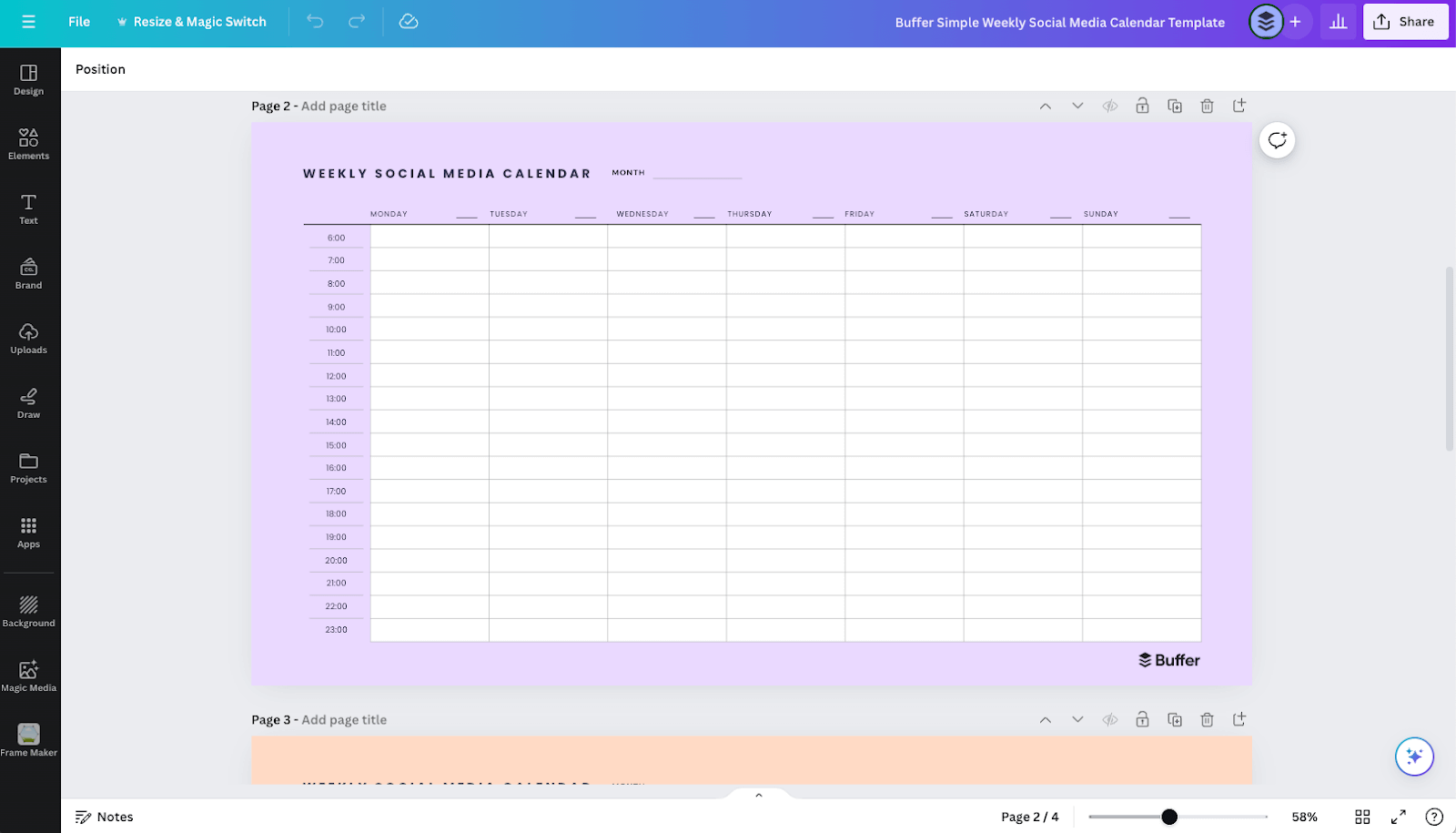
Third, a realistic publishing cadence must be established. Analysts consistently warn against over-committing to aggressive posting frequencies that cannot be sustained long-term. Fourth, creators must build the structural skeleton of their calendar, designating specific time slots or queues for each targeted platform based on empirical audience data.
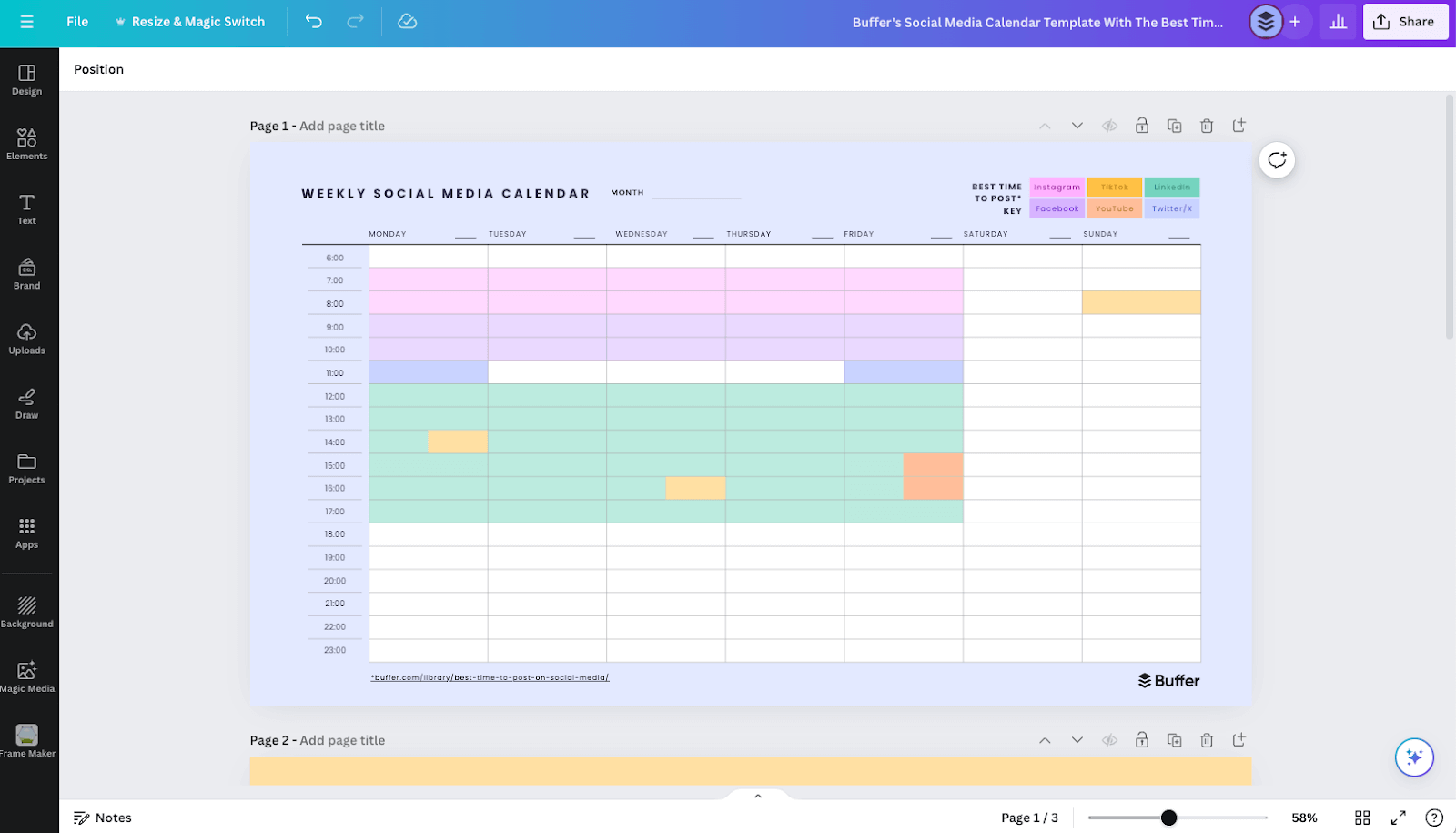
Fifth, the system must incorporate an ideation hub where raw, unpolished concepts can be safely stored and categorized without immediate pressure for aesthetic finalization. Sixth, implementation of robust categorization tools—such as color-coded tags or labeling conventions—allows operators to visualize content distribution at a glance, preventing thematic imbalances.
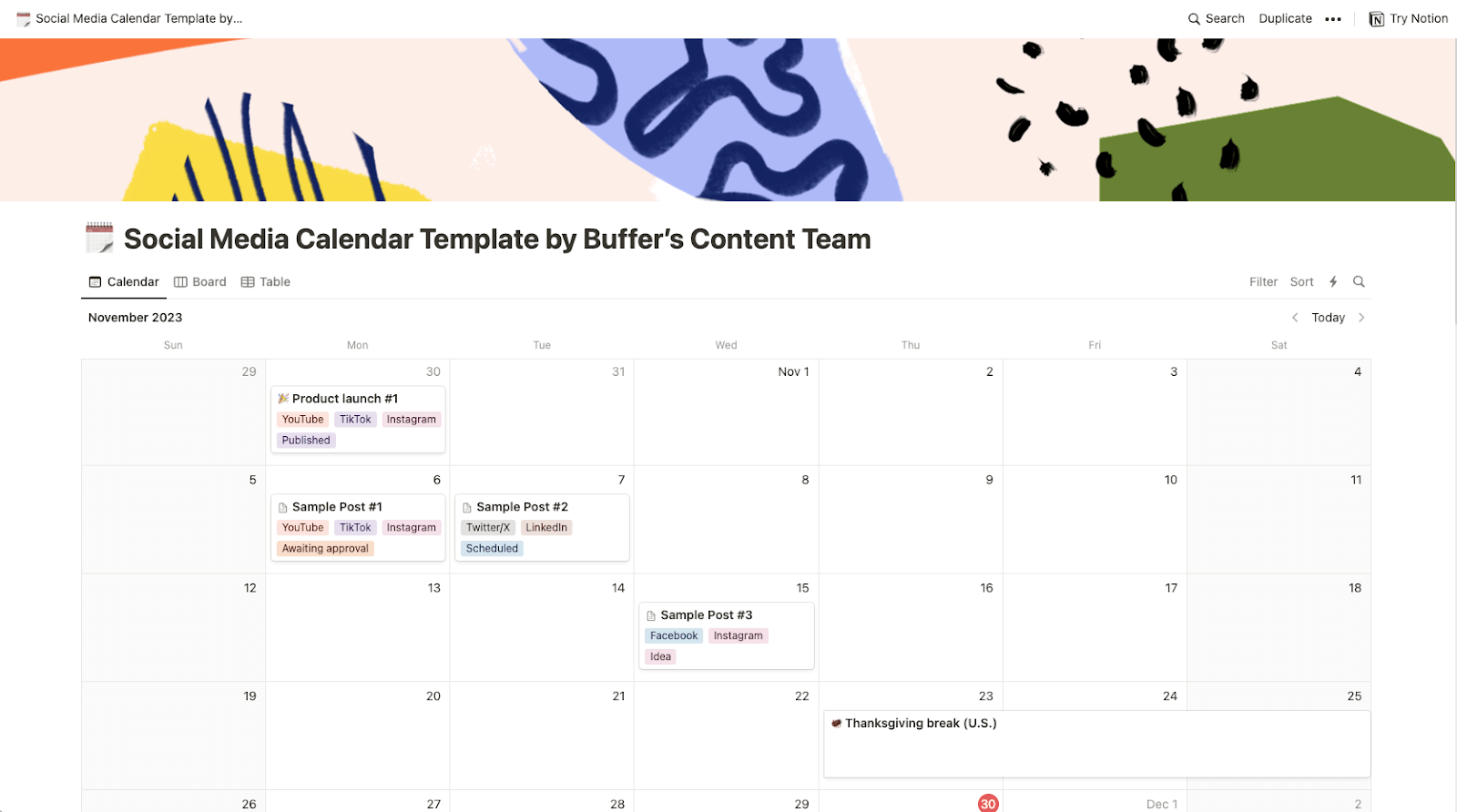
Seventh, the active planning phase involves translating approved ideas into fully realized posts within the designated publishing queue. Finally, the eighth step mandates continuous review and adjustment. By routinely auditing performance metrics through analytics dashboards, digital managers can refine their strategies, double down on high-performing content types, and systematically purge ineffective approaches.
Broader Implications for Enterprise Marketing
The proliferation of sophisticated, accessible content planning templates underscores a broader democratization of digital marketing capabilities. Small- and medium-sized enterprises now possess access to organizational frameworks previously reserved for multinational corporations with dedicated agency backing. As artificial intelligence and automation tools continue to integrate deeper into these planning environments, the administrative burden of social media management is expected to decrease further, allowing creators and marketers to refocus their energies on narrative development and authentic audience engagement.
Ultimately, market analysts conclude that the success of any digital campaign remains anchored in discipline and consistency. While technological tools and structural templates provide the necessary scaffolding, the sustained momentum of a brand relies entirely on its commitment to showing up reliably for its audience through a well-governed content calendar.