
The landscape of professional digital networking is undergoing a noticeable behavioral evolution, according to comprehensive new data released by social media management platform Buffer. After analyzing an extensive dataset comprising 4.8 million posts sent through its platform, Buffer’s data science team has mapped out the optimal periods for maximizing reach and interaction on LinkedIn. The findings indicate a definitive departure from traditional working-hour posting strategies, revealing that late-afternoon and evening windows now capture the highest levels of user engagement.
The two-year continuous study, spearheaded by Buffer resident data scientist Julian Winternheimer, points to a broader cultural shift in how professionals consume and interact with career-related content. While historical benchmarks—including data compiled as recently as 2025—suggested that peak LinkedIn engagement was strictly confined to standard 9-to-5 office hours with sharp declines occurring after 5:00 p.m., the 2026 findings challenge conventional wisdom. Modern professionals are increasingly turning to the platform after hours, mirroring engagement trends long observed on consumer-facing platforms like Instagram and TikTok.
Chronology and Methodology of the Study
Buffer’s ongoing social media analytics initiative has tracked publishing habits and interaction rates across major digital networks for approximately 24 months. The methodology for the 2026 LinkedIn report involved isolating 4.8 million distinct posts distributed via the Buffer infrastructure. To ensure global applicability for brands, corporate pages, and personal creators alike, the data science team normalized all posting times by local time zones, eliminating the need for users to manually calculate Greenwich Mean Time (GMT) or Coordinated Time (UTC) conversions.
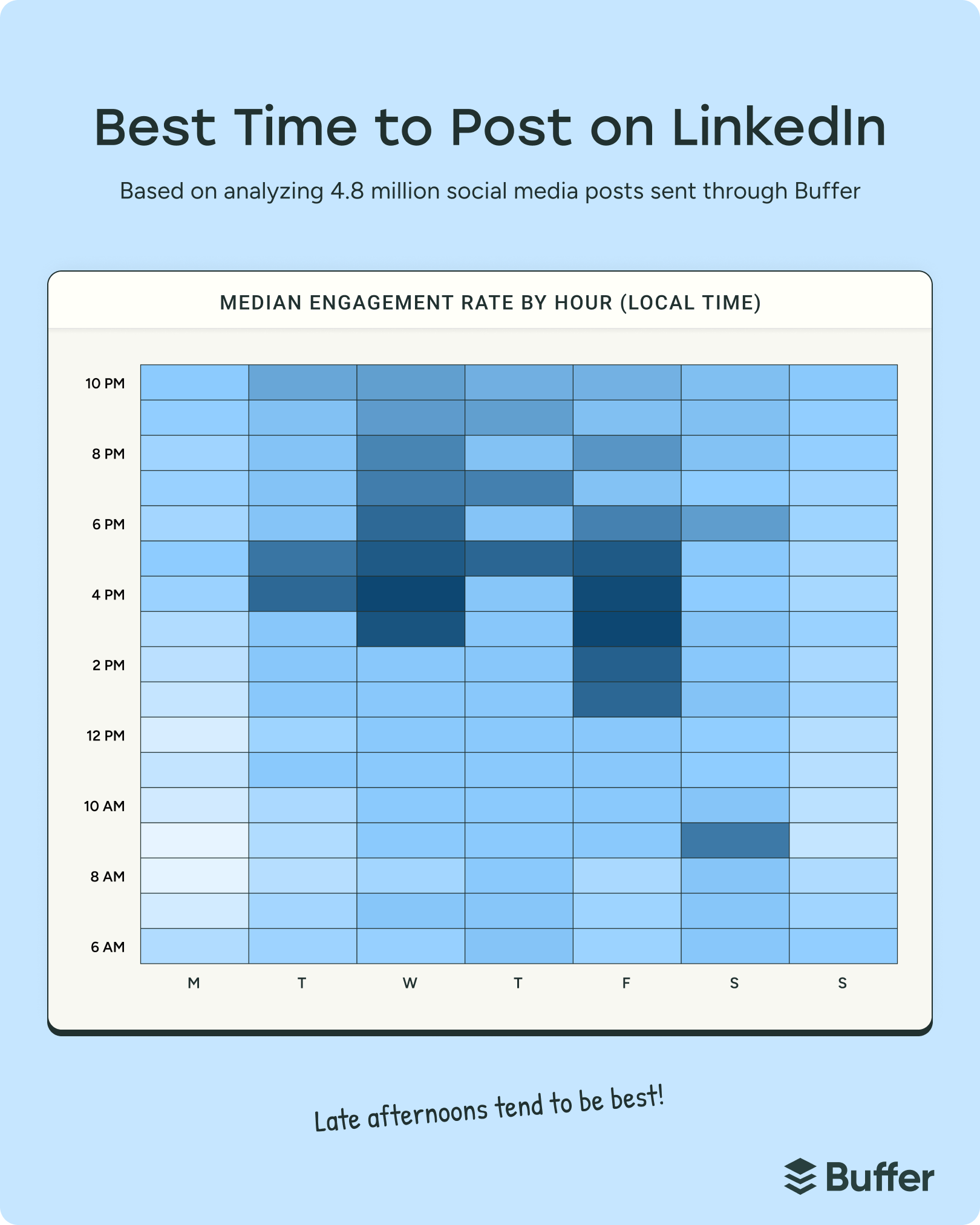
The analytical process examined hourly engagement blocks across all seven days of the week, measuring direct audience interactions including reactions, comments, and reposts. Because LinkedIn’s proprietary algorithmic architecture heavily weighs early user interactions as a primary signal of content value, posts securing high engagement during initial distribution windows are systematically rewarded with expanded reach. Consequently, identifying precise periods of high user activity serves as a critical tactical advantage for organizations seeking to amplify brand visibility.
Key Data Findings: The Rise of the Evening Peak
The 2026 analysis identifies the optimal general window for publishing on LinkedIn as weekdays between 3:00 p.m. and 8:00 p.m. Within this broad timeframe, specific slots emerged as clear frontrunners. Wednesday at 4:00 p.m. established itself as the strongest overall engagement slot of the entire week, closely followed by robust activity on Friday afternoons.
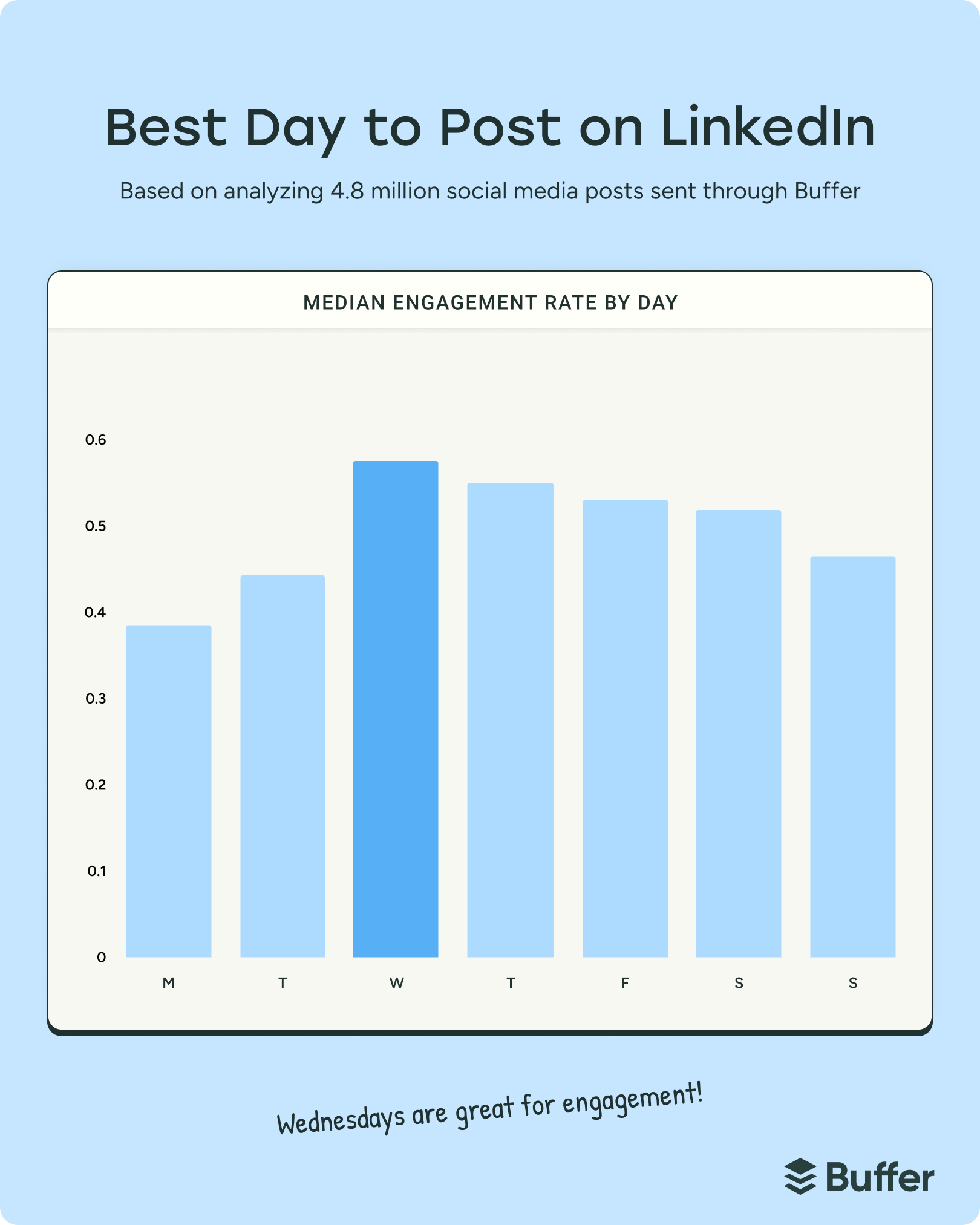
A comparative breakdown of optimal posting times across the week highlights distinct daily patterns:
- Monday: Peak engagement clusters late in the day at 10:00 p.m., preceded by smaller bumps at 5:00 p.m. and 9:00 p.m. Overall weekly volume for Monday remains lower as professionals catch up on administrative tasks.
- Tuesday: The highest activity is concentrated at 4:00 p.m., with secondary high-performing windows at 5:00 p.m. and 10:00 p.m.
- Wednesday: Standing as the premier day for professional engagement, Wednesday peaks at 4:00 p.m., backed strongly by 3:00 p.m. and 5:00 p.m. slots.
- Thursday: Evening momentum continues with a primary peak at 5:00 p.m., supported by sustained engagement at 7:00 p.m. and 9:00 p.m.
- Friday: Afternoon wind-down periods dominate, led by 3:00 p.m., 4:00 p.m., and 5:00 p.m. slots as the workweek concludes.
- Saturday: Weekend traffic is sparse, though isolated activity peaks at 9:00 a.m., followed by evening checks at 6:00 p.m. and 10:00 p.m.
- Sunday: Late-night browsing prevails, with a primary concentration at 10:00 p.m., preceded by 9:00 p.m. and early morning activity at 6:00 a.m.
Conversely, the study identified early morning hours (6:00 a.m. to 11:00 a.m.) and the early days of the week—specifically Monday and Tuesday—as yielding significantly lower baseline interactions. Content published during these traditionally favored morning slots frequently underperformed compared to late-day alternatives.
Industry Context and Competing Perspectives
The shift toward evening engagement has generated considerable discussion among digital marketers and platform strategists. Industry observers note that late-afternoon and evening browsing on professional networks does not necessarily constitute idle or passive consumption. Instead, qualitative assessments suggest that professionals closing their laptops for the day often utilize evening hours to digest long-form thought leadership, explore career opportunities, and interact with industry peers more deliberately. This intentional engagement often results in higher-quality interactions for creators and brands.
However, industry experts caution that timing research is not a universal panacea. Official insights from LinkedIn’s corporate marketing division indicate that timing is subject to significant variance depending on target demographics, geographic regions, and specific industry verticals. For instance, certain B2B sectors targeting executive decision-makers still register active mid-morning participation during standard corporate breaks. Consequently, data analysts recommend treating broad algorithmic studies as a baseline foundation rather than an immutable rule.
Implications for Content Strategy and Brand Management
The evolution of LinkedIn usage patterns carries direct implications for corporate communication teams, small business owners, and personal brand builders. Relying on legacy scheduling habits—such as pushing content out during early morning commute hours—risks burying high-value assets during periods of lower user attention.
To maximize the impact of these findings, digital strategists emphasize a multi-layered approach:
- Audience Testing: Organizations should experiment by shifting a portion of their content calendar into the newly identified late-afternoon and evening windows to gauge audience-specific responses.
- Format Diversification: Timing alone cannot rescue poorly structured content. Platform data underscores that format choice remains paramount; high-performing assets such as multi-page document carousels continue to generate significantly higher engagement multiples compared to plain text updates.
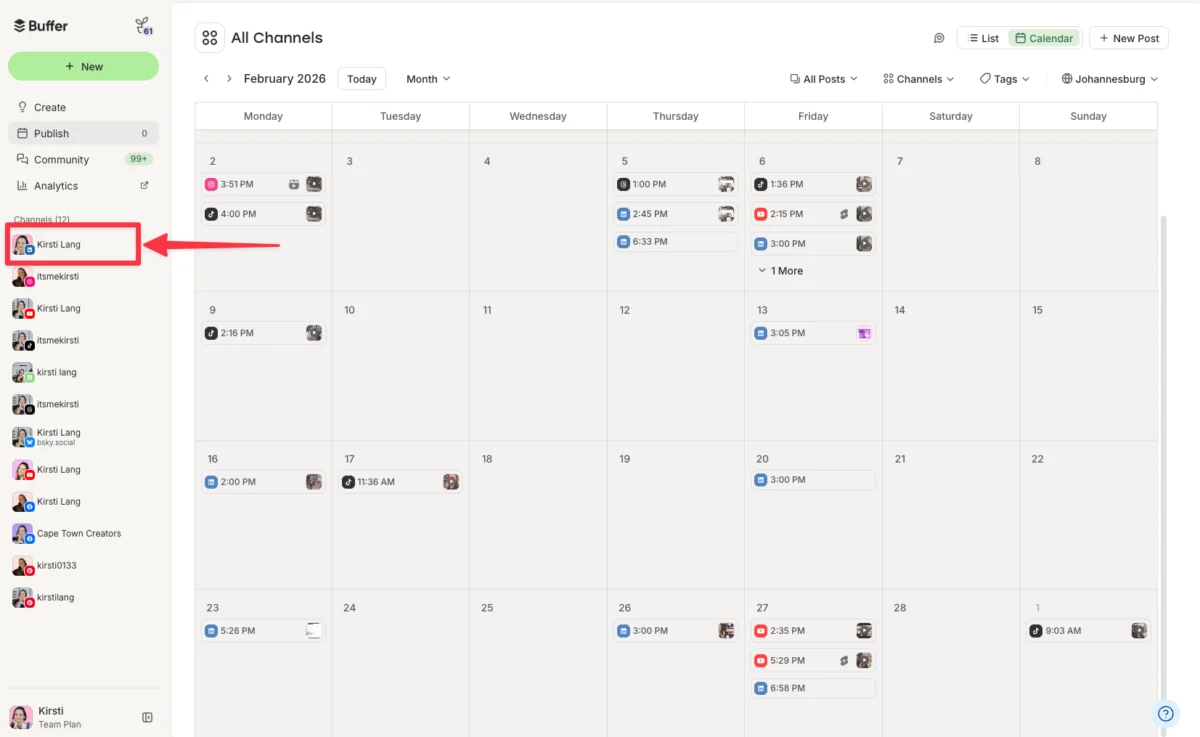
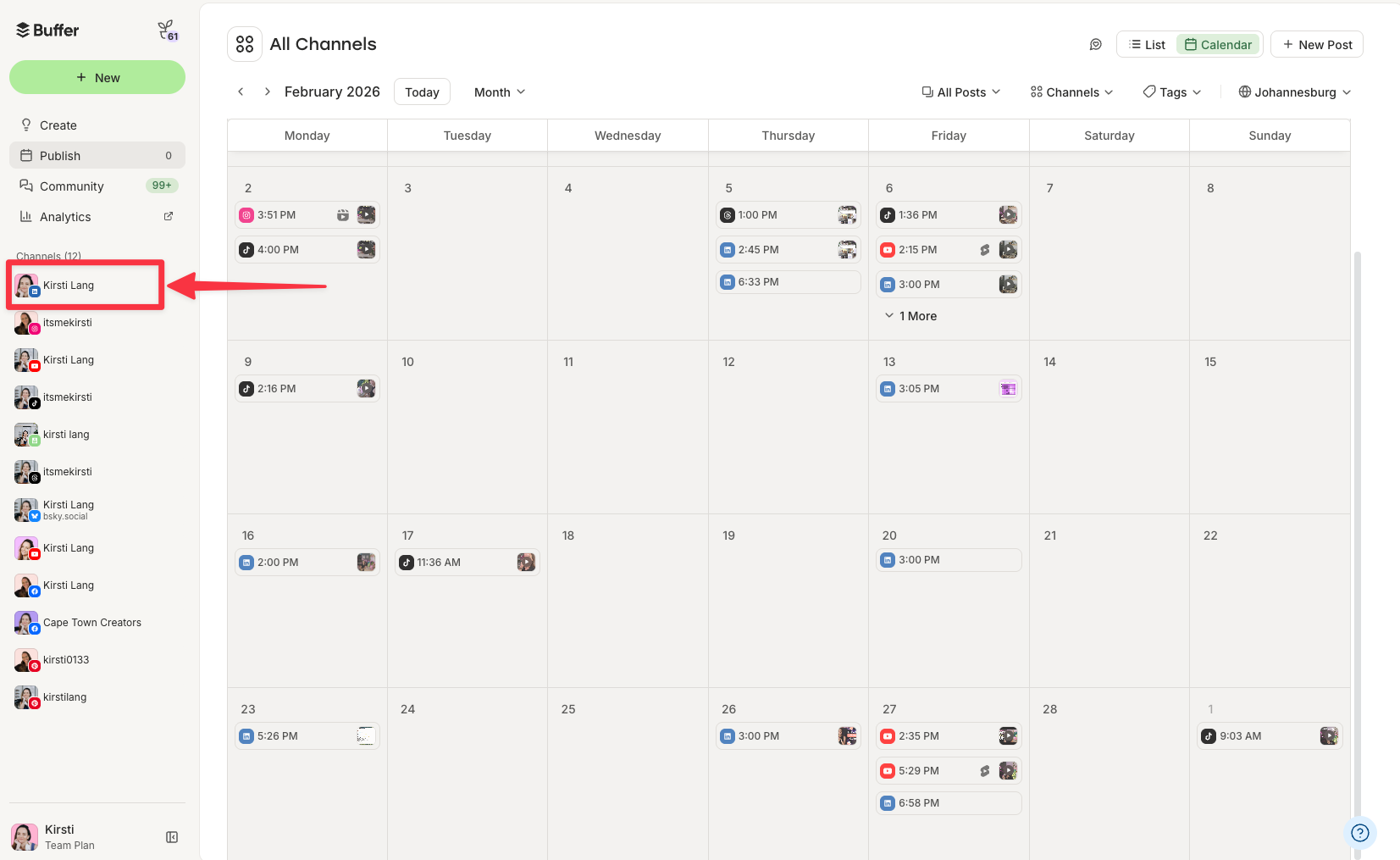
- Analytics Integration: Utilizing native platform metrics alongside specialized third-party management tools allows administrators to track precise publication timestamps against performance metrics over extended periods, illuminating localized user behavior trends.
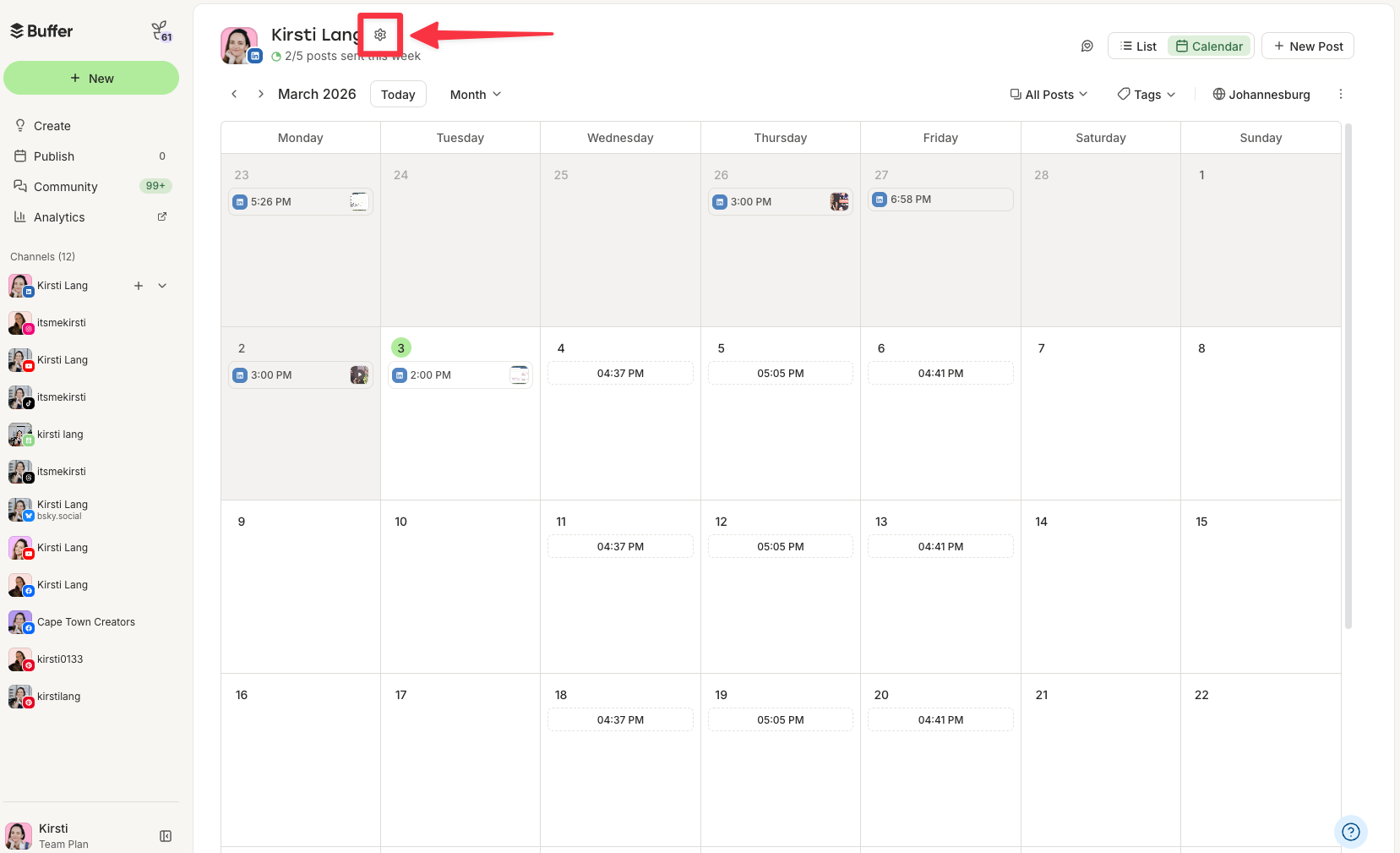
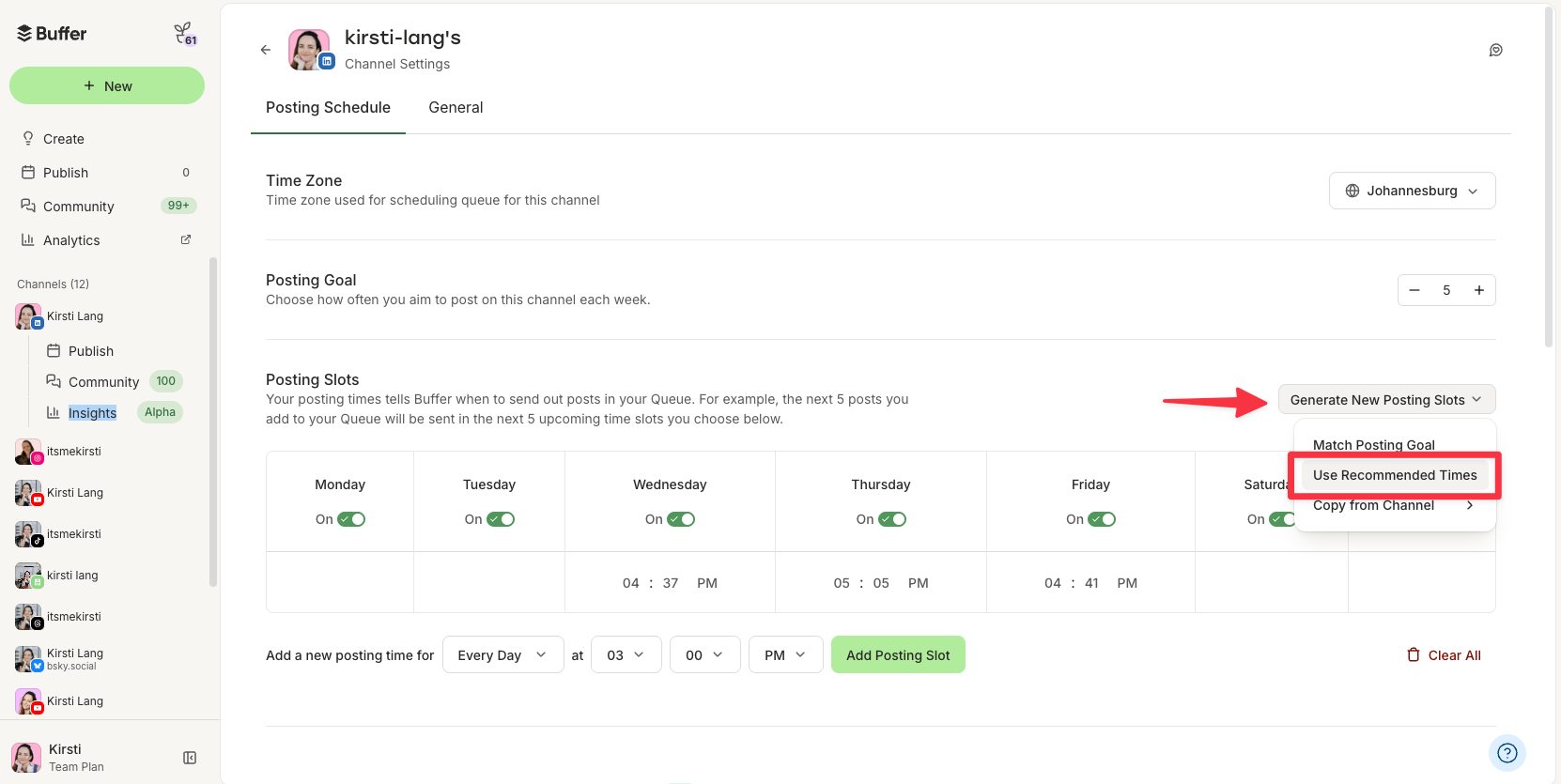
Ultimately, while automated scheduling tools can streamline the implementation of high-engagement time slots—automatically populating queues based on aggregated research—sustained success on professional platforms remains tethered to content relevance, strategic consistency, and a clear understanding of targeted professional communities.