 Angie Faith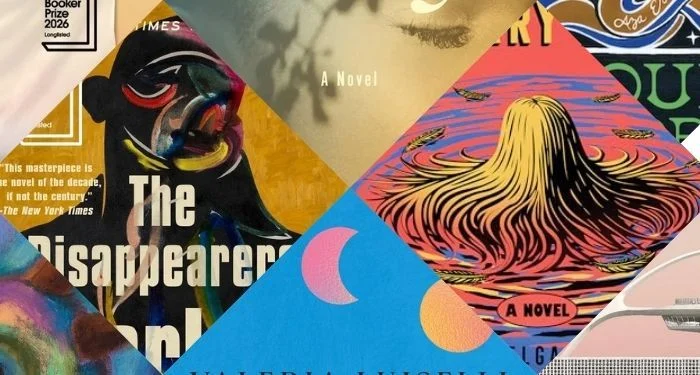
The literary world has turned its attention to the final installment of this year’s longlist announcements, as the National Book Foundation officially unveiled the ten titles contending for the 2026 National Book Award for Fiction. This announcement completes a week-long rollout of prestigious longlists spanning five distinct categories, establishing the foundational stepping stones toward one of the most anticipated nights on the cultural calendar. The Fiction longlist, selected by a distinguished panel of judges comprising Matt Bell, Caro De Robertis, Danielle King, Akhil Sharma, and Diane Wilson, bridges the gap between celebrated literary masters and exciting new voices, spotlighting two debut works alongside six authors who have previously received recognition from the National Book Foundation.
Among the prominent nominees are recipients of prestigious fellowships from the MacArthur and Guggenheim foundations, signaling a high concentration of artistic rigor across the selected texts. Readers and critics alike have already gravitated toward standout entries, such as Marlon James’s newly released and rapidly sold-out queer epic, The Disappearers, alongside Louise Erdrich’s inventive collection of human and nonhuman short stories titled Python’s Kiss. Also earning a coveted spot is Hannah Lillith Assadi—recognized previously as a 2018 "5 Under 35" honoree—whose novel Paradiso 17 explores a poignant Palestinian journey to find home.
The Complete 2026 Fiction Longlist
The ten selected works represent a diverse cross-section of contemporary storytelling, exploring complex themes of identity, geography, and human connection:
- Paradiso 17 by Hannah Lillith Assadi (Knopf)
- Red Ants: Stories by Kimberly Blaeser (Counterpoint)
- Dèy by Edwidge Danticat (Random House Large Print)
- Pretend You’re Dead and I Carry You by Julián Delgado Lopera (Liveright)
- Python’s Kiss by Louise Erdrich (Harper Perennial)
- The Disappearers by Marlon James (Riverhead Books)
- Beginning Middle End by Valeria Luiselli (Random House Large Print)
- Passengers by Alexander Maksik (Europa Editions)
- The Renovation by Kenan Orhan (Picador)
- Mad Eden by Morgan Thomas (Picador)
Historical Context and Evolution of the Award
Established in 1936 by the American Booksellers Association, the National Book Award has weathered nearly a century of shifting cultural landscapes to cement its status as one of the highest literary honors in the United States. Following a temporary hiatus during World War II, the awards were successfully revived in 1950 through a collaborative effort of various book industry organizations.
Decades later, stewardship of the prize transitioned to the National Book Foundation. The Foundation broadened the mandate of the awards, steering the organization not only toward celebrating exceptional artistic achievement, but also toward ensuring that the selected books resonate meaningfully with readers across the country.
The scope of the awards is strictly defined: eligible books must be written by United States authors and published within the country. The current structure encompasses five categories: Fiction, Nonfiction, Poetry, Translated Literature, and Young People’s Literature. A major structural shift occurred in 2013 when the Foundation introduced the ten-title longlist format for each category, offering a broader platform for acclaimed literature before narrowing the field to finalists.
The 2026 Awards Timeline
The release of the longlists follows a carefully calibrated annual schedule designed to build sustained momentum across the autumn publishing season:
- September 15 and Subsequent Days: The National Book Foundation rolls out its longlists across all five categories. The Young People’s Literature, Translated Literature, Nonfiction, and Poetry longlists were unveiled sequentially, culminating in today’s announcement of the Fiction longlist.
- October: The ten-title longlists in each category will be narrowed down to a competitive shortlist of five finalists.
- November: The National Book Award Ceremony and Dinner will take place, during which the ultimate winners will be announced.
Financial and prestige incentives accompanying the prize remain significant within the publishing industry. Each of the finalists who makes the shortlist takes home a prize of $1,000. Meanwhile, the eventual winner in each of the five categories receives a cash award of $10,000 alongside a commemorative bronze sculpture designed to honor their contribution to American letters.
Industry Implications and Market Impact
The unveiling of the National Book Award longlists carries immediate economic and cultural consequences for publishers, booksellers, and authors alike. Inclusion on the longlist functions as a powerful catalyst for sales, frequently breathing new life into titles or accelerating anticipation for newly released and forthcoming books. As demonstrated by Marlon James’s The Disappearers, which sold out shortly after its longlist designation, the imprimatur of the National Book Foundation instantly drives consumer demand and elevates authors within the national literary discourse.
Furthermore, the inclusion of translated literature, poetry, and young people’s literature alongside mainstream fiction underscores the Foundation’s ongoing commitment to literary diversity. By highlighting debut authors alongside MacArthur and Guggenheim fellows, the longlists validate both established literary institutions and emerging talent, offering independent publishers and major houses alike an equal platform for national visibility. As the awards season progresses toward the October shortlists and the ultimate November gala, the literary community will continue to monitor how these ten fiction works capture the zeitgeist of contemporary American storytelling.