The digital marketing landscape is experiencing a fundamental structural shift, moving away from traditional keyword-driven search engine optimization (SEO) toward Answer Engine Optimization (AEO). For CAT Electric Vision, a boutique Romanian supplier specializing in earthing and lightning surge protection equipment, this transformation began entirely by accident. Operating in a niche industrial market traditionally reliant on word-of-mouth referrals, returning enterprise accounts, and periodic burst-mode content campaigns, the three-year-old firm suddenly found itself organically cited within emerging generative search engines like Perplexity and ChatGPT. This unexpected digital footprint prompted a close relative and generalist content marketer to investigate the underlying mechanics of AI visibility. By leveraging modern content automation tools, the firm transformed an accidental online appearance into a systematic, weekly content pipeline designed to capture professional B2B queries across major AI platforms.
The genesis of this automated workflow dates back to early exploratory exercises conducted within an AirOps automation training course. During standard prompt testing across ChatGPT, Perplexity, and Google AI Overviews, the marketer noticed that queries regarding lightning protection in Eastern Europe frequently surfaced CAT Electric Vision in Perplexity’s synthesized answers, while ChatGPT relegated the brand to a buried citation link. Recognizing that the firm possessed over a decade of combined team expertise in electrical engineering, compliance, and industrial safety, the marketer hypothesized that a systematic approach to AEO could significantly amplify the company’s digital reach across multiple AI answer engines. Rather than relying on sporadic, manual content creation—which historically suffered from long periods of inactivity between business booms—the team sought a scalable architecture to consistently feed search engines the technical data they favor.
To understand why this strategy holds immense potential for a technical firm, one must examine the broader data regarding AI search citations. Industry research indicates that generative platforms rely heavily on authoritative, community-driven, and professional platforms for their answers. According to a comprehensive visibility study by Semrush, LinkedIn functions as the second-most-cited source across ChatGPT Search, Google AI Mode, and Perplexity, appearing in approximately 11% of all evaluated AI responses. Furthermore, specialized data from Profound reveals that LinkedIn is the single most cited domain for professional queries across all six major artificial intelligence platforms, including Gemini and Microsoft Copilot. Given that CAT Electric Vision’s primary target audience consists of professional electrical engineers, building contractors, and commercial real estate developers, optimizing content specifically for professional networks became an operational imperative. Additional research by Scrunch highlights that technical details increase the probability of an AI citation by 77%, while named entities boost odds by 33%, aligning perfectly with the firm’s deep engineering background.
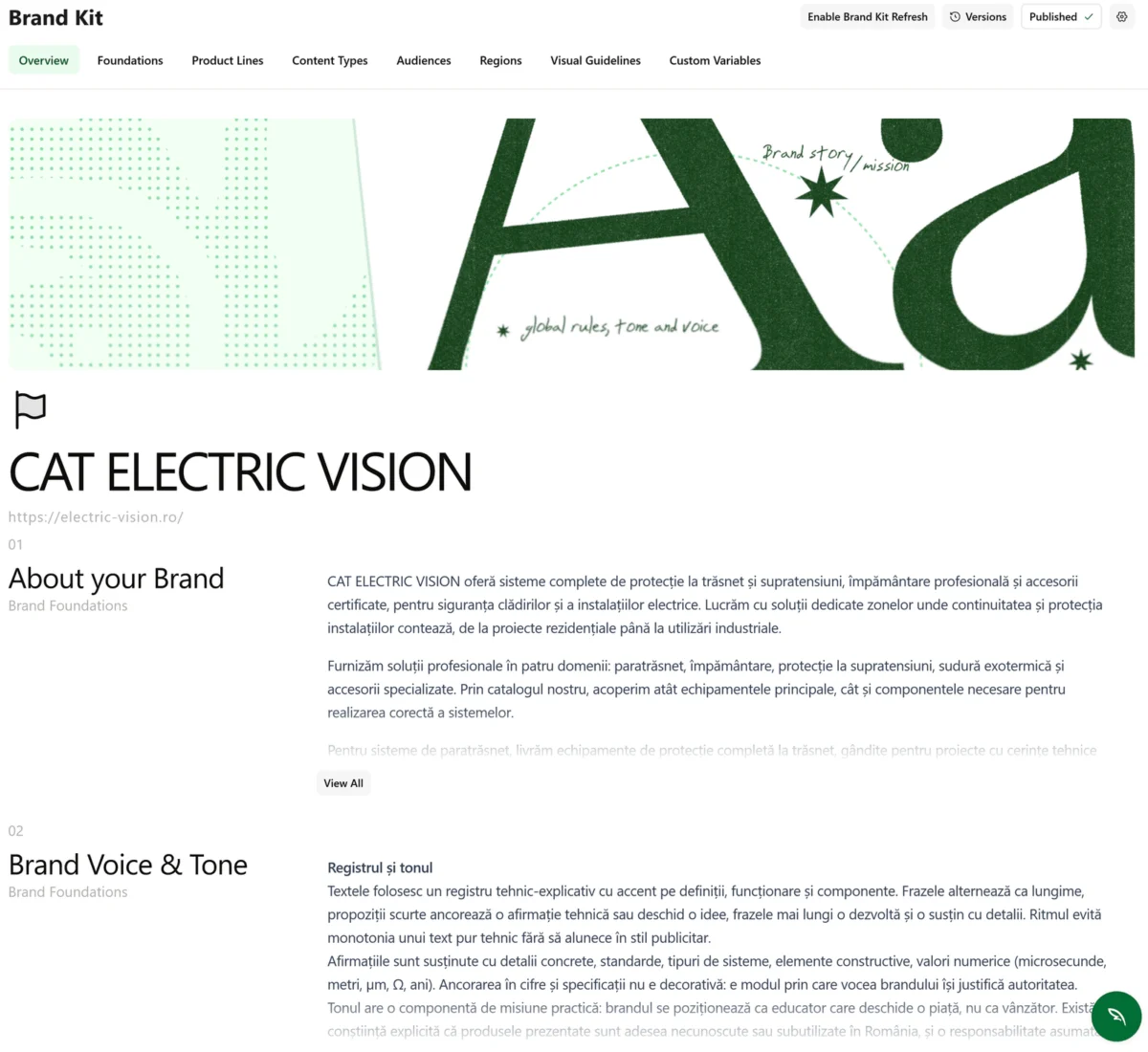
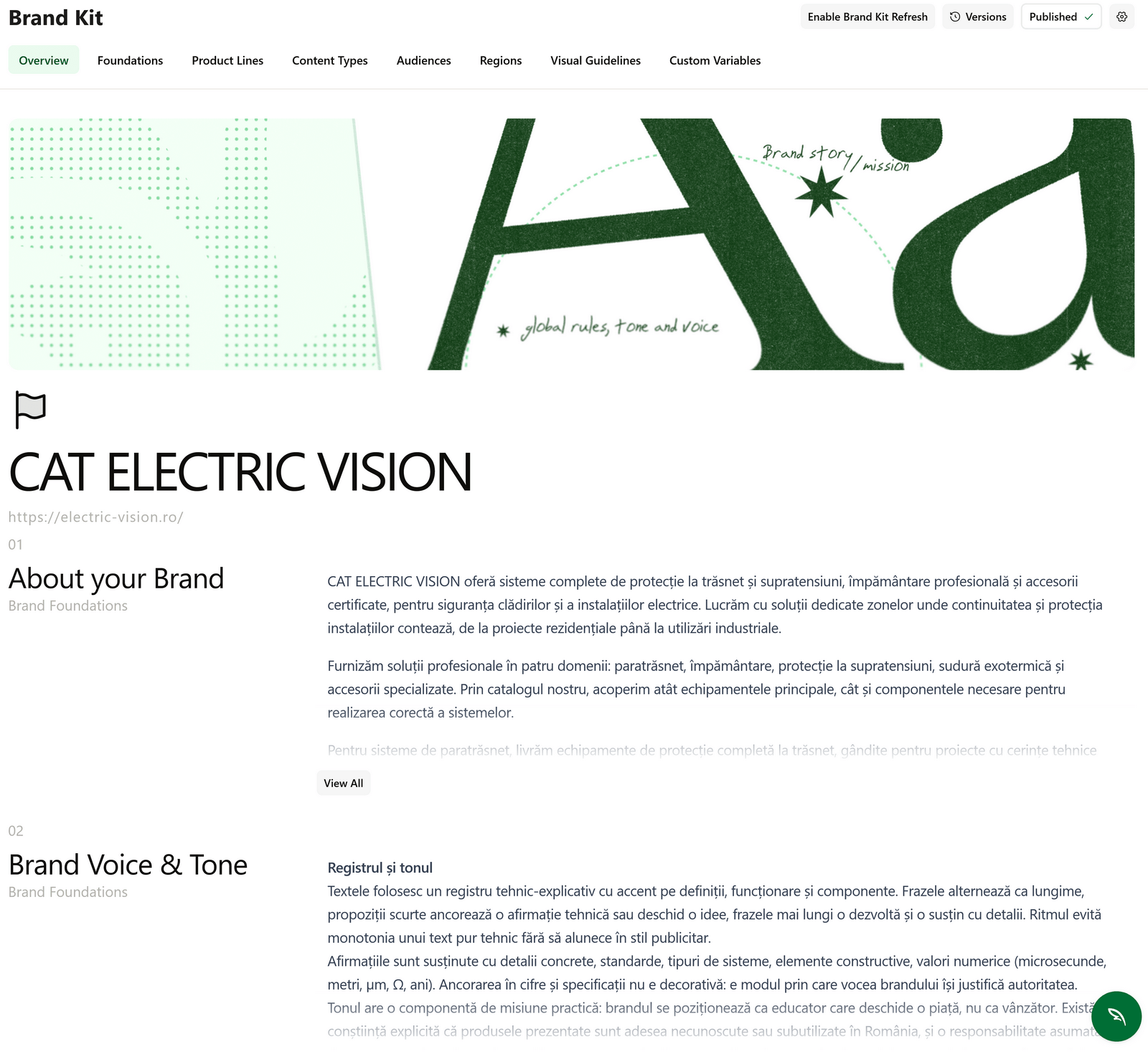
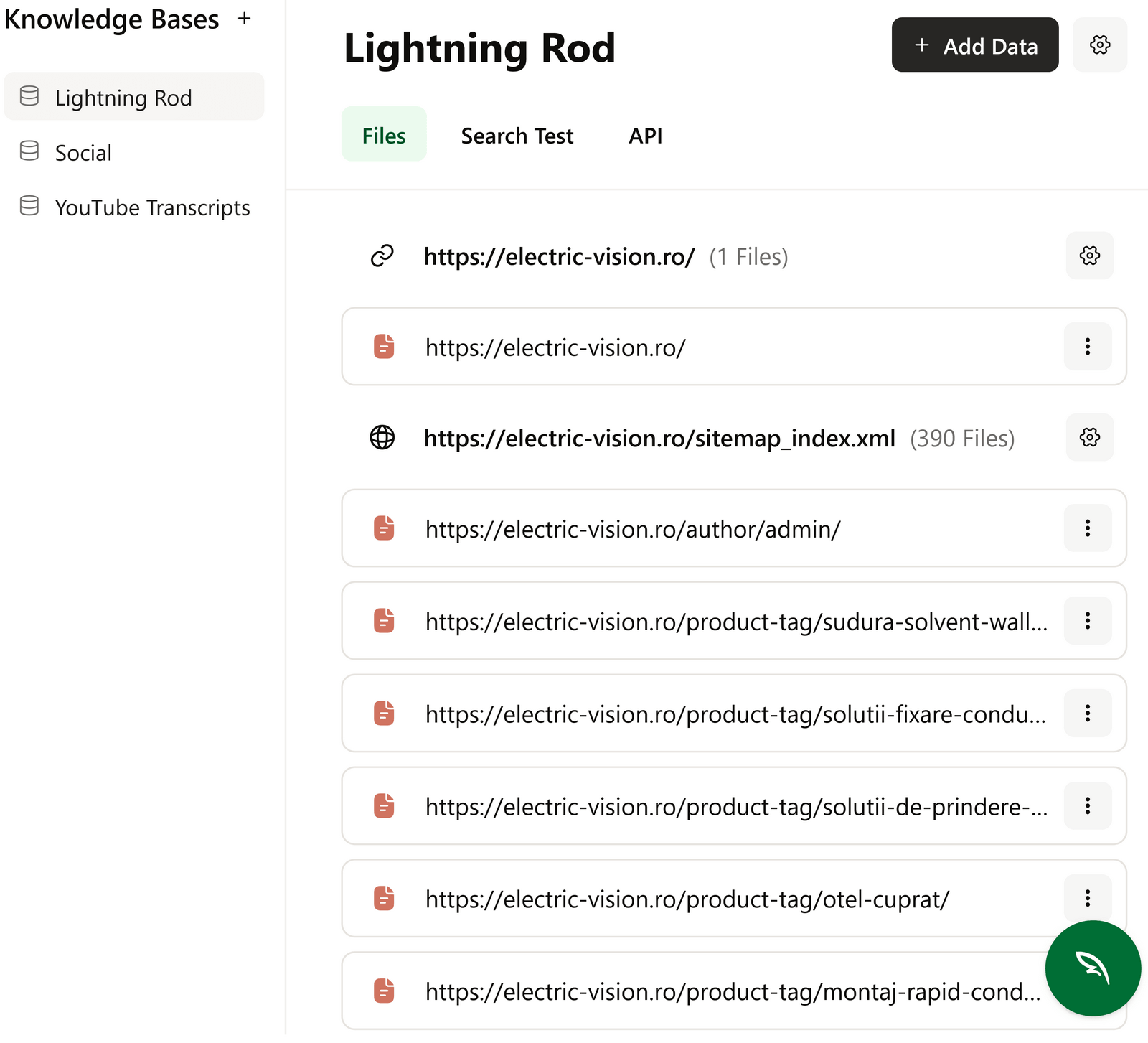
Faced with a need for a streamlined operational architecture without enterprise-level overhead, the marketer developed a four-tier technology stack. At the core of the orchestration layer is AirOps, utilized alongside its conversational AI assistant, Quill, which enabled the rapid prototyping of automation workflows without requiring advanced software engineering skills. AirOps acts as the central repository for the company’s proprietary data, housing a comprehensive Brand Kit and extensive Knowledge Bases populated by 390 legacy product pages, historical social media posts, and transcripts from technical YouTube videos. For visibility intelligence, the system integrates Peec AI, a Germany-headquartered analytics platform capable of parsing regional markets and non-English languages—a crucial requirement for tracking Romanian-language queries where traditional enterprise visibility tools often fall short. Finally, Buffer serves as both the engagement analytics provider and the editorial home, utilizing its API to ingest structured content briefs directly into a Kanban-style editorial board. This integration ensures that human writers and company executives can review, edit, and schedule posts without needing direct access to the underlying automation pipeline.
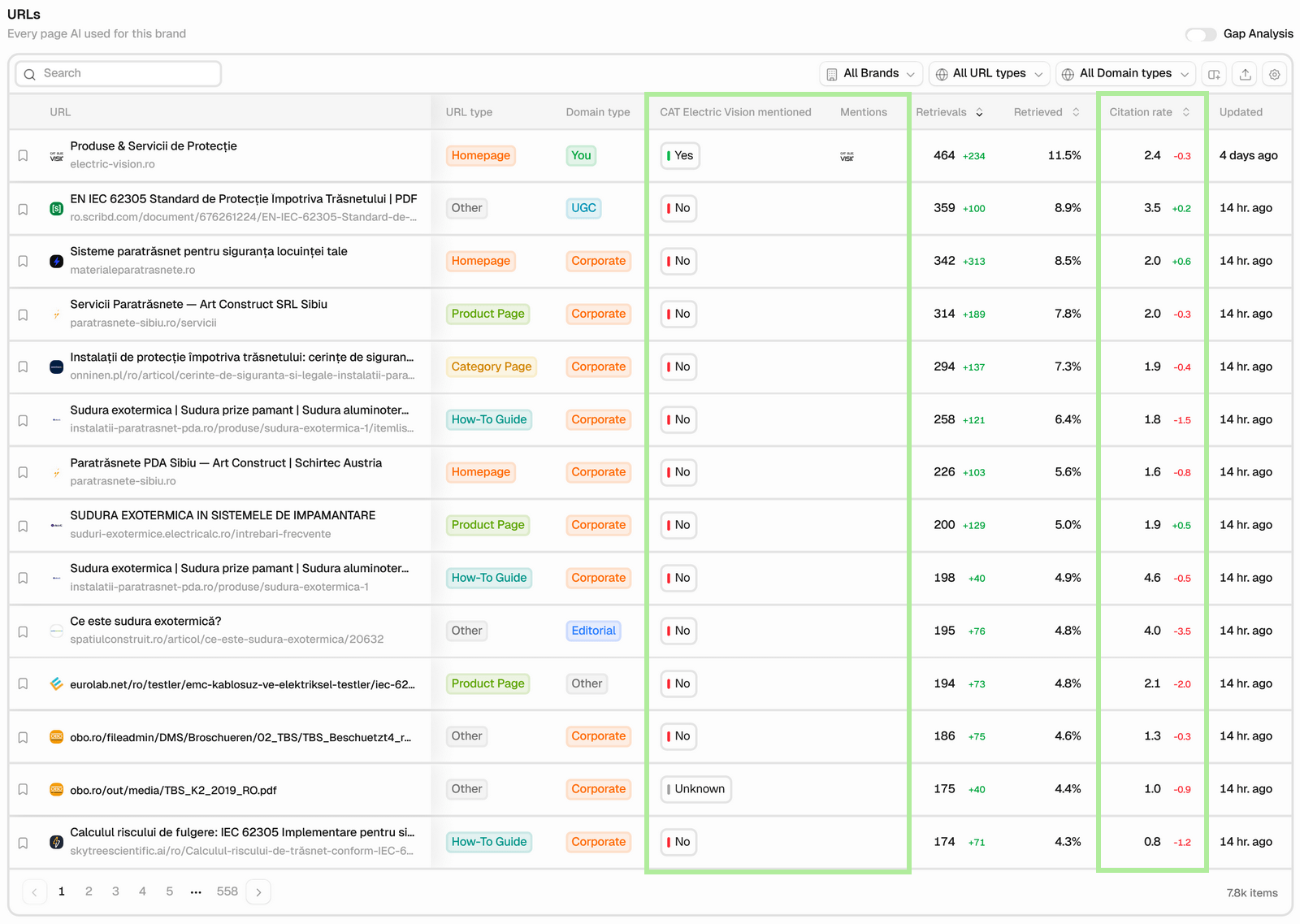
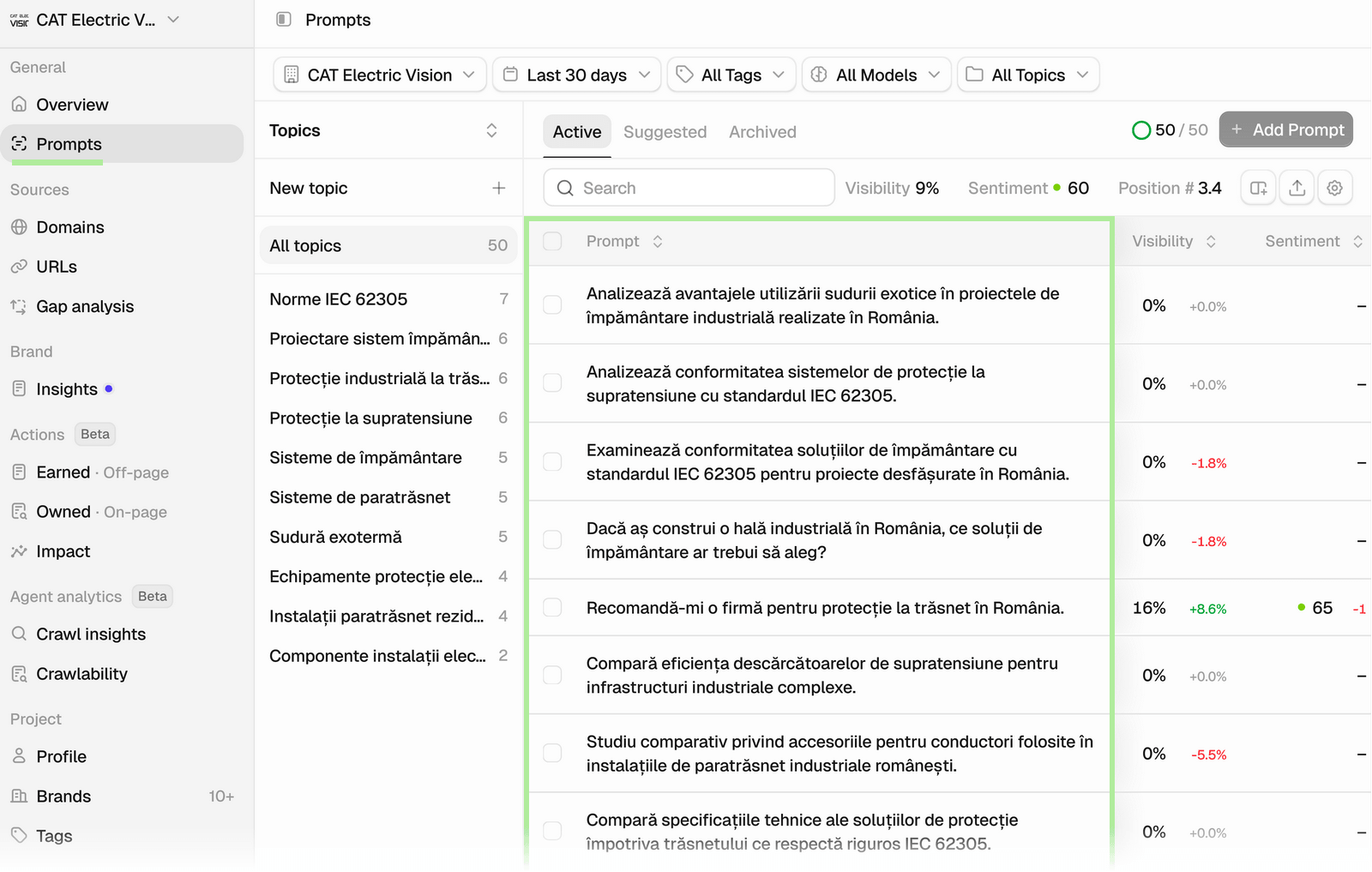
The automated content loop executes on a strict weekly schedule, operating through a meticulous four-step sequence designed to minimize redundant work and maximize topical relevance. In the initial phase, the AirOps Playbook agent interfaces with the Buffer API to audit existing drafts, scheduled queue items, and historical performance metrics. By extracting impressions, reactions, reach, and comments from previously published LinkedIn material, the system identifies high-performing content archetypes to inform subsequent cycles. In the second phase, the agent polls Peec AI using an authentication token to retrieve comprehensive prompt data, including search volume, sentiment, and competitive positioning. Peec tracks designated industry queries on a daily basis across ChatGPT, Perplexity, and Google AI Overviews, categorizing prompts with zero or declining brand visibility as critical content gaps. Step three evaluates these visibility gaps against the company’s internal Knowledge Bases. The AI agent cross-references the required topics with the firm’s historical product data and engineering transcripts to ensure that every generated idea is backed by credible, verifiable material. Surviving prompts are mathematically ranked based on search volume, gap magnitude, evidentiary support, and competitor dominance, yielding a curated list of top-priority subjects. These subjects are then synthesized with the brand’s core persona guidelines to produce comprehensive, writer-ready briefs containing distinct angles, target audience parameters, and source documentation. In the final step, these briefs are automatically pushed via API to Buffer’s Kanban dashboard, where human editors review and approve them for publication. Once a post goes live, the loop closes as the system subsequently monitors future engagement metrics and tracks whether the brand’s visibility score improves for the targeted query.
While the automation pipeline is still in its early deployment phases, tangible operational changes are already apparent within the organization. Content ideation bottlenecks have been effectively eliminated; instead of stalling during the initial brainstorming phase, structured, data-backed briefs arrive autonomously in the editorial workflow, significantly reducing the cognitive load on human writers. Furthermore, the initiative has successfully altered executive perceptions regarding digital marketing. Company leadership, previously consumed by complex European Union regulatory compliance and traditional email marketing campaigns, has formally integrated AI search visibility into its strategic priorities. Interestingly, preliminary data from Peec AI indicated minor upward shifts in brand visibility for several tracked prompts even before the newly generated posts went live—a reminder to marketers that AI answer engines are dynamic ecosystems influenced by broader web dynamics rather than single publishing events alone.
The broader implications of this automation build extend well beyond a single Romanian industrial supplier, offering a scalable blueprint for small- and medium-sized enterprises (SMEs) operating in specialized B2B markets. As generative search engines increasingly supplant traditional keyword-based results pages, businesses must adapt their digital visibility strategies to feed AI models with authoritative, structured, and technically rich data. Industry analysts note that companies failing to optimize for answer engines risk complete obscurity in high-intent professional queries, where AI models synthesize single definitive recommendations rather than presenting pages of competing links. By democratizing access to enterprise-grade automation tools—such as conversational AI orchestrators, localized visibility trackers, and API-driven editorial dashboards—small businesses can systematically close their visibility gaps without dedicating excessive human capital to manual data collection. As AI search continues to mature, the integration of automated audit loops and structured content pipelines will likely transition from an experimental marketing tactic to a fundamental requirement for commercial competitiveness.