
 Ali Ikhwan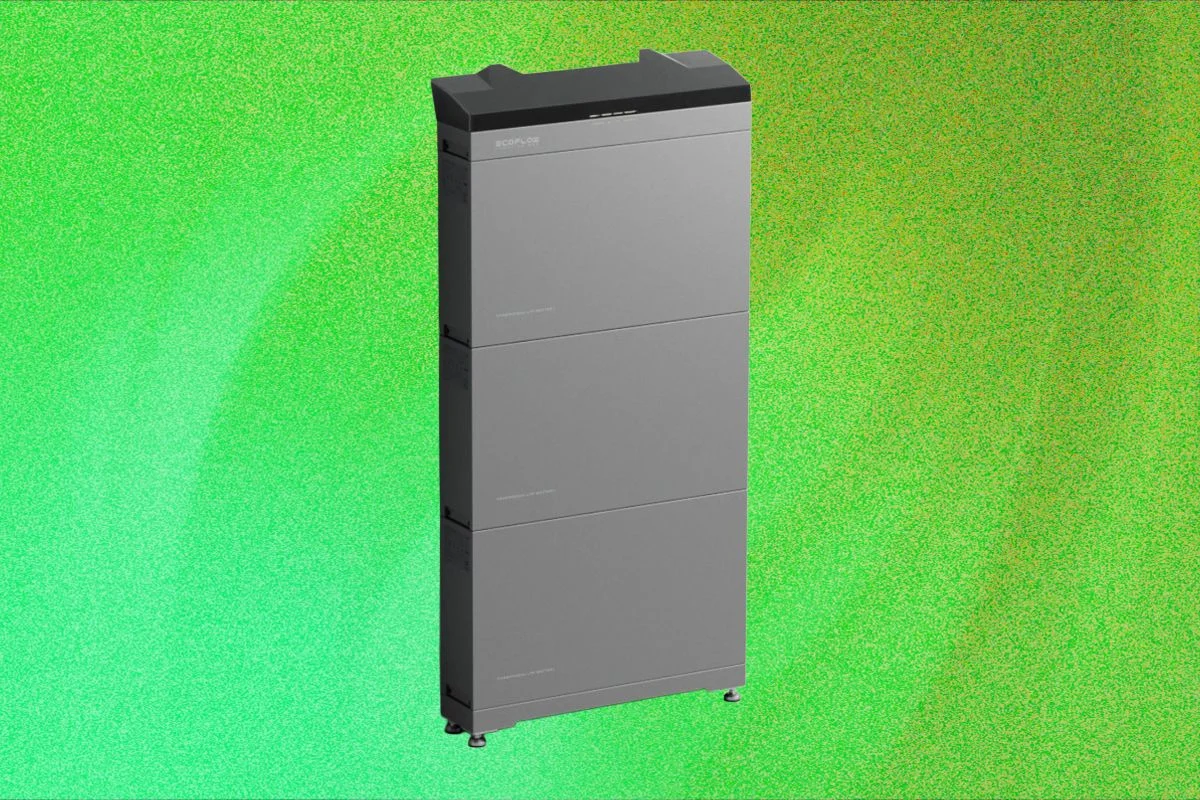
The transition toward decentralized energy systems has accelerated significantly across the United Kingdom and North America, driven by the increasing adoption of electric vehicles (EVs), air-source heat pumps, and solar photovoltaic (PV) arrays. Central to this transition is the emergence of residential battery energy storage systems (BESS), which allow homeowners to manage load profiles, reduce energy costs through time-of-use (ToU) tariffs, and provide critical support to the national grid during peak demand periods. A prominent example of this technology is the EcoFlow PowerOcean system, a modular home battery solution designed to bridge the gap between traditional utility reliance and modern energy independence.
Infrastructure Prerequisites and Regulatory Frameworks
Implementing a high-capacity residential battery system is not merely a "plug-and-play" endeavor; it requires a comprehensive assessment of existing electrical infrastructure and adherence to regional regulatory standards. In the United Kingdom, specifically in Scotland, homeowners must engage with their local Distribution Network Operator (DNO). The DNO is responsible for the mid-level infrastructure that carries electricity from the high-voltage transmission grid to individual properties. In the United States, this role is filled by electric distribution utilities or local distribution companies (LDCs).
The integration of a BESS often necessitates a "cut-out" upgrade. The cut-out is the point where the service cable enters the property and meets the main fuse. For households adding high-draw appliances—such as EV chargers (typically 7 kW) and air-source heat pumps—the standard 60-amp or 80-amp fuse may be insufficient. Upgrading to a 100-amp fuse ensures the system can handle the simultaneous charging of a battery and the operation of heavy electrical loads without risking thermal failure or fuse rupture.
Data from UK network operators suggests that while many infrastructure upgrades are provided at no direct cost to the consumer to encourage decarbonization, the administrative timeline can vary. Approval for "G98" or "G99" applications—the technical standards for connecting generation equipment to the grid—can take anywhere from ten working days to several months, depending on the local grid’s existing capacity and the complexity of the installation.
Technical Specifications of the EcoFlow PowerOcean
The EcoFlow PowerOcean represents a shift toward modularity in the home energy sector. Unlike monolithic battery units, the PowerOcean utilizes a stackable design where each battery pack provides 5 kWh of storage. The system is expandable up to 45 kWh, allowing homeowners to scale their storage capacity based on seasonal energy needs or future additions like solar panels.
A critical component of the system is the hybrid inverter. In the case of a 6-kW configuration, the inverter serves as the "brain," managing the conversion of Direct Current (DC) from the batteries or solar panels into Alternating Current (AC) for home use. The hybrid nature of the inverter is particularly significant for "solar-ready" installations; it eliminates the need for a separate solar inverter, thereby reducing conversion losses and installation complexity.
Physically, the PowerOcean is designed for spatial efficiency and environmental resilience. With a depth of 188 millimeters (approximately 7.5 inches), it maintains a low profile, suitable for installation in garages, basements, or even external walls. The unit features a sleek gray metallic finish and is rated for weather resistance. However, technical analysis indicates that battery performance is highly sensitive to ambient temperature. To mitigate this, the PowerOcean includes internal heating elements that activate in sub-zero conditions, ensuring that the lithium iron phosphate (LFP) cells maintain optimal charge and discharge rates during winter months.

The Installation Process and Professional Oversight
The complexity of high-voltage DC systems necessitates professional installation by certified technicians. In the UK market, companies such as the Greener Energy Group have become pivotal in executing these transitions. The process typically begins with a comprehensive site visit to determine the optimal location for the battery and inverter, ensuring proximity to the main consumer unit (fuse board) to minimize voltage drop across cabling.
Installation generally involves:
- Mounting: Securing the base and stacking the modular battery units.
- Cabling: Running heavy-gauge armored cables from the battery location to the main electrical panel.
- Integration: Installing a smart meter or current transformer (CT) clamps to monitor real-time energy flow.
- Commissioning: Configuring the software and ensuring the system communicates correctly with the homeowner’s smartphone application.
Industry experts emphasize the importance of "shopping around" for installers. Reviews and multiple quotes are standard recommendations, as installation costs can fluctuate based on the age of the property’s wiring and the distance between the battery and the grid connection point.
Economic Viability and Time-of-Use Tariffs
The primary driver for residential battery adoption, aside from environmental concerns, is the economic advantage provided by smart energy tariffs. In the UK, tariffs such as "Intelligent Octopus Go" have revolutionized the financial model of home storage. These tariffs offer a dual-rate structure: a standard peak rate and a significantly discounted "off-peak" rate (often between 11:30 PM and 5:30 AM).
By configuring the BESS to charge during these off-peak hours, a household can effectively "time-shift" its energy consumption. The battery fills up with cheap electricity overnight and discharges to power the home during the expensive daytime hours. For a family of four with high daytime demand—common in households where residents work from home—this can lead to a reduction in electricity bills by as much as 60% to 80%.
However, capacity planning is vital. Initial user reports suggest that while a 10-kWh system (two 5-kWh modules) provides a substantial buffer, it may fall short for larger families or homes with high-energy appliances. Increasing the capacity to 15 kWh or 20 kWh allows for greater "depth of discharge" (DoD) protection and ensures that the home remains powered by stored energy even during dark winter days when solar gain is minimal.
Chronology of a Typical Implementation
The journey from initial interest to an operational system follows a structured timeline:
- Month 1: Research and Quoting. The homeowner evaluates different hardware (e.g., EcoFlow, Tesla, GivEnergy) and solicits quotes from local installers.
- Month 2: DNO Application. The installer submits the necessary paperwork to the distribution network operator. This is a mandatory step to ensure the local grid can handle the potential export or high-rate import of electricity.
- Month 3: Infrastructure Upgrades. If required, the DNO visits the property to upgrade the main fuse or the service cable.
- Month 4: Installation Day. The physical installation of the battery, inverter, and associated wiring is usually completed within a single working day.
- Month 4 onwards: Optimization. The homeowner uses the integrated app to monitor performance, adjusting charge/discharge schedules based on changing tariff structures or seasonal weather patterns.
Supporting Data and Market Trends
The global residential energy storage market is projected to grow at a Compound Annual Growth Rate (CAGR) of over 15% through 2030. This growth is underpinned by the falling cost of lithium-ion batteries and the increasing frequency of grid instability caused by extreme weather events.

In the UK, the "Smart Export Guarantee" (SEG) further incentivizes battery owners who also have solar panels. While the battery primarily saves money by avoiding expensive imports, any excess solar energy stored in the battery can be sold back to the grid during periods of high demand, creating a secondary revenue stream.
The EcoFlow PowerOcean’s 15-year warranty is an outlier in an industry where 10-year warranties are the standard. This longevity suggests a high level of confidence in the LFP (Lithium Iron Phosphate) chemistry used in the cells. LFP is widely regarded as safer and more durable than the Nickel Manganese Cobalt (NMC) chemistries used in older battery generations, as it is less prone to thermal runaway and can withstand more charge-discharge cycles.
Official Responses and Industry Perspectives
Spokespersons for the renewable energy sector highlight that home batteries are a "win-win" for both consumers and the environment. National Grid ESO (Electricity System Operator) has frequently noted that decentralized storage reduces the need for "peaker plants"—fossil-fuel-burning power stations that only turn on during times of maximum demand.
Manufacturers like EcoFlow emphasize that their goal is to democratize energy. By providing accessible smartphone interfaces, they allow users to see exactly where their energy is going in real-time. This "gamification" of energy saving often leads to more conscious consumption habits, further reducing the carbon footprint of the household.
Broader Impact and Implications
The widespread adoption of systems like the EcoFlow PowerOcean has profound implications for the future of the electrical grid. As more homes become "prosumers" (both producers and consumers of energy), the grid evolves from a one-way street into a dynamic, multidirectional ecosystem.
- Grid Stability: Aggregated home batteries can form "Virtual Power Plants" (VPPs). During a grid frequency drop, thousands of home batteries can simultaneously stop charging or start discharging to stabilize the system.
- Energy Security: In regions prone to power outages, batteries provide a critical backup. The PowerOcean, for instance, can switch to "island mode" during a blackout, keeping essential circuits (like refrigeration and lighting) operational.
- Decarbonization: By allowing homeowners to maximize their use of renewable energy—either from their own solar panels or by charging from the grid when wind power is abundant at night—batteries are a cornerstone of the net-zero strategy.
In conclusion, while the initial hurdles of regulatory approval and infrastructure upgrades may seem daunting, the long-term benefits of modular battery storage are clear. As technology matures and integration becomes more seamless, the residential battery is set to become as standard an appliance as the refrigerator or the washing machine, fundamentally altering the global energy landscape.







