 Angie Faith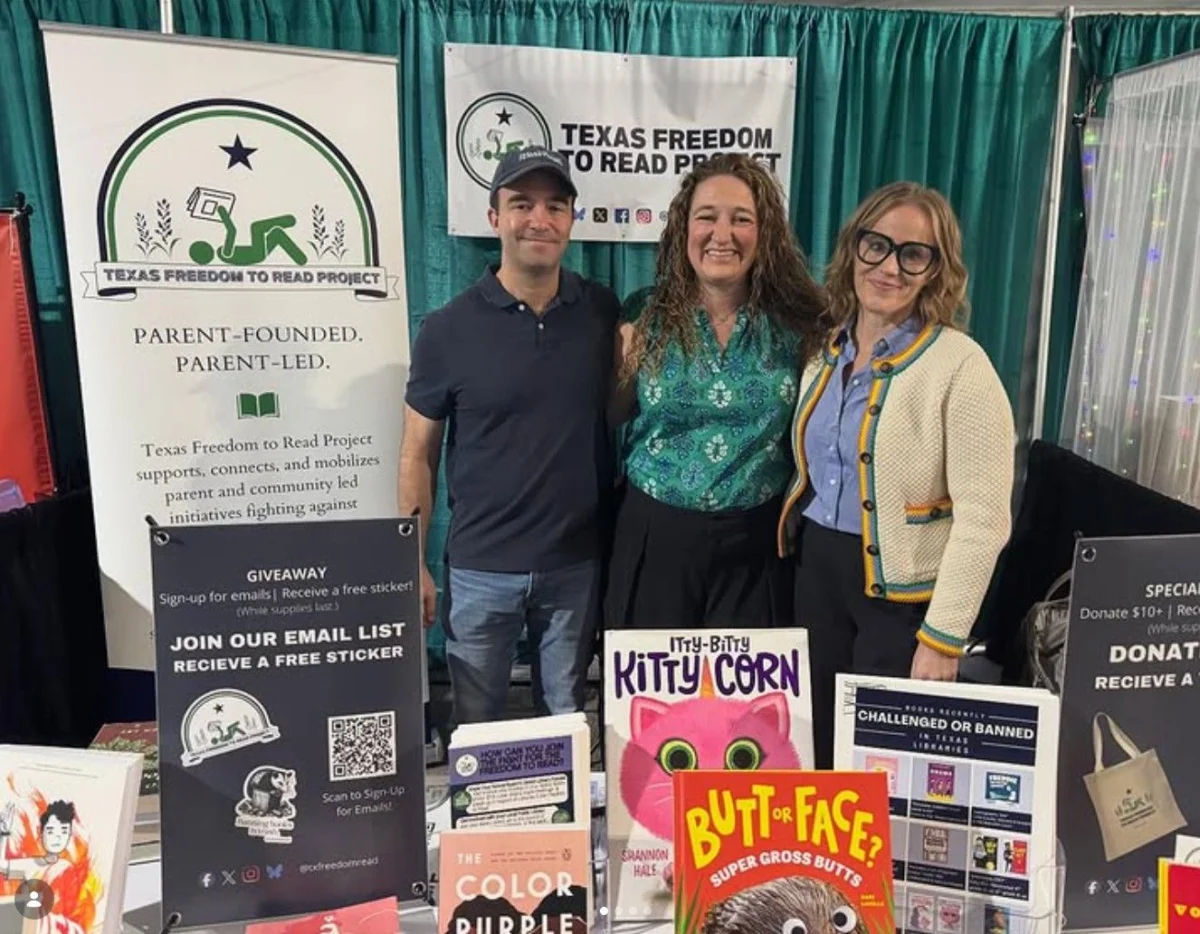
The systematic effort to restrict literature across American public schools and libraries has evolved from a sporadic series of localized complaints into a highly organized, national political movement. What accelerated dramatically in early 2021 during the height of the COVID-19 pandemic has since transformed the landscape of public education, municipal governance, and constitutional law. Driven by coordinated pressure groups, well-funded political institutions, and legislative mandates, the campaign to censor books has fundamentally altered how communities interact with their public institutions, pitting advocates of traditional collection curation against proponents of strict content regulation.
Chronology of a National Movement
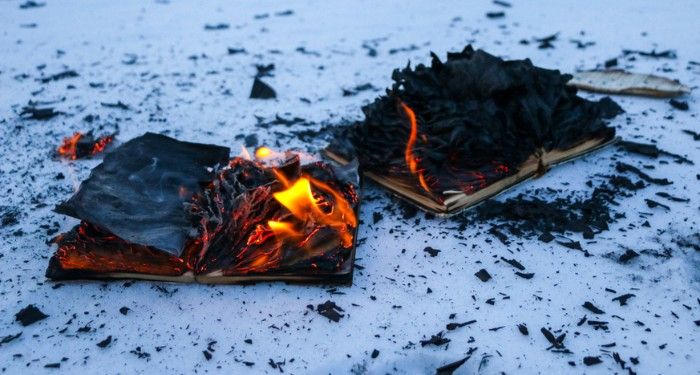
The modern wave of book challenges began taking shape in the spring of 2021, expanding steadily through the summer months before reaching full mobilization by the fall. During this period, school board and library trustees meetings across the United States were flooded by concerned citizens—parents and non-parents alike—protesting what they deemed "inappropriate" content in materials designated for children and teenagers.
A pivotal inflection point occurred in September 2021 during a Fairfax, Virginia, school board meeting. A public comment criticizing the content of Maia Kobabe’s graphic memoir Gender Queer and Jonathan Evison’s novel Lawn Boy was recorded, performed, and widely circulated on social media. This event signaled that local book challenges were no longer isolated incidents of parental concern, but rather components of a broader, synchronized political strategy.
By late 2021 and 2022, highly connected organizations such as Moms for Liberty and No Left Turn in Education emerged as central drivers of these efforts, backed by right-wing institutions. Simultaneously, state-level legislation began to outpace local challenges. Lawmakers in conservative states, notably Texas and Florida, spearheaded legislative efforts to mandate book rating systems, restrict educational content, and implement state-level review boards.
Between 2022 and 2023, the movement saw the targeted takeover of numerous school boards, eventually drawing the attention of federal lawmakers who convened a U.S. Senate Judiciary Committee hearing on book bans in 2023. However, the legislative pendulum also began to swing in the opposite direction. Illinois passed the nation’s first anti-book-ban and freedom-to-read bill, setting a precedent that prompted roughly a dozen other states to introduce or pass similar protective legislation by mid-2026.
National Data and Prevailing Trends
Statistical tracking from major literary and civil rights organizations illustrates the unprecedented scale of contemporary censorship. According to data from the American Library Association’s (ALA) Office of Intellectual Freedom, 5,668 books were banned from libraries, and an additional 920 were restricted through relocation or parental-permission requirements in 2025 alone. This marked the highest number of titles censored in a single year since the ALA began tracking data in 1990.
Dr. Emily Knox, interim dean and professor in the School of Information Sciences at the University of Illinois Urbana-Champaign, emphasizes the systemic vulnerability of decentralized library networks. "Book banning is much more visible across the country," Knox noted, explaining that the local nature of libraries and schools prevents a uniform policy update, leaving individual communities uniquely exposed to outside pressure.
Data from PEN America further highlights the demographic targets of these challenges. Of the 4,235 titles challenged in 2025, approximately 44% targeted characters or people of color, while 39% centered on the experiences of LGBTQ+ individuals. Furthermore, censorship has expanded beyond fiction into nonfiction resources, including histories, biographies, reference books, and science texts, thereby limiting access to factual educational material.
A notable national trend is the shift from individual parental challenges to institutional and political directives. The ALA reported that 92% of book challenges in 2025 were initiated by pressure groups, elected officials, administrators, or institutional boards, with fewer than 3% originating organically from individual parents.
Legislative Actions and Criminalization of Librarians
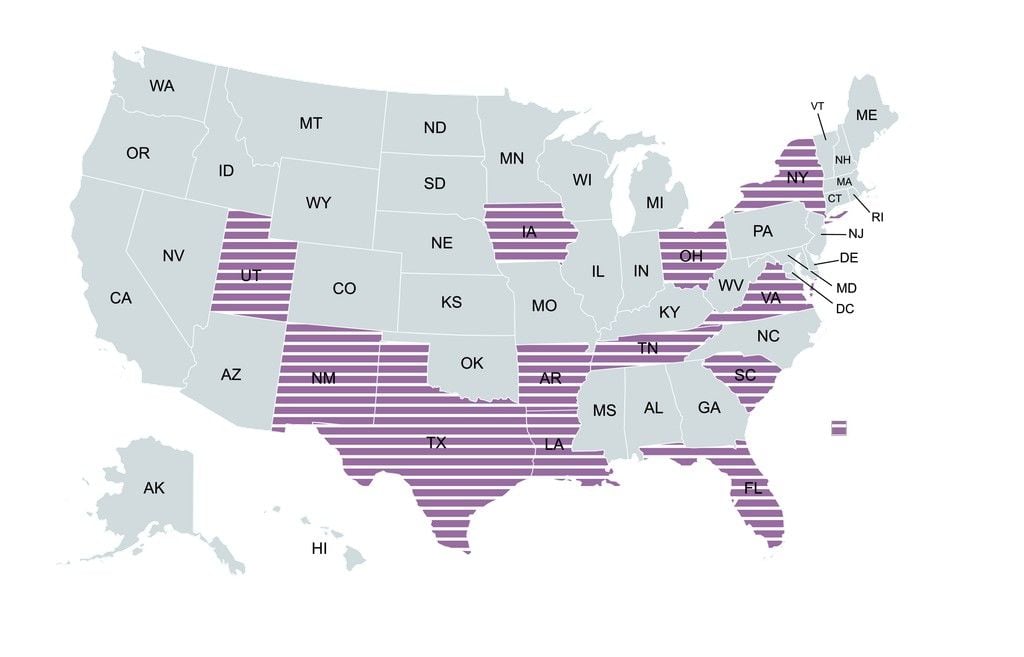
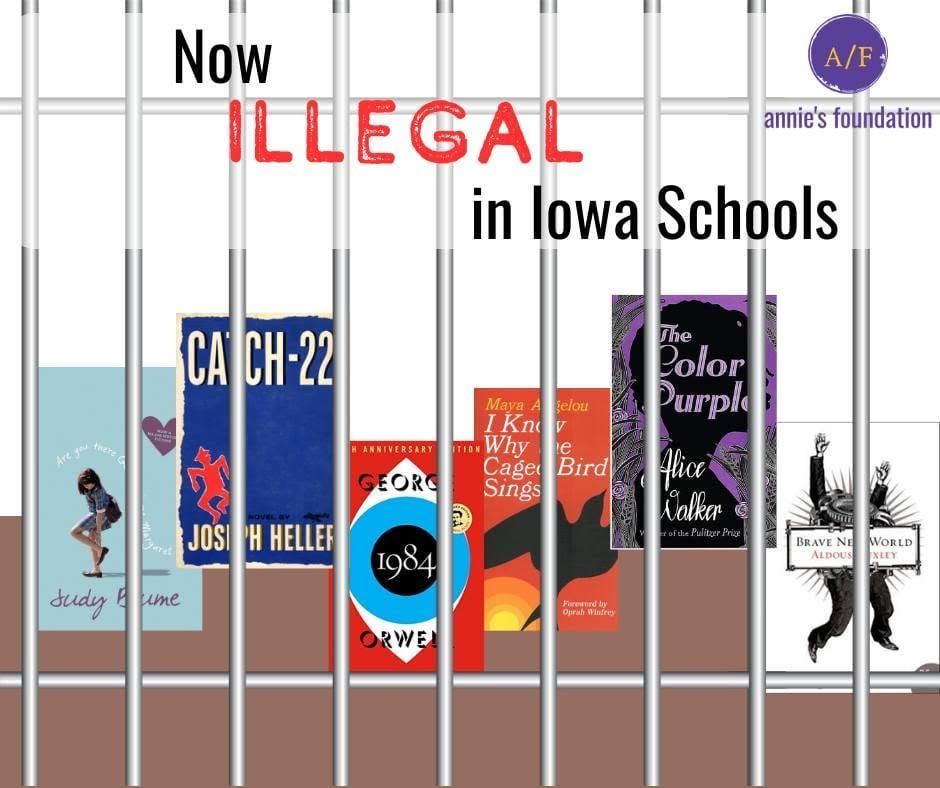
State-level policies have increasingly institutionalized censorship, often introducing severe penalties for educational professionals. Laws such as Arkansas Act 372, Iowa Senate File 496, Texas Senate Bills 12 and 13, and Florida House Bill 1467 have transformed the operational environment for educators.
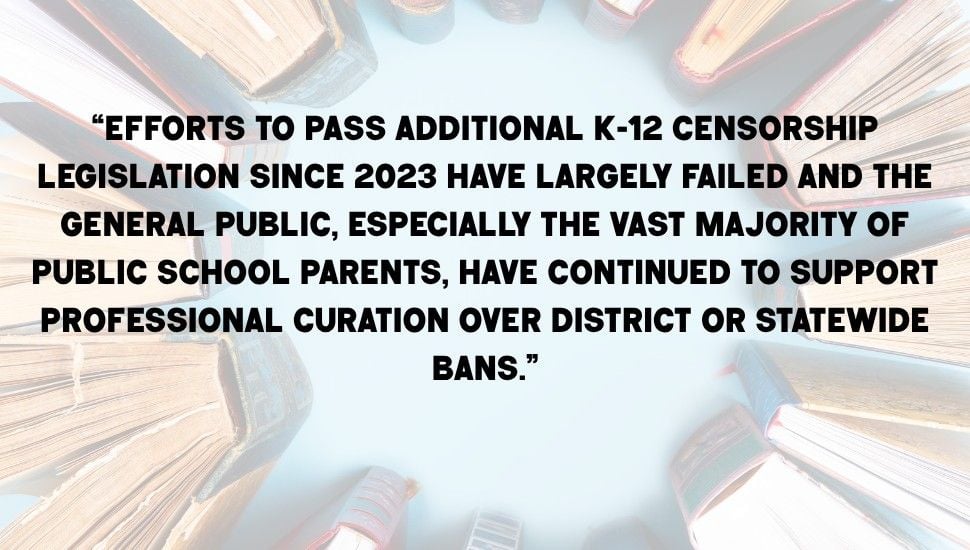
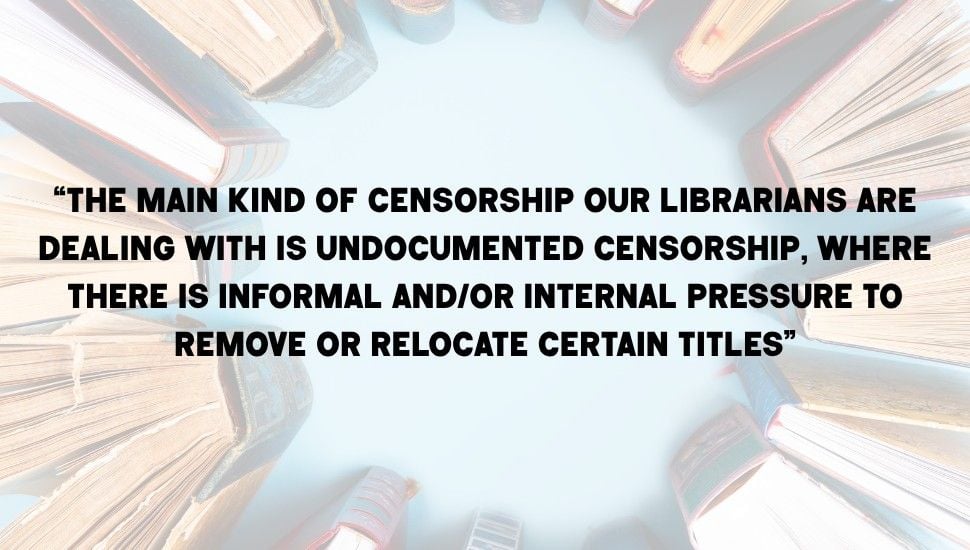
In some jurisdictions, legislation has gone as far as introducing potential jail sentences for librarians whose collections contain materials deemed "harmful for minors." These "librarian criminalization" bills have induced widespread anticipatory obedience—often referred to as "soft censorship"—wherein school and public library staff quietly remove or bypass purchasing controversial titles to avoid legal liability or funding cuts.
To manage these compliance requirements, specialized software and rating systems have emerged. Tools such as BookLooks, developed by Moms for Liberty, alongside other digital commercial indices, have commercialized the compliance market, allowing groups to profit from the chilling effects imposed on public institutions.
Judicial Intervention and Constitutional Implications
The American judicial system has become a primary arena for contesting the legality of book bans. Federal courts have weighed in on significant constitutional questions regarding First Amendment rights in public spaces.
In Mahmoud v. Taylor, parents objected on religious grounds to their children encountering LGBTQ+ materials in classrooms. The courts ultimately favored the plaintiffs, ruling that the lack of explicit parental opt-outs infringed upon religious freedoms—a precedent that advocacy groups have since leveraged to challenge inclusive curricula nationwide.
Conversely, in Little v. Llano County, the U.S. Court of Appeals for the Fifth Circuit ruled that a public library’s removal of contested books was not subject to First Amendment protections. Although the U.S. Supreme Court declined to hear the case, leaving the Fifth Circuit ruling intact, its geographical limitations have not stopped other states from citing the decision to justify content restrictions.
At the federal level, legislative proposals such as H.R. 7661 continue to target "sexually oriented material" for minors, leveraging federal education funding to enforce compliance. Meanwhile, numerous civil rights organizations—including the American Civil Liberties Union (ACLU), publishers, and local taxpayers—have initiated multi-state lawsuits in Colorado, Idaho, Iowa, Florida, and Utah to push back against state-enforced censorship.
Grassroots Mobilization and State-Level Responses
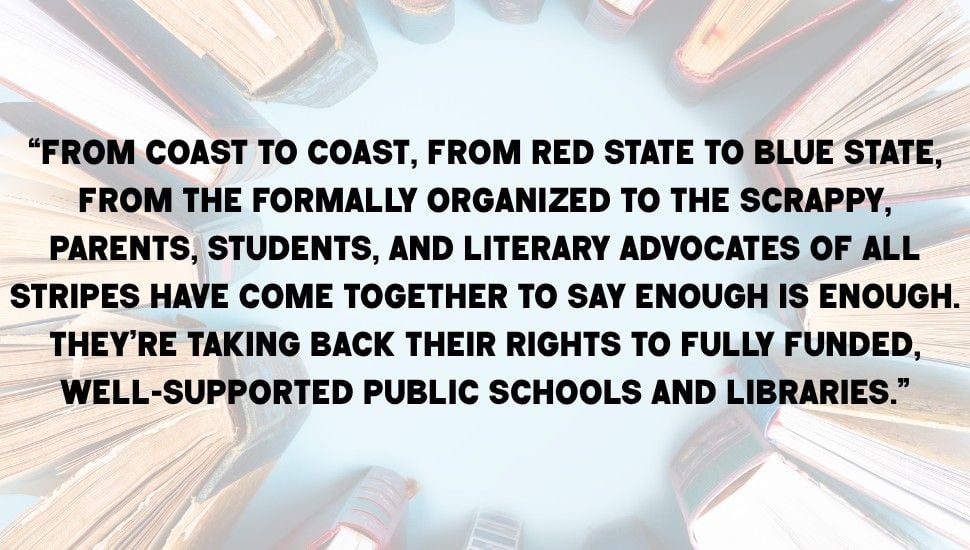
Despite regulatory and legislative headwinds, nationwide resistance has solidified into a durable counter-movement. Parents, students, authors, and librarians have established formal coalitions to defend intellectual freedom and support public institutions.
In states like Florida, organizations such as the Florida Freedom to Read Project have documented the systemic intersections between book bans and efforts to pass universal school voucher programs, arguing that manufactured controversies are utilized to undermine public confidence in public education. Similarly, groups like Annie’s Foundation in Iowa, the Louisiana Citizens Against Censorship, Freedom to Read New Mexico, and the Rutherford County Library Alliance in Tennessee have successfully organized communities, defeated anti-library bills, and provided legal and logistical support to targeted educators.
Furthermore, several displaced librarians have successfully pursued wrongful termination lawsuits against municipal and county boards. High-profile legal settlements involving educators such as Patty Hector in Arkansas, Rhea Young in Texas, and Terri Lesley in Wyoming have underscored the legal liabilities institutions face when violating professional standards and constitutional protections.
Implications for the Future of Public Education
The ongoing conflict over library and classroom materials represents a fundamental debate over the scope of public education, civil liberties, and democratic governance in the United States. While state legislatures and coordinated interest groups continue to push for restrictive mandates, the parallel rise of robust grassroots advocacy networks, legal challenges, and proactive state-level legislation points to a deeply polarized future. As these dynamics play out across federal courts, statehouses, and local school boards, the outcome will significantly determine the accessibility of information and the autonomy of public educational institutions for the next decade.