
 Indra Kusuma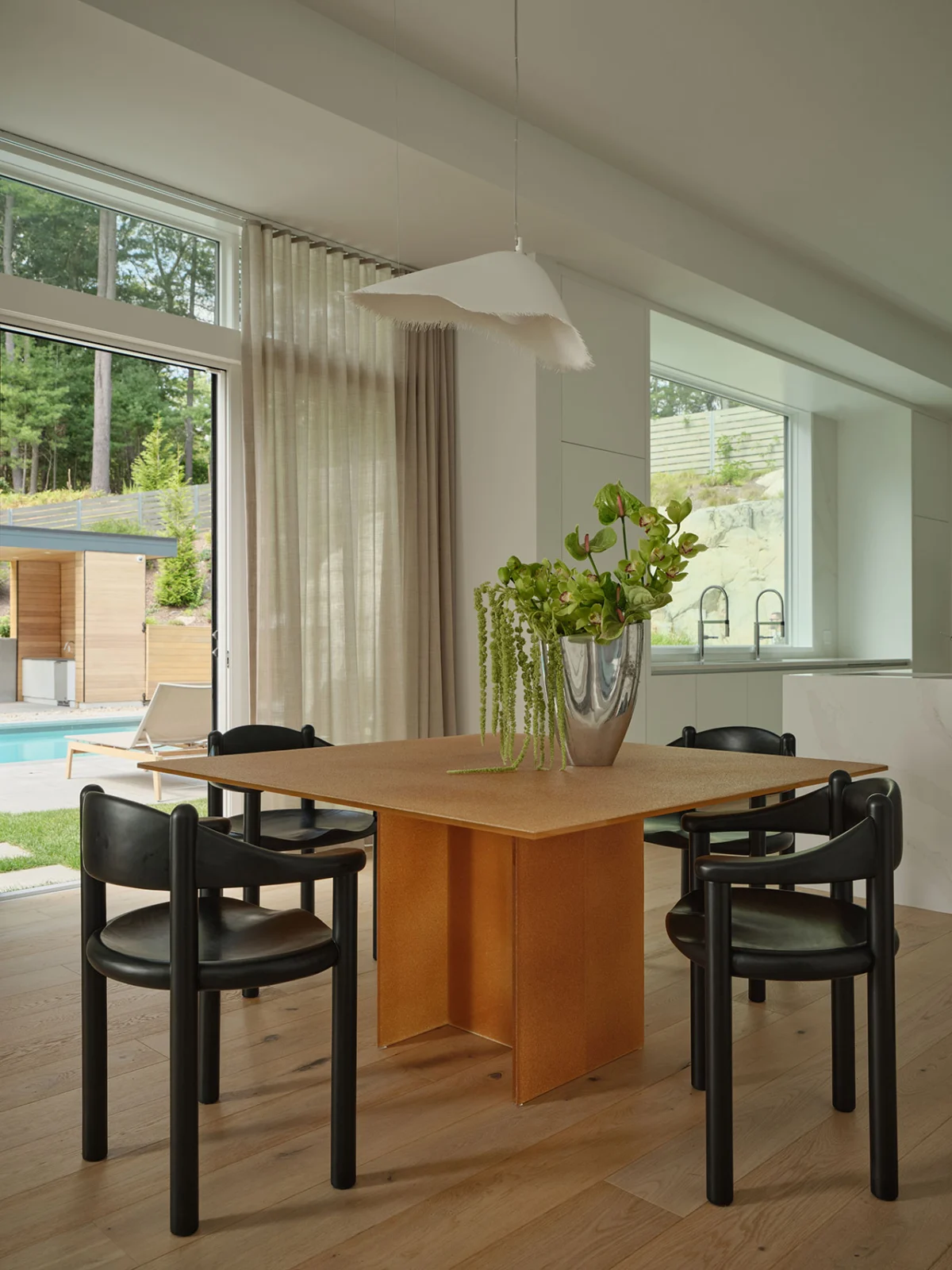
Contemporary new builds, while offering pristine canvases, often present a paradox: their foundational decisions regarding orientation, window placement, ceiling heights, and floor plan boundaries are typically predetermined. For Sashya Thind, Principal Designer and Founder of her eponymous studio, this inherent structure in a 5,900-square-foot residence in Weston, Massachusetts, was not a limitation but a fertile ground for innovation. Thind approached these seemingly fixed architectural conditions as a definitive starting point, leveraging them to craft an interior environment that exudes warmth, worldliness, and a modernist soul, demonstrating a profound understanding of how design can enrich pre-existing frameworks.
Setting the Stage for a Modern Transformation
The Weston residence, commissioned by a young couple, is an expansive six-bedroom home characterized by its open layout, soaring ceilings, and generously proportioned windows that frame the surrounding natural vistas. Unlike conventional approaches that might introduce partitions or rigidly defined rooms to manage such vastness, Thind opted for a more fluid strategy. Her vision was to embrace the home’s inherent openness, creating distinct spatial definitions and atmospheres without resorting to physical barriers. This philosophy underpins the entire project, allowing for an uninterrupted flow that subtly guides occupants through the home while providing clear, functional zones. The challenge was to instill a sense of intimacy and personality within a structure designed for grand scale, a feat Thind achieved through masterful curation and a deep appreciation for materiality and cultural dialogue.
Beyond Architectural Constraints: Thind’s Vision
The prevailing trend in many contemporary new builds often leans towards a sterile uniformity, where architectural decisions prioritize efficiency and market appeal over individual character. This can result in spaces that, while functionally sound, lack a unique identity or a tangible connection to their inhabitants. Thind’s project directly challenges this paradigm. Instead of viewing the pre-set conditions—such as the abundant natural light from the large windows, the dramatic ceiling heights, or the broad floor plan—as rigid constraints, she interpreted them as foundational elements to be amplified and softened. Her design philosophy revolves around the idea that a house, regardless of its newness, should tell a story, evoke emotion, and adapt to the evolving lives of its occupants. This meant moving beyond superficial styling to create environments that invite interaction, reflection, and comfort. The 5,900 square feet were not merely to be filled but to be thoughtfully orchestrated, transforming a modern shell into a vibrant, living space.
The Art of Spatial Definition: Boundaries Without Walls
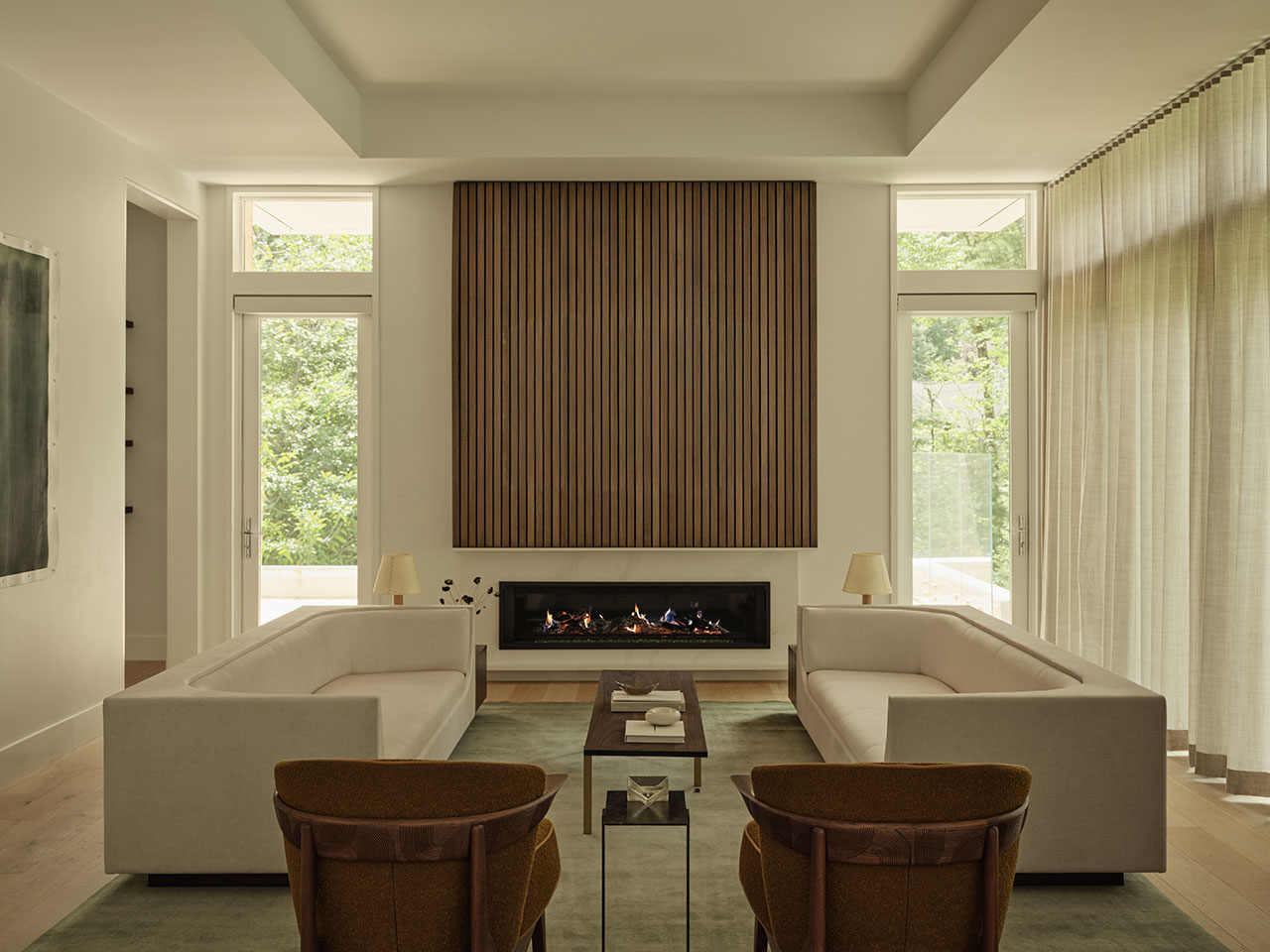
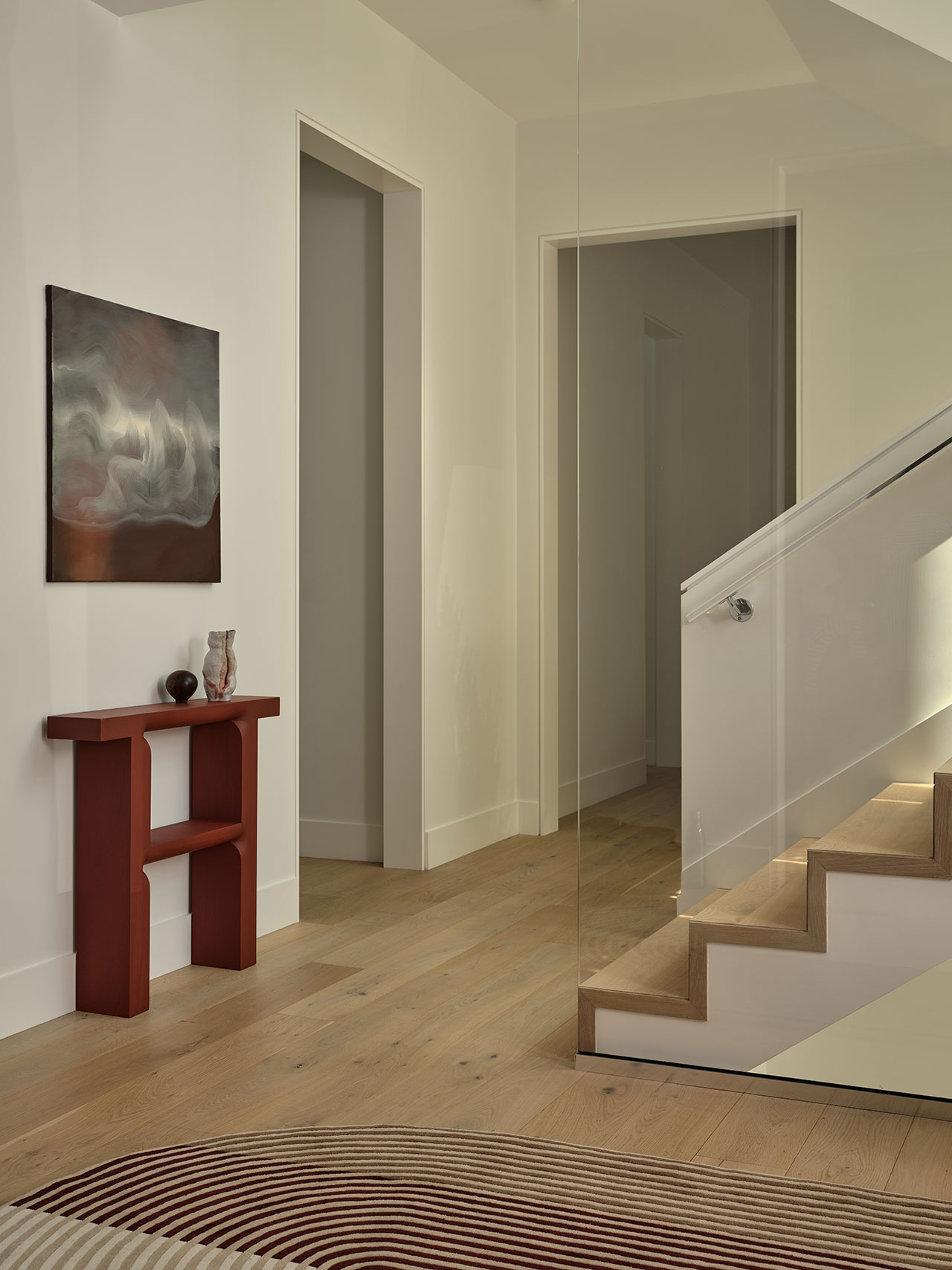
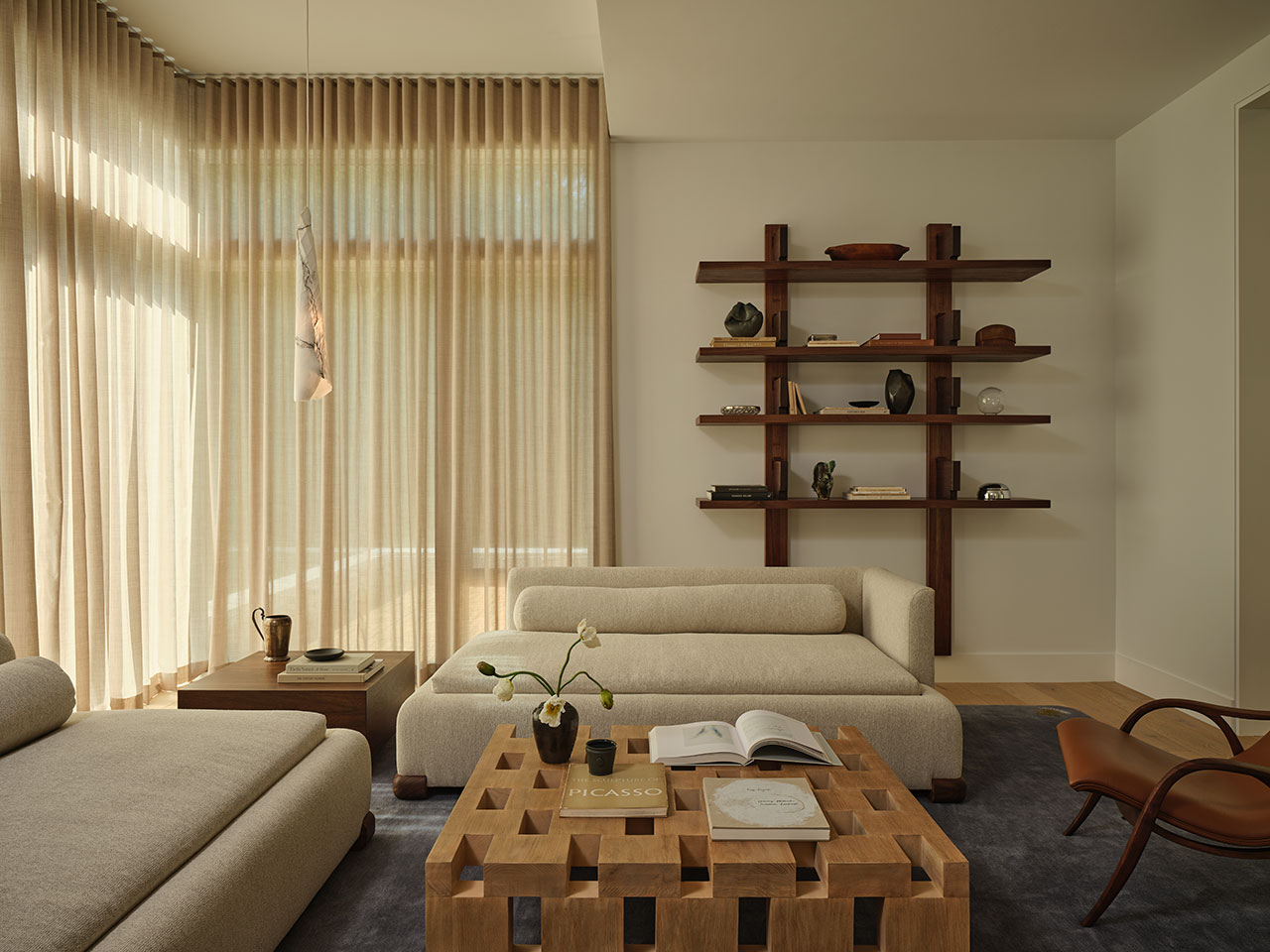
Thind’s innovative approach to spatial definition is a cornerstone of this project. Eschewing contrasting paint colors or overt architectural interventions, she meticulously employed furnishings, rugs, lighting, art, and textiles as subtle yet powerful spatial cues. This method allows the vast open plan to maintain its expansive feel while simultaneously delineating functional areas. For example, strategically placed, saturated rugs define distinct "color worlds" underfoot, anchoring seating arrangements and creating zones for conversation or relaxation within larger rooms. These rugs, varying in texture and hue, provide not only visual warmth but also a tactile boundary that subtly guides movement and designates purpose.
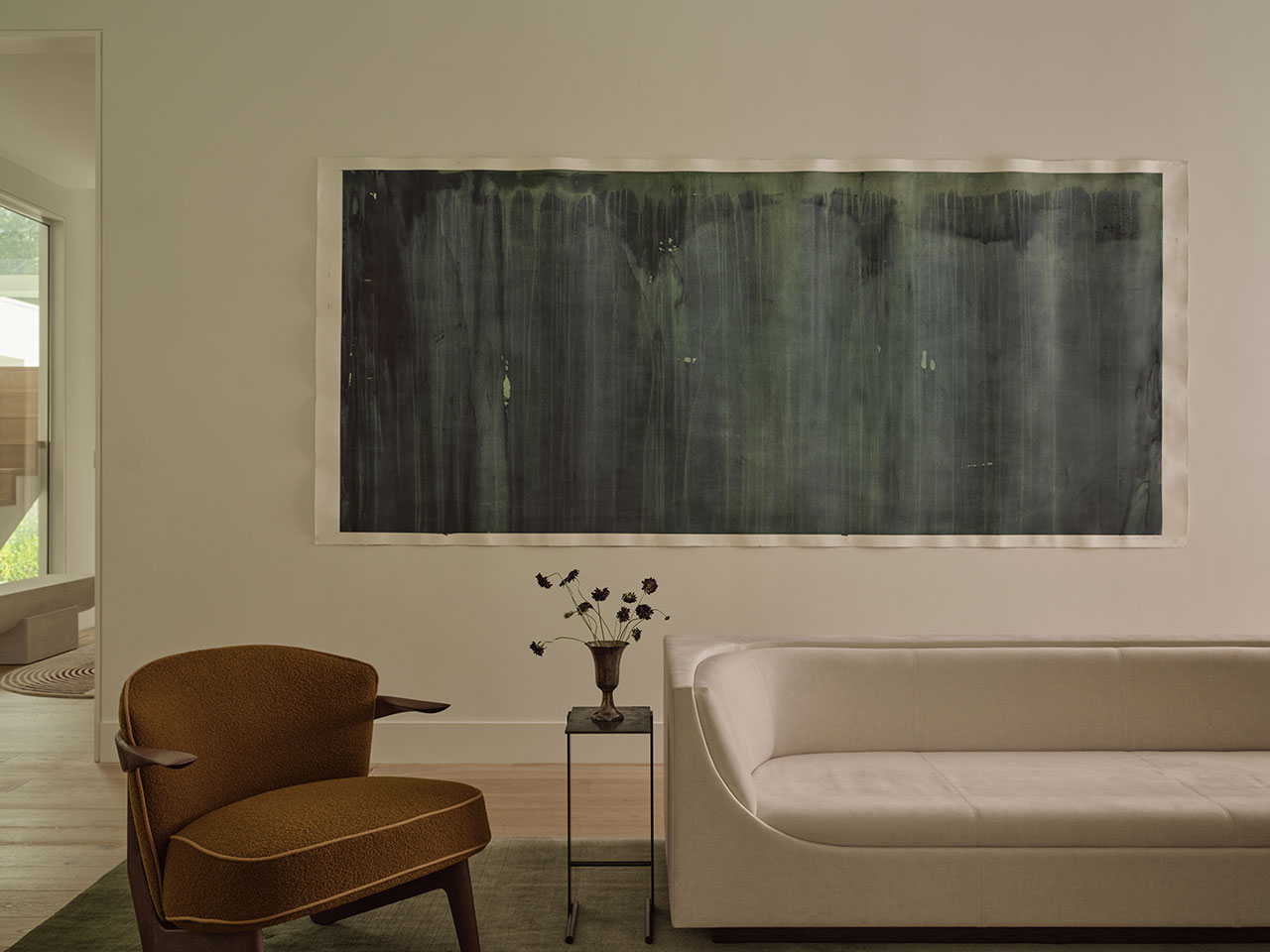
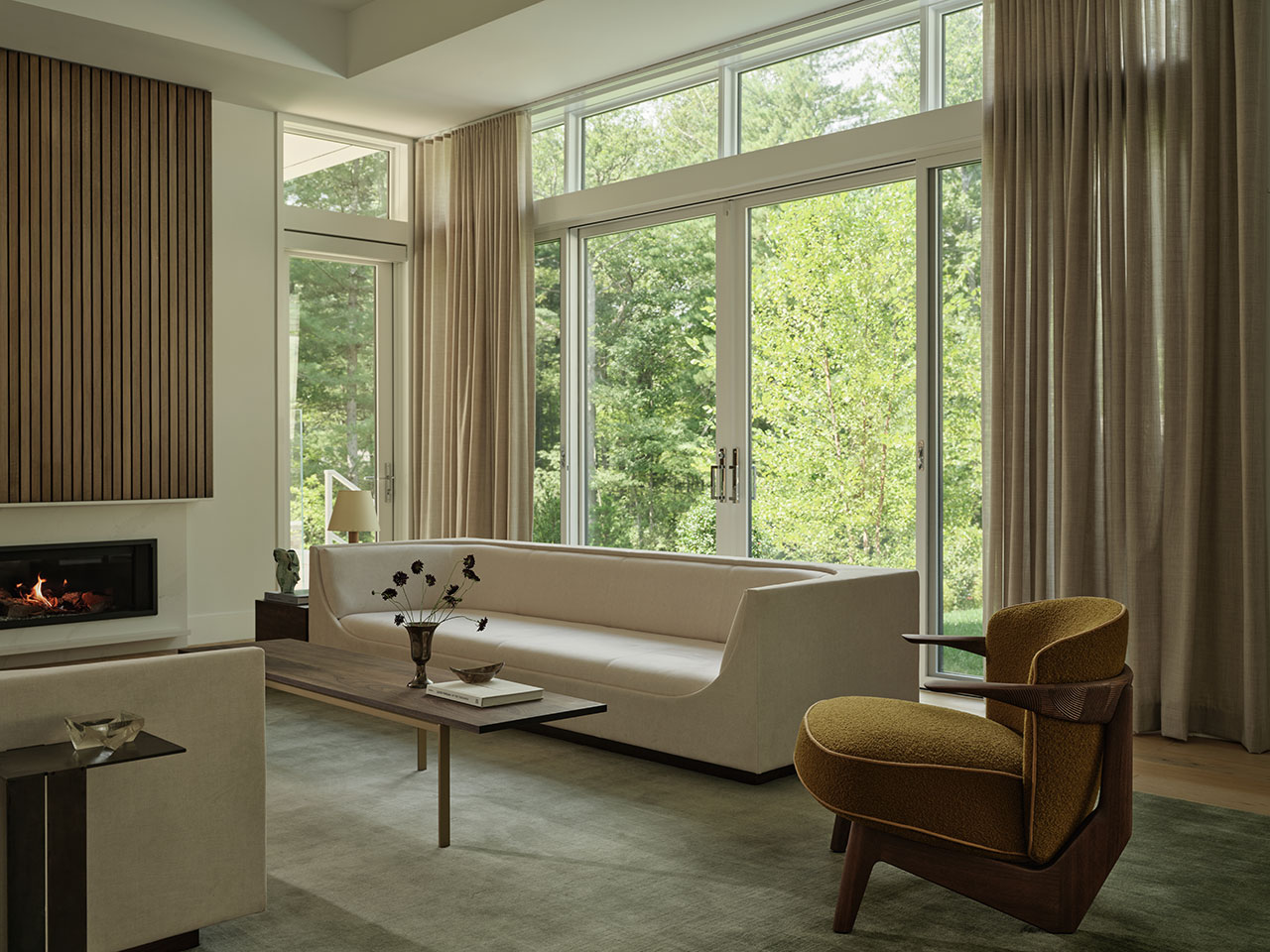
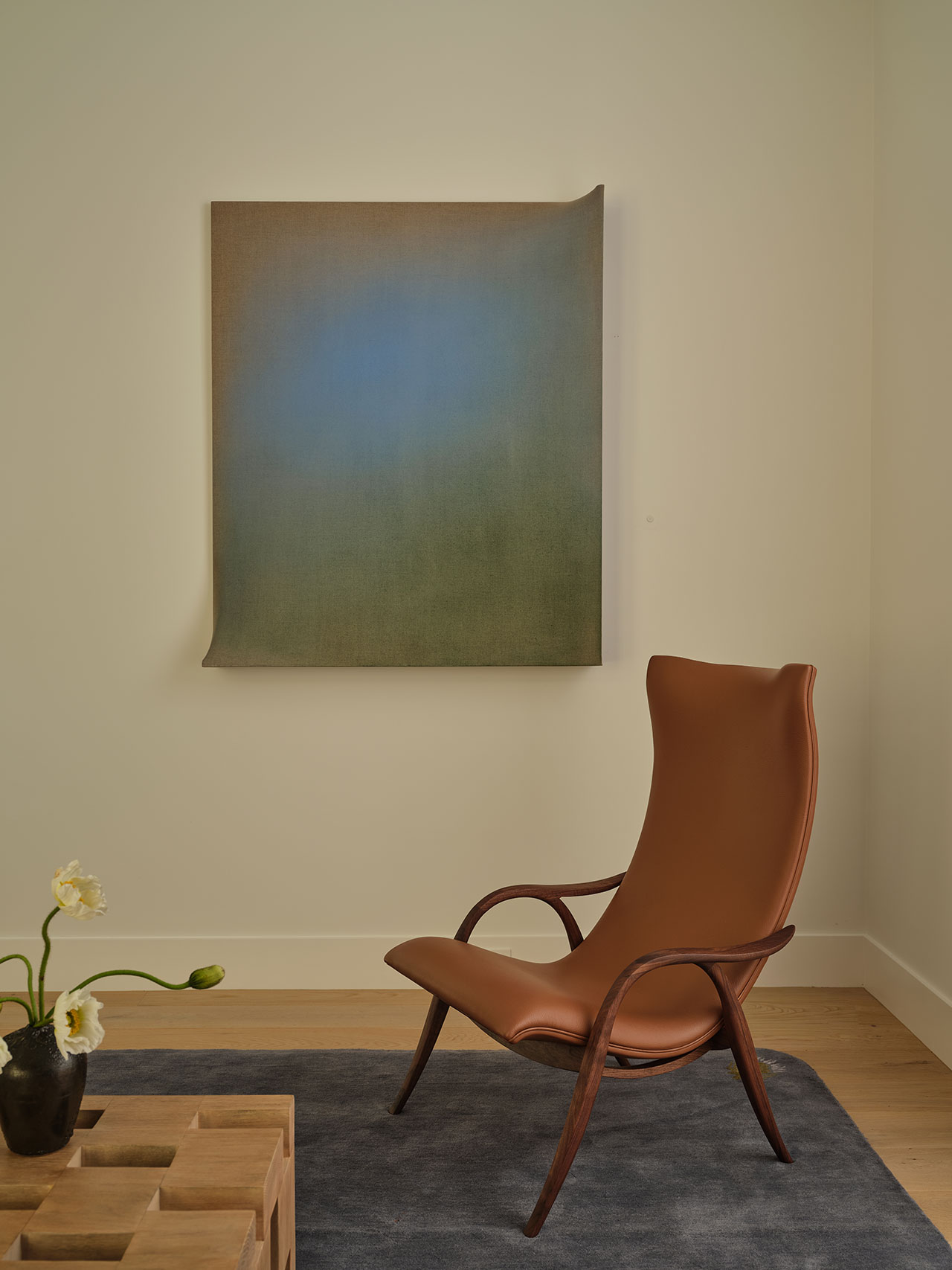
Art plays an equally crucial role, creating moments of pause and focus against otherwise unpainted, pristine walls. By carefully selecting and positioning abstract paintings or sculptural pieces, Thind introduces a gallery-like sensibility, elevating the aesthetic without imposing formality. These artistic interventions serve as visual anchors, drawing the eye and providing points of interest that articulate space more effectively than physical walls might. Similarly, lighting and carefully chosen window treatments—such as sheer curtains that diffuse natural light—work in concert to soften the architectural scale, making expansive rooms feel more inviting and intimate. This deliberate orchestration encourages occupants to inhabit and engage with the space rather than merely observe it. The result is a home where boundaries are felt, not seen, promoting a seamless yet structured living experience.
A Symphony of Materials: Embracing Warm Minimalism
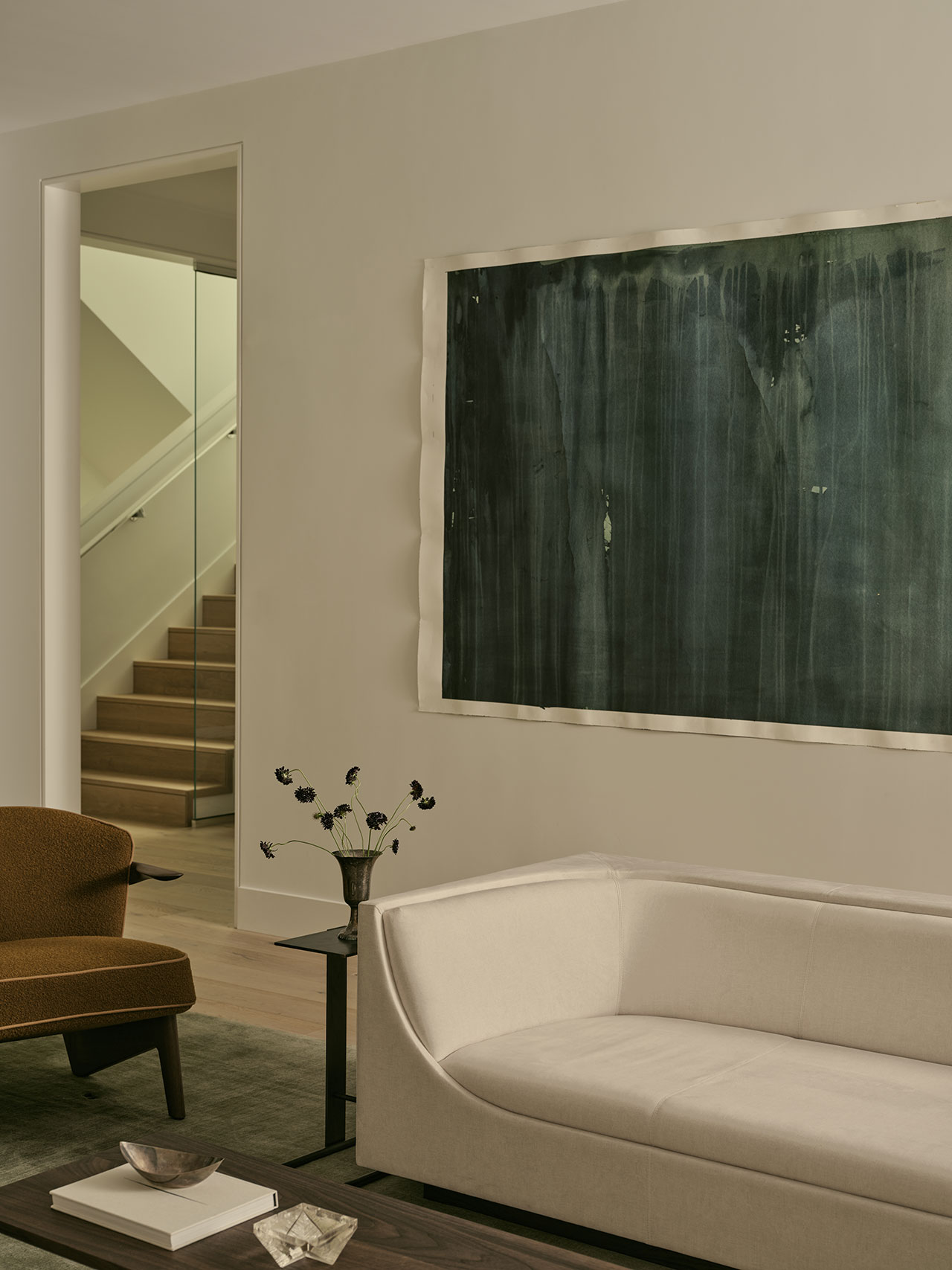
The tactile and visual richness of the Weston residence is largely attributable to Thind’s commitment to "warm minimalism," a philosophy that balances restraint with an undeniable sense of comfort and invitation. Unlike the stark, sometimes cold, aesthetic often associated with traditional minimalism, Thind’s interpretation prioritizes natural materials and inviting textures to temper the clean lines and abundant glazing of the contemporary architecture.
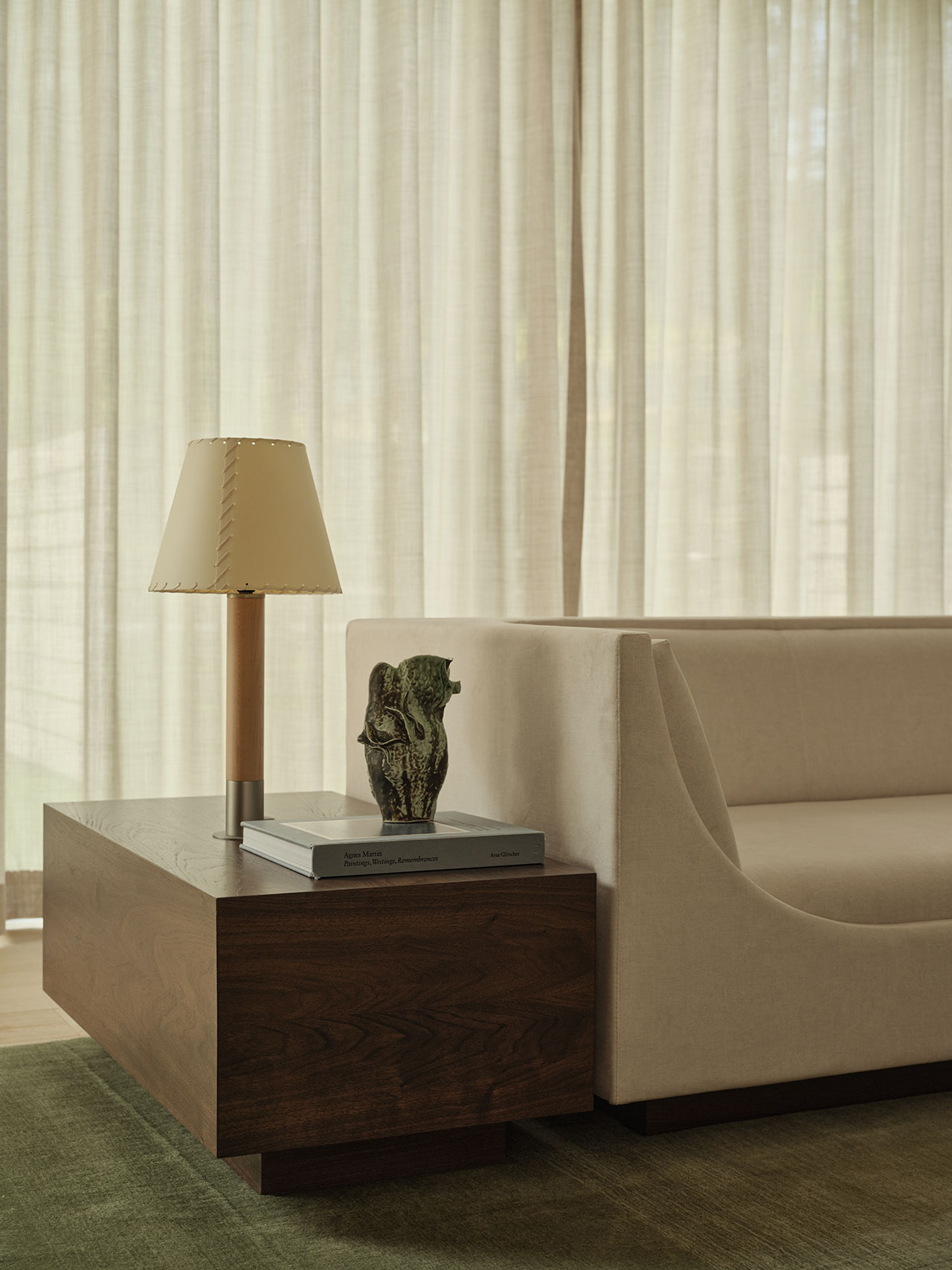
The material palette is a carefully curated symphony of natural fibers and warm wood tones. Cotton, linen, wool, and silk are layered throughout the home, offering varied tactile experiences and contributing to an overall sense of softness. For instance, a luxurious wool rug might ground a living area, while linen drapes gently filter light, and silk cushions add a touch of understated elegance. These materials, celebrated for their inherent beauty and comfort, inject organic warmth into the otherwise sleek modern shell. Leather, another key material, is incorporated in furniture pieces, providing durability, a rich patina that evolves with time, and a sophisticated texture. Warm wood tones, visible in custom cabinetry, furniture, and accent pieces, further reinforce this embrace of natural elements. The juxtaposition of these soft, organic materials against the home’s contemporary architectural bones creates a harmonious balance, preventing the spacious interiors from feeling cavernous or impersonal. This deliberate choice of materials underscores the studio’s broader commitment to design that is both elegant and enduring, ensuring that the minimalist aesthetic never tips into austerity but instead fosters a welcoming and livable environment.
A Global Dialogue: Curating a Worldly Modernist Vocabulary
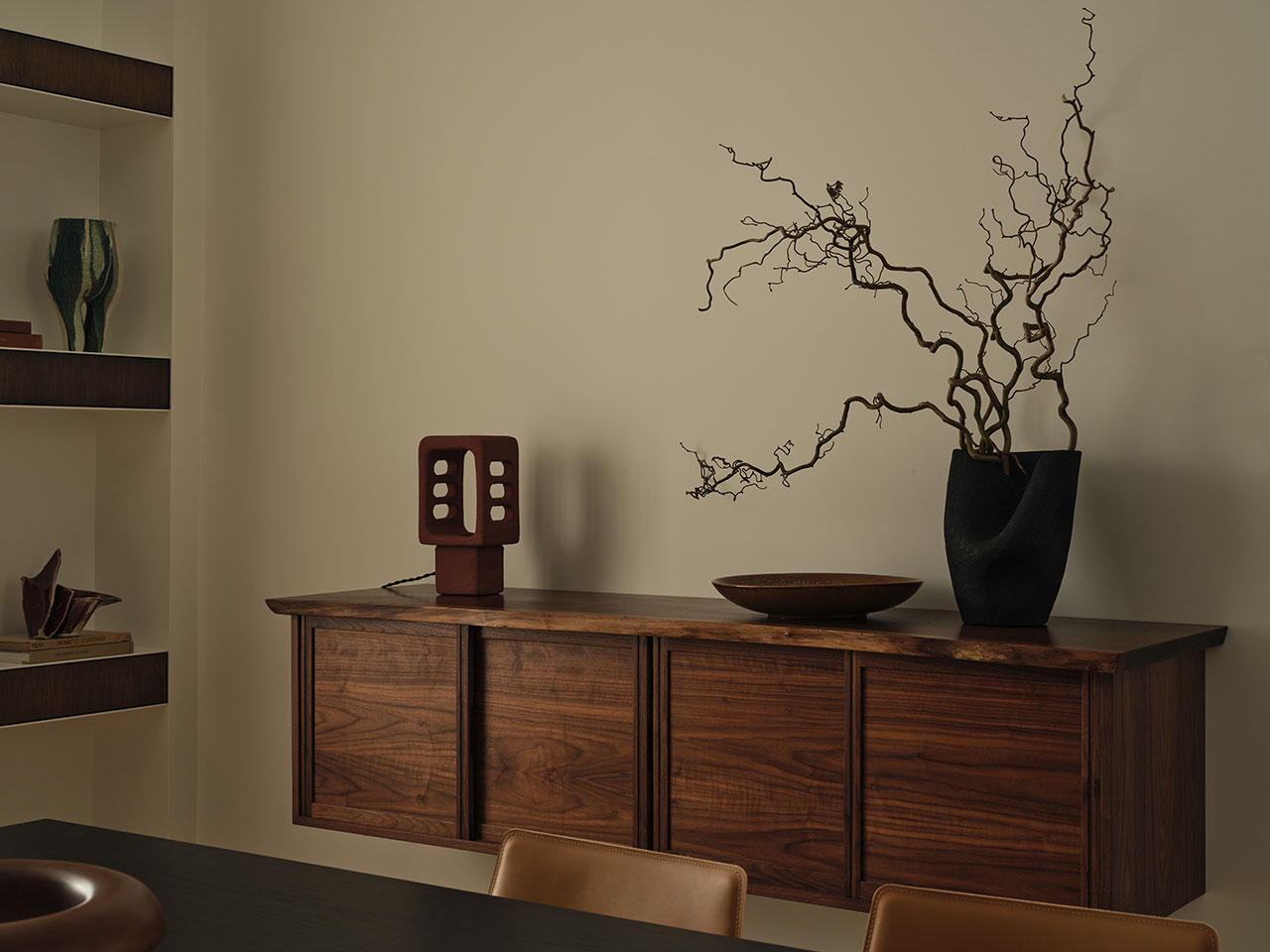
Perhaps one of the most distinctive features of the Weston residence is its "global modernist vocabulary" in furnishing. Thind masterfully integrates pieces from diverse cultural lineages—Brazilian, American, Japanese, Italian, Indian, Scottish, and Scandinavian—creating an interior that feels deeply layered and worldly without being overtly eclectic or thematic. This careful curation reflects a sophisticated understanding of design history and cross-cultural aesthetics.
Each object, while carrying its own unique heritage, is selected for its ability to converse with others through a shared language of proportion, material clarity, and sculptural simplicity. For example:
- Brazilian Modernism often brings an organic sensibility, a celebration of natural hardwoods, and fluid, sculptural forms that resonate with nature. A Brazilian armchair might introduce a robust, yet elegant, presence.
- Japanese Design contributes a sense of serene restraint, precision, and an appreciation for natural light and materials, often seen in clean-lined side tables or minimalist ceramics.
- Italian Design frequently offers innovative forms, luxurious materials, and a flair for contemporary elegance, perhaps manifesting in a sleek console table or a refined lighting fixture.
- Indian Craftsmanship can introduce rich textures, intricate details, or vibrant colors, subtly integrated through textiles, rugs, or handcrafted decorative objects that add depth and a touch of artisanal heritage.
- Scandinavian Design emphasizes functionality, clean lines, light wood, and a focus on comfort and hygge, evident in a minimalist sofa or a functional desk.
- American Modernism offers a diverse range, from mid-century classics to contemporary interpretations, often characterized by practicality and comfort.
- Scottish Influences might subtly appear in the quality of woolens or a robust, enduring furniture piece that speaks to craftsmanship.
This thoughtful amalgamation ensures that a sleek Scandinavian credenza can comfortably sit beside an organically shaped Brazilian lounge chair, while Italian lighting might illuminate a space adorned with an Indian textile. The effect is an environment that feels intrinsically cohesive, reflecting the rich international exchange that has long defined the evolution of modern design. It’s a testament to Thind’s skill that these disparate elements coalesce into a unified aesthetic, creating a home that is culturally resonant, visually stimulating, and deeply personal to its occupants. The implication of this approach is significant: it demonstrates that true modernism is not insular but rather a global conversation, capable of embracing diverse traditions to forge a unique and timeless expression.
Designing for Life: Functionality and Flow
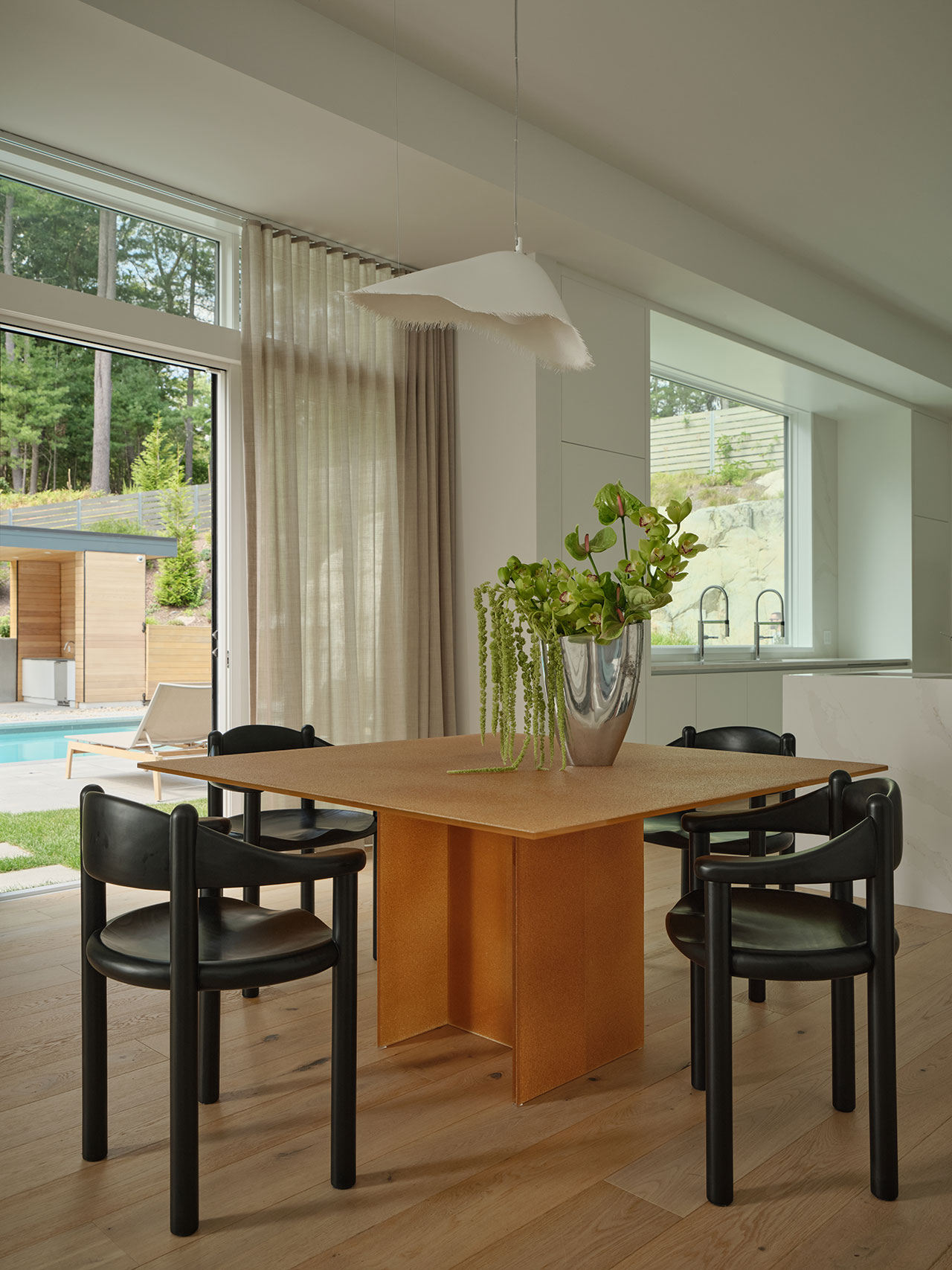
Beyond aesthetics, Thind’s design prioritizes a mode of living over a mere decorative theme. "I wanted to create moments through the home focused on the activity in the space, the flow, without creating theme-like environments," Thind explains. This subtle yet critical distinction means that each area is composed to facilitate specific human interactions and activities. A carefully arranged seating group in the living room, for instance, is designed to encourage lingering conversations, while a strategically placed rug in an entryway creates an informal zone of arrival and repose.
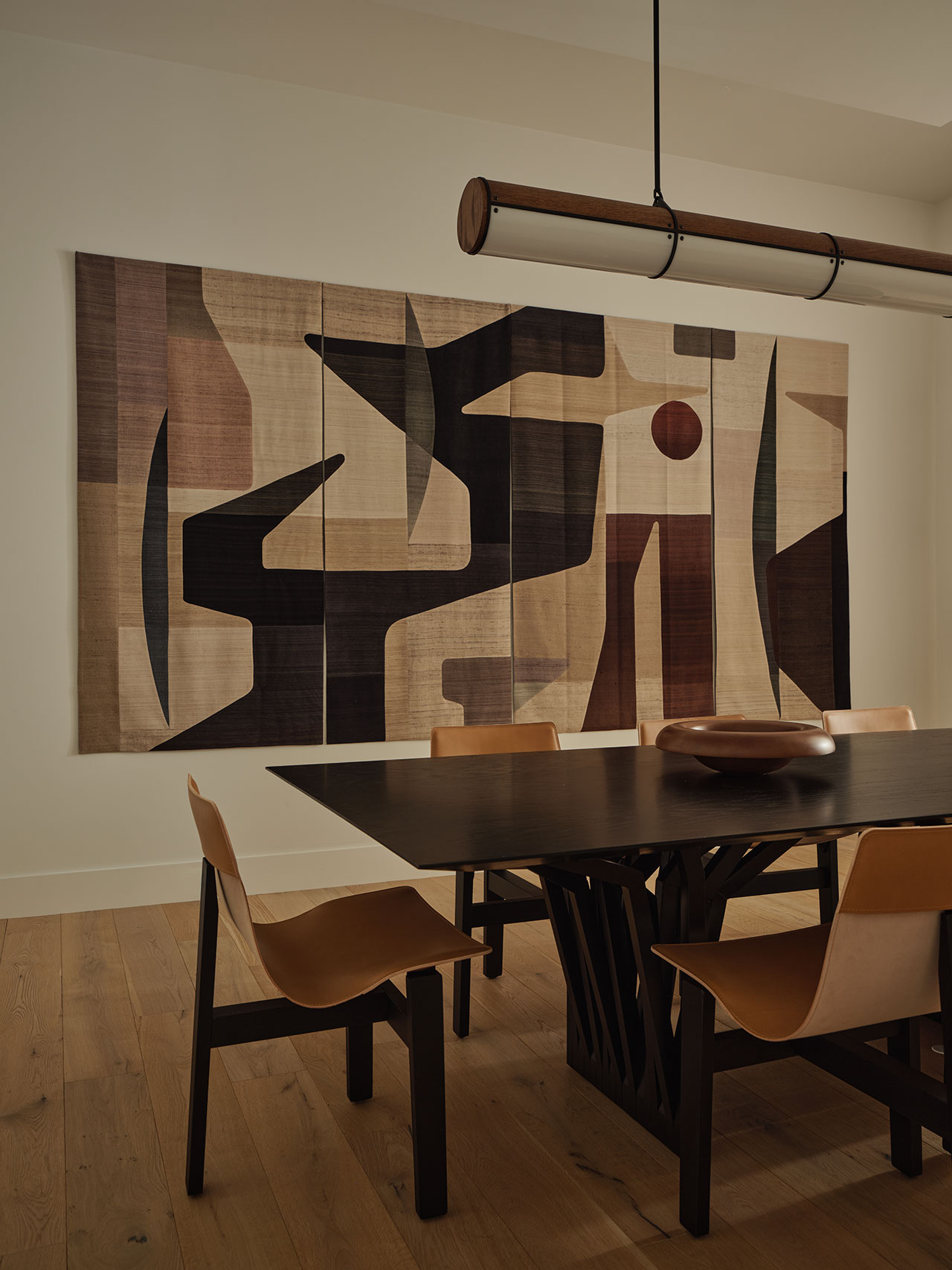
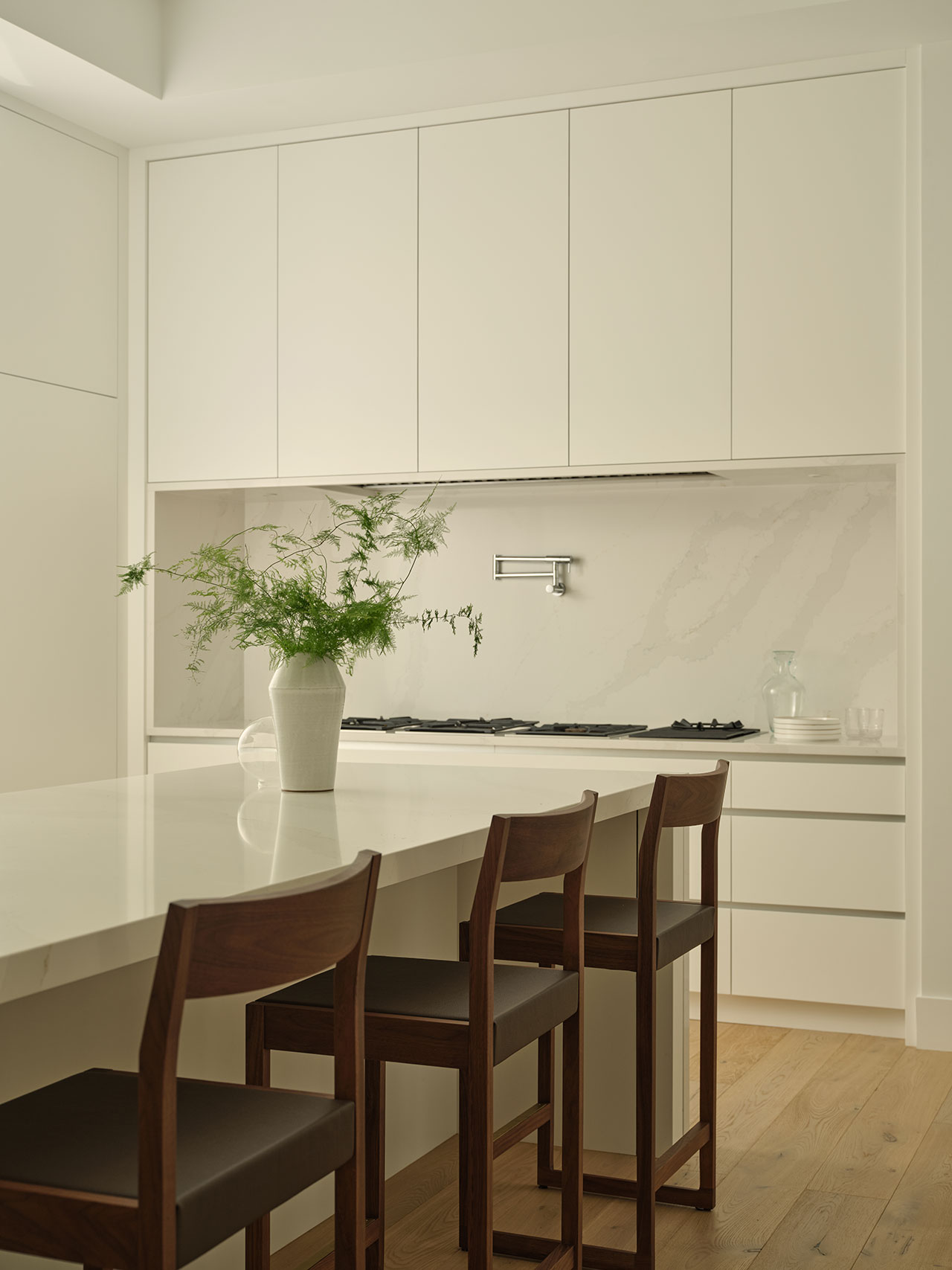
The design implicitly invites occupants to engage with their surroundings: to gather, to read, to appreciate art, to look out at the surrounding landscape, or simply to move effortlessly from one space to the next. The thoughtful placement of a comfortable chair by a window transforms it into a reading nook, a "moment" for quiet contemplation. The dining areas, whether a casual breakfast nook overlooking the pool or a more formal dining room featuring a geometric wall tapestry, are configured to foster connection and shared experiences. Even functional spaces like the modern kitchen, with its clean lines and wooden bar stools, are designed for ease of use and social interaction.
The home office, featuring a curved wooden desk and large windows, is an example of a space tailored for focus and inspiration, integrating the outdoor view into the work environment. This emphasis on functionality and flow ensures that the design serves the lives of the young couple, making the 5,900 square feet feel adaptable and responsive to their daily routines and needs, rather than a rigid showpiece. It underscores the belief that a well-designed home is not just beautiful but also eminently livable, fostering well-being and a sense of belonging.
Implications for Contemporary Design
Sashya Thind’s Weston residence project offers significant insights and implications for the broader landscape of contemporary interior design, particularly concerning new builds. Firstly, it champions a departure from the generic, often impersonal, aesthetic that can plague newly constructed homes. Thind’s work demonstrates that even within the confines of pre-determined architectural elements, a highly personalized, soulful, and intimate environment can be created. This challenges designers and homeowners alike to view new builds as opportunities for profound transformation rather than mere blank slates.
Secondly, the project underscores the enduring value of thoughtful curation and a deep understanding of design principles. By employing "quiet spatial cues" such as rugs, art, and lighting, Thind showcases how subtle interventions can achieve dramatic effects in defining space and mood without resorting to structural changes. This approach offers a sustainable model for interior design, prioritizing adaptable elements that can evolve with the occupants’ needs over time.
Furthermore, the seamless integration of a global modernist vocabulary highlights a growing trend towards cross-cultural appreciation in design. Thind proves that diverse design traditions can coalesce into a harmonious whole, fostering a sense of worldly sophistication that avoids fleeting trends and instead aims for timelessness. This promotes a richer, more inclusive understanding of modern aesthetics.
Finally, the emphasis on creating "moments focused on activity and flow" rather than "theme-like environments" signals a shift towards user-centric design. This philosophy ensures that homes are not just visually appealing but also profoundly functional, enhancing the daily lives and well-being of their inhabitants. Thind’s Weston residence stands as a powerful testament to the idea that a truly successful design allows a home to reveal its own logic, embracing its architecture while imbuing it with warmth, character, and an adaptable elegance. It sets a benchmark for how contemporary new builds can be transformed into deeply personal sanctuaries that resonate with their owners on multiple levels.
To explore this project and other works by the esteemed designer, further details can be found at sashyathind.com. The captivating photography for this project was expertly captured by Erin Little, with styling by Mariana Marcki, whose collaborative efforts perfectly convey the essence of Thind’s vision.







