Reynand Holland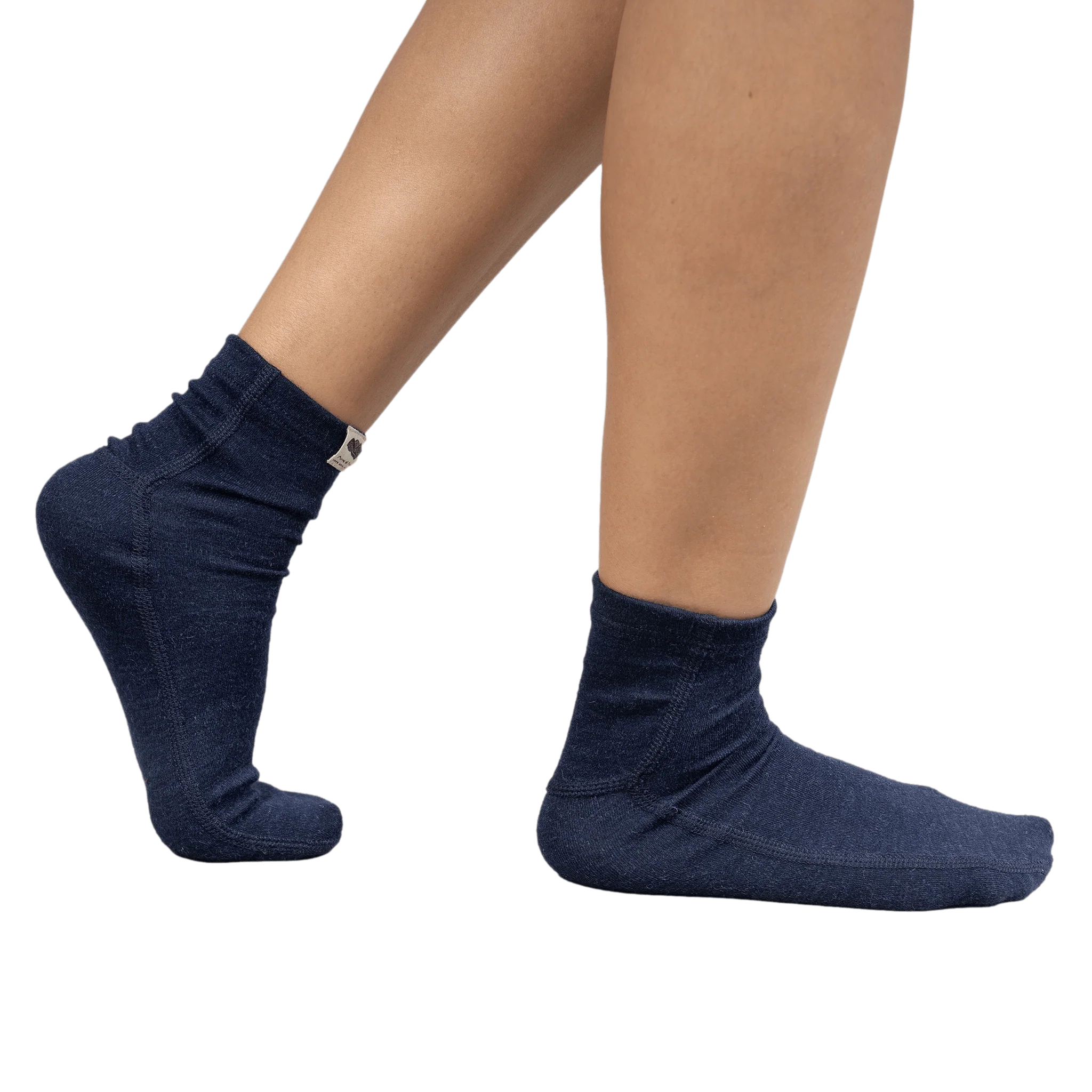
Socks, often relegated to the most basic and overlooked category of apparel, play a far more critical role in our daily comfort and well-being than commonly acknowledged. For individuals experiencing skin irritation, itchiness, or discomfort when wearing conventional socks, the culprit may lie not just in the weave but in the very fibers and dyes used. Emerging research and industry scrutiny are highlighting the potential health risks associated with synthetic materials and certain chemical dyes commonly found in mass-produced socks, prompting a shift towards more natural, non-toxic, and sustainably produced alternatives.
The ubiquity of synthetic materials like polyester and the dyes used to color them have raised significant concerns. Azo-benzene disperse dyes, frequently employed on polyester fabrics, have been identified as potential skin sensitizers. More alarmingly, studies suggest that when absorbed through the skin, these chemicals can pose carcinogenic risks. This is particularly relevant for socks, as body heat and perspiration can accelerate the migration of these substances from the fabric to the skin. The discomfort and potential health implications are driving a growing demand for socks crafted from natural fibers and colored with skin-safe, certified dyes. This growing awareness is not merely about personal comfort; it’s part of a broader movement toward conscious consumerism that prioritizes health, ethical production, and environmental stewardship.
The Case Against Conventional Sock Materials
The construction of many modern socks relies heavily on synthetic fibers, primarily for their stretch, durability, and cost-effectiveness. Polyester, a petroleum-based plastic, is a common component, often blended with elastane (spandex/Lycra) for elasticity. While these materials offer functional benefits, their impact on skin health and the environment is increasingly under scrutiny.
Chemical Dyes and Skin Sensitization: The vibrant colors and intricate patterns adorning many socks often come from dyes that can be problematic. Azo dyes, particularly azo-benzene disperse dyes used on polyester, are a significant concern. These dyes are known to be allergenic and can trigger contact dermatitis in sensitive individuals. The absorption rate of these chemicals through the skin is a critical factor, especially given the direct and prolonged contact socks have with our bodies. When feet sweat, the porous nature of the fabric and the increased moisture can facilitate the transfer of dye molecules into the bloodstream. The long-term implications of this continuous exposure are a subject of ongoing research, but initial findings have been sufficient to warrant caution and the exploration of safer alternatives.
Microplastic Pollution: Beyond direct skin contact, the production and wear of synthetic socks contribute to microplastic pollution. Washing synthetic garments releases tiny plastic fibers into wastewater, which eventually find their way into oceans and other waterways. These microplastics are ingested by marine life and can enter the human food chain, posing a widespread environmental and potential health risk.
Odor Trapping: Synthetic fibers, while sometimes touted for their moisture-wicking properties, can also trap odors more readily than natural fibers. This is often due to their non-porous structure, which can become a breeding ground for odor-causing bacteria.
The Rise of Natural Fibers and Non-Toxic Dyes
In response to these concerns, a growing number of brands are prioritizing the use of natural, renewable materials and demonstrably safe dyeing processes. This shift is not only beneficial for consumers with sensitive skin but also for the environment.
Natural Fiber Advantages:
- Breathability and Moisture-Wicking: Natural fibers like organic cotton, merino wool, alpaca wool, Tencel, linen, and bamboo viscose are inherently breathable. They allow air to circulate, preventing heat buildup and moisture retention, which helps to keep feet dry and comfortable. This natural moisture management also reduces the likelihood of fungal infections and odor.
- Hypoallergenic Properties: Many natural fibers are naturally hypoallergenic, making them an excellent choice for individuals prone to allergies or skin irritations.
- Biodegradability: Unlike synthetics, natural fibers are biodegradable, meaning they break down naturally at the end of their life cycle, reducing landfill waste and environmental impact.
Certifications for Safer Dyes and Materials:
Consumers seeking truly non-toxic and ethically produced socks can look for several key certifications:
- Oeko-Tex: This independent testing and certification system ensures that textiles are free from harmful substances. Oeko-Tex Standard 100, for instance, certifies that every component of the article has been tested for harmful substances and is therefore harmless for human health.
- bluesign®: This system provides a holistic approach to sustainable textile production. It eliminates harmful substances right from the beginning of the manufacturing process and sets and controls environmentally friendly and safe production standards.
- GOTS (Global Organic Textile Standard): For cotton products, GOTS ensures that the entire supply chain, from harvesting the raw materials to environmentally and socially responsible manufacturing, meets stringent criteria.
- Responsible Wool Standard (RWS): This standard ensures that wool comes from farms that practice responsible land management and have high animal welfare standards, specifically prohibiting mulesing.
A Curated Selection of Healthier Sock Choices
The market is increasingly offering brands that are committed to producing socks that are both good for the wearer and the planet. These brands often go beyond material choices to ensure ethical manufacturing and sustainable packaging.
1. Harvest & Mill: The Purity of Dye-Free Organic Cotton
Harvest & Mill stands out for its unwavering commitment to producing dye-free organic cotton socks. This approach directly addresses concerns about chemical dyes. Grown, spun, and knit entirely in the U.S., their supply chain is exceptionally short, supporting domestic agriculture and reducing transportation-related emissions. The brand’s dedication extends to its waste management, with all fabric scraps repurposed or recycled, and its packaging is fully compostable.
What We Love: The inherent natural colors of the undyed cotton, combined with the absence of bleach and dyes, make these socks an ideal choice for extremely sensitive skin. The crew-style socks offer good coverage, and the thick cotton provides comfort without feeling heavy.
Price Range: $11-$12 for single pairs, $33-$66 for packs.
Availability: Most countries.
2. Subset: Sustainable Style with a Focus on Skin Comfort
Formerly known as Knickey, Subset is a Brooklyn-based brand that has made a name for itself with PFAS-free and Fair Trade-certified organic cotton socks. Their commitment to Oeko-Tex certification for their organic cotton, sourced and processed in India, ensures that the dyes and materials are free from harmful chemicals. The brand also emphasizes ethical manufacturing practices.
What We Love: Subset’s socks are designed with comfort in mind, particularly for sensitive skin. The elastic cuffs are integrated into the fabric in a way that prevents direct skin contact, mitigating potential irritation. While some pairs contain synthetics, the brand is transparent about these blends.
Watch Out For: Subset’s socks contain approximately 24% synthetics, which may be a consideration for individuals with extreme sensitivities.
Price Range: Approximately $12 per pair.
Availability: U.S., Australia, Canada, and most European countries.
3. Paka: The Warmth and Performance of Alpaca Wool
Paka is a certified B Corp that champions the use of alpaca wool and Tencel in its socks, blending natural performance with sustainable practices. Alpaca wool is naturally odor-resistant and moisture-wicking, making it an excellent choice for active wear and everyday comfort. Their socks are dyed with Oeko-Tex-certified dyes and crafted by Peruvian artisans, supporting traditional craftspeople. The brand utilizes biodegradable and compostable packaging.
What We Love: The Paka socks are lauded for their exceptional warmth and durability, making them ideal for harsh winter conditions. The blend of alpaca wool and Tencel provides a cozy yet breathable experience.
Watch Out For: Paka’s socks can contain up to 50% recycled synthetics, a factor to consider for those seeking purely natural options.
Price Range: $20-$24 for single pairs, $48-$96 for bundles.
Availability: Worldwide.
4. Arms of Andes: The Rare All-Natural Alpaca Sock
Arms of Andes is a standout brand for its commitment to producing socks with absolutely no synthetic fibers. Their 100% alpaca fiber slipper socks are sourced from free-range alpacas, ensuring ethical animal husbandry. These Oeko-Tex-certified socks are not only soft and moisture-wicking but also exceptionally warm and insulated, despite their lightweight feel. The brand fosters close partnerships with co-op farmers in the Andes, overseeing the entire process from sourcing to sewing, and uses compostable packaging for all orders.
What We Love: The complete absence of synthetics makes these socks a prime choice for individuals with the most severe sensitivities. The natural properties of alpaca wool provide exceptional comfort and warmth.
Price Range: $20-$25 for single pairs, $65 for packs.
Availability: U.S., EU, and UK.
5. Cottonique: Specializing in Allergy-Free Apparel
Cottonique has carved a niche for itself by specializing in 100% synthetic-free, allergy-friendly apparel, including socks. Their socks are meticulously crafted to be latex-free, bleach-free, and hypoallergenic, with a focus on covered seams to prevent chafing. Collaborating closely with dermatologists, Cottonique ensures its products meet the highest standards of safety for sensitive skin. Their organic cotton is sourced from India, and manufacturing takes place in the Philippines, with a commitment to compostable packaging.
What We Love: The brand’s dedication to creating a completely synthetic-free product is unparalleled. Their focus on hypoallergenic properties and careful construction makes them a top choice for those with multiple skin sensitivities.
Price Range: $16 for single pairs of thigh highs, $16-$21 for packs.
Availability: Most countries.
6. Boody: Eco-Friendly Bamboo and Organic Cotton Blends
Boody, a Sydney-based brand, offers a versatile range of socks crafted from Oeko-Tex-certified organic bamboo viscose and organic cotton, with some styles incorporating recycled nylon. Bamboo viscose is known for its softness, breathability, and moisture-wicking capabilities. Boody adheres to a strict code of conduct and partners with WRAP-certified facilities in China, Vietnam, and India, ensuring ethical production standards.
What We Love: The combination of soft bamboo viscose and organic cotton provides a comfortable and breathable sock suitable for various activities. The brand’s commitment to ethical manufacturing adds to its appeal.
Price Range: $9.95-$17.95 for singles, $54 for bundles.
Availability: U.S. and Canada.
7. Kotn: Direct Trade and Traceable Organic Cotton
Kotn, a certified B Corp, is distinguished by its direct trade relationships with Egyptian cotton farmers, ensuring fair prices and sustainable agricultural practices. Their socks are made from organic cotton and dyed with Oeko-Tex-certified dyes, offering a traceable supply chain from farm to finished product. The brand utilizes recycled and recyclable packaging, further emphasizing its commitment to sustainability.
What We Love: Kotn’s socks are praised for their excellent feel and professional appearance, making them suitable for both casual and business settings. The brand’s dedication to transparency and fair trade practices is a significant advantage.
Watch Out For: Some Kotn sock pairs may contain up to 20% synthetics.
Price Range: $10-$18 for single pairs.
Availability: Most countries.
8. Quinn: Designed for Eczema and Longevity
Quinn specializes in garments designed for individuals with eczema, emphasizing durability and comfort. Their selection of organic cotton and non-toxic socks includes dye-free, lightweight, and mid-weight options. Designed in Canada and ethically produced in Oeko-Tex-certified factories in Portugal and Sri Lanka, Quinn prioritizes both skin health and responsible manufacturing.
What We Love: The mid-weight merino wool socks feature an extra-thick heel, providing exceptional warmth and comfort for hiking or lounging. The undyed cotton ankle socks are also highly breathable, though some testers noted a tendency to slide down.
Watch Out For: While the cotton is GOTS-certified, its sourcing location is not always specified. Some pairs may contain up to 20% synthetics.
Price Range: $15 for singles up to $75 for packs.
Availability: Most countries.
9. Cariloha: Hypoallergenic Bamboo Viscose Comfort
Cariloha, a certified B Corp, offers hypoallergenic socks crafted from a blend of bamboo viscose and organic cotton. Their bamboo is Oeko-Tex and Fair Trade-certified, sourced from China. The brand also utilizes FSC-certified paper for its packaging, underscoring its commitment to sustainable forestry.
What We Love: The hypoallergenic properties of their bamboo viscose blend make these socks an excellent choice for sensitive skin. The Fair Trade and Oeko-Tex certifications provide assurance of ethical and safe production.
Watch Out For: The exact manufacturing location for Cariloha socks is not always clearly stated.
Price Range: $10-$15 for singles, $30-$45 for bundles.
Availability: U.S., Australia, and Canada.
10. Dedicated: Vibrant Designs with Fair Trade Ethics
Dedicated is known for its bold patterns and Fair Trade organic cotton socks. The brand ensures its cotton suppliers are WRAP-certified and provides transparency regarding the manufacturing location for each pair of socks on its product pages.
What We Love: The combination of eye-catching designs and a commitment to Fair Trade organic cotton makes these socks a stylish and ethical choice.
Watch Out For: Dedicated’s socks can contain up to 25% elastane.
Price Range: $9-$59.
Availability: Worldwide.
11. Darn Tough: Durable Merino Wool with Eco-Conscious Practices
Darn Tough socks, manufactured in Vermont at family-owned mills, are renowned for their durability and comfort. Made with RWS-certified merino wool and featuring fun, colorful designs, these socks are also Oeko-Tex-certified. The brand rigorously tests for hazardous substances according to its restricted substances list and utilizes FSC-certified recycled paper, compostable bags, and vegetable-based inks in its packaging.
What We Love: The high-quality merino wool, combined with robust ethical and environmental certifications, makes Darn Tough a reliable choice for comfortable and long-lasting socks.
Watch Out For: Darn Tough socks may contain up to 50% synthetics.
Price Range: $15-$35 for singles, up to $84 for packs.
Availability: U.S., UK, and EU.
12. Nisolo: Upcycled Materials and Living Wage Commitment
Nisolo, a certified B Corp, known for its leather goods, also offers a collection of comfortable socks made in a family-owned mill in North Carolina. These socks are crafted from upcycled cotton, linen, wool, and recycled polyester. Nisolo is committed to supply chain traceability and ensuring living wages for all its workers, with packaging made from recycled materials.
What We Love: The use of upcycled materials and the brand’s dedication to fair wages highlight Nisolo’s strong ethical and sustainable principles.
Watch Out For: Nisolo socks can contain up to 70% synthetics.
Price Range: $15-$20 for single pairs.
Availability: U.S., Australia, Canada, and most European countries.
13. Swedish Stockings: Sustainable Hosiery with Recycled Content
Swedish Stockings offers a range of knee-highs and ankle socks, including classic, supportive, colorful, and patterned options. Produced in Italy using Oeko-Tex-certified materials such as bamboo viscose, organic cotton, organic wool, recycled polyester, and recycled elastane, the brand emphasizes sustainable production and incorporates recycled content into its products.
What We Love: The brand’s commitment to sustainability is evident in its material choices and production methods. They offer a variety of styles and colors.
Watch Out For: Some of their socks are fully synthetic.
Price Range: $19 for ankle sock bundles, $22-$45 for single knee highs, and $50-$90 for knee-high bundles.
Availability: Most countries.
Broader Implications: Consumer Power and Industry Change
The growing awareness of the health and environmental impacts of conventional socks is a microcosm of a larger trend in consumer behavior. As shoppers become more informed about the chemicals in their products and the ethical implications of their purchases, they are increasingly demanding greater transparency and sustainability from brands. This consumer-driven demand is a powerful force for change, compelling companies to re-evaluate their material sourcing, manufacturing processes, and overall business models.
The shift towards natural fibers, non-toxic dyes, and ethical production in the sock industry is not just about offering a healthier alternative; it represents a broader movement towards a more responsible and conscious approach to consumption. By supporting brands that prioritize these values, consumers can contribute to a healthier planet and a more equitable global economy, one pair of socks at a time. The journey from an overlooked wardrobe staple to a symbol of sustainable and ethical fashion is well underway, proving that even the smallest items can have the most significant impact.