Clara Fransiska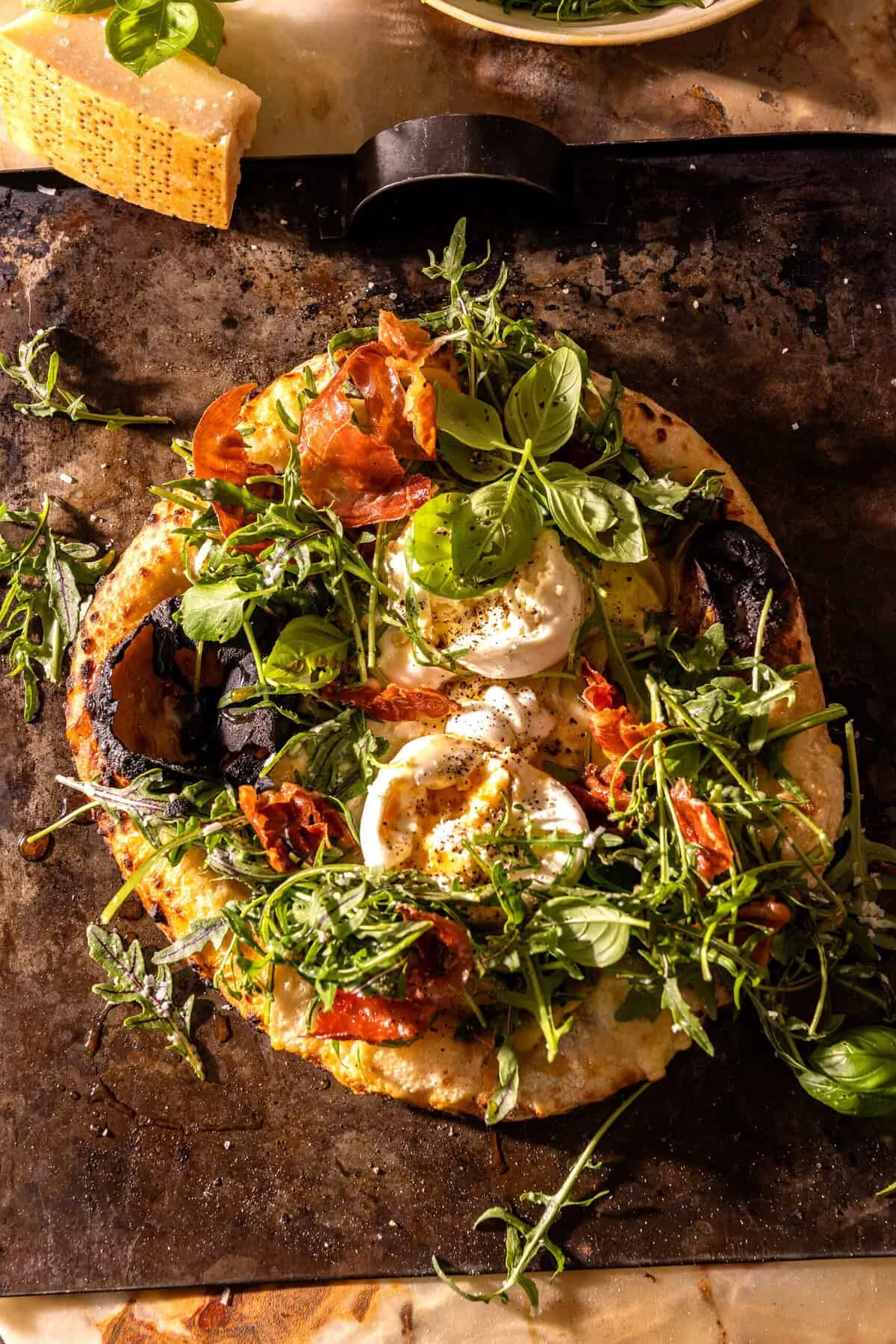
The culinary landscape is abuzz with a new creation that elevates the humble pizza to gourmet heights: the Burrata Potato Pizza with Peppery Lemon Arugula. This innovative dish, originating from the kitchen of Half Baked Harvest, promises a symphony of textures and flavors, blending the comforting familiarity of pizza with sophisticated, seasonal ingredients. The recipe, shared with culinary enthusiasts seeking to recreate its magic at home, offers a compelling narrative of culinary inspiration, drawing from personal nostalgia and a desire to highlight often-overlooked ingredients.
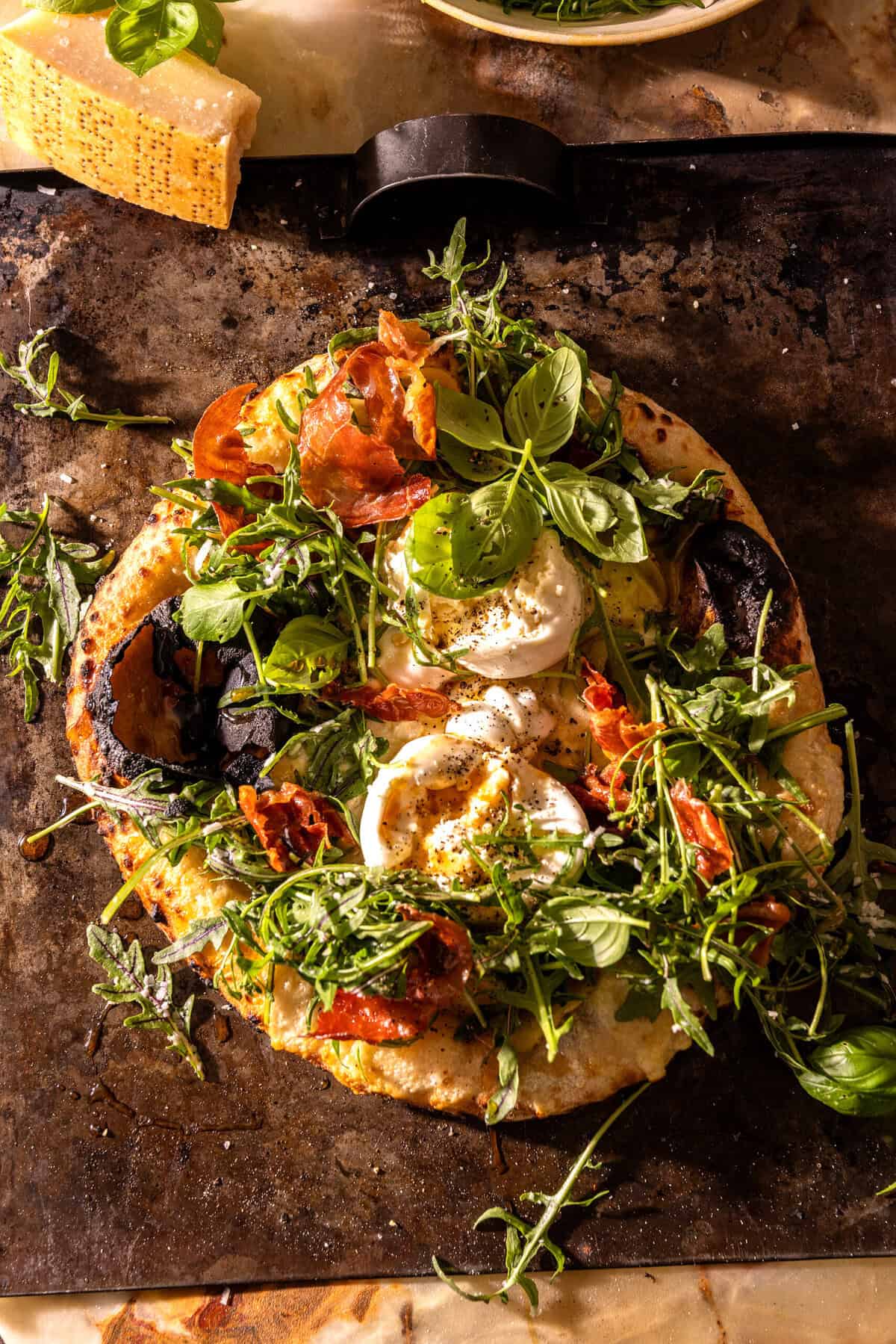
At its core, the Burrata Potato Pizza is a testament to the beauty of simplicity, executed with thoughtful flair. The foundation of fresh pizza dough is transformed by a meticulous layering of aromatic rosemary, pungent garlic, and a subtle kick of chili flakes. Thinly sliced potatoes are strategically placed, their earthy notes providing a grounding counterpoint to the rich, melted fontina cheese. As the pizza bakes to perfection, the prosciutto crisps to a delightful crunch, its savory essence permeating the molten cheese and the tender potato slices. The crowning glory of this culinary masterpiece is the addition of creamy, luscious burrata, its cool, velvety texture a striking contrast to the warm, baked elements. This is further enhanced by a vibrant arugula and basil salad, tossed in a bright and tangy peach vinaigrette, adding a refreshing, peppery finish that cuts through the richness. The creator humorously notes that this pizza “disappears fast,” a testament to its irresistible appeal, and often suggests making a double batch to satisfy demand.
The inspiration behind this unique pizza is deeply personal, rooted in cherished childhood memories and a lifelong love affair with Italian cuisine. The author recounts a childhood shaped by summer pizza nights, evoking a sense of warmth and nostalgia that extends to their adult culinary endeavors. This connection to the past is further amplified by an upcoming Italian travel itinerary, which has intensified a craving for homemade pizza experiences. The philosophy underpinning this particular recipe leans towards the elegance of simplicity, emphasizing the use of fresh, seasonal ingredients, ideally sourced from a summer herb garden, bringing the garden’s bounty directly to the plate.
A significant influence on this dish is the author’s father, whose own pizza creations often featured unexpected yet delightful toppings, most notably leftover French fries or roasted potatoes. This unconventional yet remarkably successful combination of potatoes on pizza, a pairing often overlooked in mainstream culinary discussions, serves as a direct inspiration. The author fondly remembers their father’s signature style: a robust combination of garlic, oregano, chili flakes, potatoes, ample cheese, and pepperoni, always finished with a garnish of freshly picked basil from the garden. These were pizzas characterized by their unpretentious charm and profound deliciousness, embodying a classic, comforting Italian sensibility.
The author’s contemporary interpretation refines and elevates this familial inspiration. While retaining the spirit of potato-laden pizza, the recipe introduces a more refined set of ingredients. Thinly sliced potatoes are central, their texture carefully considered for optimal cooking. The herbaceous notes are brought forth by rosemary, while the salty crispness of prosciutto adds a sophisticated counterpoint. The luxurious creaminess of burrata offers a textural and flavor contrast that is both indulgent and balanced. The accompanying arugula and basil salad, invigorated by a peach vinaigrette, provides a crucial element of freshness and acidity. The author specifically highlights the use of peach balsamic vinegar, recommending it for its ability to impart a unique sweetness that harmonizes beautifully with the potatoes and burrata. This specific ingredient choice underscores a commitment to nuanced flavor profiles and the utilization of seasonal produce to its fullest potential.
The recipe’s adaptability is another key feature. It is presented as a versatile dish that can be prepared using various cooking methods, including a dedicated pizza oven, a grill, or a standard kitchen oven. This inclusivity ensures that home cooks of all levels and with different equipment can achieve successful and delicious results. The author also makes a point to reference their “Quick & Cozy Cookbook,” drawing attention to an entire chapter dedicated to pizza recipes, further solidifying their expertise and passion for this universally beloved dish.
The Culinary Process: A Detailed Breakdown
The creation of the Burrata Potato Pizza with Peppery Lemon Arugula involves a series of well-defined steps, designed for both clarity and culinary success.
Ingredients and Essential Tools
The recipe calls for a curated selection of ingredients, emphasizing freshness and quality. Key components include pizza dough, potatoes, fontina cheese, prosciutto, burrata, rosemary, garlic, chili flakes, arugula, basil, olive oil, lemon juice, peach vinegar (or a quality balsamic), salt, and melted butter.
To facilitate the preparation, several kitchen tools are recommended. A baking sheet lined with parchment paper is essential for easy handling and cleanup. A rolling pin is necessary for shaping the pizza dough to the desired dimensions, typically a 10 to 12-inch oval. For achieving the paper-thin potato slices, a sharp knife or a mandoline slicer is crucial, ensuring the potatoes cook evenly and achieve a desirable texture. A large mixing bowl is needed for tossing the arugula salad, and a pizza cutter simplifies the serving process. While not strictly necessary for this recipe, the author acknowledges the benefits of specialized equipment like a pizza stone or a pizza oven for those seeking an enhanced baking experience.
Step-by-Step Preparation
-
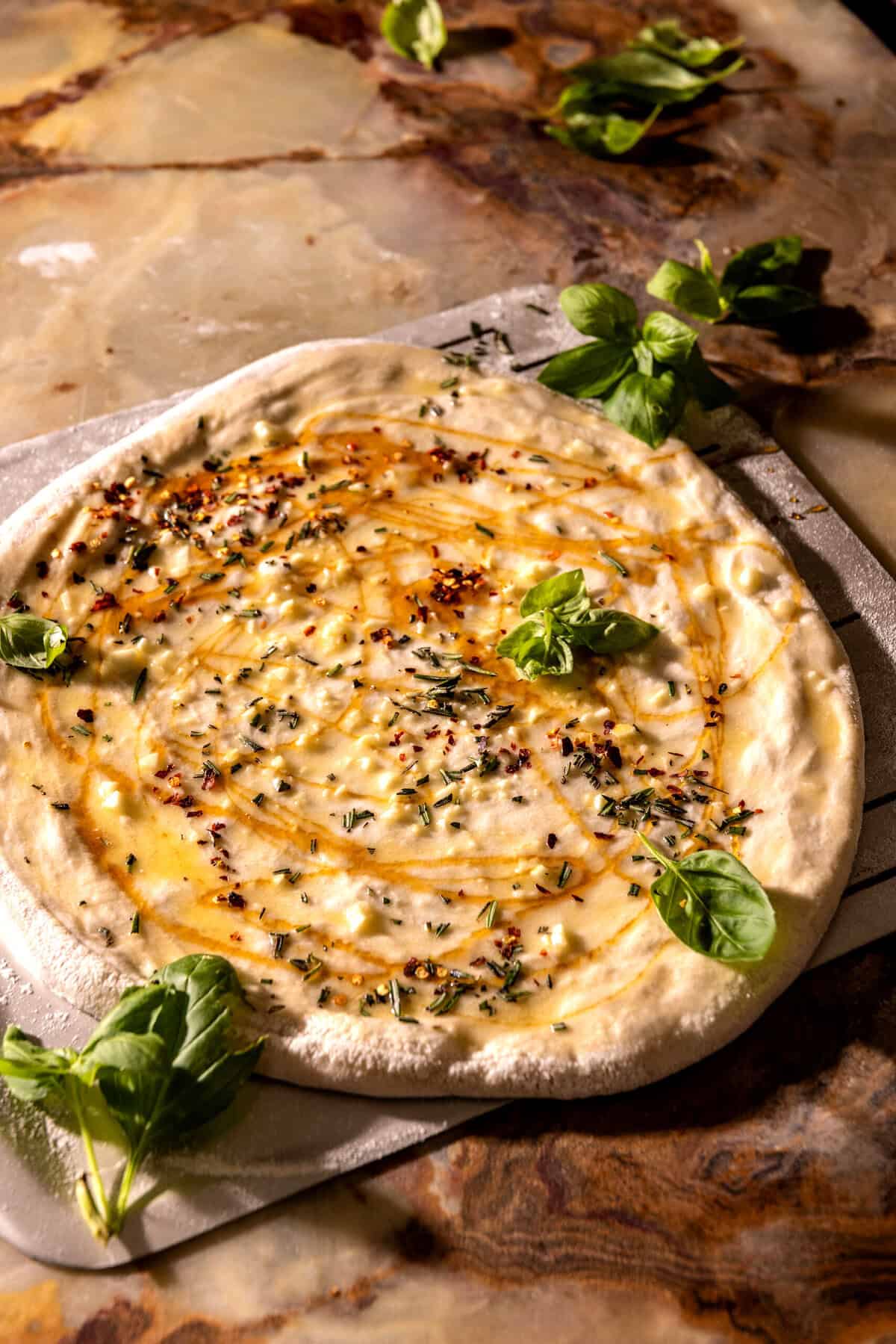
Dough Preparation: The process begins with preheating the oven to a robust 450°F (232°C). A baking sheet is prepared by lining it with parchment paper. On a lightly floured surface, the pizza dough is rolled out into a roughly 10 to 12-inch oval shape. The rustic, imperfect nature of homemade pizza is embraced, with the author noting that "rustic pizzas are always the prettiest." The shaped dough is then carefully transferred to the prepared baking sheet.
-
Topping Application: A crucial step involves brushing the dough with melted butter, leaving a 1-inch border to form the crust. This butter layer adds a richness and helps achieve a golden-brown finish. The dough is then seasoned with rosemary, garlic, and chili flakes, providing an aromatic and subtly spicy base. Thinly sliced potatoes are layered over the seasoned dough, followed by the fontina cheese and slices of prosciutto. A light drizzle of olive oil is applied over the toppings to ensure even cooking and enhance flavors.
- Tip for Potato Perfection: The author emphasizes the importance of slicing the potatoes as thinly as possible. This technique ensures that the potato slices become tender throughout while their edges develop a delightful crispness during baking.
-
Baking to Golden Perfection: The pizza is baked in the preheated oven for approximately 15 minutes. The goal is to achieve a golden-brown crust, bubbling cheese, and perfectly crisped prosciutto.
-
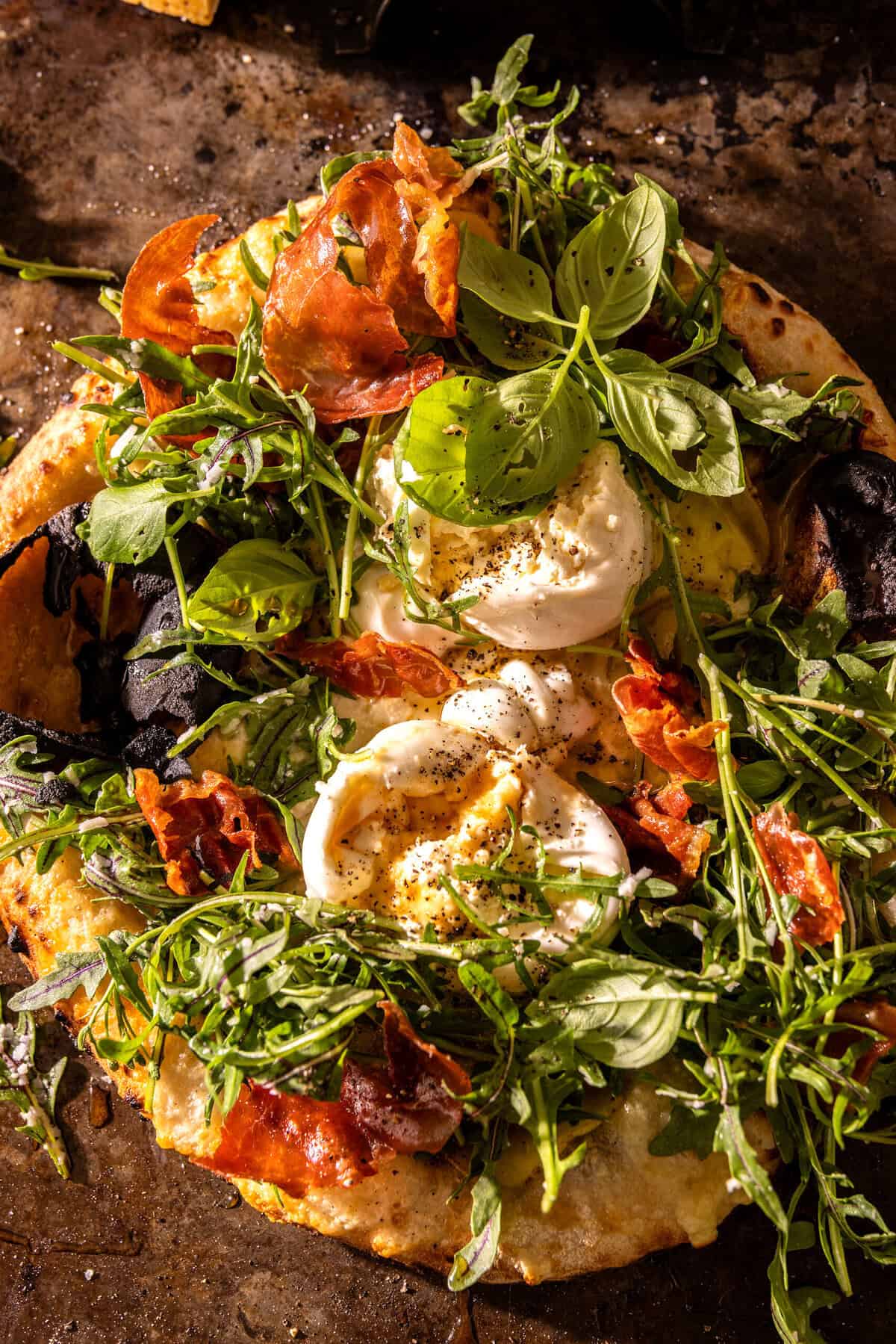
Burrata Application: Once removed from the oven, the pizza is immediately topped with torn pieces of burrata. The residual heat from the pizza causes the burrata to warm and become wonderfully creamy, melting slightly into the toppings.
-
Tip for Creamy Burrata: For an even creamier texture, the author suggests letting the burrata sit for a minute or two before slicing. This allows it to warm sufficiently to achieve its characteristic lusciousness.
-
-
Salad Preparation: While the pizza is baking, the accompanying salad is prepared. A simple yet effective vinaigrette is created by whisking together olive oil, lemon juice, peach vinegar, salt, and chili flakes. The fresh arugula and basil are then added to this dressing, along with a sprinkle of Parmesan cheese, and tossed thoroughly to ensure every leaf is coated.
- Vinaigrette Note: The author reiterates the special appeal of peach balsamic vinegar, while assuring that any high-quality balsamic vinegar will yield excellent results, highlighting the flexibility and approachability of the recipe.
-
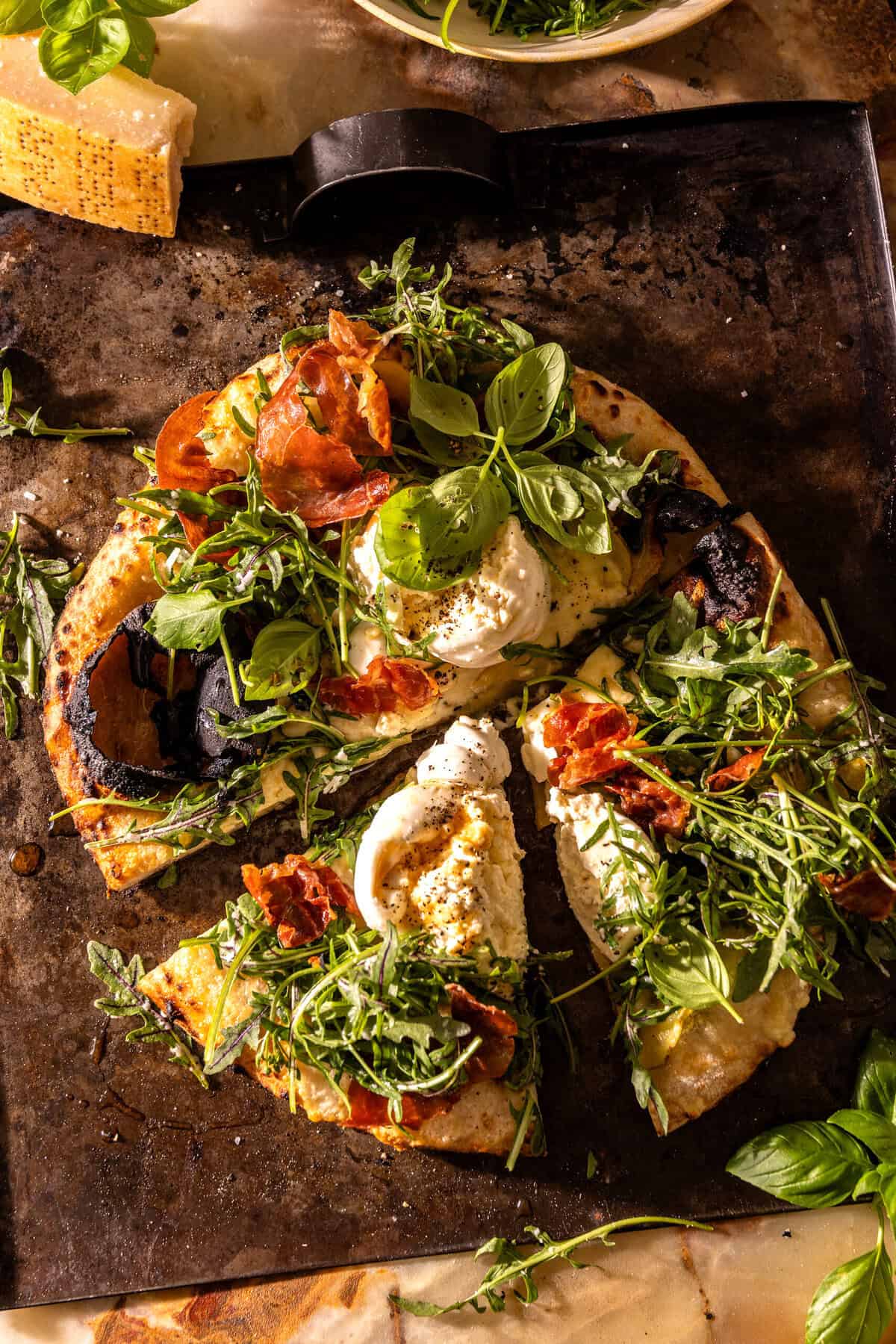
Finishing and Serving: The prepared arugula salad is generously piled onto the warm pizza. The combination of the warm, savory pizza with the cool, peppery salad creates a dynamic interplay of temperatures and textures. The pizza is then sliced and served immediately, offering a harmonious blend of crispy prosciutto, creamy burrata, tender potatoes, and the bright, zesty salad.
- Serving Suggestion: The author humorously but pragmatically advises that this pizza is highly desirable and tends to disappear quickly, strongly recommending making a double portion if serving a larger group.
Broader Culinary Context and Implications
The emergence of recipes like the Burrata Potato Pizza with Peppery Lemon Arugula signifies a broader trend in contemporary cuisine: the elevation of comfort foods through sophisticated ingredient pairings and refined techniques. This dish, in particular, taps into several culinary themes that resonate with modern diners.
Firstly, it embraces the concept of "elevated simplicity." By taking a universally loved dish like pizza and infusing it with high-quality, slightly unconventional toppings, it appeals to both the desire for familiar comfort and the pursuit of new culinary experiences. The use of burrata, a cheese that has gained significant popularity for its luxurious texture, alongside the humble potato, showcases this approach.
Secondly, the recipe highlights the growing appreciation for seasonal and locally sourced ingredients. The emphasis on fresh herbs and the suggestion of using a peach vinaigrette underscore the importance of incorporating the best of what each season offers. This aligns with a growing consumer consciousness regarding sustainability and the desire for food that is both flavorful and ethically produced.
Thirdly, the personal narrative woven into the recipe’s introduction provides an emotional connection for the reader. Food is often inextricably linked to memory and identity, and sharing these personal stories makes the culinary act more relatable and engaging. The author’s journey from childhood memories to a refined adult creation demonstrates how culinary traditions can evolve while retaining their core essence.
The implications of such recipes extend beyond individual kitchens. They contribute to the ongoing evolution of casual dining, pushing the boundaries of what is expected from everyday meals. The success of such dishes can influence restaurant menus, inspire other home cooks and food bloggers, and contribute to a richer, more diverse culinary landscape. The ability to adapt the recipe for various cooking methods also democratizes gourmet cooking, making sophisticated flavors accessible to a wider audience. The author’s reference to their cookbook further suggests a growing market for curated, accessible recipes that cater to both novice and experienced cooks.
In conclusion, the Burrata Potato Pizza with Peppery Lemon Arugula is more than just a recipe; it is a culinary statement. It celebrates the power of simple ingredients, the warmth of personal history, and the joy of creative expression in the kitchen. Its innovative approach to a beloved classic offers a compelling glimpse into the future of accessible, sophisticated home cooking.