Michael Sholeh
The traditional definition of luxury, once characterized by the possession of rare materials, high-end fashion, and exclusive real estate, is undergoing a profound transformation in the mid-2020s. As global consumer markets become increasingly saturated with mass-produced "premium" goods, a significant cultural shift has emerged, prioritizing intangible assets over material wealth. This evolution is encapsulated in a viral social media sentiment that identifies six specific luxuries: time, health, a quiet mind, slow mornings, meaningful work, and a house full of love. While these elements are universally recognized as essential to human flourishing, they remain conspicuously absent from the shelves of retail establishments, signaling a departure from the "conspicuous consumption" models defined by sociologists in the 20th century.
The Evolution of the Luxury Concept
Historically, luxury was defined by scarcity. In the pre-industrial era, this meant spices, silks, and precious metals. With the advent of the Industrial Revolution and the subsequent rise of the middle class, luxury shifted toward brand prestige and "Veblen goods"—products for which demand increases as the price rises because they act as symbols of social status. However, recent economic and psychological data suggest that the marginal utility of material possessions is declining in developed nations.
According to the World Happiness Report and various longitudinal studies on life satisfaction, there is a diminishing return on happiness once basic needs are met and a certain threshold of financial security is reached. This phenomenon, often referred to as the "hedonic treadmill," describes the tendency of humans to quickly return to a relatively stable level of happiness despite major positive changes in their lives, such as purchasing a new luxury vehicle or a larger home. As a result, the search for "true luxury" has moved inward and toward the management of one’s lifestyle and mental state.
Analyzing the Six Pillars of Modern Luxury
The six luxuries identified in the popular contemporary framework represent a holistic approach to well-being that challenges the traditional economic metrics of success.
1. Temporal Autonomy: The Value of Time
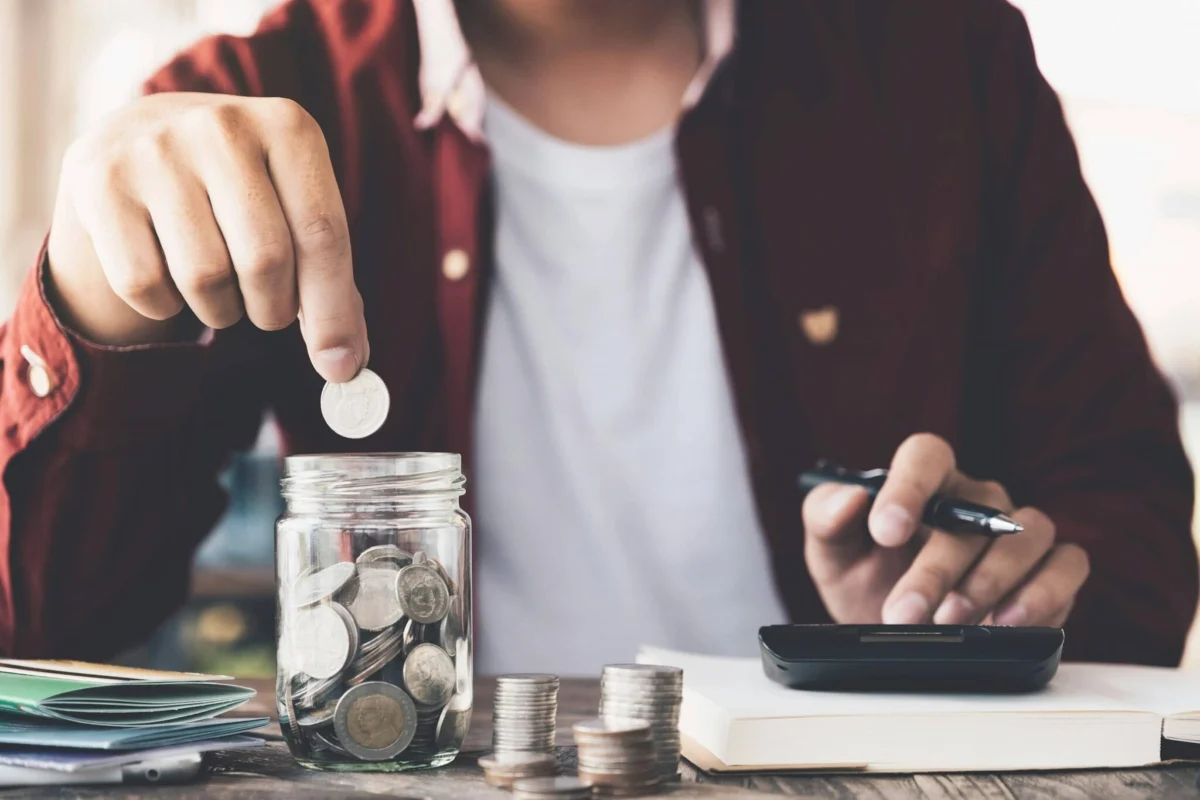
In a hyper-connected global economy, "time poverty" has become a pervasive issue. A 2023 study by the Harvard Business Review found that "time famine"—the feeling of having too much to do and not enough time to do it—is linked to lower levels of happiness and higher levels of anxiety. Unlike financial capital, time is a non-renewable resource. The luxury of time is no longer just about leisure; it is about "temporal autonomy," or the ability to choose how one spends their hours.
2. Holistic Health and Longevity
While healthcare services can be purchased, the state of "health" as a daily luxury is the result of long-term habits and environmental factors. The global wellness economy, valued at over $5.6 trillion according to the Global Wellness Institute, often attempts to commodify health through supplements and fitness memberships. However, the fundamental luxury of physical and mental vitality remains rooted in sleep, nutrition, and stress management—factors that require intentionality rather than just financial expenditure.
3. Cognitive Peace: The Quiet Mind
The "attention economy" has turned silence and focus into rare commodities. With the average person checking their smartphone dozens of times a day, the ability to maintain a "quiet mind" is now viewed as a high-tier luxury. Psychological research indicates that the constant bombardment of notifications and information leads to "cognitive load," which diminishes decision-making capabilities and increases emotional exhaustion.
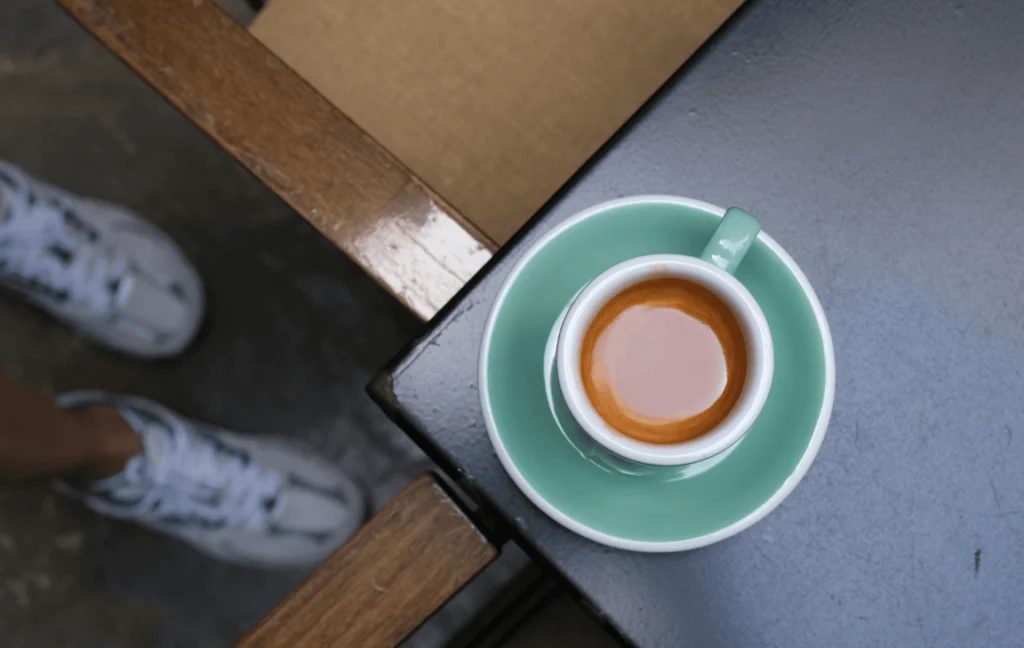
4. The Ritual of Slow Mornings
The concept of "slow mornings" stands in direct opposition to the "hustle culture" that dominated the early 2000s. This luxury represents a rejection of the immediate transition from sleep to productivity. Economists note that the ability to start one’s day without the pressure of an immediate commute or digital engagement is a marker of significant lifestyle design, often requiring a level of professional independence or disciplined boundary-setting.

5. Purpose-Driven Labor: Meaningful Work
Data from Gallup’s "State of the Global Workplace" reports consistently show that a vast majority of employees are either not engaged or actively disengaged at work. Meaningful work—defined as labor that aligns with an individual’s values and provides a sense of contribution—is increasingly viewed as a luxury because it remains elusive for many in the traditional labor market. The "Great Resignation" and the subsequent shift toward "Quiet Quitting" were symptoms of a workforce seeking this specific intangible asset.
6. Relational Wealth: A House Full of Love
The final luxury, a home characterized by stable, loving relationships, addresses the "loneliness epidemic" identified by the U.S. Surgeon General. While real estate can be acquired, the emotional atmosphere within a home is built through "presence" and emotional intelligence. Sociological data suggests that strong social ties are the single greatest predictor of long-term health and happiness, yet they are often sacrificed in the pursuit of the financial means to buy a "luxury" home.
The Economic Paradox of Counterfeit Luxuries
The global advertising industry spends hundreds of billions of dollars annually to convince consumers that intangible desires can be satisfied through tangible purchases. This creates what sociologists call "counterfeit luxuries." For example, a consumer may buy a high-end "smart" mattress to solve a problem that is actually caused by chronic work stress, or purchase an expensive vacation to mend a strained relationship.
Market analysts observe that these products offer a temporary "dopamine hit" but fail to address the underlying scarcity of the six true luxuries. The ease of a transaction—clicking "buy now"—is a powerful lure compared to the difficult, long-term work of fostering a quiet mind or building a house full of love. This creates a cycle of consumption where the consumer buys more in an attempt to reach a state of ease that can only be achieved through lifestyle changes.
Chronology of the Shift Toward Intentionality
The movement toward prioritizing these six luxuries has developed over several decades, gaining significant momentum during global crises:
- The 1990s: The "Simple Living" movement begins to gain traction as a counter-reaction to the excesses of the 1980s.
- 2008-2010: The Great Recession forces a re-evaluation of the "American Dream," leading many to question the stability of material wealth.
- 2010s: The rise of Minimalism, popularized by figures like Marie Kondo and Joshua Becker, focuses on decluttering physical spaces to gain mental clarity.
- 2020-2022: The COVID-19 pandemic acts as a massive catalyst. Lockdowns forced individuals to confront their home lives, their health, and the way they utilized their time, leading to a permanent shift in workplace expectations and personal priorities.
- 2023-Present: The emergence of "Soft Living" and "Slow Living" trends on social media reflects a younger generation’s desire to opt out of traditional status competitions in favor of the six luxuries.
Societal Implications and Structural Barriers
While the pursuit of these luxuries is a growing trend, analysts point out that they are not equally accessible to all segments of society. The ability to choose "slow mornings" or "meaningful work" often presupposes a level of financial stability that is not universal. However, the core of the "minimalist" argument is that by reducing the pursuit of material luxuries, individuals can free up the resources—time, energy, and money—needed to cultivate intangible ones.
The broader impact of this shift is visible in the changing corporate landscape. Companies are increasingly forced to offer "well-being" benefits, flexible work arrangements, and "purpose-driven" missions to attract talent that now values time and mental health over a slightly higher paycheck. This represents a fundamental shift in the "psychological contract" between employers and employees.
Conclusion: Building vs. Buying
The transition from a consumerist definition of luxury to one based on internal and relational well-being suggests a maturing global society. If the greatest luxuries in life cannot be bought, the focus of human effort must shift from "acquisition" to "cultivation."
Experts in psychology and economics agree that while the "counterfeit" versions of luxury are easier to market and sell, they are ultimately unsustainable. The six luxuries—time, health, a quiet mind, slow mornings, meaningful work, and love—require a different kind of investment: one of attention, intention, and discipline. As the viral sentiment suggests, a life rich in meaning is built one thoughtful decision at a time, rather than one purchase at a time. The ultimate expression of abundance in the modern age is not how much one owns, but how much of one’s life is under their own intentional control.