Michael Sholeh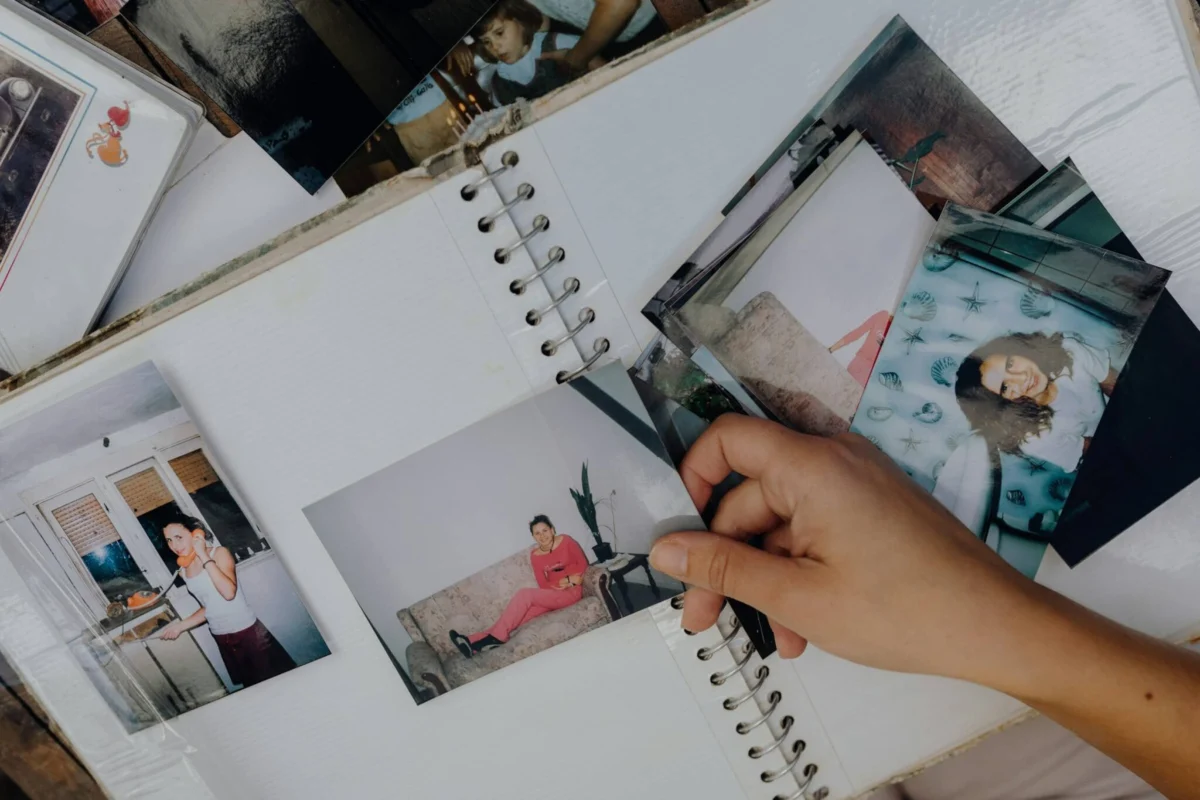
The passing of a family matriarch often precipitates a period of intense logistical and emotional strain for the survivors, yet the recent death of Elizabeth “Liz” Darago in Northeast Ohio has highlighted how proactive end-of-life planning can significantly mitigate the burdens of bereavement. Joe Darago, the Executive Director of the international non-profit The Hope Effect and a longtime family pastor, recently oversaw the funeral services for his aunt, the last of a generation that served as the emotional bedrock for a large, interconnected family. His observations from the experience provide a blueprint for what geriatric specialists and estate planners describe as "legacy intentionality"—a method of preparing for the inevitable that prioritizes the emotional well-being of the next generation over the mere distribution of assets.
The Context of a Generational Transition
Elizabeth Darago and her sister, Marilyn, represented a specific demographic within the American midwestern tradition: the dedicated aunts who, despite having no children of their own, invested their resources and time into a sprawling network of nieces and nephews. For decades, the sisters were constants at graduations, sporting events, and holiday gatherings in Northeast Ohio. However, as the sisters aged and faced mounting health challenges approximately ten years ago, they made the strategic decision to cohabitate, merging their households to reduce expenses and provide mutual care.
While this move solved immediate health and financial concerns, it created a significant logistical challenge. The Darago family, like many with deep roots in the Ohio River Valley, had a long history of retaining ancestral artifacts. Their shared residence became a repository for generations of documents, furniture from previous family homes, and remnants from a defunct family business stored in a musty basement. This accumulation of "sentimental clutter" is a common phenomenon in the United States; according to recent industry data, the "Great Wealth Transfer" currently underway involves not just trillions of dollars in liquid assets, but also billions of tons of physical possessions that many heirs feel ill-equipped to manage.
A Chronology of Intentionality
Approximately one year prior to her passing, Elizabeth Darago appeared to undergo a shift in perspective. Recognizing her declining health, she began a series of deliberate actions designed to streamline the transition for her heirs. This period of "pre-legacy work" focused on three distinct pillars: legal structuring, physical simplification, and communicative clarity.
The timeline of these events suggests a methodical approach to mortality. By the time Darago traveled back to Ohio to officiate the funeral, the groundwork laid by his aunt had already begun to bear fruit, allowing the family to focus on the communal grieving process rather than the administrative minutiae of death.
Pillar 1: Legal and Financial Structuring Through Trusts
One of the most impactful steps taken by Elizabeth Darago was the establishment of a living trust. As the owner of two properties, several retirement accounts, a life insurance policy, and a specialized coin collection, her estate was sufficiently complex to warrant professional oversight. By appointing an executor and clearly documenting the distribution of assets, she effectively bypassed the often-lengthy and public probate process.
Data from the American Bar Association suggests that probate can take anywhere from six months to two years to finalize, often consuming 3% to 7% of the estate’s total value in legal fees. By utilizing a trust, Darago ensured that her sister—serving as the executor—was spared the administrative "headaches" and potential for familial friction that often accompany intestate or poorly documented successions. Professional estate analysts note that financial ambiguity is the leading cause of fractured relationships among siblings and extended family during the inheritance process. The clarity of the trust allowed the Darago family to avoid these common pitfalls.
Pillar 2: The Psychological Impact of Physical Simplification
In her final year, Elizabeth Darago began a process similar to the Swedish concept of Döstädning, or "death cleaning." While she did not fully empty her home, she began a visible campaign of simplification. This included clearing out closets, labeling important papers, and setting aside items for donation.
The significance of this act extends beyond mere organization. A study published in the Journal of Environmental Psychology indicates that the presence of "clutter" in a decedent’s home can significantly increase the cortisol levels of grieving family members tasked with sorting through it. By reducing the volume of "unidentified" items, Darago performed a final act of service for her family.
Darago noted that during the funeral service, not a single attendee mentioned his aunt’s material possessions. Instead, the focus remained entirely on her presence and her ability to make others feel valued. This reinforces a core tenet of minimalism: that the weight of a life is found in its relationships rather than its artifacts. However, the artifacts that did remain were made more meaningful because they had been curated rather than simply left behind.

Pillar 3: The Role of the Family Historian
Perhaps the most unique element of Elizabeth Darago’s preparation was her willingness to engage in "hard conversations" about the future. She did not treat her impending death as a taboo subject; instead, she initiated discussions regarding the continuity of family traditions and the care of her aging pets.
In a move that estate planners call "legacy assignment," she specifically asked Joe Darago to take over the mantle of family historian. To facilitate this, she spent her final months gathering old photographs, handwritten letters, and explanatory notes. This proactive curation addressed a common problem in modern genealogy: the "anonymous photo" dilemma. Without the context provided by the living, historical artifacts often lose their value and are discarded by subsequent generations.
Industry experts in the "Death Over Dinner" movement argue that these conversations, while uncomfortable, are essential for healthy grieving. By explicitly stating her wishes, Elizabeth Darago removed the "guesswork" from the bereavement process, allowing her family to move forward with the confidence that they were honoring her specific intent.
Analysis of Implications for the "Silver Tsunami"
The experience of the Darago family serves as a pertinent case study for the broader demographic shift often referred to as the "Silver Tsunami." As the Baby Boomer generation ages, the burden of estate management is falling on Gen X and Millennial children who often value experiences and mobility over the accumulation of heirlooms.
The proactive steps taken by Elizabeth Darago suggest that the "ideal" end-of-life transition involves a move away from the "storage unit culture" toward a model of "living legacy."
- The Economic Impact: Clear legal documentation (trusts/wills) prevents the freezing of assets and reduces the burden on the overstretched judicial probate system.
- The Mental Health Impact: Pre-death decluttering reduces the "decision fatigue" experienced by grieving relatives, which is a known factor in prolonged grief disorder.
- The Cultural Impact: By documenting family history before it is lost, seniors can ensure that their family’s narrative survives the transition of generations.
Professional Recommendations for Families
Based on the outcomes observed in the Darago case, experts suggest three primary steps for families looking to replicate this smoother transition:
Initiating the Dialogue: Families should not wait for a terminal diagnosis to discuss end-of-life logistics. Inquiring about the existence of a will, power of attorney, and healthcare directives should be treated as a standard part of family financial planning.
Contextualizing the Artifacts: For items that are being kept, the "story" is the most valuable component. Experts recommend that seniors write names and dates on the backs of photographs and include "provenance notes" for heirlooms. This ensures that the next generation understands the why behind the object.
Verbalizing Gratitude in the Present: A recurring theme in Darago’s reflection was the importance of sharing sentiments while the loved one is still alive to hear them. Journalistic analysis of funeral trends shows an increasing move toward "living funerals" or "legacy celebrations" where the honoree is present to receive the gratitude of their community.
Conclusion
The death of Elizabeth Darago marks the end of an era for her family in Northeast Ohio, but the manner of her departure has left a lasting legacy of order and peace. By addressing the legal, physical, and emotional aspects of her estate before her passing, she transformed a potentially chaotic period of loss into a structured time of remembrance. Her actions underscore a vital truth in contemporary sociology: that minimalism and intentionality are not just lifestyle choices for the young, but are essential tools for providing a final, loving gift to those we leave behind. As Joe Darago continues his work with The Hope Effect, he carries with him the curated history of his family—a history made accessible by an aunt who was brave enough to plan for the end.