Reynand Holland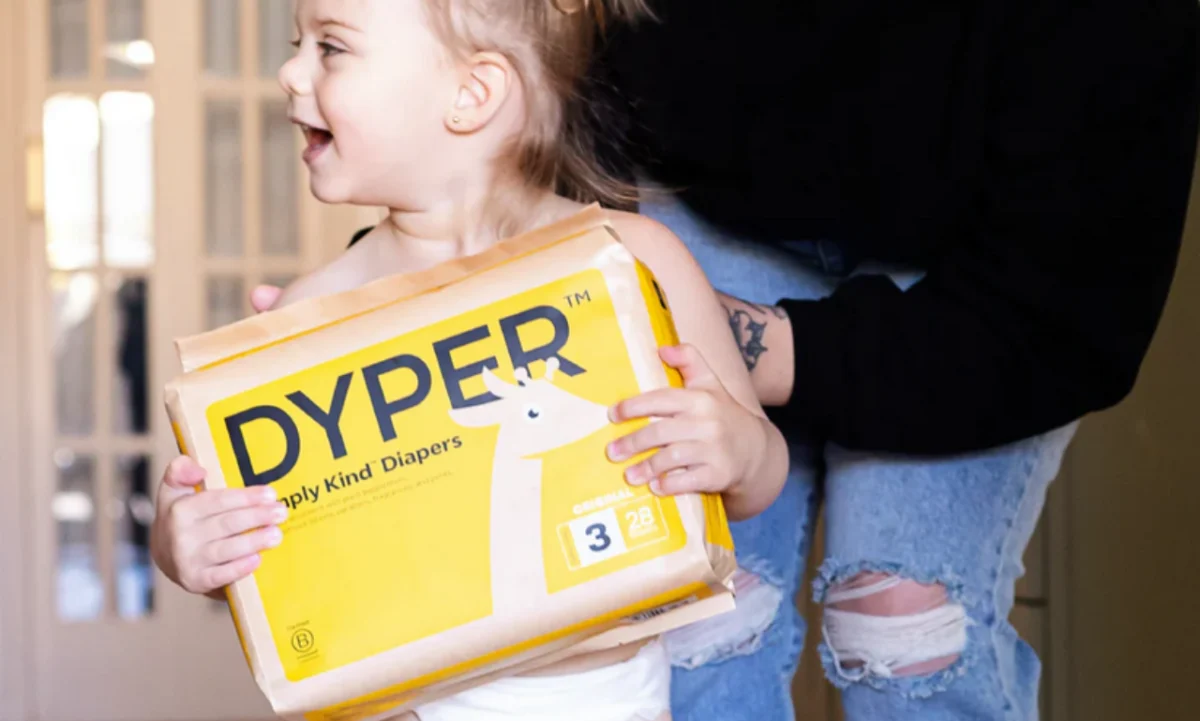
The undeniable reality of parenthood, especially in the early years, is the significant volume of waste generated by infants. This ubiquitous aspect of childcare has long been a concern for environmentally conscious families, prompting a closer examination of the materials used and their impact on both personal health and the planet. On average, a single baby will utilize approximately 6,000 diapers within their first two years of life. While reusable cloth diapers have historically been presented as the primary alternative to traditional disposable options, their adoption rate is often hindered by the demanding schedules and lifestyles of modern parents. This has led to a continued reliance on single-use disposable diapers, a product category facing increasing scrutiny not only for its environmental footprint but also for its potential health implications.
Traditional disposable diapers, beyond their contribution to landfill volume, present a complex health concern. The very composition of these everyday essentials is a subject of growing debate. From the synthetic plastic polymers that form their outer layers to the chemicals often incorporated for scent and absorbency, every component is subject to examination by health and environmental advocates. The use of fragrances, in particular, has been questioned for its necessity and potential to cause adverse reactions. Research has begun to draw links between certain chemicals found in disposable diapers and a range of health issues, including endocrine and reproductive disorders, acute skin rashes, and even potential links to certain types of cancer later in life. This concern is amplified by the minimal regulatory oversight concerning diaper contents. Unlike menstrual products, baby diapers are not subject to comprehensive chemical testing beyond lead. This leaves a significant gap in consumer protection, as carcinogens and endocrine-disrupting chemicals may go unaddressed.
The lifecycle of a disposable diaper, from production to disposal, underscores the environmental challenge. Once used, these items are typically collected with general household waste, contributing to the ever-growing volume of municipal refuse. This constant stream of discarded diapers exacerbates the strain on landfill capacity, a critical issue for communities worldwide. The sheer volume can be observed weekly at curbside, with overflowing bins serving as a visible testament to the scale of the problem.
It was this very observation—the overflowing trash bins filled with plastic diapers—that served as a pivotal moment for Tony Patron, founder of REDYPER™ and co-founder of Dyper. Alongside his business partner, the sight of this substantial waste stream ignited a conviction that a fundamental change was necessary. This realization marked the genesis of what would eventually evolve into Dyper, a company founded on the principle of creating diapers that are not only safe and high-performing but also environmentally responsible and non-toxic.
Pushing for Change in a Landfill-Bound Industry
Patron’s journey into the diaper industry was shaped by his dual role as a new father acutely aware of the waste his child generated, and as an engineer equipped with the problem-solving mindset to address it. His initial efforts involved exploring potential collaborations with companies already manufacturing compostable diapers. However, these discussions ultimately led to a merger, giving rise to Dyper. The company’s core mission from its inception has been to develop non-toxic, biodegradable diapers that significantly reduce both household waste and the broader environmental burden.

The Dyper product development team has undertaken a rigorous approach to ensure that the vast majority of their diaper components are biodegradable. While acknowledging that certain technological elements, such as the fasteners, are not yet available in fully biodegradable forms, the company is committed to minimizing the use of non-biodegradable materials wherever possible. "Our goal is to provide a diaper that performs equally to any other diaper on the market in terms of absorbency, fit, and comfort, and ensuring that we don’t have any skin irritation," Patron stated, emphasizing the balance between functionality and sustainability.
At the heart of Dyper’s product philosophy lies a commitment to plant-based materials. The diapers are primarily constructed using sustainably sourced fibers, including US-grown bamboo and eucalyptus, certified by the Forest Stewardship Council (FSC). The viscose bamboo used in their diapers is sourced from a supplier holding Oeko-Tex certification, a globally recognized standard for textile safety. Dyper further distinguishes itself through its commitment to transparency, with each layer of their diaper meticulously labeled to detail its specific components. This allows consumers to make informed choices about the materials in contact with their baby’s skin. The company’s dedication to bio-based content is evidenced by its products meeting Certified USDA BioPreferred standards, with diapers achieving at least 55% bio-based content and their accompanying wipes reaching an impressive 95%.
The safety of Dyper’s products is further validated by their adherence to Oeko-Tex standards. In a significant endorsement of their commitment to skin health, the brand recently achieved the DermaTest 5-Star Certification. This prestigious certification, awarded by an independent dermatological testing institute, guarantees that the diapers are hypoallergenic and will not cause adverse skin reactions, a critical consideration for parents of infants with sensitive skin. Beyond these certifications, Dyper voluntarily submits its products to third-party laboratory testing to rigorously verify their non-toxic properties and compostability.
Plants Over Plastic: A Paradigm Shift in Diapering
The overarching ethos driving Dyper’s innovation is encapsulated in their slogan, "plants over plastic for happy babies." This principle guides their material selection, prioritizing plant-based alternatives over conventional synthetic materials and harmful chemical additives. By eschewing ingredients like phthalates, latex, and parabens—common irritants found in many supermarket diapers—Dyper offers a gentler, more natural option for a baby’s delicate skin. The inherent properties of natural fibers also contribute to a more comfortable and breathable diapering experience. Furthermore, the brand’s emphasis on responsibly sourced materials provides parents with the assurance that their choices contribute to a more sustainable supply chain.
The benefits of Dyper diapers extend beyond infant well-being and environmental consciousness. The company recognizes that for parents, practicality and performance are paramount. Their diapers are engineered to be highly functional, effectively preventing leaks and minimizing the occurrence of diaper rash, thereby contributing to a happier and more comfortable baby. This performance is achieved without compromising on their sustainability credentials.
A key differentiator for Dyper is their optional REDYPER program, which offers a convenient solution for diaper disposal. Available in select regions, this service provides a pathway for used diapers and wipes to be collected and composted. The brand’s "plants over plastic philosophy" also extends to its packaging, where efforts are made to utilize sustainable materials, further reducing the company’s overall environmental impact. This holistic approach demonstrates that parents do not need to make a compromise between choosing effective diapers and opting for sustainable ones; Dyper aims to provide both.
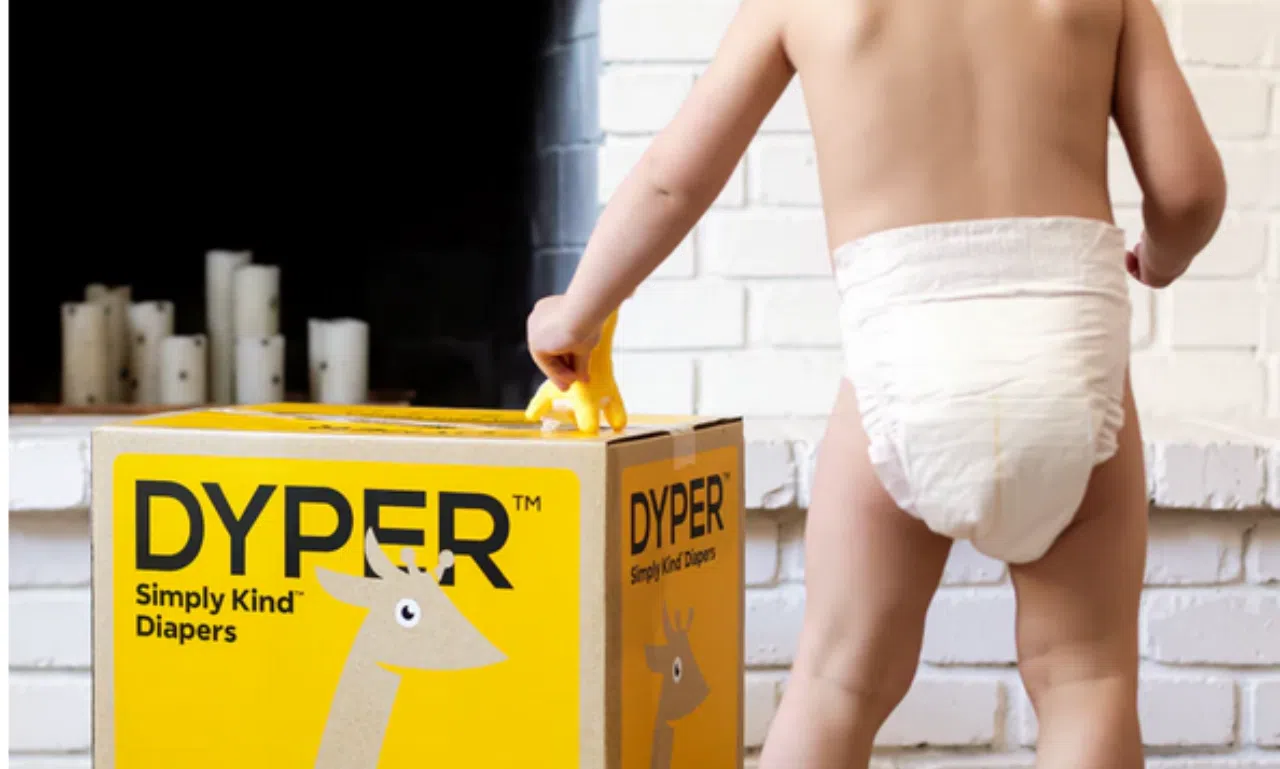
Making It Easy: Convenience Meets Sustainability
Dyper offers flexible purchasing options to accommodate the diverse needs of parents. Customers can opt for convenient subscription services, ensuring a regular supply of diapers, or choose one-time purchases. The company provides a wide range of sizes to cater to babies as they grow. In certain geographical areas, Dyper further enhances convenience through a weekly or bi-weekly pickup service for used diapers and wipes. This innovative service is facilitated through partnerships with regional composting facilities. These facilities are equipped to process the biodegradable components of the diapers, breaking them down within a timeframe of 14 to 16 weeks. Any materials that cannot be composted are then removed and disposed of responsibly. As of the latest reporting, the REDYPER program has successfully diverted over 14 million pounds of waste from landfills, showcasing a tangible impact on waste reduction efforts.
By choosing Dyper, consumers are not merely selecting a high-performing diaper; they are actively participating in a commitment to sustainability, transparency in product composition, and superior baby care. This conscious choice reflects a growing awareness among parents about the environmental and health implications of everyday products and a desire to align their purchasing decisions with their values. The company’s forward-thinking approach, combining innovative product design with practical disposal solutions, positions it as a leader in the evolving landscape of eco-conscious baby care.
The environmental impact of disposable diapers has been a subject of increasing concern for decades. Historically, the introduction of disposable diapers in the mid-20th century revolutionized convenience for parents. However, the widespread adoption of these products has led to an unprecedented accumulation of plastic waste. Traditional disposable diapers are primarily composed of petroleum-based plastics, superabsorbent polymers (SAPs), and various chemical additives. These materials are not readily biodegradable, meaning they can persist in landfills for hundreds of years. The sheer volume of diapers entering the waste stream globally represents a significant environmental challenge, contributing to landfill overflow, potential soil and water contamination, and the release of greenhouse gases during decomposition.
The health concerns associated with conventional diapers are also gaining traction. The chemicals used in disposable diapers, such as dioxins, phthalates, and volatile organic compounds (VOCs), have been flagged by health organizations. Dioxins, often byproducts of the bleaching process used for the absorbent materials, are persistent organic pollutants that can accumulate in the body and have been linked to reproductive and developmental problems, as well as cancer. Phthalates, commonly used to increase the flexibility of plastics, are known endocrine disruptors that can interfere with hormone function. VOCs can be released into the air, potentially irritating a baby’s respiratory system and skin. The lack of stringent regulation for these chemicals in baby products leaves parents with limited information and recourse, driving demand for transparent and safer alternatives.
The development of Dyper and its REDYPER program represents a significant step towards addressing these multifaceted issues. By focusing on plant-based, biodegradable materials and offering a composting solution, Dyper provides a tangible alternative that mitigates both the waste and health concerns associated with conventional diapers. The company’s commitment to transparency, evidenced by detailed material labeling and third-party certifications, empowers parents to make informed choices aligned with their values. The success of the REDYPER program in diverting millions of pounds of waste from landfills underscores the potential for innovative solutions to address systemic environmental problems.
The broader implications of Dyper’s approach extend beyond the diaper industry. It signals a growing consumer demand for sustainable and health-conscious products across all sectors. As more parents prioritize eco-friendly and non-toxic options for their children, companies that can offer such solutions are poised for growth. The success of Dyper may also inspire further innovation within the diaper market, encouraging other manufacturers to invest in sustainable materials and practices. The journey from an overflowing trash bin to a company offering a comprehensive solution highlights the power of individual initiative and entrepreneurial vision to drive meaningful change in addressing pressing environmental and health challenges.