
 Indra Kusuma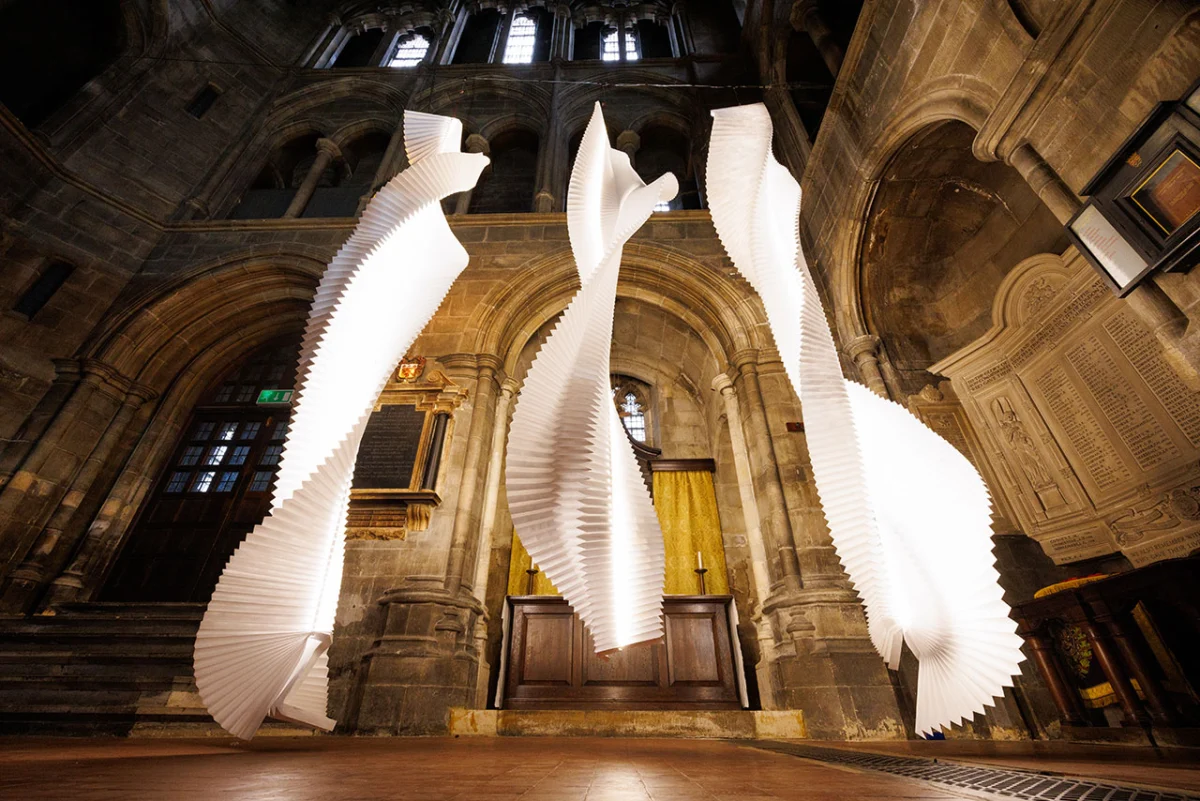
The American Hardwood Export Council (AHEC) recently reinforced its distinctive philosophy at the 15th edition of Clerkenwell Design Week, an event celebrated under the poignant strapline, "Where Design Belongs." For AHEC, involvement in such a prestigious design festival transcends mere product display or brand advertising; it is a profound commitment to fostering a deeper understanding of materials, their origins, and the intricate supply chains that bring them to life. Unlike conventional exhibitors selling finished chairs, tables, or consumer goods, AHEC champions a comprehensive way of thinking that begins long before an object ever graces a showroom floor or a collector’s private space. Its presence at Clerkenwell underscored a fundamental belief: true creativity flourishes when designers, makers, manufacturers, and the public are equipped with the knowledge to appreciate materials beyond their surface aesthetics.
AHEC’s Unique Advocacy: Beyond the Showroom Floor
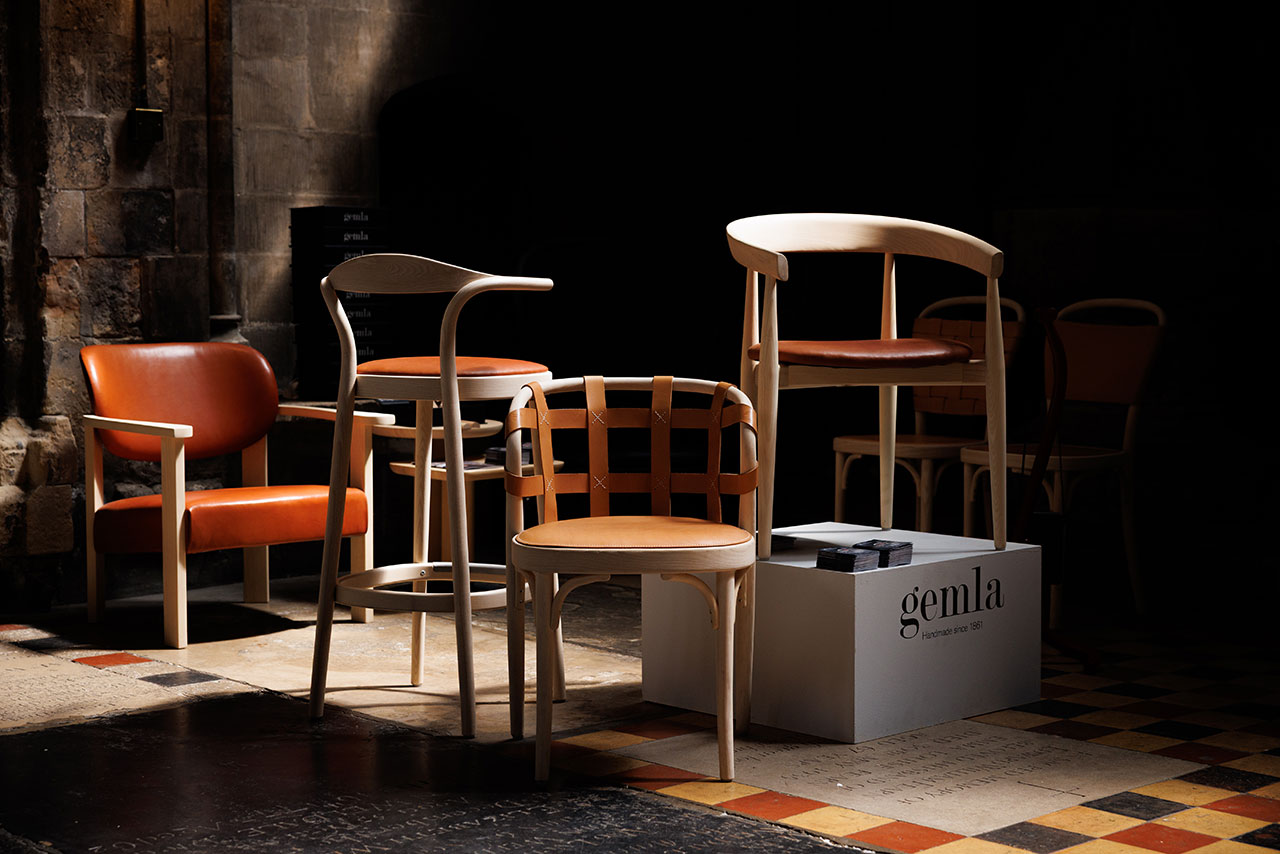
AHEC operates on a global scale, serving as the leading international trade association for the American hardwood industry. Its mission extends far beyond commercial promotion, focusing instead on raising awareness about the environmental credentials, versatility, and design potential of sustainable American hardwoods. David Venables, European Director for AHEC, succinctly articulates this non-traditional approach: "We don’t advertise; we create content." This strategy manifests in various educational initiatives, research projects, and collaborations with designers and architects worldwide, all aimed at fostering material literacy.
The organization’s advocacy delves into critical topics such as responsible forest management, species diversity, provenance, and the often-overlooked systems that underpin design production. In an era increasingly conscious of environmental impact, AHEC’s emphasis on these factors encourages a shift from ephemeral trends to genuinely forward-thinking, sustainable design practices. The U.S. hardwood forest, for instance, is a testament to sustainable management, with independent data consistently showing that the volume of hardwood growing stock has more than doubled since the 1950s, while annual harvests remain significantly below annual growth. This verifiable sustainability is a cornerstone of AHEC’s message, highlighting hardwoods not just as beautiful materials but as renewable resources managed with foresight. By promoting less commercially common species and encouraging the use of lower-grade timber, AHEC actively contributes to minimizing waste and maximizing the utilization of the entire forest resource, aligning perfectly with circular economy principles.
Clerkenwell Design Week: A Nurturing Ground for Ideas
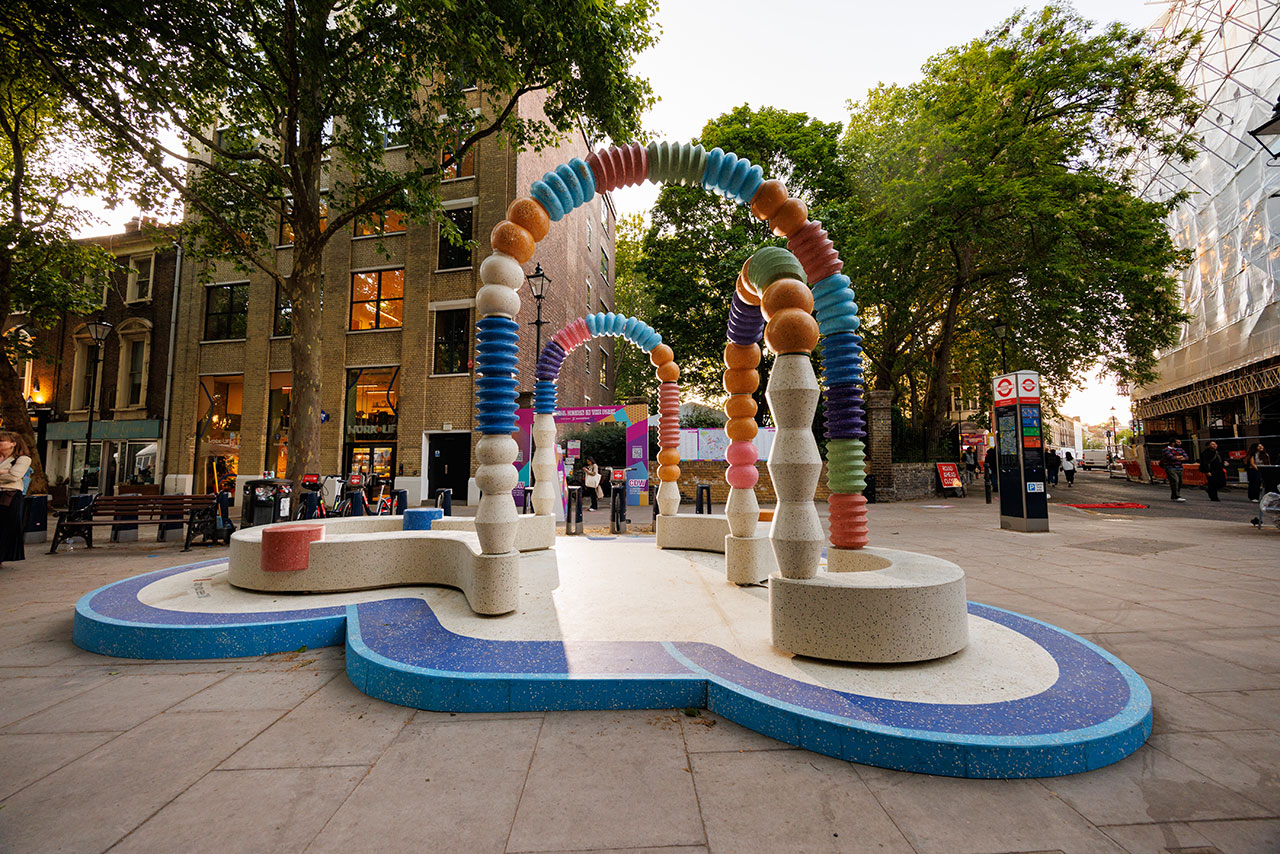
Clerkenwell Design Week, now in its fifteenth year, has carved out a unique niche in the global design calendar. Initiated in 2010, the festival has grown organically, transforming London’s historic EC1 district into an expansive, dynamic showcase for innovation and thought leadership in design. Unlike the often overwhelming scale of larger international fairs, Clerkenwell offers a more intimate, navigable, and conversational platform. This characteristic makes it particularly well-suited to AHEC’s mission of facilitating deeper discussions rather than rapid commercial transactions.
The festival’s enduring strength lies in its decentralized nature, spreading across Clerkenwell’s dense network of permanent showrooms, historic venues, pop-up installations, thought-provoking talks, and temporary activations. This allows ideas to circulate at a human scale, fostering genuine engagement and exchange among attendees. The district itself, a historical hub for craftsmanship and design, provides an authentic backdrop, grounding the event in a tangible community rather than a purpose-built exhibition hall. This sense of place reinforces the festival’s identity and its strapline, "Where Design Belongs," creating an environment where design feels intrinsically connected to its urban context.
Evolution and Expansion: The 2026 Edition Highlights
The 2026 edition of Clerkenwell Design Week demonstrated continued growth and innovation, further solidifying its position as a pivotal event for the design community. Key advancements aimed at enhancing the visitor experience and expanding the festival’s reach included the introduction of the dedicated Clerkenwell Design Week app. This digital companion served as an invaluable tool for attendees, offering seamless navigation of the sprawling festival, discovery of participating brands, access to the comprehensive talks program, and the convenience of storing visitor badges digitally. This technological integration underscored the festival’s commitment to modern accessibility and efficiency.
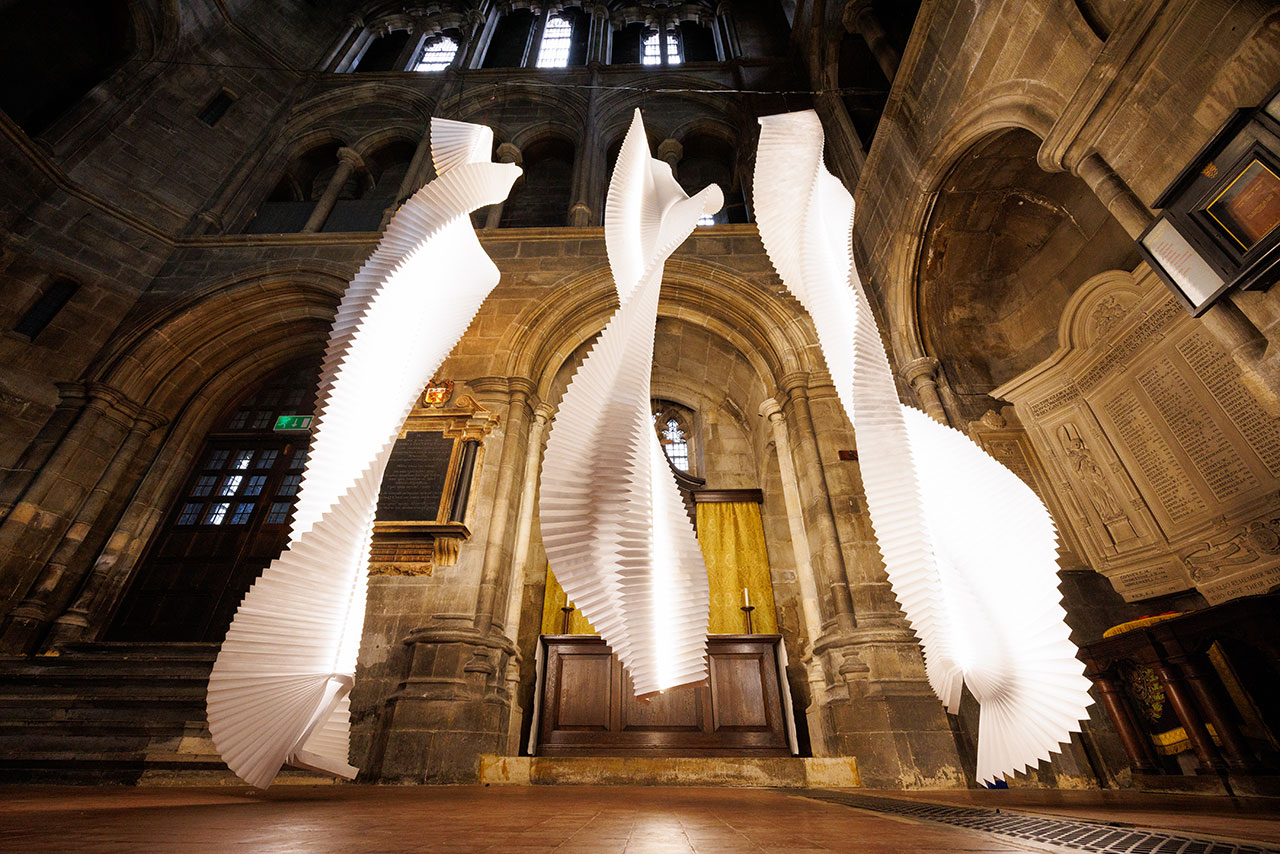
The physical footprint of the event also saw significant expansion with the incorporation of new, prestigious destinations. "The Luxury Edit" at Haberdashers’ Hall brought a curated selection of high-end design, while the "Church of Design" and "The Charterhouse" offered unique architectural backdrops for innovative installations and exhibitions. These additions not only extended the festival’s geographical scope within EC1 but also diversified the types of experiences available to visitors, ranging from contemporary showcases to historically rich settings. Furthermore, the 2026 edition boasted a robust international presence, with dedicated showcases from countries such as Spain, Italy, Austria, and Denmark, among others. This growing global participation underscored Clerkenwell Design Week’s increasing resonance on the international stage, attracting a diverse array of design professionals and enthusiasts from across the world. David Venables of AHEC Europe expressed considerable enthusiasm for this evolution, noting the "really exciting" energy around Clerkenwell and emphasizing the importance of supporting creative platforms in culturally rich cities like London.
The Clerkenwell Design Week Awards: A Lesson in Materiality

AHEC’s involvement with the Clerkenwell Design Week Awards perfectly encapsulated its educational ethos. Eschewing the conventional sponsorship model of merely branding a trophy, AHEC seized the opportunity to transform the award itself into a tangible material lesson. This innovative approach resulted in a series of sculptural wooden awards designed by the emerging maker Henry Marks, crafted from American cherry. The deliberate choice of American cherry, specifically lower-grade timber, was central to AHEC’s message.
In conventional markets, timber with natural characteristics like knots, sapwood, and significant color variations is often overlooked or considered "lower grade." However, AHEC and Henry Marks championed these very qualities, highlighting them as authentic expressions of the wood’s life and growth. Each award was inherently unique, displaying its own distinct grain pattern, individual knots, and subtle color variations—evidence of the tree’s journey. This approach challenged prevailing notions of perfection and uniformity in design, advocating for an appreciation of natural difference.
Moreover, the selection of American cherry offered an additional layer to the material lesson. Cherry wood is renowned for its graceful aging process, gradually darkening and deepening in hue with exposure to light over time. This transformative quality means the award is not a static object but a living demonstration of how natural materials evolve and gain character over time. As David Venables noted, this evolution is precisely the point: the award becomes a tactile encounter with a natural material whose true value lies not in a manufactured uniformity but in its inherent, evolving distinctiveness. It encourages recipients to see imperfections not as flaws, but as narratives embedded within the material, fostering a deeper, more respectful relationship with the natural world.

Implications for a Sustainable Design Future
AHEC’s presence at Clerkenwell Design Week, particularly through initiatives like the awards, speaks to broader implications for the future of the design industry. In a world saturated with product launches, fleeting trends, and visual spectacle, AHEC’s consistent focus on material education serves as a vital counter-narrative. It reminds the design community that genuine innovation and sustainability are deeply rooted in understanding the fundamental properties, provenance, and environmental impact of the materials we choose.
This emphasis on material literacy is increasingly critical as designers face mounting pressure to create more sustainable and ethically produced objects. By advocating for a holistic understanding of the material lifecycle – from responsible forestry and efficient processing to design for longevity and end-of-life considerations – AHEC helps equip designers with the knowledge necessary to make informed choices. This knowledge can lead to more resilient products, reduced waste, and a minimized ecological footprint across the entire design and manufacturing process.
The festival’s intimate setting, coupled with AHEC’s educational outreach, provides a rare opportunity for diverse stakeholders—from established architects and designers to emerging talent, manufacturers, specifiers, journalists, and the curious public—to engage in meaningful dialogue. This exchange of ideas, conducted with curiosity rather than commercial haste, is crucial for nurturing a design culture that values depth over superficiality. It underscores the profound insight that design’s future hinges as much on informed education and responsible stewardship as it does on groundbreaking invention. AHEC’s contribution to Clerkenwell Design Week therefore transcends mere participation; it enhances the very atmosphere of the festival by bringing the conversation back to the material origins of design itself, paving the way for a more conscious and sustainable creative landscape.
To explore further highlights from this year’s programming, visit clerkenwelldesignweek.com.
Photography by Sam Frost Photography.







