
 Ali Ikhwan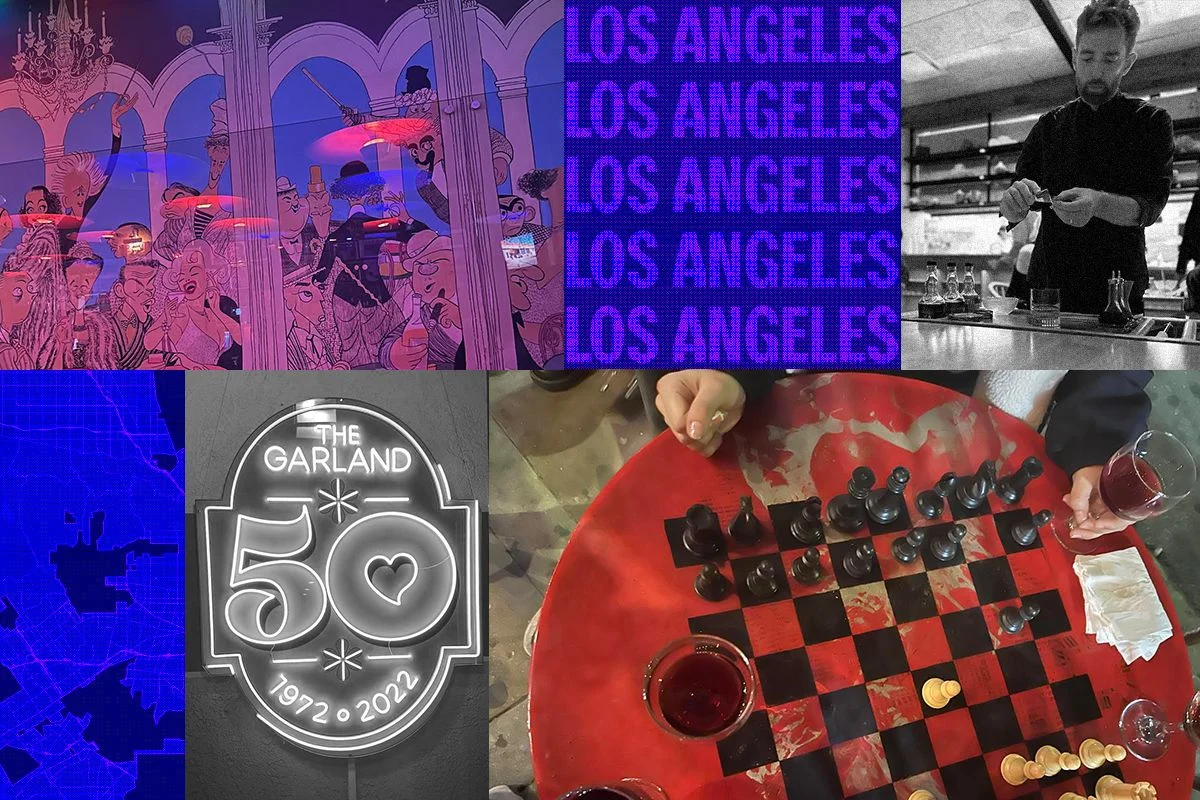
As the second-largest city in the United States, Los Angeles remains a global hub for the entertainment, aerospace, technology, and fashion industries. According to the Los Angeles Tourism & Convention Board, the city welcomed approximately 46.2 million visitors in 2022, signaling a robust recovery in the hospitality and travel sectors. To navigate this "Olympic-size deep-end pool" of culture effectively, one must adopt a strategic approach to geography, productivity, and leisure.

Strategic Urbanism: The Geography of Accommodation
The primary directive for any visitor to Los Angeles is the reduction of transit time. The city’s infamous traffic patterns necessitate a "base camp" strategy, where lodging is chosen based on its proximity to one’s primary business engagements. The decentralized nature of the Los Angeles economy has led to the rise of distinct hospitality hubs, each offering a different facet of the city’s identity.
In the Eastside neighborhoods of Silver Lake and Los Feliz, the Silver Lake Pool & Inn serves as a modern archetype of the boutique hotel. Located at the junction of Sunset and Santa Monica Boulevards, it provides access to the burgeoning creative class in Echo Park and East Hollywood. This region has seen significant gentrification and investment over the last decade, transitioning from a gritty urban core to a center for "upwardly mobile young urban adults."

Conversely, Downtown Los Angeles (DTLA) has undergone a multi-billion-dollar revitalization. The Proper Hotel, designed by Kelly Wearstler, exemplifies the integration of the city’s Art Deco heritage with global influences from Morocco and Spain. DTLA is the city’s center of gravity for those attending events at the Los Angeles Convention Center or the sports and entertainment complex at L.A. Live. Historical data shows that DTLA’s residential population has tripled since 2000, driving a parallel boom in high-end hospitality and dining.
For those with interests in the academic or tech sectors near UCLA and Sawtelle, the Westside offers more traditional yet stylish options like the Palihotel Westwood Village. Meanwhile, the San Fernando Valley—immortalized in the films of Paul Thomas Anderson—remains the heart of the television and film industry. The Garland in North Hollywood provides a Spanish Colonial aesthetic that caters to industry professionals and families alike.

Finally, the Chateau Marmont on Sunset Boulevard remains a singular entity in the global hospitality landscape. Built in 1929 and modeled after a chateau in the Loire Valley, it serves less as a hotel and more as a repository of Hollywood history. From the compositions of Duke Ellington to the rehearsals of James Dean, the Chateau represents the "myth and history" of Los Angeles, offering an atmosphere that is as much about cultural legacy as it is about lodging.
The Decentralized Office: Innovation in Coworking
Los Angeles has become a primary center for the "gig economy" and freelance professional services. This shift has necessitated a sophisticated infrastructure of coworking spaces that double as creative campuses. The Centrl Office chain, with locations in DTLA and the "Silicon Beach" enclave of El Segundo, provides a traditional corporate-adjacent model with high-speed infrastructure and virtual office options.

However, the city’s most distinctive workspaces are those that repurpose historical architecture. The Preserve in Hollywood, located in a building designed by the legendary Paul Revere Williams, features over 6,000 plants and an indoor-outdoor working environment. Williams, the first African American member of the American Institute of Architects (AIA), left an indelible mark on the city, and the renovation of this facility represents a broader trend of "adaptive reuse" in Los Angeles urban planning.
Similarly, the Rita House—a 1927 Spanish Colonial structure originally used for prop and costume design—now serves as a boutique coworking space focused on content production. With dedicated rooms for self-tape auditions and podcasting, it reflects the specific needs of the Los Angeles labor market, where networking and content creation are fundamental business activities.

A Culinary Mosaic: Economic and Cultural Implications
The culinary landscape of Los Angeles is a primary driver of its "soft power." In 2019, the Michelin Guide returned to Los Angeles after a decade-long hiatus, acknowledging the city’s status as a premier global food destination. The diversity of the city’s food scene—ranging from the high-concept Indian sports bar Pijja Palace to the Texas-style brisket at Moo’s Craft Barbecue—reflects its demographic complexity.
Long-standing institutions continue to provide the city’s culinary bedrock. Spago, opened by Wolfgang Puck in 1982, defined California cuisine for a generation and remains a cornerstone of Beverly Hills dining. Langer’s Deli, located near MacArthur Park since 1947, is frequently cited by critics as the premier Jewish deli in the United States. Its persistence in an area that has faced significant socio-economic challenges highlights the role of "legacy businesses" in maintaining the city’s cultural continuity.

In the San Fernando Valley, Anajak Thai represents the evolution of the family-owned restaurant. Under the leadership of Justin Pichentrungsi, a former concept designer for Disney, the restaurant has gained national acclaim for its "Thai Taco Tuesday" and exhaustive wine list. This fusion of traditional family heritage with modern, multimodal business strategies is a recurring theme in the Los Angeles hospitality sector.
For large-scale business entertaining, Majordomo in the Arts District serves as a flagship for the Momofuku Group. Its ability to accommodate large parties while maintaining a high standard of culinary innovation makes it a vital asset for the city’s executive class.

The Mixology Renaissance and Historic Drinking Dens
The Los Angeles bar scene is a study in contrasts, ranging from the high-altitude luxury of Dante at the Maybourne Beverly Hills to the "dens of iniquity" that have served the city for nearly a century. Dante, a transplant from New York City, offers a panoramic view of the Westside, representing the globalization of "cool" in the cocktail industry.
In contrast, the city’s historical bars offer a "tangible piece of Los Angeles history." The HMS Bounty and the Frolic Room are more than just drinking establishments; they are cultural landmarks. The Frolic Room, adjacent to the Pantages Theatre, features an original Al Hirschfeld mural and a shrine to Charles Bukowski, serving as a reminder of the city’s gritty, noir-inflected past. These venues provide a necessary counterweight to the polished, tech-driven developments in other parts of the city.

Cultural Capital and Future Outlook
Beyond business and dining, Los Angeles offers a robust cultural infrastructure. The Broad museum, LACMA, and the Getty Museum are central to the city’s identity as an international art hub. The Broad’s permanent collection, featuring works by Basquiat, Warhol, and Yayoi Kusama, is a testament to the private philanthropic investment that has fueled the city’s cultural boom.
Furthermore, the city’s "outdoor economy"—centered on hiking trails in Griffith Park and Malibu—is an essential component of the local lifestyle. The Point Dume Cove Trail and Malibu Canyon provide not only recreation but also historical context, having served as filming locations for iconic American cinema.

As Los Angeles prepares to host the 2028 Summer Olympics, the city is undergoing a period of intense infrastructure development. Projects such as the expansion of the Metro Rail system and the modernization of LAX are designed to better connect the "overlapping metaphysical geographies" that define the city. For the business traveler, these improvements promise a more integrated experience, though the city’s core identity will likely remain rooted in its beautiful, intimidating, and endlessly diverse multitudes. In the words of the local vernacular, the "City of Angels" continues to contain multitudes, remaining a place where one can simultaneously work, play, and lose oneself in a bottomless pool of global culture.







