rifanmuazin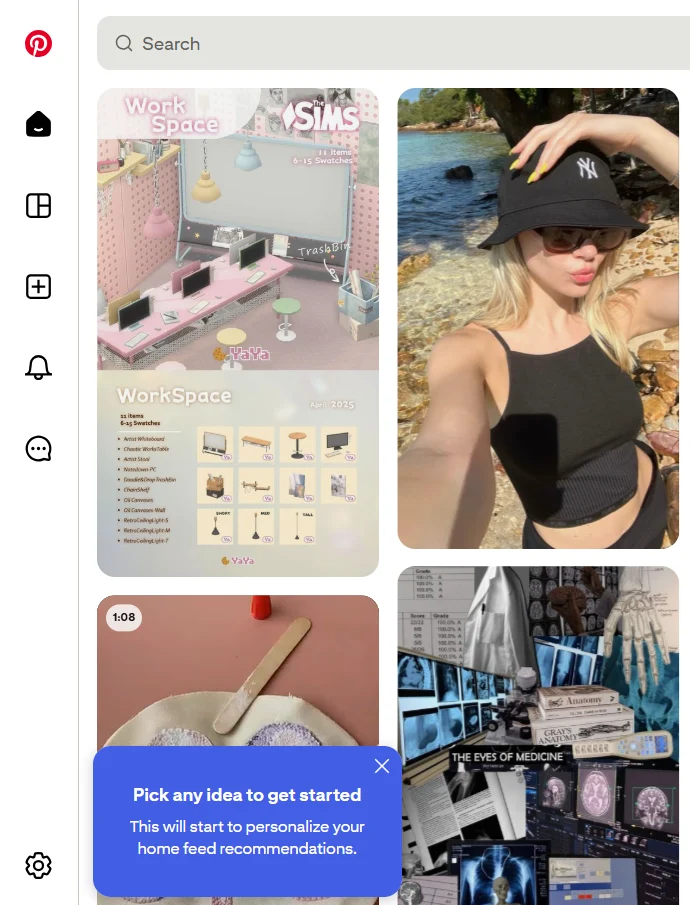
Pinterest, often distinct from conventional social media platforms, continues to carve out a significant niche as a visual discovery engine, proving indispensable for both individual users seeking inspiration and businesses aiming for high-intent consumer engagement. With a global active user base reported at 619 million, the platform’s unique value proposition lies in its function as a virtual pinboard where users proactively seek and organize ideas, translating directly into tangible consumer actions and purchases. This distinct operational model positions Pinterest not merely as a content-sharing site but as a powerful pre-purchase decision-making tool.

The platform’s enduring appeal stems from its ability to fulfill a fundamental human desire for planning and aspiration. Unlike the often reactive, feed-driven consumption patterns on platforms such as TikTok or Instagram, Pinterest users typically arrive with a specific intent. Whether it’s to conceptualize a living room redecoration, curate a capsule wardrobe, or research productivity tools, the user journey on Pinterest is inherently goal-oriented. This intent-driven behavior is a critical differentiator, fostering an environment where commercial engagement feels natural rather than intrusive. Data from Pinterest itself highlights this, indicating that over 85% of its users have made a purchase influenced by pins from brands, underscoring its potent role in the consumer purchasing funnel.
The Evolution of a Visual Search Engine
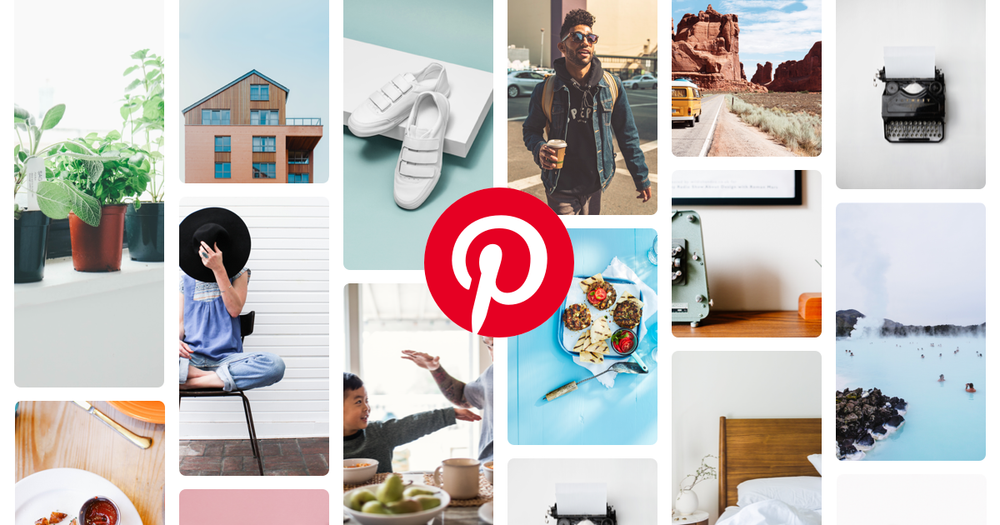
Since its launch in 2010, Pinterest has steadily evolved from a simple bookmarking site into a sophisticated visual search engine. Its initial concept, allowing users to "pin" images they found inspiring onto digital "boards," tapped into a universal human tendency to collect and organize. This foundational design principle remains central, defining its user experience and differentiating it from the ephemeral content streams prevalent elsewhere. Expert analysis, such as that offered by Pinterest marketing specialist Heather Farris, aptly describes the platform as the "baby of Google Images and Instagram," a hybrid model that combines visual aestheticism with powerful search functionality. This blend enables users to not only discover beautiful imagery but also to actively search for solutions, products, and ideas relevant to their lives and aspirations.
The platform’s continuous development has seen the introduction of features designed to enhance this discovery and planning process. From smart recommendations that learn user preferences to robust search filters and shoppable pins, Pinterest has systematically built an ecosystem that facilitates the journey from inspiration to action. This trajectory underscores a strategic focus on utility and long-term value for its users, contrasting with the often transient nature of trends on other social media giants.
User Demographics and High Purchase Intent
A 2024 report by DataReportal sheds further light on Pinterest’s user behavior, revealing that a significant 36.6% of active users primarily engage with the app to follow or research brands and products. This statistic is particularly compelling for businesses and marketers, as it indicates a user base actively predisposed to commercial interaction. This proactive research behavior is a cornerstone of Pinterest’s commercial strength. Users are not passively scrolling but are actively seeking solutions, products, and services that align with their evolving needs and interests.
The demographic profile of Pinterest users also contributes to its attractiveness for brands. While user demographics are diverse, Pinterest has historically shown strength among female users, particularly those in decision-making roles within households concerning purchases related to home, fashion, and lifestyle. This demographic often represents a highly valuable segment for a wide array of consumer brands. Furthermore, "Pinners are also planners," as noted by Farris, meticulously curating boards that serve as visual blueprints for future endeavors. This meticulous planning translates into a higher intent to purchase and often a greater spend per purchase when compared to users on other platforms. This makes Pinterest an invaluable channel for businesses seeking to reach consumers at a critical stage in their decision-making process.
Pinterest as a Strategic Marketing Imperative
For businesses and creators seeking to monetize their offerings, integrating Pinterest into their marketing strategy is no longer optional but a strategic imperative. The platform’s unique algorithm plays a pivotal role in this. Unlike many social media feeds where content visibility is often dictated by recency or follower count, Pinterest’s algorithm functions more like a search engine. This means users do not necessarily need to follow a particular account to discover its content. Instead, well-optimized pins can appear in search results or recommended feeds based on relevance to a user’s query, even if the content was published months or years ago. This "evergreen" quality of content on Pinterest provides a distinct advantage, offering prolonged visibility and sustained traffic generation that is uncommon on other digital platforms.
"Pinterest will send you traffic for the long run," Farris emphasizes, sharing personal experiences of pins continuing to drive website traffic five, six, or even seven years after initial publication. This longevity represents a significant return on investment for content creation, contrasting sharply with the fleeting lifespan of posts on platforms prioritizing immediate engagement.
Navigating the Platform: Account Types and Content Creation
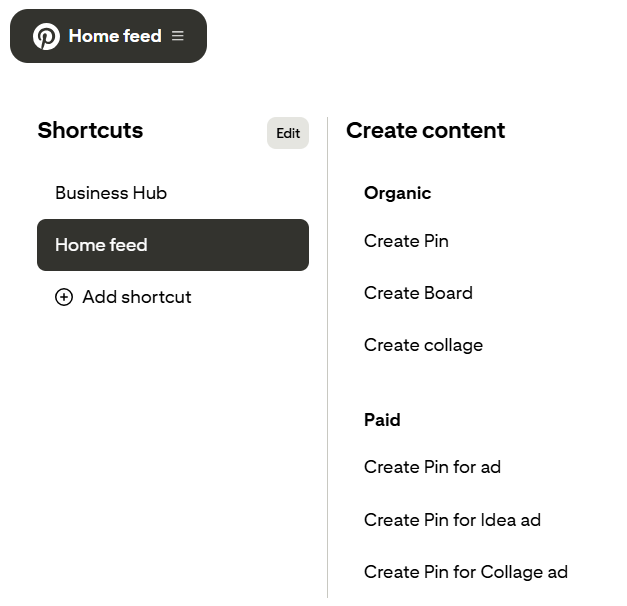
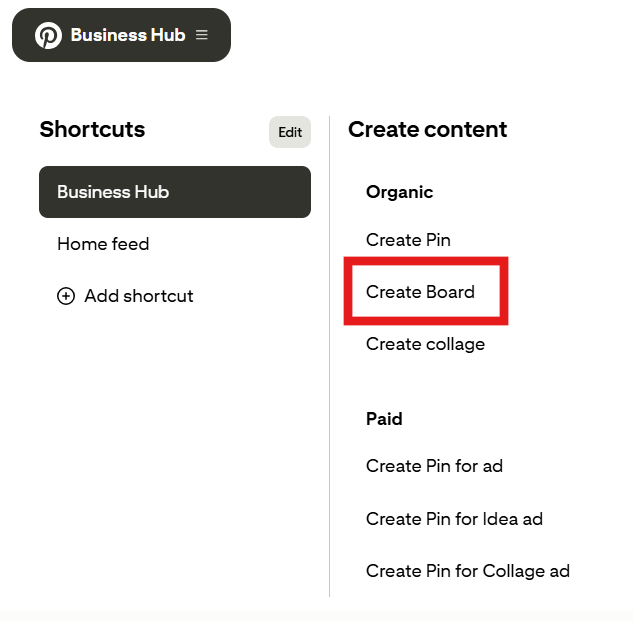
Pinterest offers both personal and business accounts, each tailored to different user objectives. While personal accounts are ideal for individual users seeking inspiration and organizing ideas for private use, business accounts unlock a suite of powerful tools essential for creators, businesses, and marketers. These include Pinterest Analytics, offering deep insights into content performance; advertising capabilities (idea ads, video ads, carousels, collection ads) for paid promotion; product catalogs for e-commerce integration; and access to the Pinterest Business Hub/Creator Hub for enhanced management and resources. The flexibility to convert a personal account to a business account or link a business account to an existing profile simplifies adoption for those already familiar with the platform.
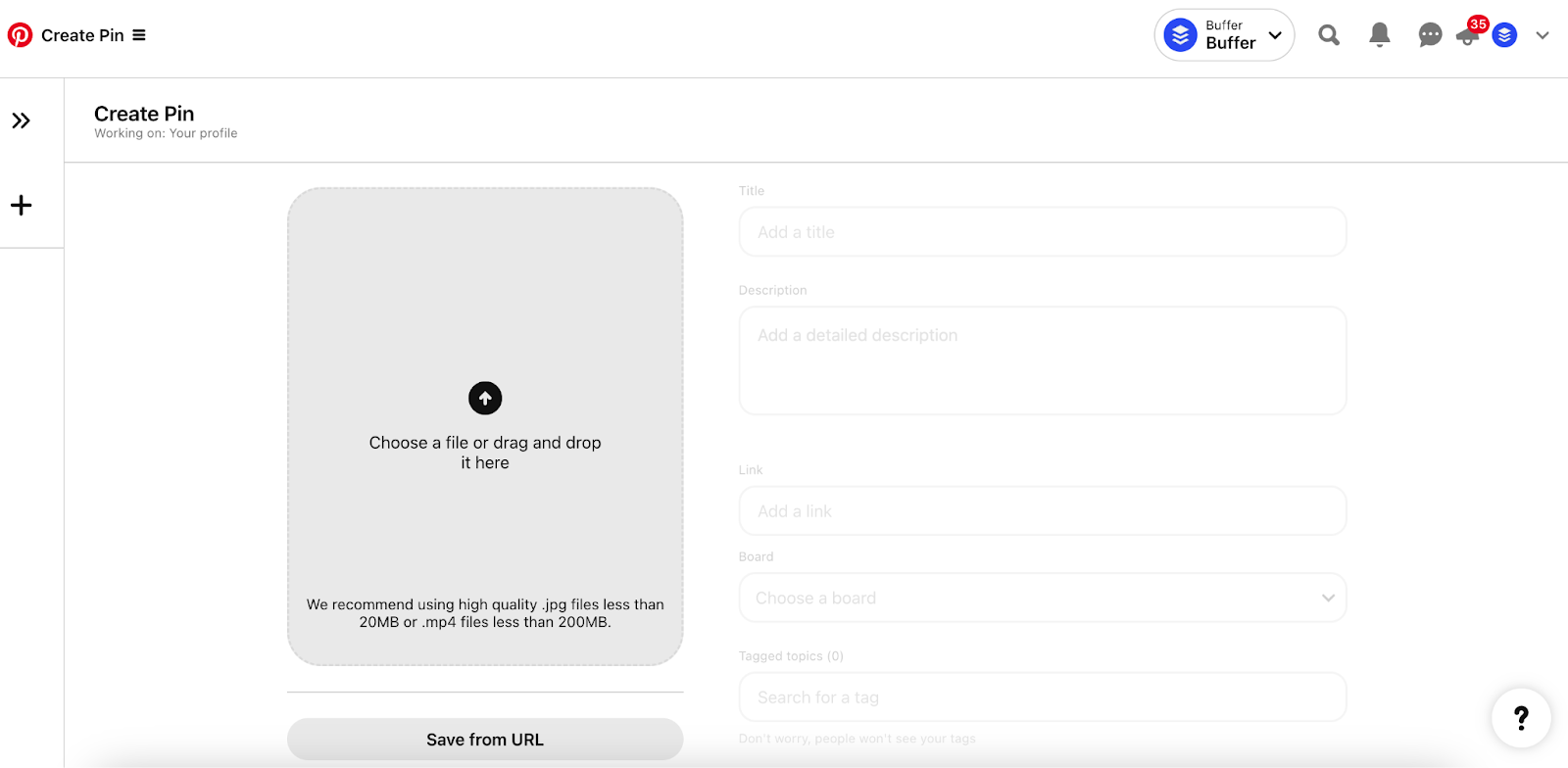
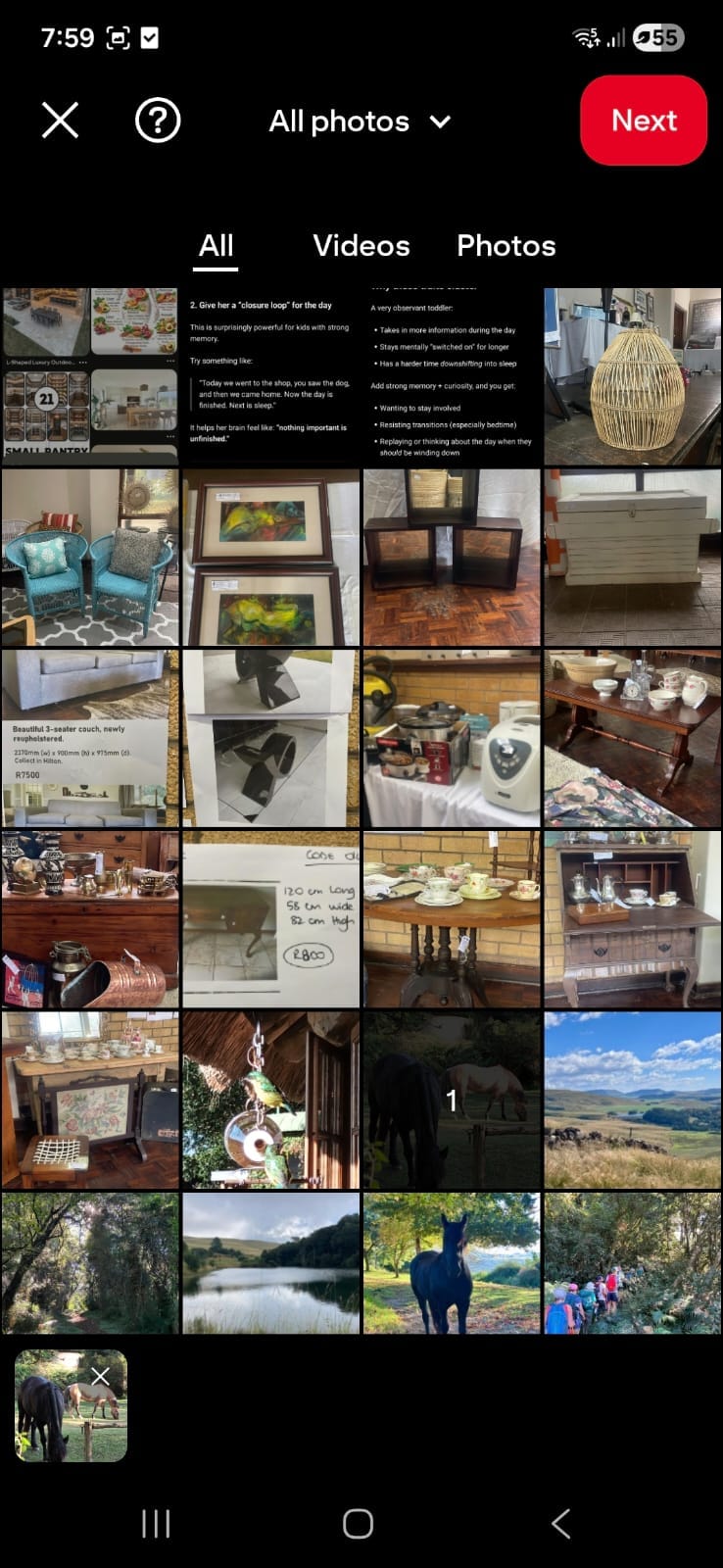
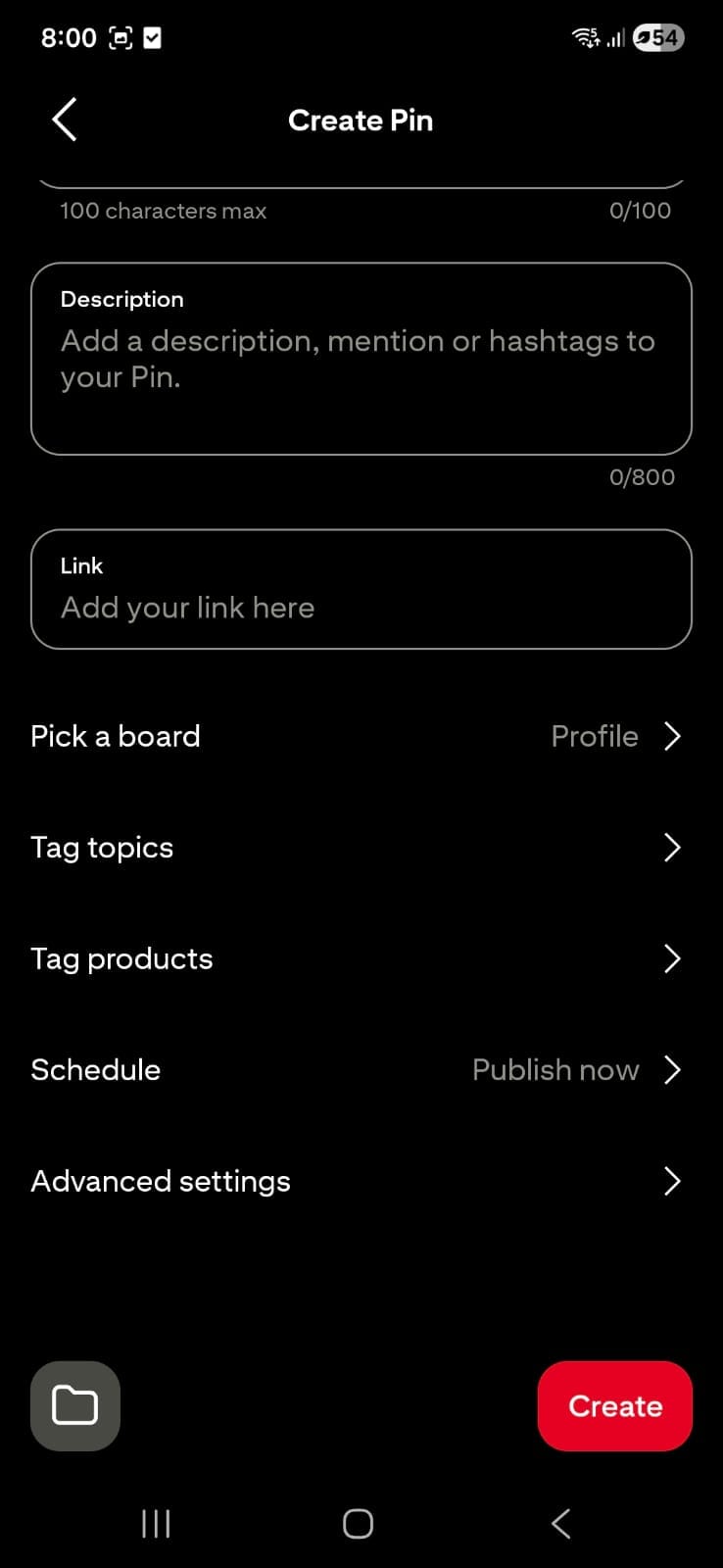
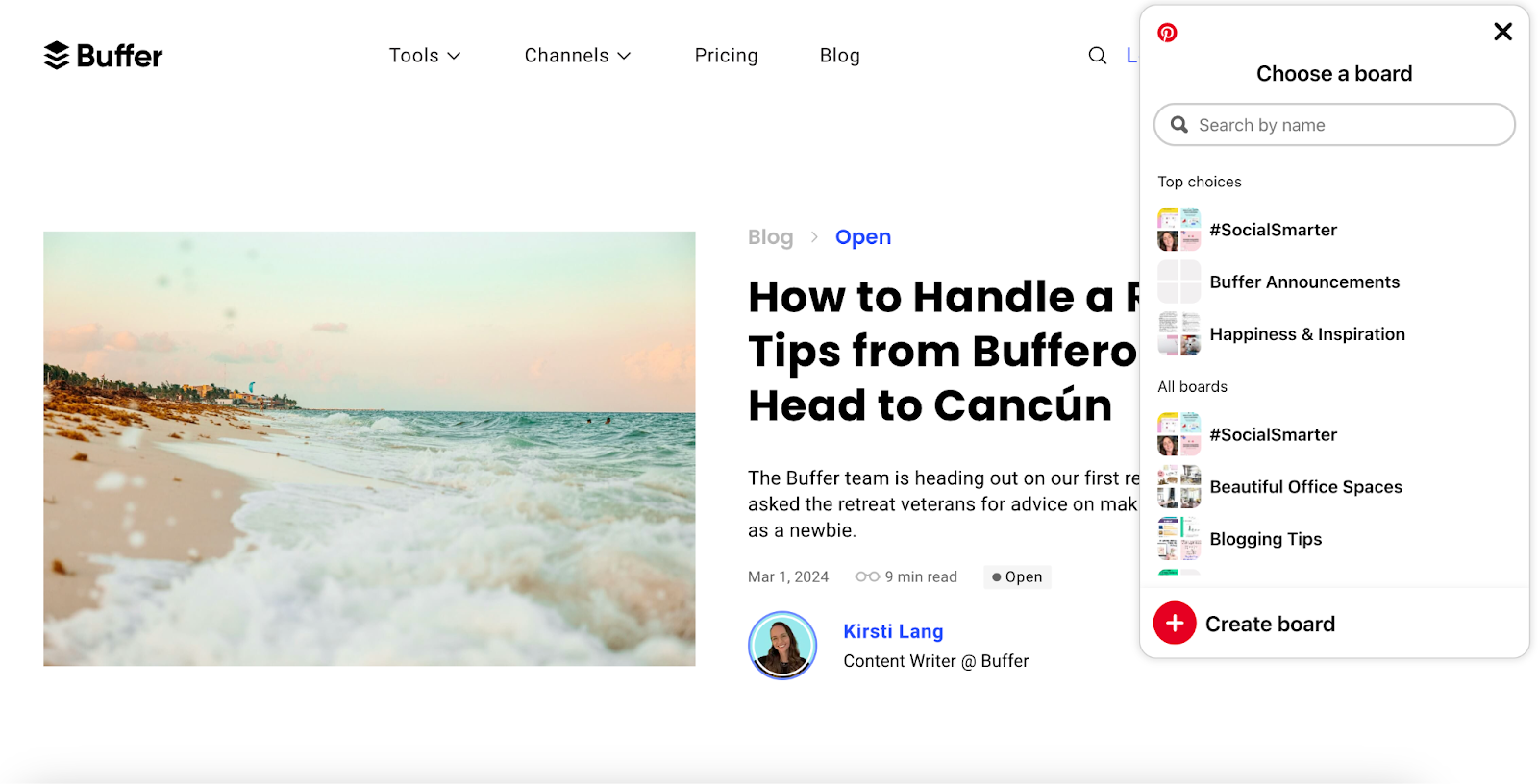
The core of Pinterest content revolves around "pins" and "boards." A pin is a visual bookmark, typically an image or video, that can be uploaded directly or saved from external websites. Each pin can be augmented with a title, a detailed description, and a destination link, crucial for driving traffic to external sites. Boards, on the other hand, serve as thematic collections for these pins, allowing users to organize their inspirations logically (e.g., "Summer Recipes," "Home Office Ideas," "Marketing Strategy"). For businesses, optimizing these elements with relevant keywords is paramount to ensure discoverability through Pinterest’s search functionality.
Strategic Engagement: Key Tactics for Business Success
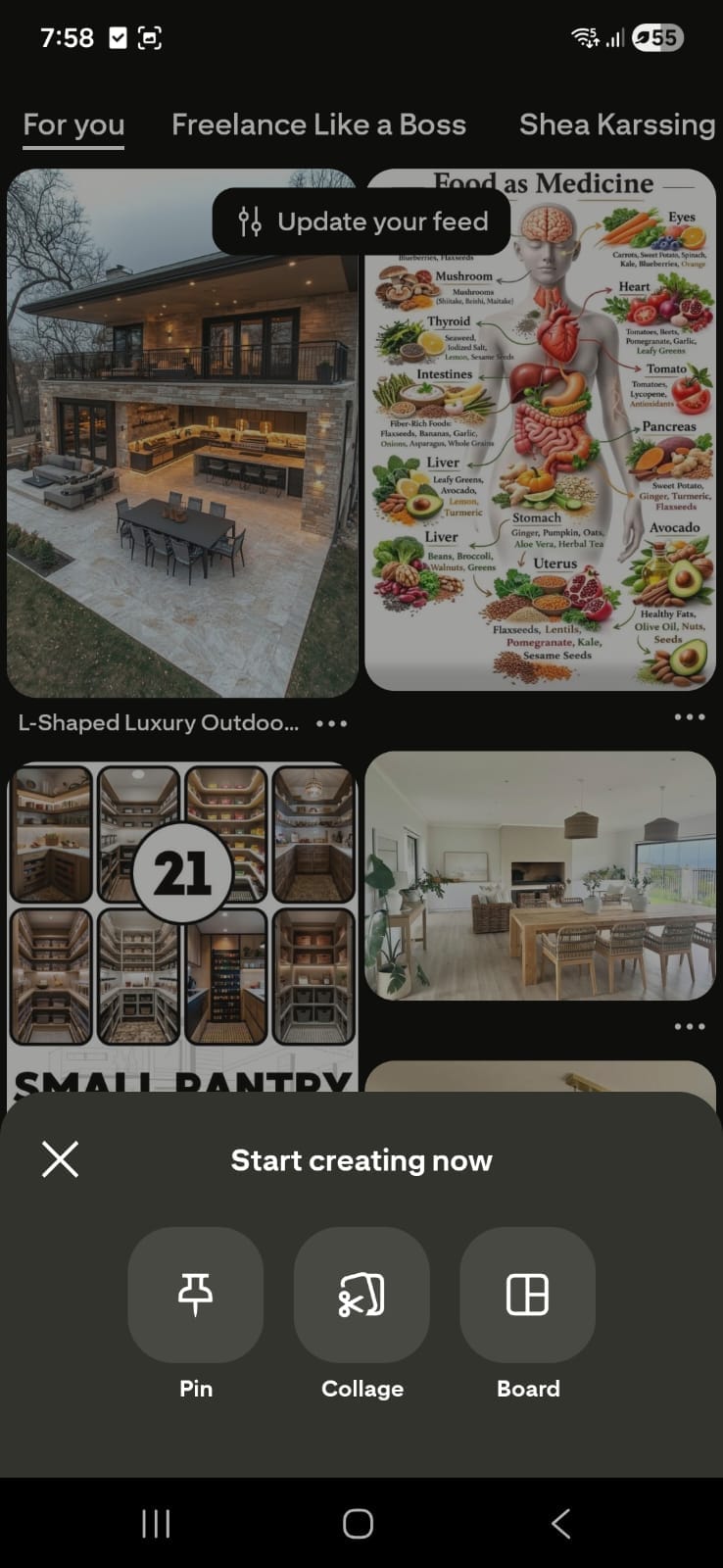
To maximize impact on Pinterest, businesses and creators must adopt a multi-faceted strategy that leverages the platform’s unique characteristics:
- Profile Optimization: A complete and consistent profile – matching branding across other social networks – enhances discoverability and builds brand credibility.
- Niche Targeting: Focusing on a narrow, well-defined niche yields better engagement than broad targeting, as the Pinterest algorithm favors specialized content.
- Visual Excellence: As a visual-first platform, high-quality, eye-catching, and uncluttered images are non-negotiable. Images should be bold, on-brand, and easy to interpret, even on smaller mobile screens.
- Embrace Video Content: Video pins, which auto-play in feeds, often garner higher engagement than static images. Videos should be designed for mobile-first consumption (square or portrait aspect ratios) and can range from short, attention-grabbing clips for discovery to longer tutorials for in-depth content.
- Vertical Aspect Ratio: Pins in a 2:3 ratio (e.g., 600 x 900px) occupy more screen real estate in the column-based feed, increasing visibility. Square pins (600 x 600px) are also effective.
- Strategic Copy Overlays: Adding concise, legible text directly onto images can provide crucial context where the visual alone might be insufficient.
- Detailed Pin Descriptions: Comprehensive, helpful descriptions, coupled with strong calls-to-action (e.g., "shop," "make," "find," "buy"), significantly boost click-through rates by piquing user curiosity.
- Pinterest SEO: This is perhaps the most critical element. Leveraging well-researched keywords in pin titles, descriptions, and board titles is fundamental for search discoverability. Pinterest’s own search bar can be used to uncover related long-tail keywords. Keyword stuffing, however, should be avoided to maintain content quality and user experience.
- Judicious Hashtag Use: While keywords are primary, relevant hashtags can still play a supporting role in content categorization and discovery when used sparingly and strategically.
- Mandatory Linking: Every pin, especially for businesses, should include a relevant destination link. Users expect to be guided to a source for more information or to make a purchase, and failing to provide this can lead to frustration.
- Trend Anticipation: Pinterest users are planners. Brands should publish seasonal or trend-based content well in advance (e.g., holiday content months before the actual holiday) to align with user planning cycles.
- Purposeful Content Repurposing: While repurposing content from other platforms is efficient, it must be done thoughtfully. Removing watermarks from other social media sites and avoiding copyrighted music are crucial to ensure optimal performance and adherence to Pinterest’s guidelines.
- Patience and Consistency: Pinterest is a long-game platform. Consistent pinning and optimization efforts will yield results over time, as content accumulates evergreen value.
Measuring Impact: Leveraging Pinterest Analytics
For business accounts, Pinterest Analytics provides an invaluable dashboard for monitoring content performance and refining strategy. Key metrics to focus on include:
- Impressions: This foundational metric indicates how many times pins were seen, serving as a measure of reach and initial visibility. Without impressions, subsequent engagement is impossible.
- Pin Clicks: Tracking clicks on pins reveals how engaging the visual and descriptive elements are in prompting users to explore further within Pinterest.
- Saves: The number of times a pin is saved to a user’s board indicates strong interest and perceived value, suggesting content resonates well enough to be bookmarked for future reference.
- Outbound Clicks: This critical metric measures how many times users clicked through to the linked external website, directly reflecting the pin’s effectiveness in driving traffic and potential conversions.
By prioritizing these metrics, businesses can diagnose performance at each stage of the customer journey, from initial discovery to website visitation, allowing for continuous optimization of their Pinterest strategy.
The Long Game of Pinterest
In an era of fleeting digital attention spans, Pinterest stands out as a platform that rewards consistency and long-term vision. Its content, unlike the rapid-fire streams of many social networks, possesses an inherent longevity. A well-optimized pin can continue to attract new users and drive traffic for months, if not years, after its initial publication. This "slow burn" approach offers a refreshing alternative for marketers and creators, providing a stable channel for audience growth and sustained brand visibility. The journey on Pinterest is indeed a marathon, but one that offers substantial and enduring rewards for those committed to understanding its unique mechanics and strategic potential.
FAQ about Using Pinterest
How do I use Pinterest as a beginner?
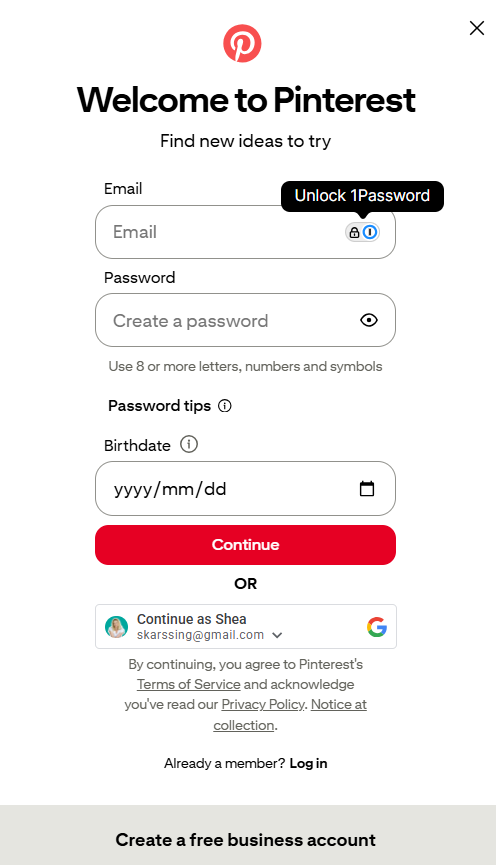
To begin using Pinterest, create a free account (either personal or business). Then, establish a few themed boards and start saving pins that resonate with your interests. This can involve uploading your own images and videos, or saving existing pins from Pinterest and other websites using the browser extension. For business or creator profiles, it’s essential to incorporate keywords into your pin titles, descriptions, and board titles to enhance discoverability in search results.
How does Pinterest actually work?
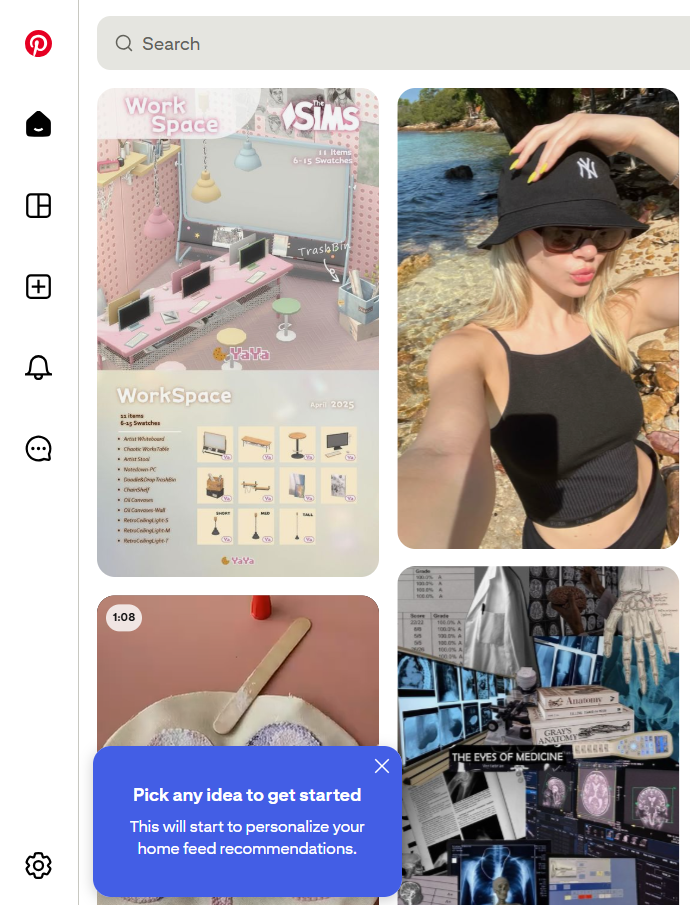
Pinterest operates primarily as a visual search engine rather than a traditional social media feed. Users typically initiate searches for specific ideas, such as "small kitchen designs" or "productivity tools." Pinterest then presents relevant pins that best match these queries, irrespective of the pin’s publication date or whether the user follows the creator.
What’s the difference between a Pinterest personal and business account?
Both personal and business accounts allow users to create and save pins and boards. However, business accounts provide additional features crucial for commercial use, including Pinterest Analytics for performance tracking, various advertising options (idea ads, video ads, carousels, collection ads), product catalogs for e-commerce, and access to the Pinterest Business/Creator Hub. Personal accounts are primarily designed for individual use to save ideas. Users can easily convert a personal account to a business account or link a business account to an existing personal profile.
What’s the ideal Pinterest pin size?
The recommended aspect ratio for Pinterest pins is 2:3, corresponding to dimensions such as 600 x 900 pixels. Vertical pins are favored as they occupy more visual space within Pinterest’s column-based feed, which helps them stand out. Square pins, at 600 x 600 pixels, also perform effectively.
How long does it take to grow on Pinterest?
Growth on Pinterest is typically a gradual process, often described as a marathon rather than a sprint. Unlike platforms such as Instagram or TikTok, where content engagement is usually concentrated within the first 24 to 48 hours, content on Pinterest can continue to gain traction and drive traffic for several months or even years, rewarding consistent and well-optimized efforts over time.
Can I schedule Pinterest pins?
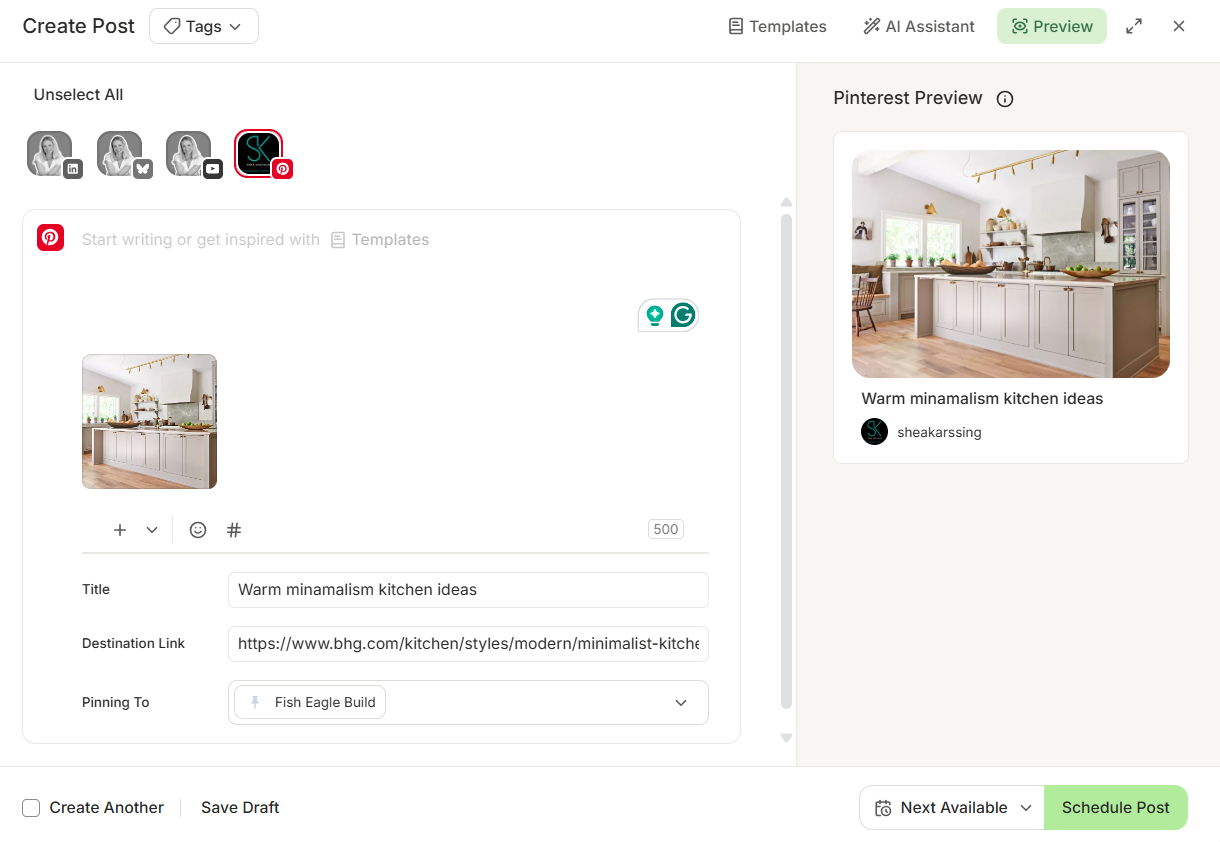
Yes, Pinterest allows for native scheduling of pins directly from a business account. Alternatively, users can leverage third-party social media scheduling tools, such as Buffer, which support Pinterest for both personal and business accounts. These tools often enable cross-posting of the same content to multiple platforms like Instagram, TikTok, and Facebook simultaneously.