Reynand Holland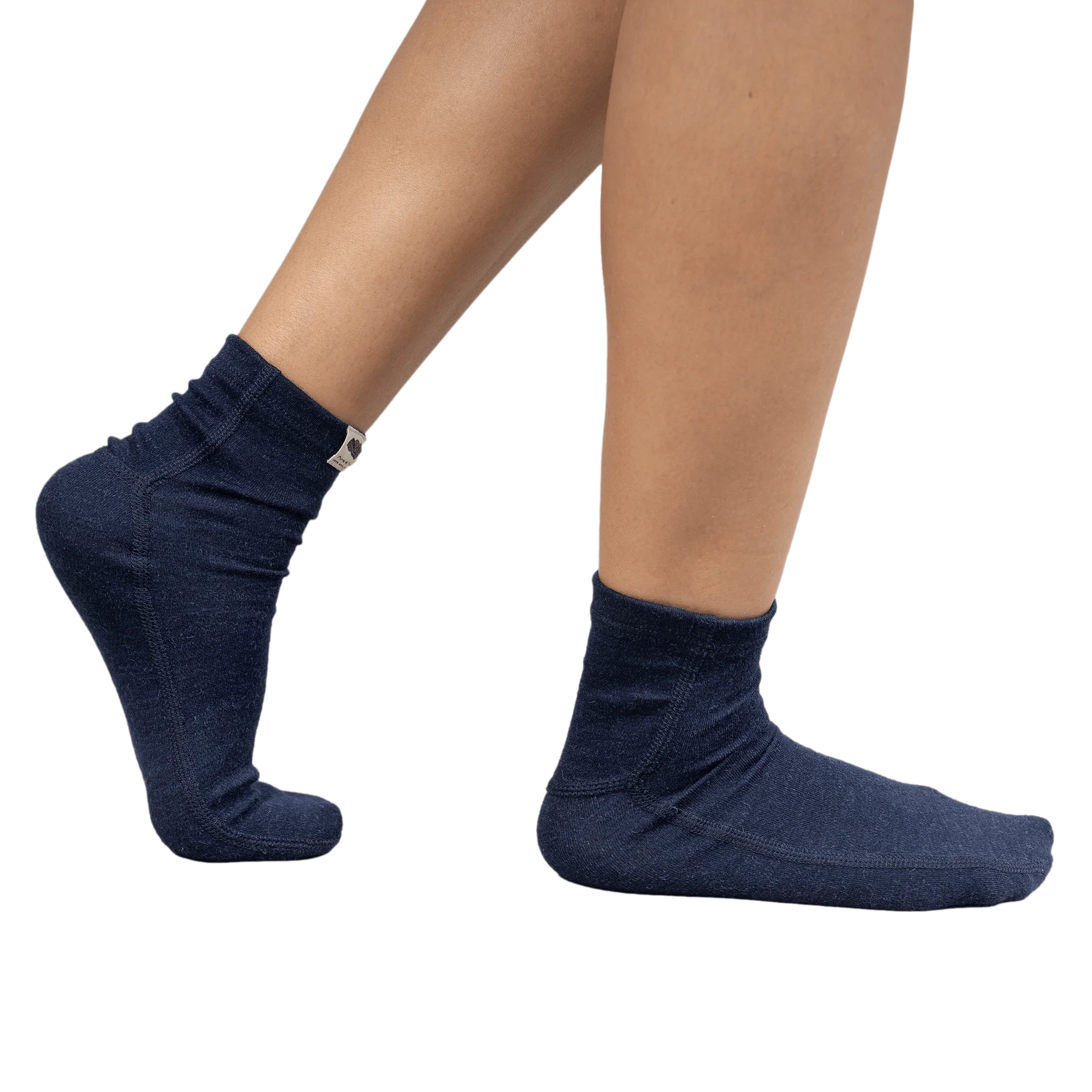
Socks, often an afterthought in our sartorial choices, play a surprisingly significant role in our daily comfort and, more critically, our health. The seemingly innocuous garment can harbor hidden risks, particularly for those with sensitive skin or concerns about chemical exposure. Modern synthetic socks, often adorned with vibrant patterns and designed for affordability, can be a breeding ground for discomfort and potential health issues due to the materials and dyes used in their production.
The widespread use of polyester and other petroleum-based synthetic fibers in sock manufacturing presents a dual problem: odor retention and the potential for skin irritation and absorption of harmful chemicals. Unlike natural fibers that allow the skin to breathe and wick away moisture effectively, synthetics trap perspiration, creating an environment conducive to bacterial growth and the development of unpleasant odors. This is compounded by the dyes used to achieve the vast spectrum of colors seen in today’s sock market.
Azo-benzene disperse dyes, commonly employed on polyester, have come under scrutiny for their potential to cause skin sensitization. These chemicals, when absorbed through the skin—a process accelerated by body heat and sweat—can trigger allergic reactions in susceptible individuals. Furthermore, scientific research has raised concerns about the carcinogenic properties of certain azo dyes when absorbed. Given that socks are in direct and prolonged contact with the skin, especially during physical activity, the potential for chemical migration and absorption is a significant concern that warrants careful consideration.
The growing awareness of these issues has prompted a shift towards more conscious sock consumption. Consumers are increasingly seeking alternatives that prioritize natural materials, skin-safe dyes, and ethical production practices. This burgeoning market for sustainable and non-toxic socks offers a compelling solution for those looking to upgrade their sock drawer without compromising their well-being or environmental values. The good news is that embracing healthier sock options does not necessitate sacrificing style or variety. A growing number of brands are offering a diverse range of socks, from undyed natural hues to vibrant, responsibly dyed patterns, catering to every sensitivity level and aesthetic preference.
The Imperative of Natural Fibers
The foundational element of a healthy sock is its material composition. For individuals experiencing skin sensitivities, allergies, or conditions like eczema, opting for socks made from 100% natural fibers is paramount. These materials allow for superior breathability, moisture management, and a gentler feel against the skin compared to their synthetic counterparts.
While many socks incorporate a small percentage of elastane or spandex for stretch and fit, finding truly 100% natural fiber socks can be a challenge. However, brands like Cottonique and Arms of Andes have successfully navigated this challenge, offering socks that are entirely free from synthetic additives. For the vast majority of the market, it is reasonable to assume that socks may contain a small amount of synthetics, typically below 20%, which are less likely to cause irritation. When choosing blends, prioritizing those with a majority of natural fibers remains a prudent approach.
Merino wool and alpaca wool stand out as exceptional choices for sock construction. Their inherent properties of odor resistance and moisture-wicking make them ideal for active lifestyles and prolonged wear. When selecting wool socks, seeking certifications such as the Responsible Wool Standard (RWS) is crucial. The RWS ensures that the wool is sourced ethically, specifically prohibiting the painful practice of mulesing, where a portion of a sheep’s skin is removed to prevent flystrike.
Other natural fibers that offer comfort and breathability include organic cotton, Tencel (lyocell), linen, and bamboo viscose. These materials are known for their softness, absorbency, and biodegradability, contributing to both personal comfort and environmental sustainability. For those not overly sensitive to synthetics, blends that incorporate recycled materials like nylon and polyester can be a viable option, provided the natural fiber content remains dominant.
The Significance of Non-Toxic Dyes and Finishes
Beyond the base material, the dyes and finishes applied to socks are critical considerations, especially for those with sensitivities to chemicals. The vibrant colors that often attract consumers can sometimes be achieved through hazardous processes.
A growing number of brands are responding to this concern by offering undyed socks, which showcase the natural, earthy tones of the fibers themselves. For dyed options, consumers should look for recognized certifications that guarantee the absence of harmful substances. The Oeko-Tex Standard 100 is a widely respected certification that tests for a broad range of harmful chemicals in textiles, ensuring that finished products are safe for human use. Similarly, bluesign® is another comprehensive system that focuses on sustainable chemistry and responsible production processes throughout the textile supply chain, including the safe use of dyes and finishes.
Brands that openly publish a restricted substances list (RSL) demonstrate a proactive commitment to chemical management and transparency. This list outlines the chemicals that the company prohibits or restricts in its products, offering an additional layer of assurance for discerning consumers.
Traceability and Ethical Supply Chains: A Holistic Approach
The journey of a sock from raw material to finished product involves a complex global supply chain. Understanding this chain is vital for ensuring both ethical production and environmental responsibility. Transparency in manufacturing processes allows consumers to make informed choices about the brands they support.
Key indicators of an ethical and traceable supply chain include brands that openly share information about their manufacturing partners, factory locations, and labor practices. Certifications from organizations like Fair Trade, Worldwide Responsible Accredited Production (WRAP), and B Corporation (B Corp) provide independent verification of a company’s commitment to fair labor, safe working conditions, and social responsibility. These certifications offer a valuable shortcut for consumers seeking to align their purchasing decisions with their values.
Sustainable Packaging: Minimizing Environmental Impact
While socks are relatively small items, the packaging they arrive in can contribute to unnecessary waste. Many brands are adopting more sustainable packaging solutions to reduce their environmental footprint. This includes the use of compostable or biodegradable materials, as well as recycled and recyclable paper and cardboard. Certifications such as those from the Forest Stewardship Council (FSC) indicate that paper and cardboard products have been sourced from responsibly managed forests, further bolstering a brand’s environmental credentials.
Curated Selections of Health-Conscious Sock Brands
In response to the growing demand for healthier and more sustainable sock options, several brands are emerging as leaders in the field. These companies are not only prioritizing natural materials and non-toxic dyes but are also committed to ethical manufacturing and transparent supply chains.
Harvest & Mill: U.S.-Grown, Dye-Free Organic Cotton
Harvest & Mill stands out for its commitment to domestic production and entirely dye-free organic cotton socks. Grown, spun, and knit within the United States, this brand significantly shortens its supply chain, supporting local farmers and reducing transportation-related emissions. Their dedication to sustainability extends to repurposing or recycling all fabric scraps and utilizing compostable packaging. The socks themselves are praised for their natural colors, breathability, and exceptional comfort, making them a favorite for those with sensitive skin. The crew-style socks offer ample coverage and a gentle cuff that doesn’t constrict.
Subset: Formerly Knickey, Focused on Organic Comfort
Subset, previously known as Knickey, is a Brooklyn-based brand that champions PFAS-free and Fair Trade-certified organic cotton socks. Their production process, from ginning to sewing, is integrated within an organic farm in India, ensuring rigorous oversight and quality control. While their socks are noted for their thinness, making them suitable for tighter-fitting shoes and a more polished look, the embedded elastic in the cuff is designed to avoid direct skin contact. It is important to note that Subset socks contain approximately 24% synthetics.
Paka: Alpaca Wool and Tencel for Warmth and Sustainability
Paka, a certified B Corp, offers a compelling blend of durability and lightweight comfort with its socks crafted from a majority of alpaca wool and Tencel. These socks are naturally moisture-wicking and odor-resistant, ideal for both everyday wear and outdoor adventures. Paka utilizes Oeko-Tex-certified dyes and works with Peruvian artisans for its spinning and production. The brand’s commitment to the environment is evident in its use of biodegradable and compostable packaging. A notable aspect of Paka’s composition is the inclusion of up to 50% recycled synthetics.
Arms of Andes: Uncompromisingly 100% Alpaca Fiber
Arms of Andes is a rare gem in the sock market, offering a range of 100% alpaca fiber socks that are entirely free from synthetics. Their slipper socks, made from free-range alpaca fleece, are Oeko-Tex certified and provide excellent insulation without sacrificing breathability or softness. The brand fosters close relationships with co-op farmers in the Andes, ensuring an ethical and transparent supply chain from sourcing to sewing. Orders are shipped in compostable packaging.
Cottonique: The Allergy-Free Apparel Specialist
Cottonique has carved a niche for itself as a specialist in 100% cotton allergy-free apparel, including a comprehensive range of socks. These socks are meticulously designed to be latex-free, bleach-free, and hypoallergenic, featuring covered seams to prevent irritation. Collaborating closely with dermatologists, Cottonique ensures its products meet the highest standards for sensitive skin. The brand sources its organic cotton from India and manufactures in the Philippines, utilizing compostable packaging for its shipments.
Boody: Sustainable Bamboo Viscose and Organic Cotton
Based in Sydney, Boody offers a diverse collection of socks made from Oeko-Tex-certified organic bamboo viscose, organic cotton, and recycled nylon. Their product line caters to various needs, from ultra-soft loungewear socks to more durable options for active pursuits. Boody adheres to a strict code of conduct and partners with WRAP-certified facilities in China, Vietnam, and India, underscoring their commitment to ethical manufacturing.
Kotn: Direct Trade Egyptian Cotton and Traceable Supply Chains
Kotn, a certified B Corp, distinguishes itself through its direct trade relationships with Egyptian cotton farmers, ensuring fair pricing and long-term partnerships. Their socks are crafted from organic cotton and dyed using Oeko-Tex-certified dyes. The brand’s commitment to transparency is evident in its fully traceable supply chain and its use of recycled and recyclable packaging materials. Some Kotn sock varieties may contain up to 20% synthetics.
Quinn: Designed for Eczema and Durability
Quinn focuses on creating durable, high-quality garments specifically designed for individuals with eczema. Their selection of organic cotton and non-toxic socks includes dye-free, lightweight, and mid-weight options. Designed in Canada and ethically produced in Oeko-Tex-certified factories in Portugal and Sri Lanka, Quinn socks are known for their comfort and breathability. While their cotton is GOTS-certified, the sourcing location is not always specified, and some pairs may contain up to 20% synthetics. The merino wool socks feature a particularly warm and cozy thick heel.
Cariloha: Hypoallergenic Bamboo Viscose and Organic Cotton
Cariloha, another certified B Corp, offers hypoallergenic socks made from a blend of bamboo viscose and organic cotton. Their Oeko-Tex and Fair Trade-certified bamboo is sourced from China, and the brand utilizes FSC-certified paper packaging. While the brand is committed to sustainability, the manufacturing locations for their socks are not always clearly disclosed.
Dedicated: Bold Patterns with Fair Trade Organic Cotton
Dedicated offers a vibrant collection of Fair Trade organic cotton socks featuring bold and playful patterns. Their cotton suppliers are WRAP-certified, and the brand provides clear information about the manufacturing location for each pair of socks on its product pages. It is worth noting that Dedicated’s socks typically contain up to 25% elastane.
Darn Tough: Vermont-Made Merino Wool Excellence
Darn Tough is renowned for its durable and comfortable socks, manufactured in Vermont at their family-owned mills. These RWS-certified merino wool socks are available in a wide array of fun and colorful styles. The brand employs Oeko-Tex-certified materials and maintains a rigorous testing protocol for hazardous substances in accordance with its RSL. Their packaging incorporates FSC-certified recycled paper, compostable bags, and vegetable-based inks. A significant portion of Darn Tough socks contain up to 50% synthetics.
Nisolo: Upcycled Materials from a Certified B Corp
Nisolo, a certified B Corp recognized for its leather goods, also produces a line of comfortable and stylish socks. These socks are manufactured in a family-owned mill in North Carolina using a blend of upcycled cotton, linen, wool, and recycled polyester. Nisolo prioritizes supply chain transparency and strives to ensure living wages for all its workers. Their packaging is made from recycled materials. A notable characteristic of Nisolo socks is their higher synthetic content, which can be up to 70%.
Swedish Stockings: Sustainable Hosiery from Italy
Swedish Stockings specializes in knee-highs and ankle socks, offering a variety of styles from classic to supportive and colorful. Produced in Italy using Oeko-Tex-certified materials, their collections include bamboo viscose, organic cotton, organic wool, recycled polyester, and a blend of virgin and recycled elastane. Some of their fully synthetic options cater to specific performance needs, but consumers seeking natural fibers should carefully review product details.
The increasing availability of these thoughtfully produced socks signifies a positive trend towards greater consumer awareness and industry accountability. By understanding the materials, dyes, and ethical considerations behind their sock choices, individuals can make a tangible difference in their personal comfort, health, and contribution to a more sustainable future.