
 Indra Kusuma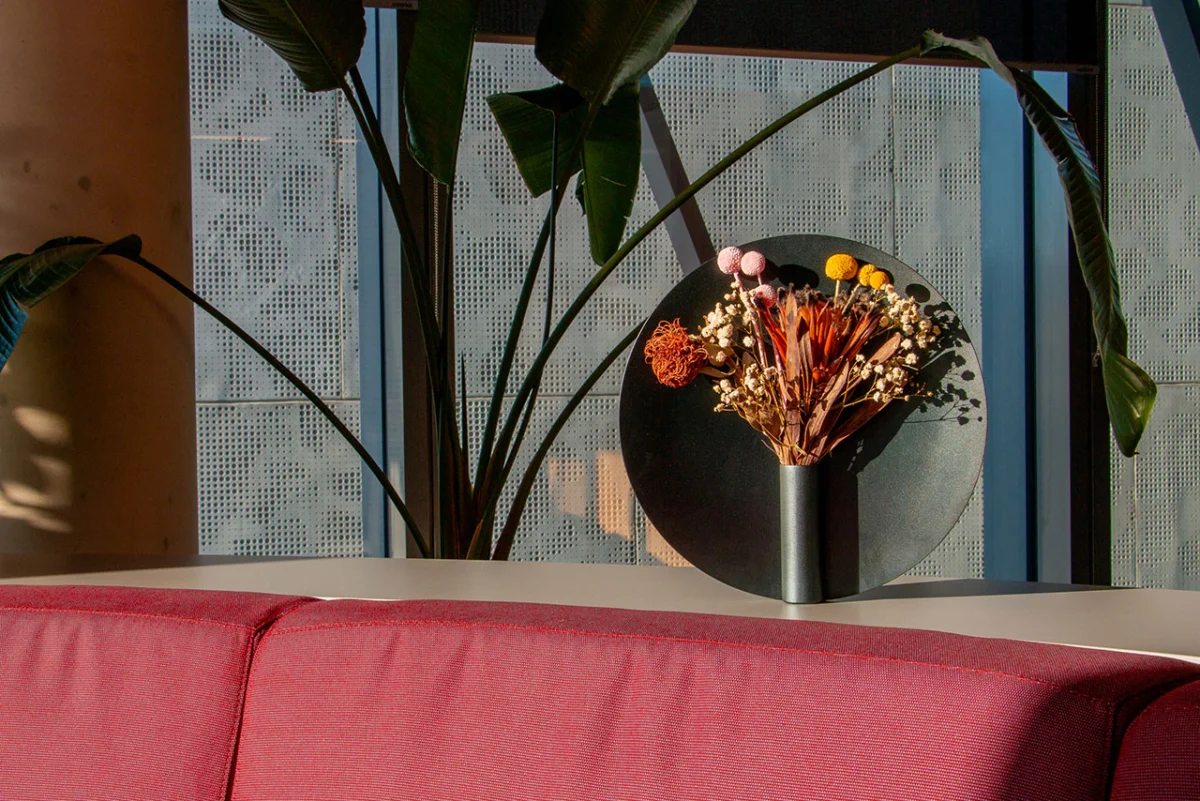
Light and faith have long been intertwined symbols of life, our circadian rhythms tethered to the sunlight that greets us each day. Across cultures and centuries, light has signified purity, warmth, revelation, and at times an almost blinding transcendence — qualities drawn from the very star that holds our solar system together. This profound connection is visibly manifested in art and religious iconography worldwide, where those regarded as divine on earth — prophets, saints, and other sacred figures — have so often been depicted with halos, visual echoes of celestial bodies that suggest clarity, reverence, and otherworldliness. These luminous aureoles, dating back to ancient Egyptian and Hellenistic periods, where sun gods and heroes were often crowned with radiant disks, evolved through Buddhist mandorlas in Asia and into the familiar Christian halos of the Middle Ages and Renaissance, universally signifying a divine presence, spiritual illumination, and a connection to a higher realm. With the recent launch of the Nimbus Vase, designer Ben Peng turns that rich, ancient symbolism toward nature itself, positioning the organic world as both a guiding force and a quiet source of the sacred within the modern home.
The Evolution of Design Philosophy: Beyond Mere Utility

In the contemporary design landscape, the role of the designer has expanded significantly beyond mere aesthetics or functional utility. Today, designers carry a profound responsibility to create with intention, recognizing that every object introduced into a living space carries an embedded narrative and a tangible impact. It is no longer sufficient for a product to simply bear a "recycled" label; consumers and buyers alike have become far more literate in material innovation, sustainable practices, and the ethical implications woven into the lifecycle of the things they bring into their homes. This heightened awareness has spurred a paradigm shift within the industry, tasking designers not only with the act of making but also with the crucial mission of educating and inspiring through the very form and essence of their creations.
This shift is a direct response to a global consumer base increasingly seeking meaning and purpose in their purchases. According to a 2023 report by NielsenIQ, 78% of US consumers say a sustainable lifestyle is important to them, and 45% are willing to change their purchasing habits to be more environmentally friendly. This trend underscores a demand for products that tell a story, reflect conscious values, and contribute positively to both personal well-being and planetary health. Designers like Ben Peng are at the forefront of this movement, integrating philosophical depth and environmental considerations into their core creative process, thereby transforming everyday objects into powerful statements of intent and reverence.
Ben Peng’s Vision: A Halo for the Botanical

Ben Peng, a Melbourne-based designer, exemplifies this evolved approach. Through the Nimbus Vase, he masterfully reinterprets familiar iconography through a sculptural lens, offering a tangible connection between ancient spiritual reverence and the natural world. The vase itself is not merely a container for flowers; it is a vessel carved from the silhouette of a halo, its metallic ring extending gently behind the form to frame whatever it holds. This subtle yet profound design choice transforms ordinary botanical arrangements into something quietly reverential, inviting contemplation and acknowledging the inherent sanctity of life.
Peng’s work is deeply rooted in the detailed process of design, a commitment that goes beyond the superficial allure of the finished product. While the final aesthetic is undeniably important, Peng understands that true progress and meaningful innovation stem from the multitude of deliberate decisions made throughout the entire design journey. This holistic approach ensures that every curve, every material choice, and every functional aspect of the Nimbus Vase is imbued with purpose and thoughtfulness, reflecting a dedication to beautifying and enriching lives through considered creation.
Deconstructing the Nimbus Vase: Form, Function, and Symbolic Resonance

The design of the Nimbus Vase is a testament to the power of simplicity, a quality that is notoriously difficult to achieve while maintaining both aesthetic appeal and practical functionality. The vase’s core feature is its subtle reinterpretation of the halo, rendered as a sleek, minimalist vessel. This design choice is not merely decorative; it serves several intelligent purposes:
- Sculptural Framing: The distinctive metallic ring, which gently extends behind the primary vessel, acts as a deliberate frame. This element draws the eye, not just to the flowers within, but to the entire composition, creating a living tableau. It elevates the botanical contents, whether an elaborate floral arrangement or a solitary, understated stem, imbuing them with a sense of preciousness and curated significance, much like a piece of art in a gallery.
- Engineered Stability: The slight curvature of the back of the vase is a triumph of ergonomic and structural design. Beyond its aesthetic contribution, this subtle curve plays a critical role in centering the weight of the piece. This thoughtful engineering minimizes the risk of floral accidents—a common frustration with top-heavy arrangements—ensuring stability and allowing for greater freedom in arranging. This practical consideration enhances the user experience, making the vase as functional as it is beautiful.
- Luminous Interaction: The satin finish applied to the vase is another key element that speaks to Peng’s meticulous attention to detail. This particular finish is chosen for its ability to interact dynamically with light. Rather than reflecting light harshly, the satin surface softly diffuses it, picking up ambient illumination and throwing gentle, ethereal reflections onto the blooms it cradles. This creates a subtle glow, further enhancing the "halo" effect and adding an almost spiritual luminescence to the botanical arrangement.
- Versatile Integration: The adaptability of the Nimbus Vase is a hallmark of its intelligent design. It is conceived as a versatile piece that can seamlessly transition between various settings and orientations. Whether wall-mounted to save space and create a focal point, or positioned as a centerpiece on a dining table or console, it injects freshness and artistic flair into any environment. This adaptability caters to diverse living spaces and interior design philosophies, from minimalist urban apartments to more traditional homes, making it a universally appealing design object.
- Harmonious Palette: The vase is offered in a small, carefully selected range of organic colors. This restrained palette is intentional, designed to allow the natural hues and textures of the flowers themselves to truly shine. The simplistic circular geometry further complements virtually any existing decor scheme, whether in an office, a home, or an event space, without overwhelming it. This ensures that the vase acts as an enhancer, not a dominator, of its surroundings.
Materiality and Sustainability: A Conscious Choice
While the original article does not explicitly detail the materials used for the Nimbus Vase, an analysis of Ben Peng’s design philosophy and the broader trends in conscious design suggests a commitment to thoughtful material selection. For a product designed to embody reverence for nature and promote intentional living, it is highly probable that Peng has considered materials that are either:

- Sustainable and Recycled: Materials like recycled aluminum, steel, or even certain composites made from recycled content would align with the ethos of responsible production. The metallic ring suggests a durable, possibly powder-coated metal, which can be recycled at the end of its life.
- Durable and Long-Lasting: The emphasis on quality and timeless design implies a choice of materials that can withstand the test of time, reducing the need for frequent replacement and contributing to a more sustainable consumption cycle.
- Tactile and Sensory: The "satin finish" suggests a material that feels pleasant to the touch, adding to the overall sensory experience of the product. This could be achieved with metals, high-quality ceramics, or even advanced polymer compounds.
The choice of materials, whether explicitly stated or inferred, is integral to the product’s narrative of intentionality and sustainability, reinforcing the idea that beauty and responsibility can coexist.
The Kickstarter Journey: Crowdfunding Innovation
The decision to launch the Nimbus Vase via Kickstarter highlights a significant trend in contemporary design: the empowerment of independent creators through crowdfunding platforms. Kickstarter has become a vital ecosystem for designers like Ben Peng, enabling them to bypass traditional manufacturing and distribution channels, which often involve significant capital investment and gatekeepers.

The crowdfunding model offers several benefits:
- Direct Engagement: It allows designers to connect directly with a global audience of early adopters and enthusiasts who share their values and appreciation for innovative design.
- Validation and Funding: A successful Kickstarter campaign not only provides the necessary financial capital for production but also serves as powerful market validation, demonstrating demand for the product before large-scale manufacturing begins.
- Community Building: Backers become part of the design journey, fostering a sense of community and shared ownership in bringing a vision to life. This engagement can lead to valuable feedback and loyalty.
For the Nimbus Vase, the Kickstarter campaign served as the initial launchpad, allowing Ben Peng to share his unique vision and secure the resources needed to bring these sculptural vessels to homes worldwide. The success of such campaigns is often driven by compelling storytelling, high-quality visuals, and a clear articulation of the product’s unique value proposition—all elements expertly woven into the presentation of the Nimbus Vase.
Broader Implications: Biophilia, Mindfulness, and the Modern Home

The Nimbus Vase represents more than just a decorative item; it signifies several broader implications for contemporary living and the future of home aesthetics:
- Embracing Biophilic Design: In an increasingly urbanized and digitized world, there is a growing recognition of the human need for connection with nature. Biophilic design, which seeks to integrate natural elements into built environments, has been shown to improve well-being, reduce stress, and enhance creativity. The Nimbus Vase, by framing nature as sacred, actively promotes this connection, encouraging individuals to bring greenery into their spaces in a meaningful way.
- Fostering Mindfulness and Contemplation: The vase’s design, rooted in symbolism of reverence and clarity, encourages a mindful approach to home decor. It transforms the act of arranging flowers from a mundane task into a contemplative practice, inviting moments of pause and appreciation for the natural beauty it holds. In a fast-paced world, objects that encourage mindfulness are increasingly valued.
- Democratization of Art: By elevating a functional object to a piece of sculptural art, Peng contributes to the democratization of art within the home. The Nimbus Vase is not just a container; it is a statement piece, a conversation starter, and an artistic expression that is accessible for everyday enjoyment.
- Redefining Luxury and Value: The emphasis on intentionality, process, and meaningful symbolism redefines luxury. In an era of mass production, true luxury is increasingly found in objects that are thoughtfully designed, ethically produced, and carry a deeper narrative. The Nimbus Vase aligns with this shift, appealing to consumers who prioritize intrinsic value over ostentation.
- Inspiring Future Design: Ben Peng’s approach serves as an inspiration for other designers to delve deeper into cultural narratives, historical symbolism, and philosophical concepts when creating new products. It encourages a move beyond purely functional or trend-driven design towards creations that resonate on a deeper, more enduring level.
Conclusion: A Halo for the Everyday
The Nimbus Vase by Ben Peng stands as a compelling example of how contemporary design can transcend mere utility to enrich and beautify lives. By drawing upon the ancient and universal symbolism of light and halos, and ingeniously applying it to the humble act of displaying nature, Peng has created an object that is both aesthetically striking and profoundly resonant. It serves as a reminder that the sacred can be found not just in grand spiritual narratives, but also in the quiet, organic beauty of the natural world that surrounds us.

In a market increasingly saturated with fleeting trends, the Nimbus Vase offers a timeless piece that champions intentionality, sustainability, and a deeper connection to the environment. It underscores the evolving responsibility of designers to not only craft beautiful objects but also to inspire, educate, and foster a more mindful and reverent relationship with the things we choose to bring into our lives. Through its elegant form and thoughtful concept, the Nimbus Vase effectively places a halo around the everyday, inviting us to see the extraordinary in the ordinary and to find sacredness in the simple act of honoring nature.







