Reynand Holland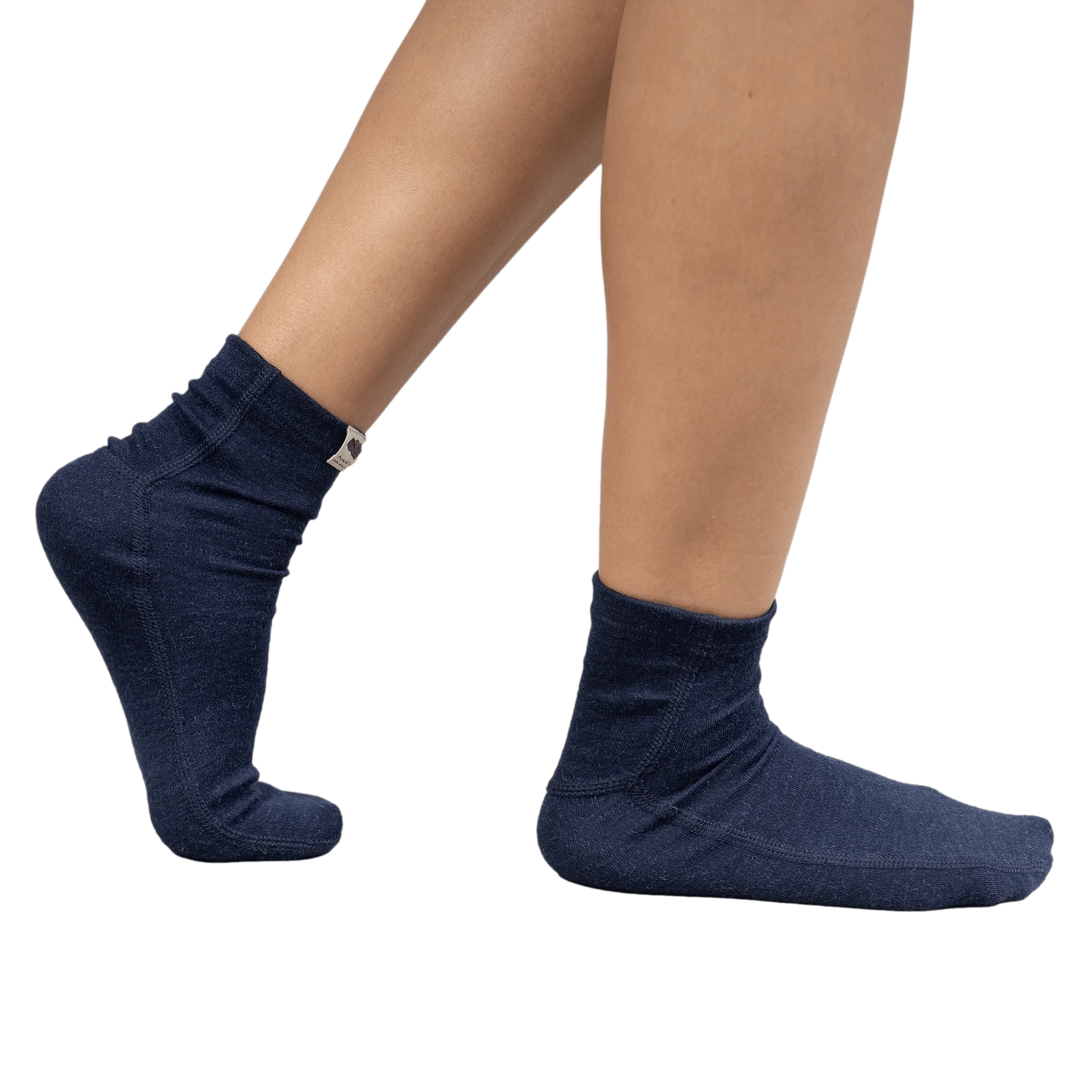
Socks, often overlooked as a minor wardrobe detail, play a surprisingly significant role in daily comfort and well-being. For individuals experiencing skin irritation, particularly from synthetic materials and certain dyes, the choice of socks can be a critical factor in preventing discomfort. The prevalence of skin sensitivities and allergies has led to increased scrutiny of everyday apparel, with socks emerging as a key area of concern due to their direct and prolonged contact with the skin, especially when moisture from perspiration is involved.
The materials and dyes used in sock production have a direct impact on skin health. Plastic-based fibers, commonly found in many synthetic socks, not only trap odors but can also contribute to skin issues. Specifically, azo-benzene disperse dyes, frequently employed on polyester, are recognized as skin sensitizers. Furthermore, research indicates that these dyes can be carcinogenic when absorbed through the skin, a risk amplified in the context of socks which have a high surface area in contact with the body and are worn for extended periods. This raises concerns for consumers seeking alternatives that prioritize both comfort and safety.
Fortunately, the market is responding to these concerns, offering a growing array of socks crafted from natural fibers and utilizing non-toxic dyes. The shift towards more mindful consumption has empowered consumers to seek out brands that prioritize transparency in their material sourcing, dyeing processes, and ethical production. This article explores the criteria for selecting safe and comfortable socks and highlights a selection of brands that are leading the way in this essential aspect of sustainable and health-conscious fashion.
The Science Behind Skin Sensitivity and Sock Materials
The discomfort often associated with wearing synthetic socks is not merely a matter of personal preference; it is rooted in physiological responses to the materials and chemicals involved. Synthetic fibers, such as polyester and nylon, are derived from petroleum products. While they offer durability and elasticity, their non-porous nature can trap moisture, creating a breeding ground for bacteria and contributing to unpleasant odors. More importantly, these synthetic materials can prevent the skin from breathing, leading to a buildup of heat and humidity, which exacerbates irritation for sensitive individuals.
The dyes used in textiles are another significant factor. Azo dyes, a broad class of synthetic dyes, are widely used due to their vibrant colors and affordability. However, certain azo dyes, particularly disperse dyes used for synthetic fabrics like polyester, have been identified as potential allergens. These dyes can break down into aromatic amines, some of which are known to cause allergic contact dermatitis. The permeability of the skin, especially when warmed and moistened by sweat, facilitates the absorption of these chemicals. This absorption can lead to localized reactions such as redness, itching, and rashes. The carcinogenic potential of certain azo dyes, as highlighted in scientific literature, further underscores the importance of choosing socks with certified non-toxic dyes.
The Importance of Natural Fibers
The foundation of comfortable and skin-friendly socks lies in the selection of natural fibers. These materials, derived from plants and animals, offer inherent benefits that synthetic alternatives often lack.
-
Organic Cotton: Cotton is a popular choice for its softness and breathability. However, conventionally grown cotton often involves the extensive use of pesticides and synthetic fertilizers, which can leave residues on the fibers. Organic cotton, conversely, is cultivated without these harmful chemicals, ensuring a cleaner and safer product. Certifications like the Global Organic Textile Standard (GOTS) guarantee that the cotton is organically grown and processed without toxic chemicals. Organic cotton allows for better air circulation, reducing moisture buildup and promoting a healthier skin environment.
-
Merino Wool: Renowned for its fine texture, merino wool is a superior natural fiber for socks. Unlike traditional wool, merino is not itchy; its fibers are much finer and softer. It possesses excellent moisture-wicking properties, drawing sweat away from the skin and releasing it into the air, keeping feet dry and comfortable. Merino wool is also naturally odor-resistant due to its lanolin content and its ability to inhibit bacterial growth. Furthermore, it is thermoregulating, providing warmth in cooler temperatures and breathability in warmer conditions. The Responsible Wool Standard (RWS) ensures that the wool is sourced ethically, prohibiting mulesing, a painful procedure performed on sheep.
-
Alpaca Wool: Similar to merino, alpaca wool is prized for its softness, warmth, and hypoallergenic qualities. It is known for its strength, durability, and excellent thermal insulation. Alpaca fibers are hollow, which contributes to their lightweight feel and superior moisture-wicking capabilities. It is also naturally water-repellent and resistant to odors.
-
Tencel™ (Lyocell): Tencel is a branded fiber derived from wood pulp, typically eucalyptus. It is produced through an environmentally responsible closed-loop process that recycles water and solvents. Tencel is known for its exceptional softness, breathability, and moisture management properties. It is also biodegradable, making it an eco-friendly choice.
-
Linen: Derived from the flax plant, linen is a strong, breathable, and absorbent fiber. It has a natural cooling effect, making it ideal for warmer climates. Linen is also known for its durability and its ability to become softer with each wash.
-
Bamboo Viscose: While often marketed as a sustainable choice, it’s important to distinguish between different forms of bamboo fabric. Bamboo viscose, produced through a chemical process, can be soft and breathable but may involve harsh chemicals. Certifications like Oeko-Tex Standard 100 can help ensure that the final product is free from harmful substances. More sustainable forms of bamboo fabric are being developed, but consumer vigilance is advised.
The Role of Non-Toxic Dyes and Finishes
Beyond the fibers themselves, the dyes and finishes applied to socks are crucial for preventing skin reactions. The presence of heavy metals, formaldehyde, and other hazardous chemicals in conventional dyes can lead to significant health concerns.
-
Oeko-Tex Standard 100: This is one of the world’s best-known labels for textiles tested for harmful substances. It certifies that every component of the product, from the threads to the buttons, has been tested and is harmless to human health. For socks, this means the dyes, finishes, and any elastic components are free from restricted chemicals.
-
bluesign®: The bluesign® system is a holistic approach to textile manufacturing that focuses on minimizing environmental impact and ensuring responsible use of chemicals. It assesses the entire production chain, from raw materials to finished products, guaranteeing that only approved chemicals are used and that production processes are as efficient and environmentally sound as possible.
-
Undyed Options: The most straightforward way to avoid issues with dyes is to opt for socks that are left in their natural, undyed state. Many brands now offer beautiful socks in the natural hues of the fibers, showcasing the inherent beauty of materials like organic cotton and wool.
Ethical Production and Supply Chain Transparency
The journey of a sock from raw material to your feet involves a complex supply chain. Ethical production and transparency in this chain are increasingly important for conscious consumers.
-
Fair Trade: This certification ensures that producers in developing countries receive fair prices for their goods and are treated ethically. For sock production, Fair Trade can encompass fair wages, safe working conditions, and community development initiatives for the workers involved.
-
WRAP (Worldwide Responsible Accredited Production): WRAP is an independent, non-profit organization that promotes safe, lawful, humane, and ethical manufacturing around the world. Factories that are WRAP certified adhere to strict standards covering labor practices, environmental compliance, and security.
-
B Corp Certification: Certified B Corporations are businesses that meet the highest standards of verified social and environmental performance, public transparency, and legal accountability to balance profit and purpose. This certification indicates a commitment to using business as a force for good.
-
Supply Chain Mapping: Brands that provide detailed information about their manufacturing partners, including factory locations and labor practices, offer a higher degree of transparency. This allows consumers to make informed decisions about where their products come from.
Sustainable Packaging Practices
The environmental impact of packaging is another consideration for eco-conscious consumers. While socks are small items, excessive plastic packaging can contribute to landfill waste. Brands that utilize compostable, biodegradable, or recycled and recyclable packaging materials are making a positive contribution. Certifications from the Forest Stewardship Council (FSC) indicate that paper and cardboard products come from responsibly managed forests.
Leading Brands in Safe and Sustainable Socks
The following brands have demonstrated a commitment to using natural materials, non-toxic dyes, ethical production, and sustainable practices, offering a compelling alternative for those seeking comfortable and safe socks.
1. Harvest & Mill
Harvest & Mill stands out for its commitment to producing dye-free organic cotton socks grown, spun, and knit entirely within the U.S. This domestic production model significantly shortens the supply chain, supports local economies, and reduces transportation-related emissions. The brand’s dedication to sustainability extends to its use of compostable packaging and its practice of repurposing or recycling all fabric scraps, minimizing waste. Their dye-free approach ensures a natural color palette and eliminates concerns about chemical residues from dyeing processes. The socks are lauded for their coziness and breathability, making them a top choice for sensitive skin.
2. Subset (formerly Knickey)
Subset, a Brooklyn-based brand, offers Fair Trade and Oeko-Tex-certified organic cotton socks. Their supply chain is integrated, with cotton sourced from an organic farm in India, where it is then ginned, spun, dyed, and sewn. This streamlined process allows for greater control over quality and sustainability. While some of Subset’s socks contain approximately 24% synthetics for added elasticity, the Oeko-Tex certification assures that these components are free from harmful substances. The socks are noted for their thin profile, making them suitable for tighter-fitting shoes, and their elastic cuffs are designed to be well-embedded, preventing direct skin contact.
3. Paka
Paka, a certified B Corporation, specializes in durable yet lightweight socks crafted from a blend of alpaca wool and Tencel. These materials provide excellent moisture-wicking and odor-resistance properties. The socks are dyed using Oeko-Tex-certified dyes and are spun by artisans in Peru, supporting traditional craftsmanship. Paka’s commitment to sustainability is further evidenced by its use of biodegradable and compostable packaging. While Paka’s socks can contain up to 50% recycled synthetics, the primary natural fibers and stringent dye certifications make them a strong contender for those seeking warmth and comfort, particularly in colder climates.
4. Arms of Andes
Arms of Andes distinguishes itself by offering 100% alpaca fiber socks, a rare find in the market, meaning they contain absolutely no synthetic components. These slipper socks are sourced from free-range alpacas and are Oeko-Tex certified. They are designed to be lightweight yet well-insulated, offering both softness and moisture-wicking capabilities. The brand collaborates closely with co-op farmers in the Andes, ensuring ethical sourcing and production from start to finish. Their commitment to environmental responsibility includes the use of compostable packaging.
5. Cottonique
Cottonique is a specialist in 100% synthetic-free apparel, focusing exclusively on creating allergy-free products. Their socks are a prime example, being entirely free of latex, bleach, and harmful chemicals. Designed in collaboration with dermatologists, these socks feature covered seams to prevent irritation and are hypoallergenic. The brand sources its organic cotton from India and manufactures in the Philippines, adhering to strict quality and safety standards. Cottonique’s dedication to providing completely natural and safe options makes them an excellent choice for individuals with severe skin sensitivities.
6. Boody
Boody, an Australian brand, offers a diverse range of socks made from Oeko-Tex-certified organic bamboo viscose, organic cotton, and recycled nylon. Their products are designed for various activities, from lounging to active pursuits. Boody adheres to a strict code of conduct and partners with WRAP-certified facilities in China, Vietnam, and India, ensuring ethical manufacturing practices. The blend of natural and recycled materials provides a balance of comfort, breathability, and durability.
7. Kotn
As a certified B Corporation, Kotn is dedicated to building direct, long-term relationships with cotton farmers in Egypt, ensuring fair prices and supporting sustainable agricultural practices. Their socks are made from organic cotton and dyed with Oeko-Tex-certified dyes. Kotn provides complete supply chain traceability and utilizes recycled and recyclable packaging. While some of their sock pairs may contain up to 20% synthetics, the emphasis on organic materials, ethical sourcing, and transparent production makes them a highly commendable option.
8. Quinn
Quinn designs its garments, including socks, with eczema and sensitive skin in mind. Their collection features dye-free, lightweight, and mid-weight options made from organic cotton. While the cotton is GOTS-certified, the sourcing location is not always specified. Some pairs may contain up to 20% synthetics. The socks are ethically made in Oeko-Tex-certified factories in Portugal and Sri Lanka. The brand’s focus on durability and comfort, with features like extra-thick heels on merino wool socks, makes them suitable for both everyday wear and outdoor activities.
9. Cariloha
Cariloha, another certified B Corp, utilizes a blend of bamboo viscose and organic cotton for its hypoallergenic socks. The bamboo, sourced from China, is Oeko-Tex and Fair Trade certified, ensuring ethical and environmentally conscious production. The brand also uses FSC-certified paper packaging. While the manufacturing location is not always clearly stated, their commitment to certified materials and ethical sourcing is noteworthy.
10. Dedicated
Dedicated is a brand that infuses personality into sustainable fashion with its bold patterned, Fair Trade organic cotton socks. The brand’s commitment to transparency is evident, as the origin of each pair of socks is detailed on the product page. Their cotton suppliers are WRAP-certified, ensuring ethical labor practices. It is important to note that Dedicated’s socks can contain up to 25% elastane for stretch.
11. Darn Tough
Based in Vermont, Darn Tough is renowned for its durable and comfortable socks crafted from RWS-certified merino wool. The brand uses Oeko-Tex-certified materials and adheres to a strict restricted substances list, regularly testing for hazardous chemicals. Their commitment to sustainability is further demonstrated through the use of FSC-certified recycled paper, compostable bags, and vegetable-based inks in their packaging. While Darn Tough socks can contain up to 50% synthetics, the high quality of merino wool and rigorous testing for harmful substances make them a reliable choice.
12. Nisolo
Nisolo, a certified B Corp, known for its ethical leather goods, also offers a range of comfortable socks made from upcycled cotton, linen, wool, and recycled polyester. These socks are produced in a family-owned mill in North Carolina. Nisolo prioritizes supply chain transparency and strives to ensure living wages for all workers. Their packaging is made from recycled materials. It’s worth noting that Nisolo’s socks can contain up to 70% synthetics, so consumers with extreme sensitivities should verify specific product compositions.
13. Swedish Stockings
Swedish Stockings focuses on sustainable hosiery, including knee-highs and ankle socks. Their products are made in Italy using Oeko-Tex-certified materials such as bamboo viscose, organic cotton, organic wool, recycled polyester, and a blend of virgin and recycled elastane. While some of their socks are fully synthetic, the brand offers a range of options incorporating natural and recycled fibers, demonstrating a commitment to reducing the environmental impact of hosiery production.
Conclusion
The seemingly simple sock is a complex product with implications for personal health and environmental sustainability. By understanding the materials, dyes, and production processes involved, consumers can make informed choices that prioritize comfort, safety, and ethical consumption. The growing availability of natural fiber socks, produced with non-toxic dyes and manufactured under fair labor conditions, offers a compelling path towards a more conscious and comfortable wardrobe, one step at a time. The brands highlighted represent a commitment to these principles, demonstrating that even the smallest items in our closets can contribute to a healthier planet and a more comfortable life.