Michael Sholeh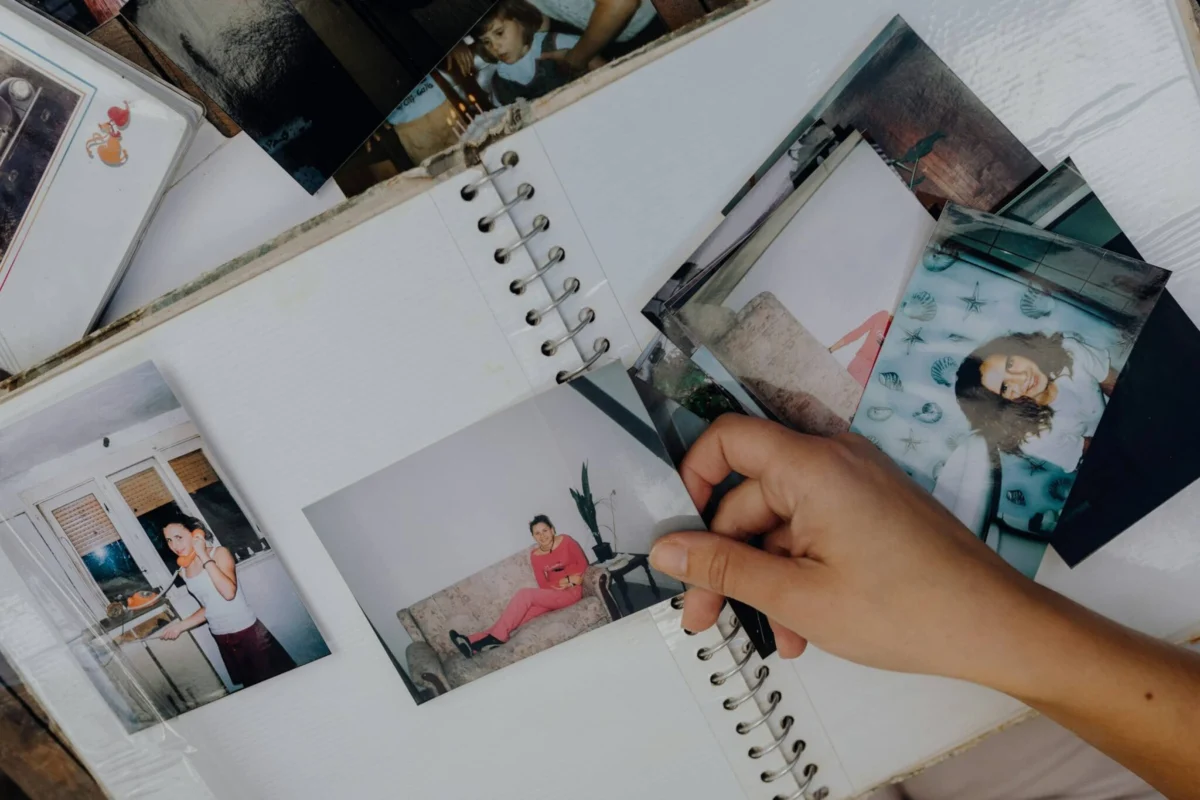
The passing of a loved one often precipitates a dual crisis for surviving family members: the immediate emotional weight of grief and the subsequent administrative burden of settling an estate. For Joe Darago, Executive Director of the non-profit organization The Hope Effect, the recent death of his Aunt Liz in Northeast Ohio served as a case study in how intentional end-of-life planning can mitigate the latter, allowing the former to be processed with greater peace. As a family pastor and long-time community leader, Darago observed that while the funeral service focused entirely on Liz’s character and presence, the ease of the transition was a direct result of specific, pragmatic steps she took in the final year of her life.
The challenges Darago’s family faced are common in the United States, where the "Silver Tsunami"—the aging of the Baby Boomer generation—is leading to a massive transfer of wealth and physical assets. However, without the proactive measures Liz employed, such transitions frequently devolve into legal disputes or long-term emotional strain. By establishing a trust, simplifying her physical footprint, and initiating difficult conversations about her legacy, Liz provided her family with a roadmap for mourning that was unencumbered by the typical stressors of probate and property distribution.
A Chronology of Intentionality and Care
The history of the Darago family in Northeast Ohio is one defined by close-knit relationships and a deep-seated respect for heritage. Raised in a household with five sisters, Joe Darago grew up with the constant presence of his father’s sisters, Aunt Marilyn and Aunt Liz. Neither aunt had children of their own, leading them to invest their time, attention, and resources into their nieces and nephews. This presence was maintained through decades of milestones, from graduations to holiday gatherings, establishing a foundation of trust that would prove vital in later years.
Approximately ten years ago, as both Marilyn and Liz began to experience age-related health challenges, they made the strategic decision to cohabitate. This move was designed to consolidate expenses and provide mutual care, a practice increasingly common among aging adults seeking to maintain independence while acknowledging physical limitations. However, while they consolidated their living arrangements, they did not initially consolidate their possessions. Their shared home became a repository for generations of family artifacts, including documents from a great-grandfather and remnants from a defunct family business.
The turning point occurred roughly one year prior to Liz’s passing. Sensing her health was in terminal decline, Liz shifted from a mindset of accumulation to one of preparation. This final year was marked by a disciplined approach to her legal affairs and a gentle winnowing of her physical estate, a process that concluded with her recent funeral service, where Darago presided as the officiant.
The Legal Framework: The Efficacy of Trusts
The first pillar of Liz’s end-of-life strategy was the establishment of a living trust. According to 2023 data from Caring.com, only about 32% of American adults have any form of estate planning document. Among those who do, many rely solely on a last will and testament, which must still go through the often lengthy and public process of probate court.
By working with a legal professional to create a trust, Liz effectively removed her primary assets—including two homes, multiple retirement accounts, and a specialized coin collection—from the probate system. This decision had several immediate benefits for the family:
- Administrative Efficiency: The designated executor, one of Darago’s sisters, was able to manage the distribution of assets without waiting for court approval, which can take anywhere from six months to two years in many jurisdictions.
- Conflict Mitigation: Because the trust clearly documented the intended recipients of specific assets, the potential for family tension over finances was virtually eliminated. Legal experts note that financial ambiguity is one of the leading causes of long-term family estrangement following a death.
- Privacy: Unlike a will, which becomes a matter of public record, a trust remains private, protecting the family’s financial details from outside scrutiny.
The Physical Estate: Mitigation of the "Clutter Tax"
The second proactive step Liz took involved the physical contents of her home. In what social historians often call "Swedish Death Cleaning" (Döstädning), Liz began the process of organizing and thinning her belongings before she passed. For a family that Darago admits "has never been great at letting things go," this was a radical departure from tradition.
The "clutter tax"—the emotional and physical cost paid by survivors who must sort through decades of accumulated items—can be immense. Research in environmental psychology suggests that the burden of managing a deceased relative’s disorganized home can lead to "decision fatigue" and exacerbated grief. Liz addressed this by:

- Labeling and filing essential documents.
- Partially clearing closets and designating items for donation.
- Identifying specific heirlooms and explaining their provenance.
While the home remained full of history, the act of "simplifying where she could" signaled to her survivors that she valued their time and emotional well-being over the preservation of every material object.
The Communication of Legacy: Normalizing the Taboo
Perhaps the most significant enrichment Liz provided was the normalization of conversations regarding death. In many Western cultures, death is treated as a taboo subject, often ignored until a crisis occurs. Liz broke this silence by initiating direct, one-on-one conversations with her family members about their future roles.
During these discussions, she made specific requests: one relative was asked to care for her pets, another to maintain family holiday traditions, and Joe Darago himself was asked to serve as the family historian. By accepting this role, Darago became the recipient of curated photographs and letters, many of which Liz had set aside with explanatory notes.
This proactive communication served as a form of "legacy work," which psychologists identify as a vital component of a "good death." It allowed Liz to exert agency over her story and provided her survivors with clear instructions, removing the guesswork that often haunts the bereaved.
Analysis of Implications: Minimalism as Estate Planning
The experience of the Darago family highlights a growing trend within the minimalism movement: the shift from aesthetic decluttering to functional end-of-life preparation. Minimalism, in this context, is not merely about owning fewer things, but about ensuring that what remains does not become a burden to others.
From a journalistic perspective, the case of Aunt Liz serves as an example of "best practices" in an era of increasing complexity. As families become more geographically dispersed and estates involve more digital and diverse financial assets, the "do-nothing" approach to end-of-life planning is becoming increasingly risky.
Data from the American Bar Association suggests that estate litigation is on the rise, fueled in part by the lack of clear, documented intentions. Liz’s three-pronged approach—legal (the trust), physical (the decluttering), and social (the conversations)—represents a comprehensive model for reducing the "administrative overhead" of death.
Broader Impact and Recommendations for Families
The lessons derived from Liz’s final year offer a template for other families facing similar transitions. Experts in gerontology and estate law suggest three primary takeaways for those looking to emulate this success:
- Early Intervention: Conversations about wills, trusts, and power of attorney should occur while the individual is in relatively good health and has full cognitive capacity. This prevents "crisis planning," which is often prone to errors and emotional volatility.
- The Importance of Storytelling: As Liz demonstrated, the value of an heirloom is often found in its story rather than its market price. Families are encouraged to record these stories, whether through written notes on the back of photos or digital recordings, to preserve the "family cloud" for future generations.
- Expressing Gratitude in Real-Time: One of Darago’s most poignant observations was that the beautiful tributes paid at the funeral would have been even more powerful if Liz had heard them while alive. The "living funeral" or the practice of writing "legacy letters" to loved ones are emerging ways to ensure that feelings are not left unsaid.
In conclusion, the passing of Aunt Liz in Northeast Ohio was not just an end, but a final act of service to her family. By taking responsibility for her legal, physical, and emotional footprint, she transformed a potentially chaotic period into a time of meaningful reflection. Her actions underscore a fundamental truth in estate planning: the greatest gift one can leave behind is not the weight of possessions, but the clarity of a path forward. Through her intentionality, she ensured that her family’s final memories of her were defined by her presence and love, rather than the stress of the items she left behind.