Cintya Tara Annisa
The specialty coffee industry continues to undergo a period of rapid diversification, characterized by a heightened focus on rare origins, experimental processing methods, and a deeper integration of smallholder cooperative models. As consumer demand for "Fourth Wave" coffee—defined by extreme transparency and scientific roasting precision—reaches new heights, the global market is responding with a sophisticated array of offerings. This week’s survey of leading international roasters reveals a significant trend toward anaerobic fermentation, honey processing, and high-altitude cultivation in regions previously considered marginal for specialty production.
The current valuation of the global specialty coffee market is projected to grow at a compound annual growth rate (CAGR) of approximately 12% through 2030. This growth is driven by a consumer base that prioritizes the narrative of the bean, from the specific soil chemistry of the farm to the socio-economic structure of the washing station. The following analysis examines the specific offerings from eighteen industry-leading roasters, highlighting the technical advancements and regional developments currently shaping the beverage landscape.
Innovations in East African Sourcing and Cooperative Models
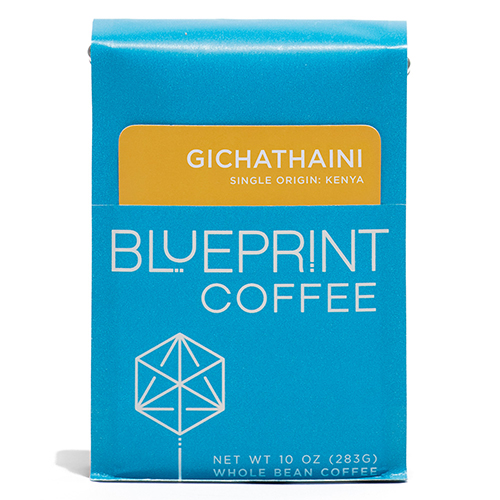
East Africa remains the epicenter of high-acidity, floral-forward coffees, with Kenya and Ethiopia leading the sector. A primary example of the cooperative success model is found in the Gichathaini, Kenya offering from Blueprint Coffee. The Gichathaini Factory is one of three washing stations operated by the Gikanda Farmer’s Cooperative Society. In the Kenyan system, the cooperative model ensures that profits are distributed back to the farmers who own the infrastructure. This specific lot is noted for its bright, tangy profile, featuring notes of baked pineapple and a molasses finish—a result of the nutrient-rich volcanic soil and meticulous wet-processing standards.
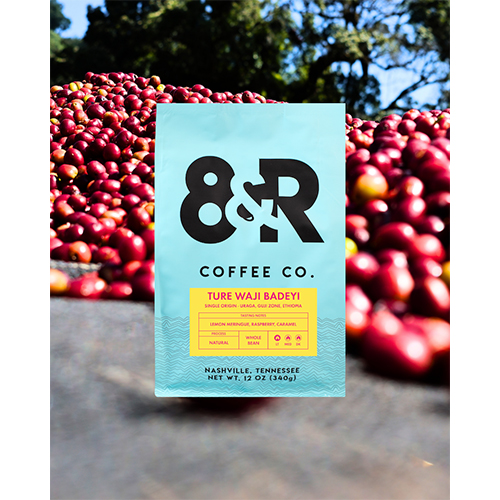
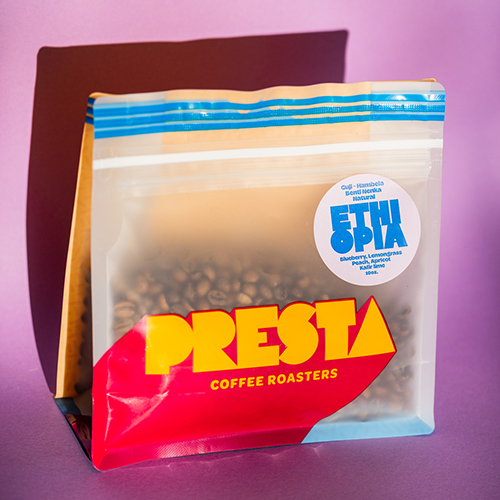
In Ethiopia, the Guji region continues to produce some of the most sought-after heirloom varieties. 8th & Roast has highlighted the Ture Waji Badeyi lot from the Uraga district. Historically, coffee cultivation at these extreme altitudes was restricted by environmental conditions, but recent advancements in agricultural management have allowed for successful harvests. The coffee, processed at the Dida Hora station, exhibits a tea-like body with complex notes of lemon meringue and raspberry. Similarly, Presta Coffee Roasters’ Ethiopia Guji Hambela Benti Nenka Natural showcases the highlands’ potential. Sourced from approximately 700 smallholder farmers at altitudes reaching 2,250 meters above sea level (masl), the 20-day natural drying process on raised beds amplifies the sweetness and fruit complexity inherent to the region’s terroir.
The Rise of Emerging Origins and Rare Exports
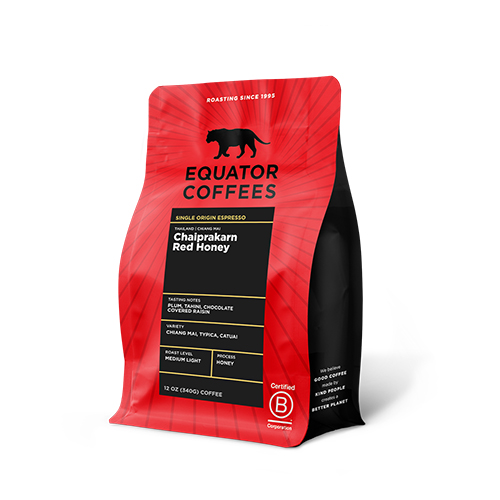
One of the most significant shifts in the 2024-2025 coffee season is the emergence of Southeast Asian specialty beans on the global stage. Historically, countries like Thailand and Indonesia were primarily known for commodity-grade Robusta or traditional wet-hulled Arabica. However, the Thailand Chaiprakarn Red Honey Single Origin Espresso from Equator Coffees represents a major departure from this history. Only 5% of Thailand’s specialty coffee is currently exported, as the domestic market consumes the majority of high-end production. This red honey-processed lot, developed by pioneer Noi Duongdee, introduces a profile of plum and tahini to the espresso market.
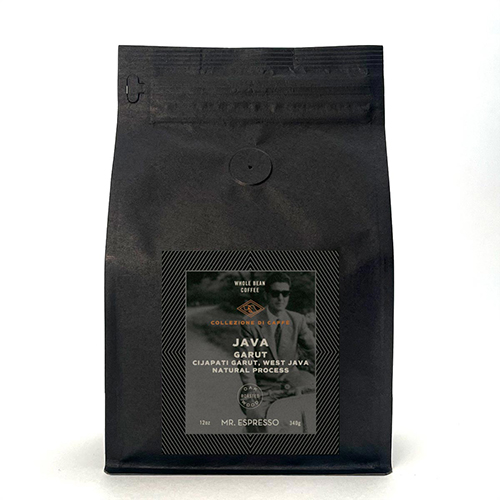
In Indonesia, Mr. Espresso is challenging regional conventions with its Java Garut offering. While Java is famous for its historical "Old Brown" or wet-hulled coffees, this lot utilizes a natural process on beans grown in volcanic loam at 4,000 feet. The resulting cup profile—tropical notes of passion fruit and kiwi—signals a modernization of Indonesian processing techniques aimed at the high-end specialty sector.
Colombian and Honduran Micro-Lots: A Study in Family Farming
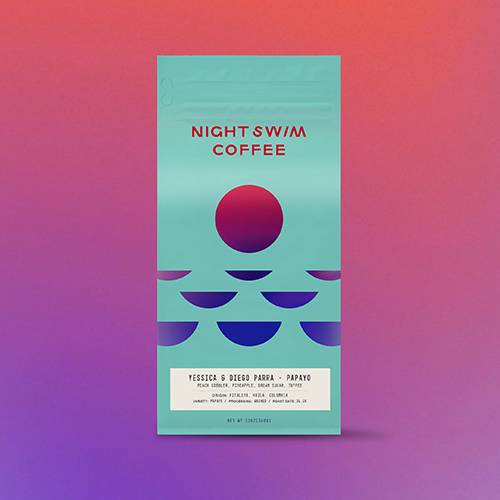
The Latin American sector remains the backbone of the specialty industry, with Colombia and Honduras providing the highest volume of high-quality washed coffees. Night Swim Coffee’s current offering, a washed Papayo variety from Yessica and Diego Parra in Pitalito, Colombia, underscores the role of young farmers in the industry. The Papayo variety is a rare mutation of Caturra, prized for its unique stone fruit and tropical notes.
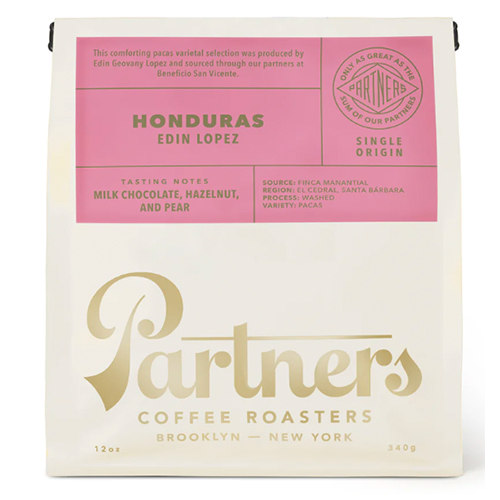
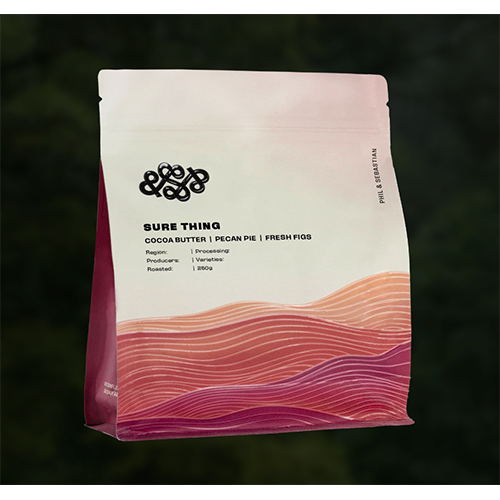
Honduras has also seen a resurgence in quality through dedicated family estates. Partners Coffee has introduced a lot from Edin Lopez of Santa Barbara, processed at the renowned Beneficio San Vicente. This fully washed Pacas variety delivers traditional profiles of milk chocolate and red apple. Concurrently, Phil & Sebastian’s "Sure Thing" blend utilizes beans from the El Cielito and El Cedral regions of Honduras, focusing on a "comfort" profile that highlights the region’s ability to produce consistent, rich, and nutty flavors suitable for a broad consumer base.
Experimental Fermentation and Technical Roasting
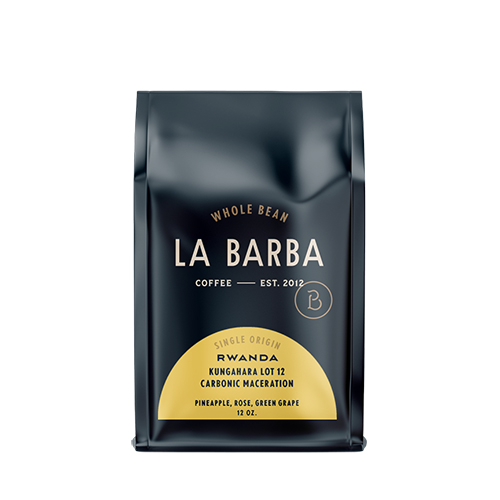
The industry is currently witnessing a "fermentation revolution," where roasters and producers manipulate the chemistry of the bean before roasting. La Barba Coffee’s Rwanda Kungahara Lot 12 utilizes carbonic maceration—a process borrowed from the wine industry where coffee cherries are fermented in a carbon dioxide-rich environment. This technique results in a "funky" but well-rounded cup with distinct rose and tropical fruit notes.
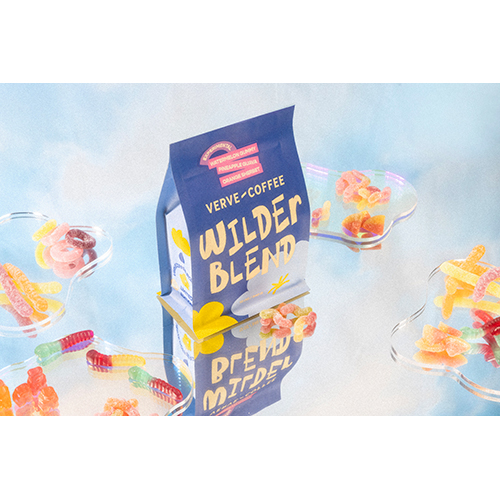
Verve Coffee Roasters has pushed this boundary further with its Wilder Blend, which incorporates yeast-inoculated Colombian coffees. By adding specific yeast strains during the fermentation phase, producers can amplify aromatics and push sweetness levels beyond what is naturally achievable through traditional methods. This blend is then balanced with a washed Ethiopian heirloom to maintain structural clarity.
PERC Coffee’s "Super Power Plum," produced by the globally recognized innovator Diego Bermudez, further illustrates this trend. Bermudez is known for his "thermal shock" and advanced anaerobic fermentation techniques, which create highly specific, pixelated flavor profiles—in this case, intense red plum and raspberry.
Seasonal Blending and the Science of Consistency
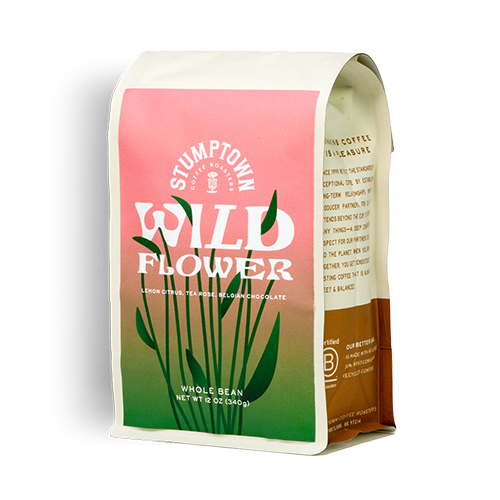
While single-origin coffees highlight specific terroir, seasonal blends allow roasters to maintain a consistent flavor profile by rotating fresh harvests. Stumptown Coffee Roasters’ "Wild Flower" blend combines beans from Papua New Guinea’s Kuta Mill and Rwanda’s Huye Mountain, creating a floral profile that aligns with spring consumer preferences.
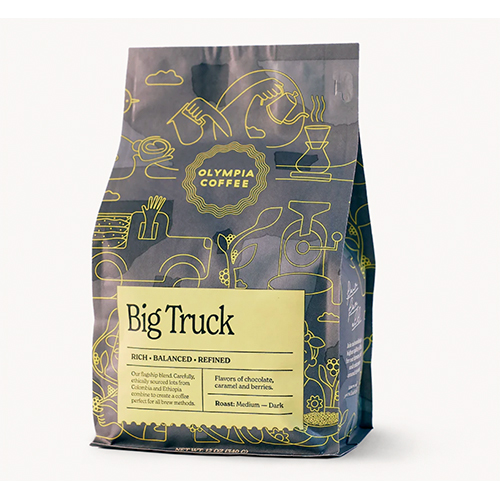
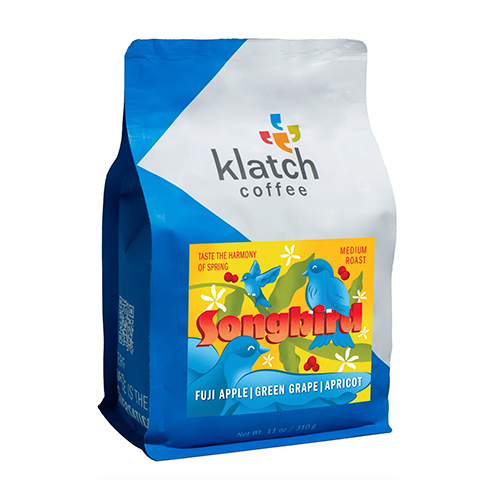
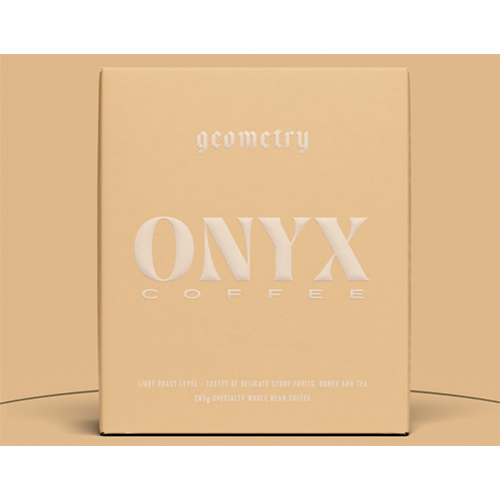
Klatch Coffee’s "Songbird" blend takes a multi-regional approach, combining an Orange Bourbon Anaerobic Natural, a Panama Catuai Natural, and a washed Mexico. This blend is designed to highlight acidity (Fuji apple and green grape) while maintaining a floral backbone. Olympia Coffee’s "Big Truck" and Onyx Coffee Lab’s "Geometry" represent the "flagship" model of blending, where the goal is a versatile coffee that performs equally well as a filter brew or an espresso. These blends rely on the synergy between Colombian sweetness and Ethiopian acidity.
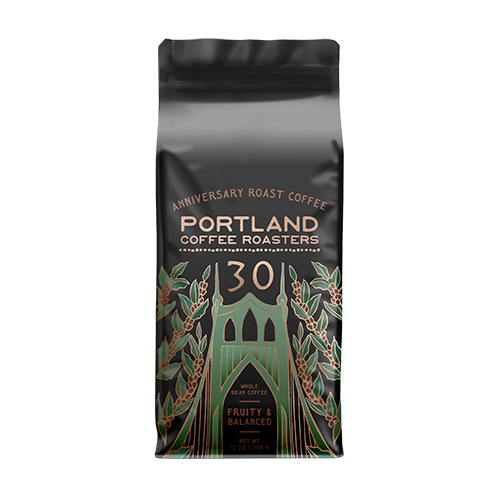
In the Pacific Northwest, Portland Coffee Roasters’ Anniversary Roast demonstrates the complexity of "pre and post-roast" blending. By blending Costa Rican and Colombian beans before roasting and adding organic Ethiopian Tega & Tula beans afterward, they achieve a layered depth of citrus and chocolate that a single roast profile could not produce.
Market Implications and the Future of Specialty Coffee
The diversification of these offerings has profound implications for the global coffee economy. The move toward rare varieties and experimental processing allows farmers to command prices significantly higher than the "C-price" (the commodity market price for coffee). This is essential for the long-term sustainability of the industry, as climate change and rising labor costs make traditional coffee farming increasingly unviable in many regions.
Furthermore, the emphasis on specific processing methods—such as the "Red Honey" method in Thailand or "Carbonic Maceration" in Rwanda—shows a shift in power from the roaster to the producer. Producers are no longer just suppliers of raw materials; they are technicians who define the final flavor profile of the product.
Industry Response and Consumer Impact
Industry analysts suggest that the transparency showcased in these weekly collections is setting a new standard for the retail market. Consumers are increasingly literate in coffee terminology, understanding the difference between "washed" and "natural" processes and the impact of altitude on bean density.

Caffè Umbria’s "Bizzarri Blend" represents the final stage of this consumer-driven evolution: a focus on the "end-use" case. By specifically crafting a blend to pair with milk and cream—noted by its Golden Bean North America medal—roasters are acknowledging that the majority of specialty consumers still enjoy milk-based beverages. The blend’s use of beans from Peru, El Salvador, and Uganda provides the body and acidity necessary to cut through dairy, proving that even traditional espresso blends are now being approached with a high degree of regional specificity.
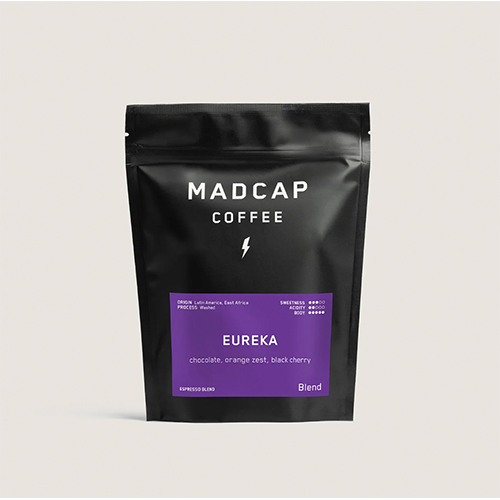
As the specialty coffee sector continues to mature, the focus will likely remain on the intersection of agricultural science and ethical sourcing. The ability of roasters like Madcap, Stumptown, and Onyx to bring these complex stories to the consumer ensures that the specialty coffee market remains one of the most dynamic and innovative sectors in the global food and beverage industry. The ongoing development of new origins, such as those in Thailand and Java, suggests that the "map" of specialty coffee is far from finalized, with new flavor frontiers still to be discovered.