Ali Ikhwan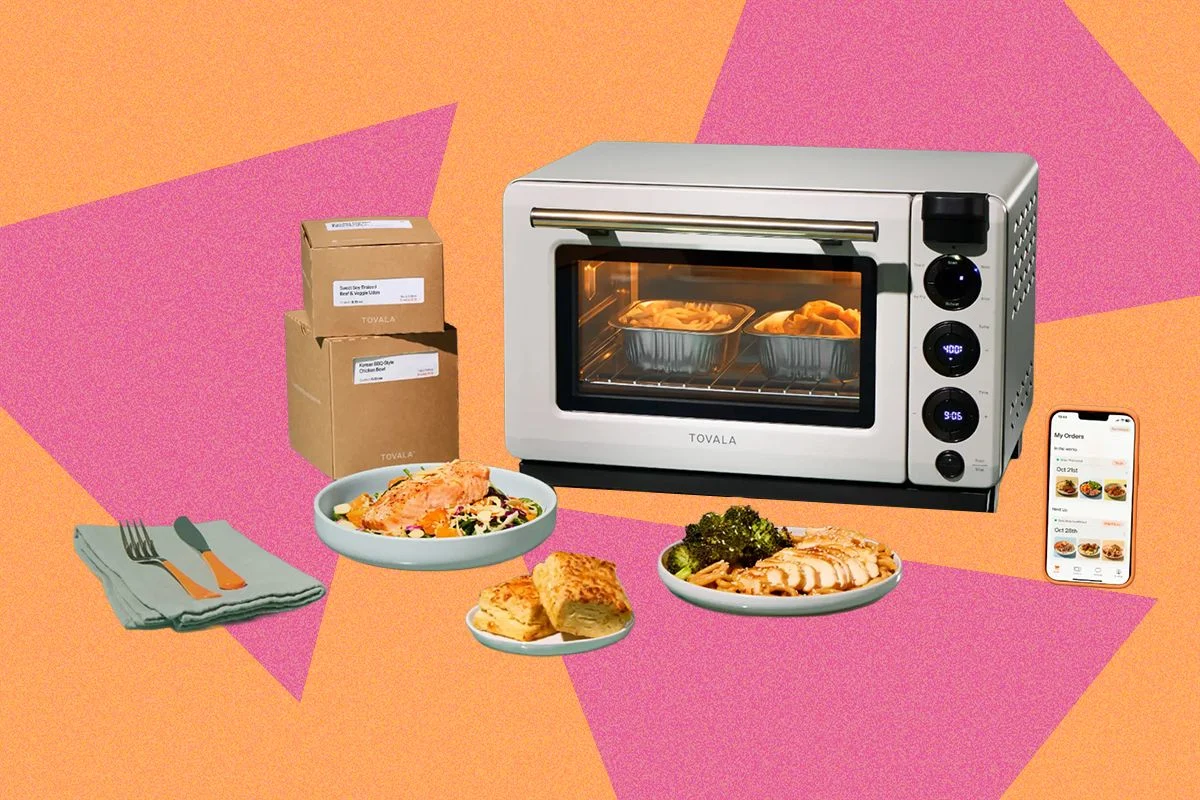
The landscape of home culinary technology has undergone a significant transformation over the last decade, transitioning from basic automation to integrated hardware-software ecosystems. At the forefront of this evolution is Tovala, a company that has blurred the lines between appliance manufacturing and food logistics. The 2026 iteration of the Tovala Smart Oven and its accompanying meal-delivery service represents a pivotal moment for the brand as it attempts to scale its "robot chef" concept from solo diners to full households. By introducing family-style portions that utilize the compact oven’s full capacity, Tovala is challenging the traditional boundaries of the meal-kit industry. However, this convenience comes with complex trade-offs regarding nutritional density and consumer health, particularly concerning the high levels of sodium and fats found in many of its pre-programmed recipes.
The Evolution of the Tovala Ecosystem: A Brief Chronology
Tovala first entered the market as a high-tech solution for the time-strapped professional, launching its initial smart oven via a successful crowdfunding campaign in 2017. The core premise was a "combi-oven"—a device capable of steaming, baking, and broiling in programmed sequences—paired with a subscription service of fresh, pre-portioned meals.

Between 2018 and 2023, the company focused on refining its hardware, eventually releasing the Smart Oven Pro, which integrated more sophisticated steam technology. During this period, the meal kit market became increasingly saturated with competitors like HelloFresh and Blue Apron. Tovala carved out a niche by offering the lowest possible "labor-to-quality" ratio; while other kits required 30 to 45 minutes of chopping and sautéing, Tovala meals required only a pair of scissors and a scan of a QR code.
By 2024, the primary criticism of the platform was its limitation to single-serve or double-serve portions. This demographic constraint prevented the service from penetrating the lucrative family market. In late 2025 and into 2026, Tovala responded by re-engineering its meal packaging and oven algorithms to accommodate four-serving "Family Meals," effectively attempting to turn a countertop appliance into a primary household cooking hub.
Technical Specifications and Hardware Integration
The 2026 Tovala Smart Oven Pro is designed to replace several kitchen appliances, including the toaster, the air fryer, and the traditional microwave. Its hardware is centered around a multi-mode heating system that utilizes convection, steam, and radiant heat. The integration of steam is particularly critical, as it allows for the reheating and cooking of proteins without the dehydration typically associated with convection-only countertop ovens.

The user interface is minimalist, relying heavily on a built-in QR code scanner located on the oven’s chassis. When a user holds a Tovala meal card up to the scanner, the oven downloads a specific multi-stage cooking program from the cloud. For example, a salmon dish might begin with a high-moisture steam cycle to cook the interior, followed by a high-heat convection cycle to crisp the skin, and ending with a broil to caramelize a glaze.
While the oven is sold at a retail price of $299 (or $349 for the Pro model), the company utilizes a "razor and blade" business model. Consumers who commit to a six-week meal subscription can purchase the hardware for as little as $69 to $119. This strategy has allowed Tovala to achieve a high level of market penetration among demographics that might otherwise be deterred by the upfront cost of smart kitchen technology.
Engineering the Family Meal: Space and Airflow Optimization
The most significant update in the 2026 review cycle is the implementation of the four-serving meal format. Fitting four portions of protein and sides into an oven with a small footprint requires precise spatial engineering. Tovala achieves this through the use of modular aluminum trays that can be tiled across the bottom rack and an elevated air-frying basket.

In testing, the oven’s calibration proved robust enough to maintain consistent temperatures even when the cavity was at maximum capacity. The use of simultaneous cooking zones—where the bottom trays handle moisture-heavy sides like risotto or gnocchi while the upper basket handles proteins—ensures that the airflow remains sufficient to prevent "steaming" foods that are meant to be roasted.
The preparation time for these family meals is approximately 10 minutes, a slight increase from the three minutes required for single-serve options, primarily due to the volume of vacuum-sealed components that must be opened and arranged. Despite the increased volume, the oven’s automated cycles remain within the 15-to-30-minute range, making it significantly faster than traditional oven cooking which requires preheating and manual monitoring.
Nutritional Data and Public Health Implications
While the Tovala system excels in convenience and mechanical execution, a detailed analysis of the meal kits reveals a concerning nutritional profile. For many consumers, the appeal of a meal kit is the promise of a "home-cooked" alternative to processed fast food. However, Tovala’s recipes often mirror the nutritional density of restaurant or high-end frozen meals rather than health-conscious home cooking.

Data from the 2026 meal lineup indicates that sodium levels are a primary point of contention. For instance, the Chicken Parmesan family meal contains approximately 2,300 milligrams of sodium per serving. To put this in perspective, the American Heart Association and the U.S. Food and Drug Administration (FDA) recommend a daily sodium limit of no more than 2,300 mg for a healthy adult. Consuming a single Tovala meal, therefore, accounts for 100% of the recommended daily allowance, leaving no room for sodium intake in other meals.
Furthermore, the reliance on heavy sauces, cheeses, and butter to ensure flavor consistency in an automated environment results in high levels of saturated fats and cholesterol. While the "Garlic-Herb Salmon with Sweet Pea Risotto" received high marks for texture and flavor, its caloric and fat content aligns more closely with "comfort food" than dietary wellness. This suggests that while Tovala has solved the problem of time, it has yet to fully address the growing consumer demand for sustainable, heart-healthy nutrition.
Market Positioning and Consumer Response
Industry analysts suggest that Tovala’s 2026 strategy is an attempt to capture the "middle-ground" consumer—those who have outgrown the novelty of basic meal kits but are unwilling to return to the labor-intensive process of traditional grocery shopping and meal prep.

The company’s 100-day money-back guarantee serves as a powerful tool for customer acquisition, effectively lowering the risk of entering a proprietary ecosystem. However, the requirement to use the Tovala oven to eat Tovala food creates a "walled garden" effect. Unlike competitors whose kits can be prepared in any kitchen, Tovala’s value proposition is tied inextricably to its hardware.
Reaction from the culinary community has been mixed. While some praise the "democratization of the combi-oven"—a tool previously reserved for professional chefs—others argue that the platform’s international offerings often lack authenticity. The "Teriyaki Chicken" meal, for example, was noted for its pale texture and unseasoned sides, highlighting the limitations of a one-size-fits-all automated cooking algorithm when applied to diverse global cuisines.
Broader Impact on the Future of Domestic Labor
The continued success of Tovala signals a shift in how modern households view domestic labor. By delegating the "skill" portion of cooking—temperature control, timing, and moisture management—to a cloud-connected device, Tovala is participating in the broader trend of the "automation of the home."

This shift has profound implications for the future of the kitchen. As smart ovens become more capable, the necessity for traditional stovetop cooking may diminish for a segment of the population. However, the 2026 review suggests that we are still in a transitional phase. The Tovala oven is an excellent secondary appliance, capable of making high-quality toast and runny eggs, but its primary function remains a delivery vehicle for the company’s own subscription revenue.
Conclusion: A High-Tech Compromise
Tovala’s 2026 offering stands as a testament to the power of integrated design. It successfully solves the "family dinner" problem for busy households, providing fresh-cooked meals with nearly zero cleanup and minimal prep. The mechanical reliability of the oven and the ingenuity of its spatial management are undeniable.
Nevertheless, the service remains a compromise. The high price of convenience is paid not just in subscription fees and shipping costs, but in a nutritional profile that may be unsustainable for long-term health. For the "solo diner" or the "busy couple," Tovala remains a market leader in the smart kitchen space. For the health-conscious family, however, the 2026 Tovala kit serves as a reminder that while a robot can cook your dinner, it doesn’t necessarily mean it should be the only thing you eat. As the company moves toward 2027, the challenge will be to maintain its "high flavor" reputation while drastically reducing the salt and fat content that currently defines its menu.