
 Ali Ikhwan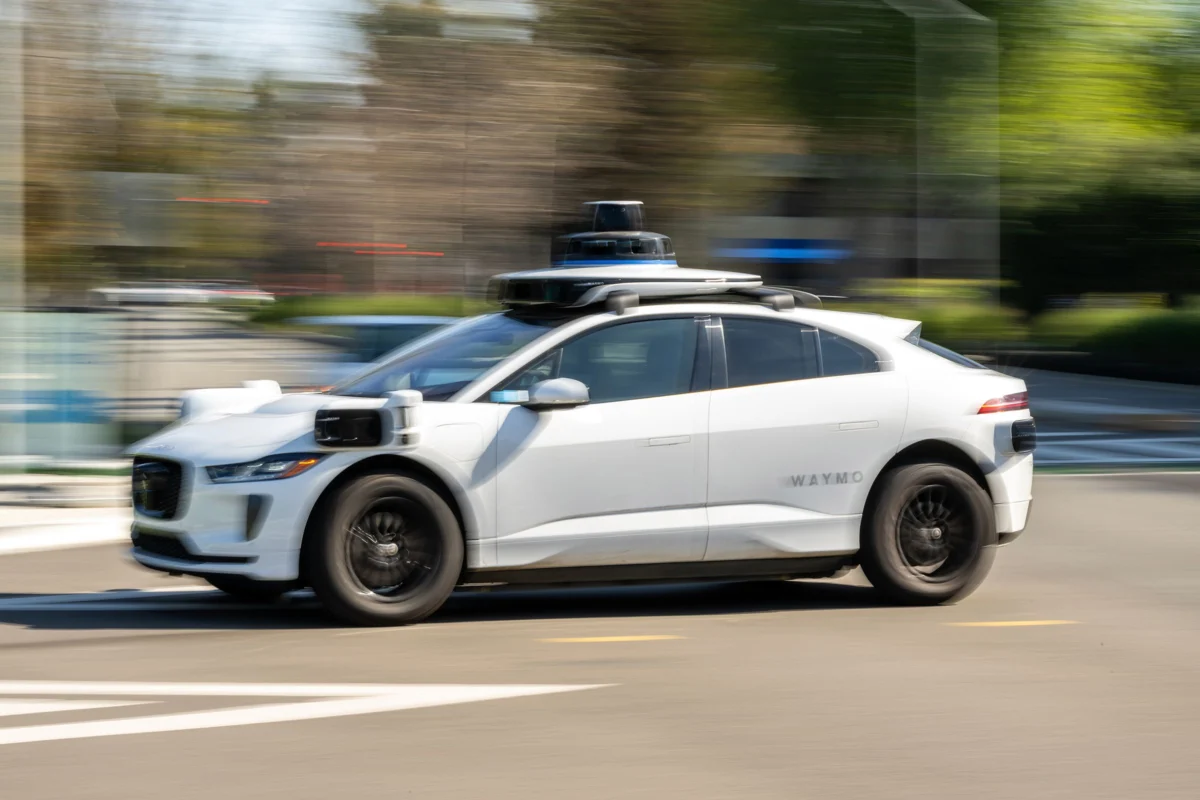
Waymo, the autonomous driving subsidiary of Alphabet Inc., has officially commenced a rigorous enforcement campaign to prevent unaccompanied minors from utilizing its robotaxi services in California. The move follows an increase in reports from parents who have been bypassing company terms of service to transport children to schools, social events, and extracurricular activities. While the technology has been touted as a safer alternative to traditional ride-hailing services, the practice of sending children alone in driverless vehicles remains a direct violation of current California state law and Waymo’s internal policies outside of its specific pilot programs.
The company confirmed on Friday that it is refining its internal monitoring systems to identify and intercept riders who appear to be under the age of 18. This enforcement push comes amid mounting pressure from state regulators and labor organizations, who allege that the company has been turning a blind eye to a growing trend of "ghost riding" by minors. As Waymo scales its operations in high-density markets like San Francisco and Los Angeles, the intersection of technological convenience and regulatory compliance has become a flashpoint for the future of autonomous mobility.
Enforcement Mechanisms and the Rise of Mid-Ride Verification
The crackdown is being facilitated through a combination of in-car surveillance and real-time human intervention. Waymo’s fleet of Jaguar I-PACE vehicles is equipped with an array of internal cameras designed to monitor the cabin environment for safety and compliance. According to statements provided to various news outlets, Waymo’s support agents have begun conducting mid-ride age-verification checks when the system identifies a passenger who may be a minor.
The process involves a support agent connecting to the vehicle’s audio system to speak directly with the passenger. Recent accounts from riders indicate that these checks are becoming more frequent. Nicholas Fleischhauer, a 35-year-old machine learning engineer in San Francisco, reported being flagged by the system just five minutes into a routine trip. Fleischhauer noted that his youthful appearance, coupled with a backpack and wet hair, likely triggered the system’s internal sensors. Similarly, 23-year-old Ethan S. Klein reported a similar interruption during a ride in Los Angeles, where an agent requested his date of birth to verify his eligibility to ride alone.
Waymo’s privacy policy explicitly states that while the company records video inside the vehicle for safety and support purposes, it does not utilize facial recognition or other biometric identification technologies to identify specific individuals. Instead, the company relies on human review under "certain circumstances" or during "urgent" situations to ensure that the person occupying the seat matches the account holder’s profile or meets the minimum age requirements.
The Legal and Regulatory Framework in California
The enforcement surge is not merely a matter of corporate policy but a response to a complex legal environment. In California, the Department of Motor Vehicles (DMV) and the California Public Utilities Commission (CPUC) oversee the deployment of autonomous vehicles (AVs). Under current permits, AV companies are prohibited from transporting unaccompanied minors. This stands in contrast to the Phoenix, Arizona, market, where Waymo has been permitted to roll out "Teen Accounts" for riders aged 14 to 17, provided they have parental consent and the rides are monitored via a dedicated support team.
The pressure on Waymo intensified last month when several California labor groups, led by the California Gig Workers Union and the Service Employees International Union (SEIU) Local 1021, filed a formal complaint with the CPUC. The complaint alleges that Waymo has knowingly allowed its service to be used for the transport of minors, thereby violating the terms of its operating permit. The labor groups argue that this practice poses a public safety risk and bypasses the stringent background checks and safety protocols required of human drivers who transport children.
This week, the matter was officially assigned to an administrative law judge, signaling a potential shift toward stricter oversight or punitive measures if Waymo is found to have been negligent in its enforcement. The CPUC is currently evaluating whether to modernize its rules to allow solo riders under 18 in driverless cars, potentially mirroring existing programs that allow traditional Transportation Network Companies (TNCs) like Uber and Lyft to transport minors under specific safety frameworks.
A Chronology of Waymo’s Youth Transport Policies
The evolution of Waymo’s stance on younger passengers reflects the broader "move fast and break things" ethos of Silicon Valley, tempered by the sobering realities of transportation law.
- 2017–2020: During its early testing phases in Chandler, Arizona, Waymo strictly limited rides to "Early Riders," who were primarily adults or families participating in a controlled study.
- 2021: As Waymo opened its service to the general public in the Phoenix East Valley, it maintained a strict 18-plus policy for solo riders but allowed children to ride if accompanied by an adult.
- August 2023: Waymo launched its "Teen Account" pilot in the Phoenix metro area. This allowed parents to authorize accounts for teenagers, featuring real-time location sharing and access to specially trained support agents.
- 2024: As operations expanded in San Francisco and Los Angeles, reports surfaced of parents using their own accounts to hail rides for their children. Social media became a hub for parents sharing tips on how to use the service for "school runs."
- January 2025: Labor unions filed formal complaints in California, accusing Waymo of permit violations regarding minor transport.
- Present: Waymo implements mid-ride verification and warns users that violating terms of service regarding minor transport will result in permanent account suspension.
Why Parents Are Turning to Driverless School Runs
Despite the legal prohibitions, many parents in urban California settings view autonomous vehicles as a solution to a chronic logistical crisis. Interviews with parents in San Francisco and Los Angeles reveal a variety of motivations for bypassing the rules.
One primary factor is the perceived safety of a driverless environment. Several parents have reported feeling more comfortable sending their children in a vehicle controlled by a computer than with a human stranger. The absence of a driver eliminates concerns regarding inappropriate behavior, distracted driving, or erratic routes. Furthermore, many families are ineligible for traditional school bus services due to geographic boundaries or administrative cuts, leaving them with few options for safe, reliable transport during working hours.
However, the convenience of Waymo comes at a premium. A January analysis of ride-hailing costs found that a Waymo trip is, on average, 13 percent more expensive than a comparable ride with Uber. For many parents, this "safety tax" is a price they are willing to pay to ensure their child is not utilizing public transit systems that they perceive as less secure or reliable.
Labor Reactions and Public Safety Concerns
The opposition from labor unions is rooted in both safety concerns and economic protectionism. Organizations like the California Gig Workers Union argue that if Waymo is allowed to transport minors without the same regulatory hurdles faced by human drivers, it creates an unfair competitive advantage. Human drivers for TNCs are often prohibited by their own company policies from picking up unaccompanied minors, yet they are subject to background checks and "Trust and Safety" protocols that robotaxis are only beginning to replicate through remote monitoring.
"The transport of our most vulnerable citizens—children—should not be used as a beta test for autonomous software," a representative from the SEIU stated in a recent brief. "If Waymo cannot or will not enforce its own age requirements, they are demonstrating a lack of control over their fleet that should call their entire permit into question."
From a technical standpoint, the concern is how a robotaxi handles an emergency involving a minor. While Waymo’s "Waymo One" support team is available at the touch of a button, critics question whether a 10-year-old would have the presence of mind to interact with a remote agent during a collision, a mechanical failure, or a medical emergency.
Implications for the Autonomous Vehicle Industry
The outcome of the California regulatory probe will likely set a precedent for the entire autonomous vehicle industry. Competitors such as Cruise (owned by General Motors) and Zoox (owned by Amazon) are watching the Waymo situation closely as they prepare to scale their own passenger services. If California decides to formalize a "TNC-U" (Transportation Network Company – Unaccompanied Minors) framework for autonomous vehicles, it could open a massive new market segment for these companies.
However, the immediate impact of the crackdown is a cooling effect on the "early adopter" parent demographic. Waymo’s statement that violating terms of service can lead to "temporary or permanent suspension" serves as a significant deterrent for families who have come to rely on the service for their own daily commutes.
As the legal proceedings continue, Waymo remains in a delicate position: it must innovate and expand to satisfy investors and user demand while demonstrating to skeptical regulators that it can police its own platform effectively. The "fresh-faced adults" caught in the verification checks are a byproduct of a system that is still learning to distinguish between a tech-savvy teenager and a young professional in a city where the lines between the two are often blurred.
For now, the message from Waymo is clear: the driverless revolution is for adults only—at least until the law catches up with the technology. The company continues to refine its "systems and processes for accuracy," suggesting that the era of the "unsupervised robotaxi school run" may be coming to an end in California, even as it flourishes in the more permissive regulatory environment of Arizona.







