Cintya Tara Annisa
The Evolution of Direct Trade and Producer Relations
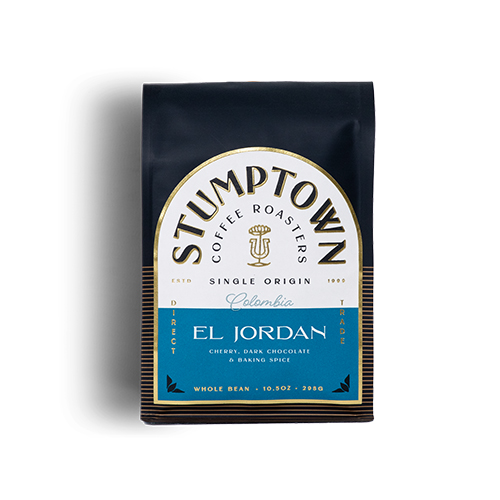
Central to the current market narrative is the strengthening of long-term sourcing partnerships, which serve as the bedrock for consistency in specialty roasting. Stumptown Coffee Roasters recently marked a significant milestone with the twentieth anniversary of its relationship with the El Jordan community in Colombia. Such longevity is rare in a market often characterized by fluctuating commodity prices and transient sourcing. The El Jordan offering, noted for its profile of black cherry and dark chocolate, highlights the economic stability that multi-decadal partnerships provide to smallholder farmers. By maintaining these ties, roasters can influence quality control at the farm level while providing producers with a guaranteed buyer, shielding them from the volatility of the C-market.
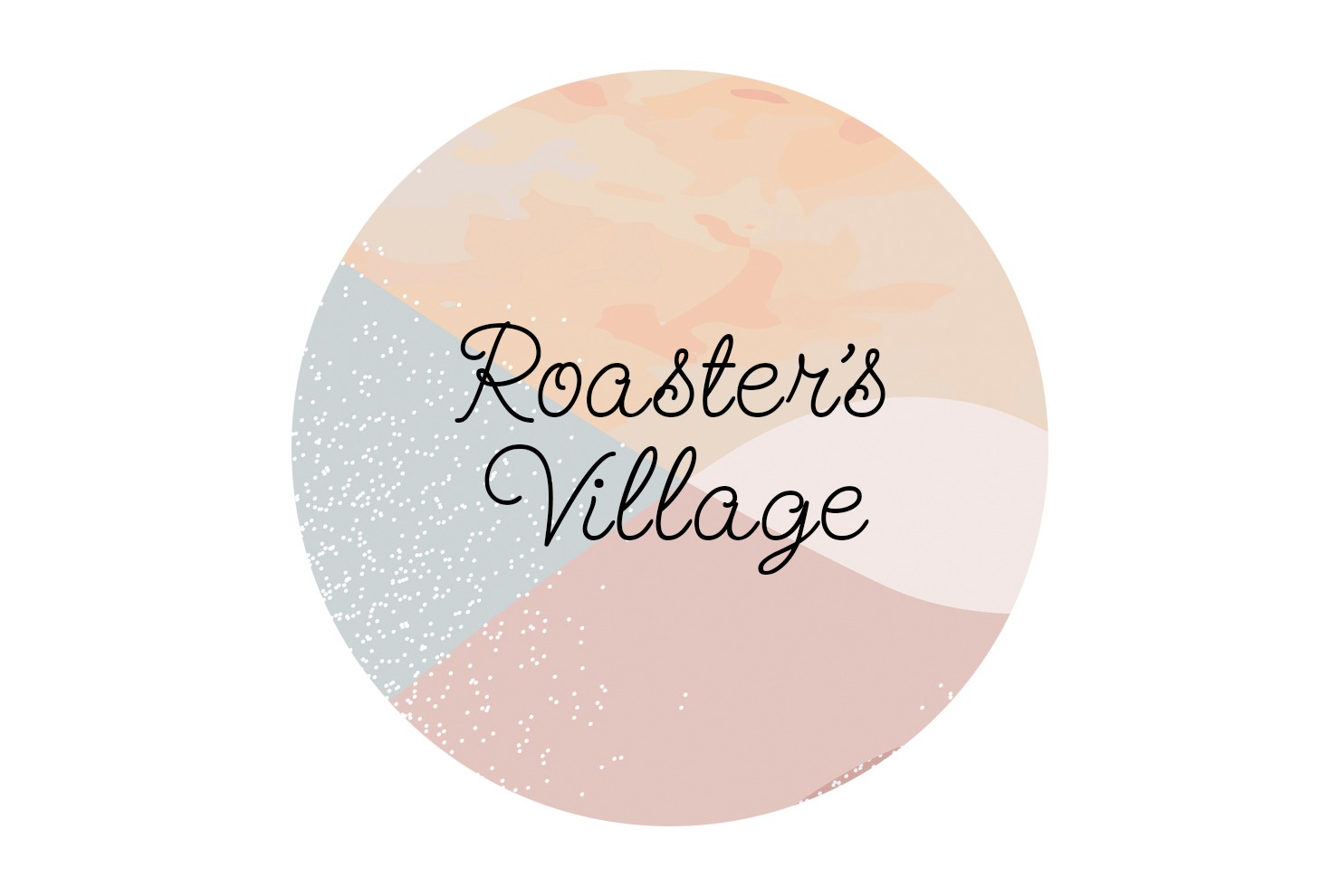
Similarly, Equator Coffees has leveraged a seven-year partnership with the Chirinos cooperative in Cajamarca, Peru, to introduce its Peru Chirinos Gesha. This specific lot is notable not only for the prized Gesha variety but also for its Regenerative Organic Certified® (ROC) status. The ROC designation represents the highest tier of environmental and social standards, requiring farmers to implement soil health practices, animal welfare standards, and social fairness for workers. As the specialty coffee industry moves toward a "post-sustainability" era, these certifications are becoming critical differentiators for brands seeking to align with the values of modern consumers.
Technological Advancements in Coffee Processing
The technical complexity of coffee production has expanded significantly beyond traditional washed and natural methods. The current selection of global offerings highlights a surge in experimental fermentation techniques designed to amplify specific flavor precursors. PERC Coffee’s "Super Power Plum," produced by the renowned innovator Diego Bermudez, utilizes advanced fermentation protocols to achieve distinct notes of red plum and raspberry. Bermudez is widely regarded as a pioneer in the application of biotechnology to coffee, using bioreactors and specific yeast strains to control the metabolic processes that occur during fermentation.
In Rwanda, La Barba Coffee has introduced a lot from the Kungahara station that utilizes carbonic maceration. Originally a technique borrowed from the wine industry, carbonic maceration involves placing whole coffee cherries in a sealed, CO2-rich environment. This anaerobic process encourages a different set of chemical breakdowns than open-air fermentation, resulting in a cup characterized by tropical fruit acidity and a distinct "funky" complexity. These methods allow roasters to offer "flavor-forward" profiles that challenge traditional notions of regional terroir, providing a bridge between agricultural tradition and laboratory science.
Regional Spotlights: From the Highlands of Bolivia to West Java
While traditional powerhouses like Ethiopia and Colombia continue to dominate the specialty sector, roasters are increasingly exploring underrepresented or revitalized regions. Night Swim Coffee’s feature of a washed Java variety from Finca Rosita in Bolivia highlights the emergence of the Caranavi region as a source of world-class microlots. At an altitude of 1,900 to 2,250 meters above sea level, the farm benefits from a microclimate that facilitates slow cherry maturation, enhancing the sweetness and complexity of the final product.
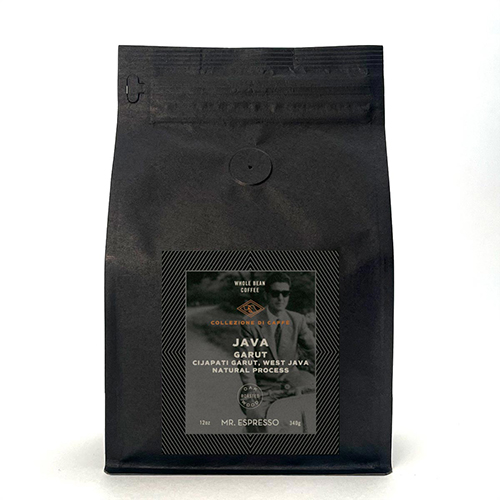
In Indonesia, a region historically associated with earthy, "wet-hulled" profiles, Mr. Espresso has introduced a natural-process Java Garut. This selection represents a departure from traditional Indonesian processing, offering a profile of passion fruit and papaya that aligns more closely with the bright, fruity characteristics of East African coffees. The shift toward natural processing in West Java is indicative of a broader movement among Southeast Asian producers to capture the premium prices associated with the specialty fruit-forward market.
The Strategic Role of the Signature Blend
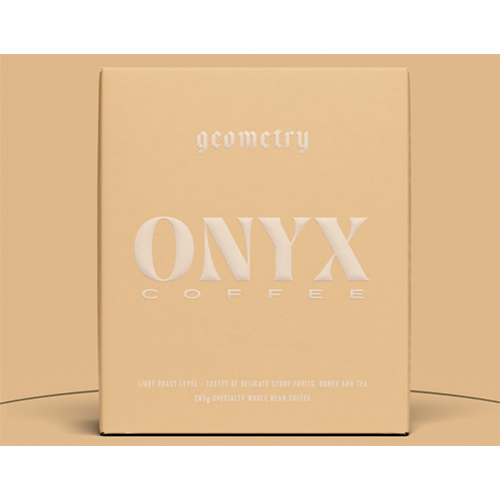
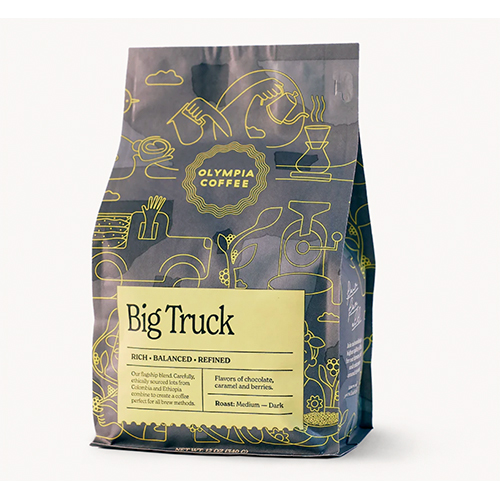
Despite the prestige associated with single-origin microlots, the art of blending remains a critical component of a roaster’s commercial strategy. Blends like Onyx Coffee Lab’s "Geometry" and Olympia Coffee’s "Big Truck" are designed to provide a consistent sensory experience regardless of seasonal harvest shifts. These products often serve as the "entry point" for consumers into the specialty space.
Onyx’s Geometry blend, a combination of washed Ethiopian and Colombian beans, is engineered for versatility, performing equally well as a filter coffee or a high-pressure espresso. This "utility" aspect is essential for wholesale partners and cafes that require a reliable, easy-to-dial-in product. Similarly, Verve Coffee Roasters’ "Wilder Blend" represents a modern approach to blending, combining yeast-inoculated Colombian coffees with Ethiopian heirlooms. This strategy allows the roaster to create a "designed" flavor profile—balancing the intensity of controlled fermentation with the floral clarity of washed process coffees—rather than relying solely on the inherent traits of a single farm.
Chronology of Seasonal Transitions and Market Arrivals
The current influx of these specific coffees follows a rigorous annual cycle of procurement and quality assessment.
- Late Q3 – Early Q4: Roasters conduct origin visits and "cupping" (tasting) sessions at washing stations in Central and South America to secure contracts for the upcoming harvest.
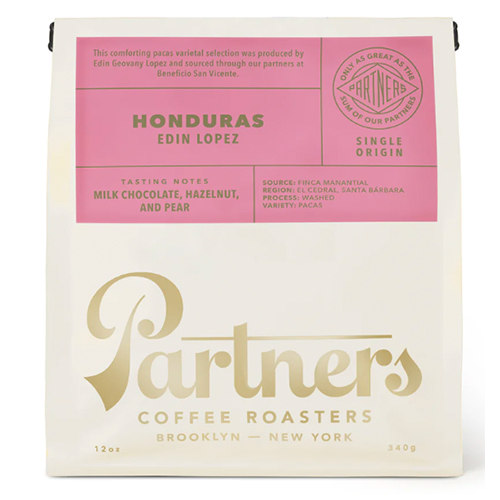
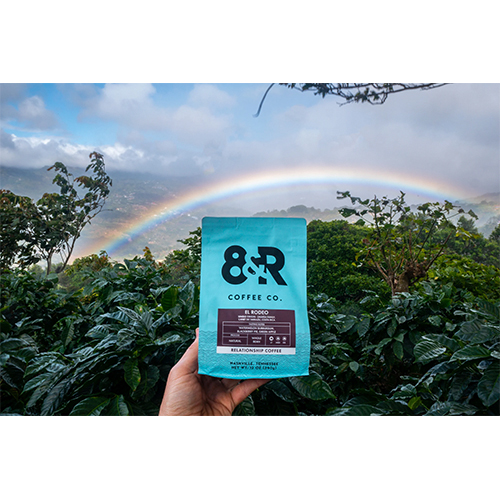
- Q1: The arrival of fresh harvests from high-altitude regions in Colombia, Peru, and Central America begins. This is when lots like Partners Coffee’s Honduras Edin Lopez and 8th & Roast’s El Rodeo typically enter inventory.
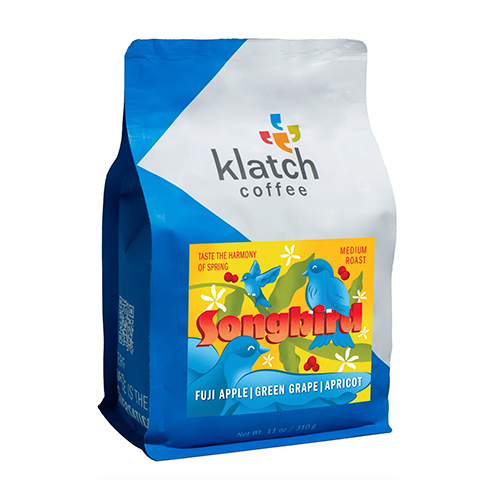
- Mid-Q1: Specialty roasters launch seasonal blends, such as Klatch Coffee’s "Songbird," which are curated to reflect the lighter, floral palates associated with the spring season.
- Current Period: The market sees the release of highly anticipated microlots and experimental "competition-grade" coffees, as roasters seek to capitalize on the peak freshness of African and South American arrivals.
Industry Analysis: Implications for the Global Supply Chain
The detailed information provided by these roasters—down to the specific farm name, altitude, and soil type (such as the volcanic loam mentioned by Mr. Espresso)—underscores a permanent shift toward radical transparency. This level of detail is no longer a luxury but a requirement for participation in the top tier of the coffee trade. For the producer, this transparency can lead to higher premiums and brand recognition, as seen with farmers like Edin Lopez in Honduras or Javier Umaña in Costa Rica.
However, this focus on specific varieties and high-tech processing also presents challenges. The "Gesha" variety, featured by Equator, requires specific environmental conditions and is often more susceptible to pests and diseases than more robust hybrids. As roasters and consumers demand these rare profiles, the industry must grapple with the tension between agricultural biodiversity and market-driven monocultures of "prestige" varieties.
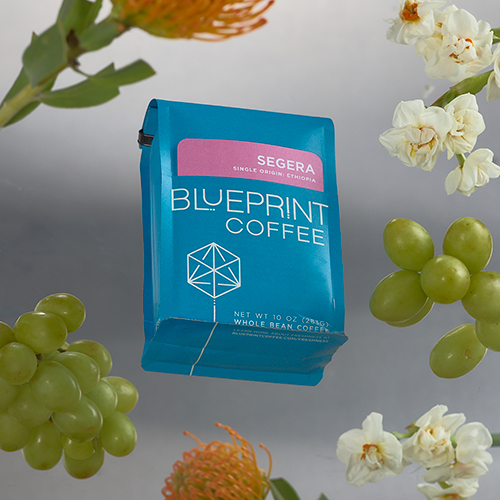
Furthermore, the emphasis on "Regenerative Organic" and "Ethical Sourcing" reflects a growing awareness of the climate crisis’s impact on coffee production. Regions like Sidama in Ethiopia (featured by Blueprint Coffee) are experiencing unpredictable rainfall patterns, making the "meticulous processing" at stations like Bensa Segera vital for maintaining quality in the face of environmental stress.
Broader Economic and Cultural Impact
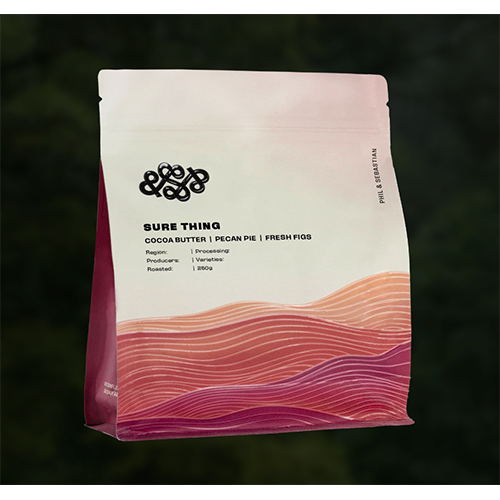
The specialty coffee industry continues to act as a significant driver of rural development in coffee-growing nations. By focusing on "relationship coffee," where roasters pay well above the C-market price, companies like 8th & Roast and Phil & Sebastian are directly contributing to the infrastructure of farming communities. The "Sure Thing" blend from Phil & Sebastian, sourced from the El Cielito and El Cedral regions of Honduras, demonstrates how a commercially successful product can support a broad network of smallholder producers.
Culturally, the proliferation of these diverse offerings is expanding the global "coffee vocabulary." Tasting notes once reserved for professional tasters—such as "watermelon bubblegum," "molasses," and "candied lime"—are now part of the everyday consumer experience. This democratization of sensory analysis has turned coffee from a simple commodity into a craft beverage akin to fine wine or craft beer.
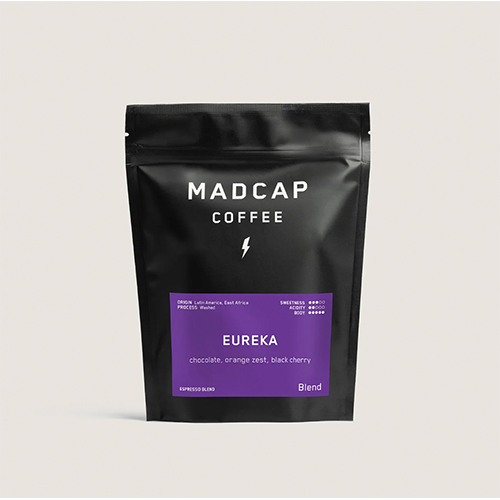
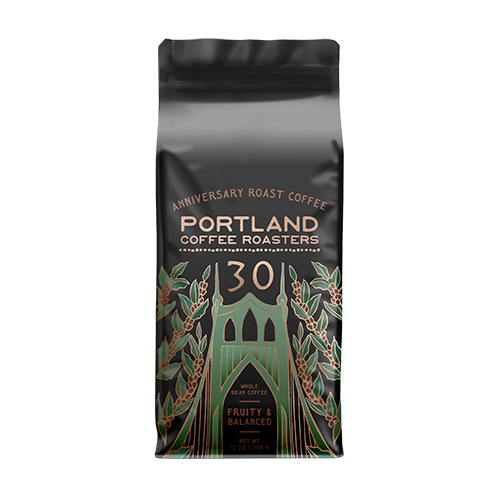
As the year progresses, the industry’s focus will likely remain on balancing these high-end, experimental releases with the foundational blends that sustain the business. The current collection of offerings from roasters like Madcap, Caffe Umbria, and Portland Coffee Roasters suggests a robust market that is successfully navigating the complexities of modern agriculture while continuing to push the boundaries of flavor. The integration of traditional farming wisdom with modern processing technology remains the most promising path forward for an industry that must innovate to survive in a changing global climate.