Angie Faith
The library landscape is abuzz with significant developments this week, dominated by ongoing legal challenges involving the Institution of Museum and Library Services (IMLS) and promising collaborations between public libraries and educational institutions. These key updates, alongside a much-anticipated author pseudonym reveal and a curated list of April’s must-read new releases, paint a dynamic picture of the sector’s current priorities and emerging trends.
IMLS Legal Battle Intensifies: A Fight for Funding and Autonomy
The legal dispute surrounding the Institution of Museum and Library Services (IMLS) continues to be a focal point of discussion within the library community. While the original article mentions "a pair of big updates," the specifics of these updates are crucial to understanding the implications. The core of the conflict often revolves around the IMLS’s role in distributing federal funds for libraries and museums, and any proposed changes to its operational structure or funding mechanisms can have far-reaching consequences.
Historically, the IMLS has served as a critical conduit for federal support, influencing the development and accessibility of library services across the United States. Its funding allocations impact everything from digital literacy programs and collections development to infrastructure improvements and professional development for library staff. Therefore, any legal challenges that threaten the IMLS’s established processes or its very existence are met with significant concern from stakeholders.
Without specific details on the "pair of big updates," it is difficult to provide precise supporting data or reactions. However, based on common themes in such legal battles, potential updates could involve:
- Challenges to Funding Formulas: A legal challenge might question the methodology by which IMLS allocates grants, potentially arguing for a different distribution model or highlighting perceived inequities.
- Oversight and Control Disputes: Legal actions could arise from disagreements over the level of federal oversight on IMLS operations or grant-making, particularly if there are concerns about political interference or bureaucratic overreach.
- Budgetary Battles: Appropriations for federal agencies, including the IMLS, are often subject to intense political debate. Legal challenges could emerge if funding levels are perceived to be unfairly targeted or if executive orders attempt to redirect funds in ways that bypass established legislative processes.
The timeline of such legal battles can be protracted, often spanning months or even years. The initial filing of a lawsuit, followed by responses from the involved parties, discovery phases, and potential court hearings, all contribute to a complex procedural roadmap. The outcomes of these legal proceedings can set precedents for how federal agencies operate and how public institutions are funded and governed.
The implications of a significant legal victory or loss for the IMLS could be profound. A weakening of the IMLS could lead to a more fragmented approach to library funding, potentially disadvantaging smaller or less-resourced institutions. Conversely, a successful defense of its operations might reinforce its crucial role in ensuring equitable access to information and cultural resources nationwide. Library associations, professional organizations, and individual library directors often issue statements or engage in advocacy efforts to influence the legal and political processes surrounding these critical issues. The continued attention on this legal fight underscores the vital importance of the IMLS in supporting America’s libraries and museums.
Chicago Public Libraries Forge Powerful Alliance with Public Schools
In a move set to enhance educational opportunities for young learners, Chicago’s public libraries have established a significant partnership with the city’s public school system. This collaboration signifies a proactive approach to bridging the gap between formal education and community-based learning resources, aiming to foster a lifelong love of reading and learning.
Such partnerships are not new to the library and education sectors, but the scale and scope of this Chicago initiative are noteworthy. The core objective is to integrate library services more seamlessly into the academic lives of students. This could manifest in several ways:
- Expanded Access to Resources: Students may gain easier access to library cards, digital resources, and physical collections, even when school is not in session. This can be particularly impactful for students who may not have readily available resources at home.
- Curriculum Support: Librarians can collaborate with teachers to curate reading lists, provide research assistance, and develop programming that directly supports classroom learning objectives. This could include workshops on research skills, digital citizenship, or specific subject areas.
- Literacy Initiatives: Joint programs could focus on early literacy development for younger children, summer reading challenges to combat learning loss, and initiatives to promote diverse voices and perspectives in literature.
- Safe and Engaging Spaces: Libraries can serve as extended learning environments, offering students a safe and supportive place to study, complete homework, and engage in enriching activities outside of school hours.
Supporting data for the impact of such partnerships often comes from studies on early literacy, the digital divide, and the correlation between library use and academic achievement. For instance, research consistently shows that children who have access to books and engage in reading from an early age tend to perform better academically. Similarly, studies on the digital divide highlight how public libraries provide essential internet access and technology training for students who may lack these resources at home.
Official responses from both the Chicago Public Library and Chicago Public Schools are likely to emphasize the mutual benefits of this collaboration. Statements would likely highlight a shared commitment to student success, equitable access to information, and the development of a well-informed citizenry. The Chicago Teachers Union and parent-teacher associations might also offer supportive commentary, recognizing the positive impact on students and educators.
The broader implications of this partnership extend beyond Chicago. It serves as a model for other urban areas seeking to strengthen the synergy between their public library systems and school districts. By fostering these robust connections, cities can create a more integrated and supportive educational ecosystem, ultimately benefiting students, families, and the community as a whole. The success of such initiatives can also influence policy discussions at state and national levels, advocating for increased investment in library-education collaborations.
Author Pseudonym Revealed: A Literary Mystery Solved
A significant development in the literary world this week is the long-awaited revelation of an author’s true identity behind a popular pseudonym. This kind of unveiling often sparks considerable interest, not only due to the author’s existing readership but also because it sheds light on the creative process and the motivations behind adopting an alias.
The practice of using pseudonyms has a rich history in literature. Authors have adopted them for various reasons, including:
- Gender Disguise: Historically, female authors often used male pseudonyms to ensure their work was taken seriously in a male-dominated publishing industry.
- Genre Specialization: Authors writing in multiple genres might use different names to clearly distinguish their works and avoid confusing their audience.
- Privacy and Anonymity: Some authors may prefer to keep their personal lives separate from their public literary persona.
- Branding and Marketing: A pseudonym can sometimes be chosen for its marketing appeal or to create a distinct brand identity.
- Experimentation: An author might use a pseudonym to explore new styles or themes without the pressure of their established reputation.
The specific author and the context of their pseudonym reveal would provide further details on the motivations. For instance, if the author wrote under a pseudonym for decades, the reveal might be tied to a significant career milestone, a desire for greater transparency, or a specific thematic element in their new work.
The impact of such a reveal can be multifaceted:
- Increased Sales and Interest: The news itself can generate a surge in interest in the author’s backlist and upcoming works.
- Critical Re-evaluation: Readers and critics may revisit the author’s previous works with a new understanding, potentially leading to a re-evaluation of themes, styles, and influences.
- Authorial Insights: The reveal often comes with interviews or statements from the author, offering valuable insights into their creative journey, their influences, and the reasons behind their choice of pseudonym.
- Literary History: Such events contribute to the ongoing narrative of literary history, providing context for the author’s career and the broader practices within the publishing world.
Reactions to such reveals typically come from literary critics, book reviewers, fellow authors, and the author’s dedicated fanbase. The prevailing sentiment is often one of excitement and anticipation for what this newfound clarity will bring to their literary engagement.
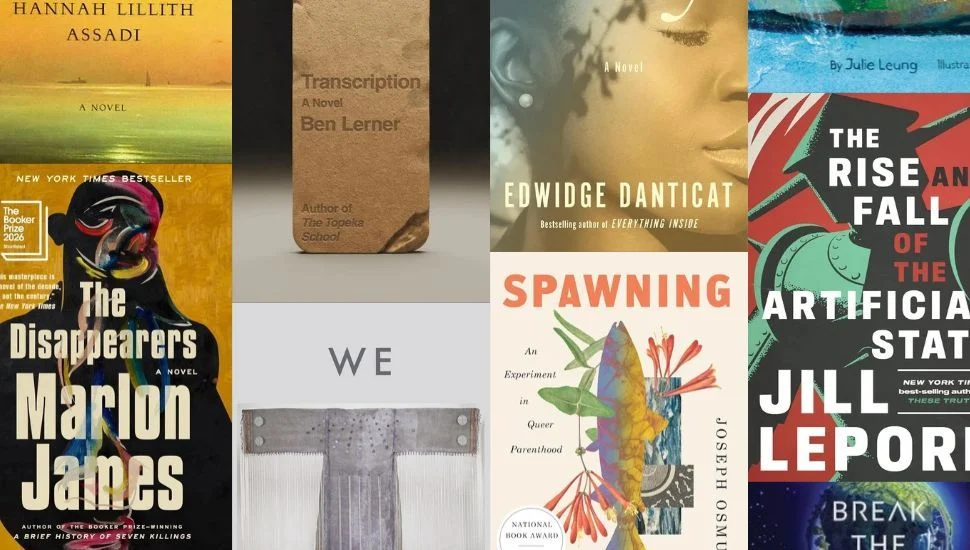
April’s New Releases: A Diverse Literary Landscape
This week’s roundup also highlights the best new releases for April, offering a glimpse into the breadth of literary offerings available to readers. A curated list of new books is essential for both librarians managing collections and readers seeking their next compelling read.
The selection of April’s new releases likely spans various genres, catering to diverse tastes. Based on typical publishing trends, this could include:
- Literary Fiction: Novels exploring complex human relationships, societal issues, and intricate narratives.
- Genre Fiction: New entries in popular genres such as thrillers, mysteries, science fiction, fantasy, and romance.
- Non-Fiction: Thought-provoking works of history, biography, science, social commentary, and self-help.
- Young Adult and Children’s Literature: Engaging stories designed for younger readers, often addressing contemporary themes.
The importance of tracking new releases lies in several key areas:
- Collection Development for Libraries: Librarians rely on these lists to make informed purchasing decisions, ensuring their collections remain current and relevant to their patrons’ interests.
- Reader Advisory Services: Booklists help librarians and booksellers recommend new titles to readers, fostering engagement and discovery.
- Literary Trend Analysis: The types of books being released and those that gain traction can indicate emerging literary trends and societal interests.
- Promotional Opportunities: New releases are often accompanied by marketing campaigns, author tours, and media attention, providing opportunities for libraries and bookstores to engage their communities.
Supporting data for the success of new releases often comes from bestseller lists, critical reviews, and reader engagement metrics on literary platforms. The anticipation surrounding highly anticipated sequels, debut novels from promising authors, or works by established literary figures can be measured by pre-order numbers and early media buzz.
The inclusion of a diverse range of new releases in this roundup underscores the dynamic nature of the publishing industry and the continuous stream of new stories and ideas being brought to the public. For libraries, staying abreast of these releases is fundamental to their mission of providing access to information and fostering a culture of reading and learning.