Cintya Tara Annisa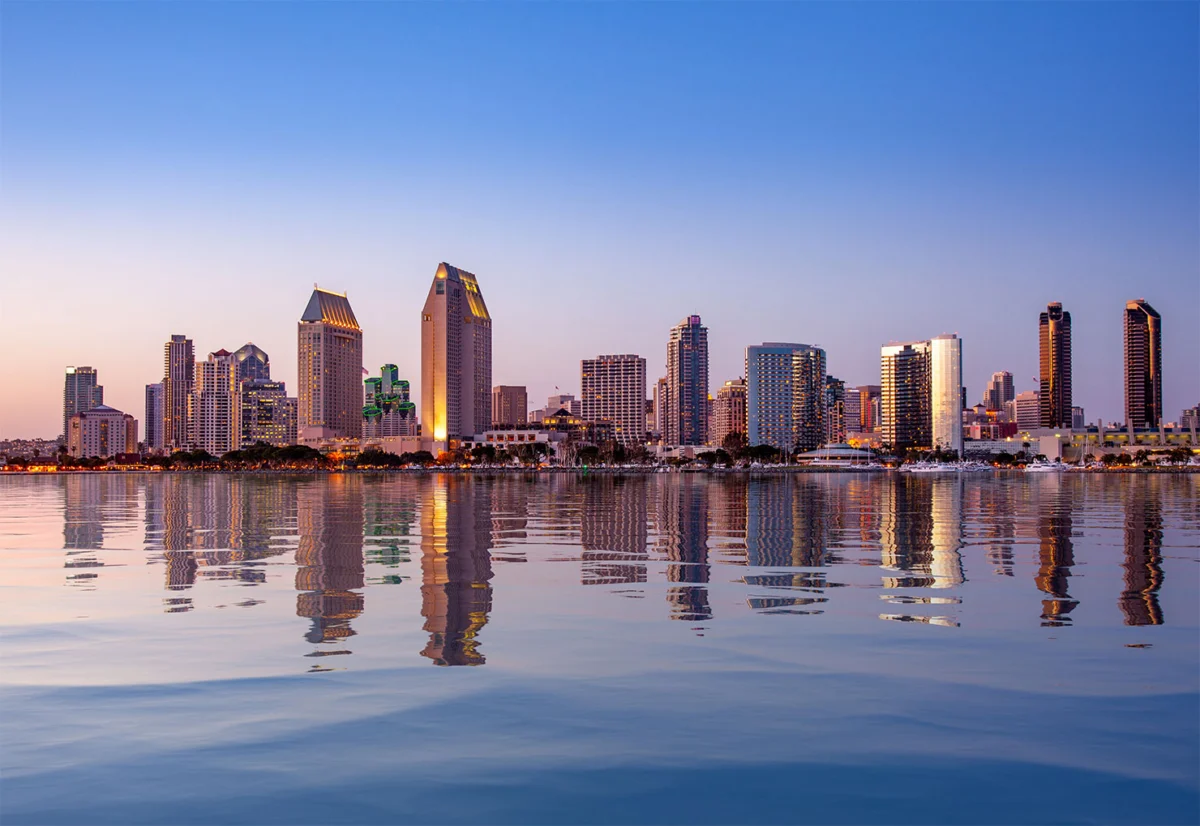
The specialty coffee industry has officially designated San Diego, California, as the host city for the 2026 World of Coffee (WoC) event, marking a significant milestone for North America’s premier coffee exposition. Organized by the Specialty Coffee Association (SCA), World of Coffee serves as the largest gathering of coffee professionals, roasters, and retail experts on the continent, acting as a vital nexus for innovation, trade, and cultural exchange within the global supply chain. The selection of San Diego underscores the city’s growing status as a major hub for specialty coffee and its deep-rooted history in the trade, which dates back more than half a century.
This upcoming event continues a tradition of rotating the exposition through global centers of commerce and culture. The 2026 San Diego gathering follows the 2024 event in Copenhagen, Denmark, and the 2025 event scheduled for Houston, Texas. By choosing San Diego, organizers are positioning the event in a city that uniquely bridges the gap between major consuming markets and Latin American producing regions, offering a distinct vantage point on the evolving dynamics of the coffee industry.
The Cultural Architecture of a Border City
San Diego’s identity is shaped by a complex interplay of three primary cultural pillars: its status as a border town, its deep military heritage, and its globally recognized beach culture. According to Peter Giuliano, the Executive Director of the Coffee Science Foundation and a long-time leader in the specialty coffee community, understanding these facets is essential for any professional visiting the city for World of Coffee 2026.
The proximity to Mexico is the most defining characteristic of the San Diego metropolitan area. This geographic reality creates a unique "binational" culture where the influence of Mexican traditions is pervasive in both the social fabric and the local coffee scene. A prominent example of this is the "Mexican Mocha," a regional staple in San Diego coffee houses since the late 1980s. Unlike standard chocolate-based espresso drinks, the San Diego interpretation often incorporates specific spices and textures rooted in Mexican culinary history. This cross-border influence extends to the city’s food scene, particularly its fame for fish tacos and regional Mexican cuisine, making it as much a Mexican city as an American one in terms of cultural output.
In contrast to the artistic and entertainment-focused identity of nearby Los Angeles, San Diego is fundamentally a "Navy town." The presence of the massive naval base across the bay from downtown and the proximity of Camp Pendleton to the north introduces a working-class, disciplined, and transient population that anchors the city’s economy. This military footprint has historically provided a steady demand for hospitality services and has shaped the city’s unpretentious, service-oriented character.
Finally, the beach culture represents the city’s public square. In San Diego, the coastline serves as a primary site for social interaction and recreation, ranging from surfing and jogging to communal sunset viewing. This "beach lifestyle" is not merely a tourist attraction but a foundational element of daily life for residents, influencing everything from fashion to the relaxed atmosphere of local specialty cafes.
Chronology of Specialty Coffee in Southern California
The history of specialty coffee in San Diego provides a blueprint for the industry’s development in the United States. While many associate the birth of the "second wave" with Seattle or Berkeley, San Diego played a critical role through the establishment of Pannikin Coffee and Tea in 1968. Founded by Bob Sinclair, Pannikin was heavily influenced by the early work of Alfred Peet in Berkeley. By the late 1980s, Pannikin had expanded to seven locations, serving as a regional powerhouse similar to Starbucks in Seattle or the Coffee Connection in Boston.
The legacy of Pannikin continues through its descendants, most notably Cafe Moto. Founded by Torrey and Kim Lee—the former being the son of Pannikin’s founder—Cafe Moto operates a roastery and cafe in Barrio Logan, near the San Diego Convention Center. This lineage represents the continuity of the coffee trade in the region, transitioning from early specialty pioneers to modern leaders in sustainable and high-quality roasting.
The 21st century has seen a further explosion of specialty coffee in the city, led by brands like Bird Rock Coffee Roasters. Bird Rock has been instrumental in elevating the city’s reputation on a national level, frequently winning industry awards for its sourcing and roasting profiles. The proliferation of these shops across the downtown core and surrounding neighborhoods ensures that World of Coffee 2026 attendees will be immersed in a mature, sophisticated coffee ecosystem.
Economic Impact and Convention Logistics
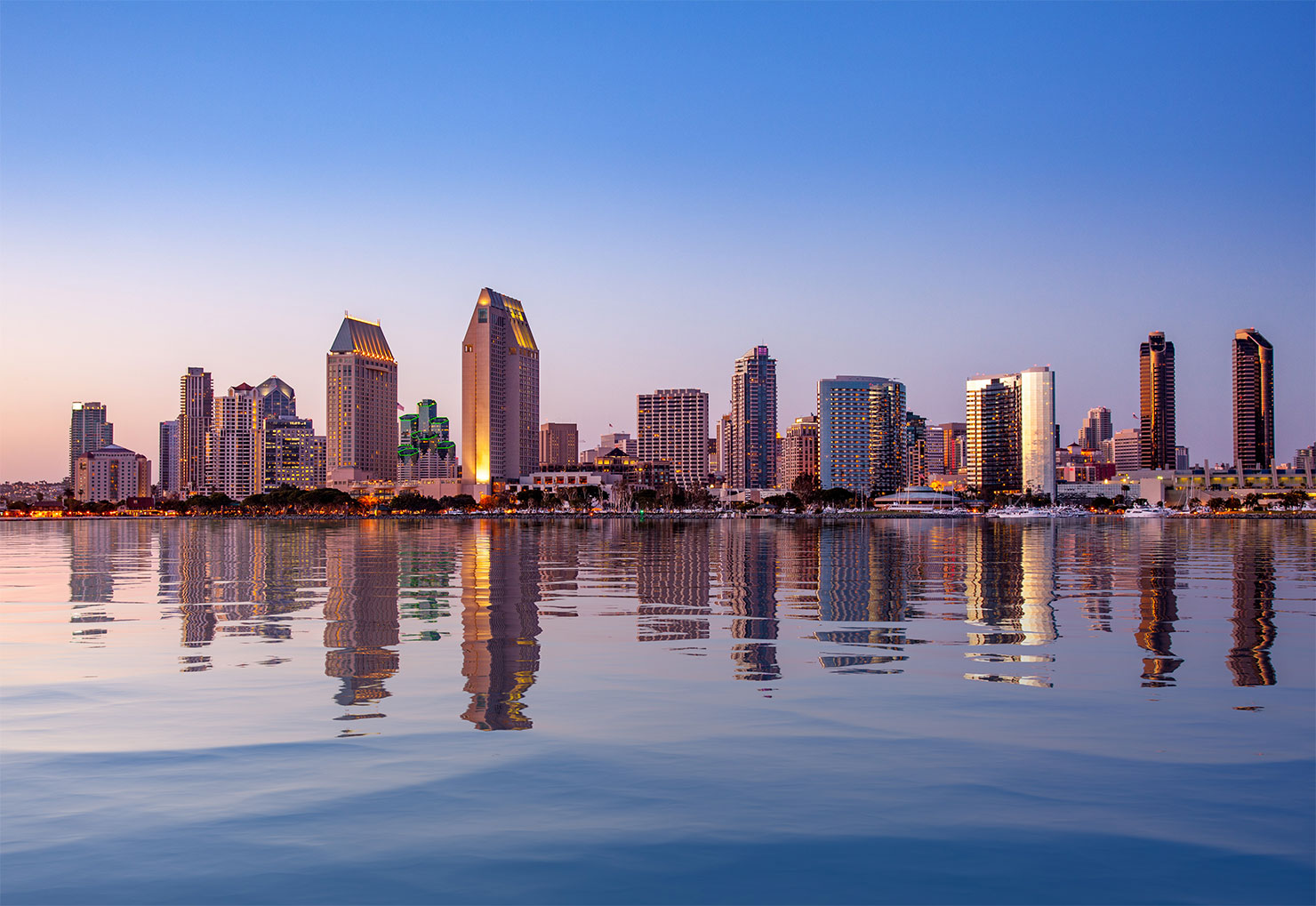
The hosting of World of Coffee 2026 is expected to generate a substantial economic impact for the city of San Diego. The San Diego Convention Center, located on the picturesque waterfront, will serve as the primary venue. This facility is one of the busiest in the United States, known for hosting major international events such as Comic-Con International.
Industry data suggests that large-scale specialty coffee events can attract upwards of 10,000 to 15,000 attendees, including international delegates from over 80 countries. This influx of visitors will provide a significant boost to the local hospitality sector, including hotels, restaurants, and transportation services. Furthermore, the event serves as a critical platform for business-to-business (B2B) transactions, with millions of dollars in equipment sales and green coffee contracts often initiated on the trade show floor.
The choice of the Convention Center is strategic, given its proximity to the Gaslamp Quarter and Barrio Logan. These districts offer a blend of historic architecture and modern urban revitalization, providing attendees with immediate access to San Diego’s diverse culinary and social offerings.
Analysis of Regional Culinary and Social Influences
A hallmark of the San Diego experience for visiting coffee professionals will be the city’s distinct culinary landscape, which is inseparable from its coffee culture. The "Berto’s" phenomenon is a prime example of San Diego’s unique food identity. Numerous local Mexican eateries—such as Roberto’s, Alberto’s, and others sharing the suffix—define the city’s "San Diego Style" Mexican food, characterized by high-quality carne asada burritos and fish tacos.

Beyond traditional Mexican fare, San Diego has long been a center for vegetarian and health-conscious living. This "hippie culture" is rooted in the presence of institutions like the Self-Realization Fellowship in Encinitas, founded in the 1950s. This influence has led to a high concentration of yoga studios and vegetarian-friendly restaurants, such as Jyoti-Bihanga and Pōkez. For the specialty coffee industry, which increasingly focuses on plant-based alternatives and health-conscious consumer trends, San Diego offers a rich environment for market research and trend observation.
The Role of Scientific Inquiry in the Coffee Trade
The presence of Peter Giuliano and the Coffee Science Foundation (CSF) in the San Diego area highlights another critical dimension of the 2026 event: the intersection of coffee and science. The CSF is dedicated to advancing the understanding of coffee through rigorous research, covering topics from sensory analysis to the chemical composition of the bean.
Giuliano’s leadership in this field suggests that the 2026 event may feature a strong emphasis on the technical and scientific aspects of coffee production and preparation. As the industry faces challenges such as climate change and evolving consumer preferences, the integration of scientific data into business practices has become essential. San Diego’s proximity to major research universities and biotech hubs further reinforces its suitability as a location for high-level industry discourse.
Broader Implications for the Global Coffee Industry
The selection of San Diego for World of Coffee 2026 is more than a logistical decision; it is a recognition of the city’s role in the global coffee narrative. By highlighting the "border town" aspect, the SCA is acknowledging the importance of the relationship between consuming nations and producing nations. Mexico, as a significant coffee-producing country, shares a direct link with San Diego, allowing for a more nuanced conversation about labor, sustainability, and direct trade.
Furthermore, the event will likely serve as a showcase for the "Southern California style" of coffee retail, which emphasizes outdoor spaces, community engagement, and a fusion of global influences. As the specialty coffee market continues to mature, the lessons learned from San Diego’s decades-long evolution will be invaluable for professionals seeking to navigate the future of the trade.
In the years leading up to 2026, the San Diego coffee community is expected to engage in extensive preparations to welcome the global industry. From live music venues like The Casbah to historic bars like The Waterfront, the city’s hospitality infrastructure is poised to provide a comprehensive experience that reflects the vibrancy and diversity of the modern coffee world. The 2026 World of Coffee event stands to be a landmark occasion, blending the scientific, economic, and cultural threads that define the contemporary specialty coffee industry.