
 Indra Kusuma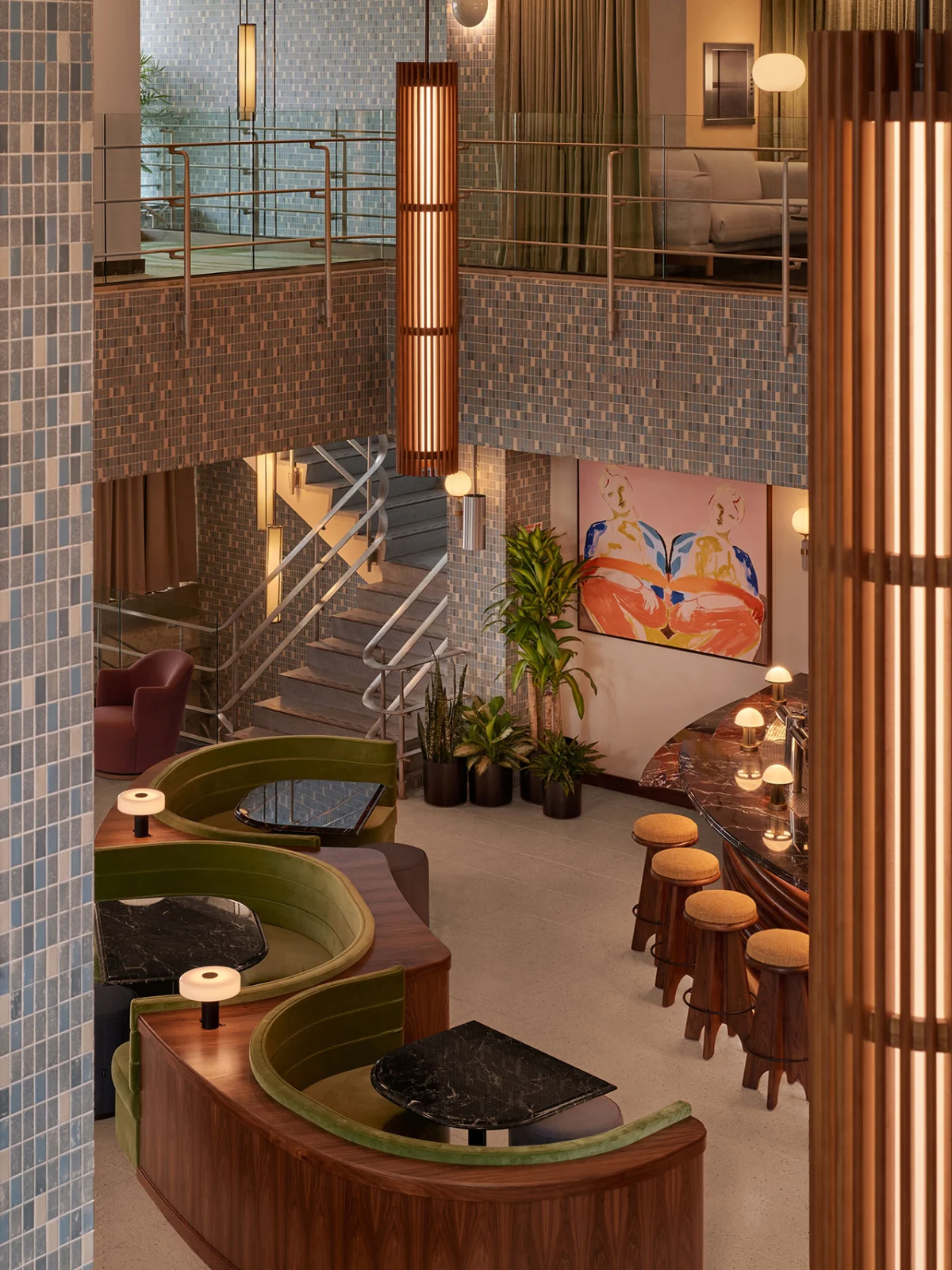
Savannah, Georgia, a city renowned globally for its picturesque cobblestone streets, majestic Spanish moss, and iconic Antebellum-era, Georgian-style row houses, presents a facade deeply rooted in its colonial and pre-Civil War past. However, beneath this widely recognized historic veneer, the compact and undeniably haunted port town harbors a lesser-known, yet equally significant, architectural legacy: a distinctive collection of Moderne and Midcentury Modern tower blocks that punctuate its quaint park squares. These structures offer a counter-narrative to Savannah’s traditional image, embodying periods of urban development and design innovation that sometimes go overlooked.
A Historic Building’s Modernist Genesis
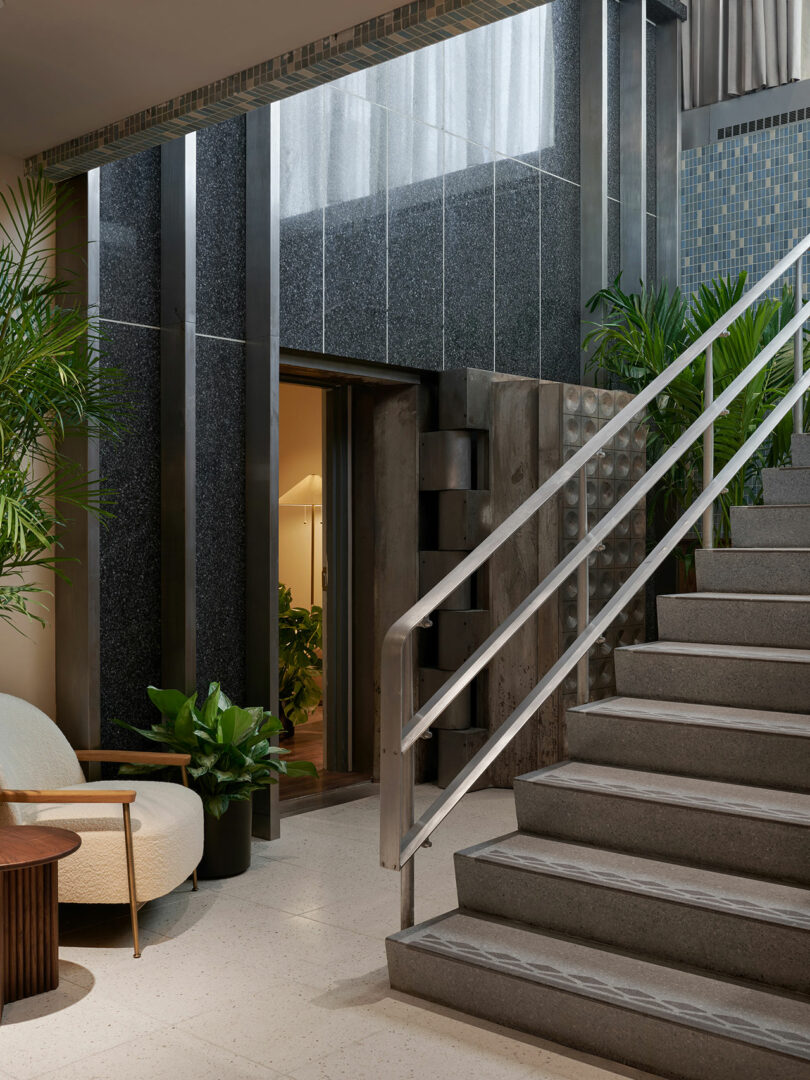
Among these modernist gems stands the six-story edifice originally constructed as the First Federal Savings & Loan Association Building. Erected in the post-war era by the architecture firm Levy and Kiley, the structure quickly became a landmark along Broughton Street, Savannah’s central commercial thoroughfare. For six decades, its robust design, characterized by well-maintained gray granite volumes, crisp white concrete frames, and vibrant blue mosaic tile walls, distinguished it from its older neighbors. This building was not merely functional; it was a statement of progress, reflecting the optimism and forward-thinking design principles of the mid-20th century. Its clean lines and material palette spoke to an architectural movement that valued functionality, new technologies, and a departure from historical ornamentation.
The adaptive reuse of such a significant structure demanded a delicate balance between preserving its inherent character and infusing it with a contemporary purpose. This challenge was embraced by polyvalent firm AAmp Studio, in collaboration with local practice Ward Architecture + Preservation. Their ambitious objective was to transform the 36,000-square-foot building into the newly opened, 44-key Municipal Grand Hotel. The core design philosophy centered on emphasizing—and even exaggerating—the texturally complex surface materials and architectural vocabulary already present within the building. This involved a meticulous process of "peeling back existing layers," a forensic approach that not only accentuated the original elements but also served as profound inspiration for all subsequent non-structural design interventions.
Architectural Philosophy Meets Modern Hospitality
Andrew Ashey, co-founder of AAmp Studio, articulated the project’s inherent complexities and opportunities. "The challenges in taking a landmarked former bank—and later municipal building—and transforming it into a full-service hotel experience were evident from the start," Ashey noted. "But rather than be daunted by the task, we saw it as an amazing opportunity for creative design interventions that united historic and new in a very holistic fashion." This holistic approach manifested primarily through the "almost surgical introduction of deeply referential yet softening finishes and curvilinear inserts," designed to complement rather than mimic the original architecture.
This design strategy aligns remarkably with a more interpretive and, arguably, more successful form of architectural preservation, as championed by the influential 19th-century theorist Eugène Viollet-le-Duc. Viollet-le-Duc posited that the continuation of a building’s original intent and its ongoing relevance, achieved through the technological advancements available at the time of its restoration or transformation, should supersede a superficial facsimile of its past. In the case of the Municipal Grand, the additions, while respectful of the existing fabric, clearly distinguish themselves. They represent a contemporary layer that speaks to the building’s current purpose as a luxury hotel, rather than attempting to recreate a lost past. This philosophy ensures the building remains a living, evolving entity within Savannah’s urban tapestry.
Transforming Public Spaces: A Tropical Modernist Sensibility
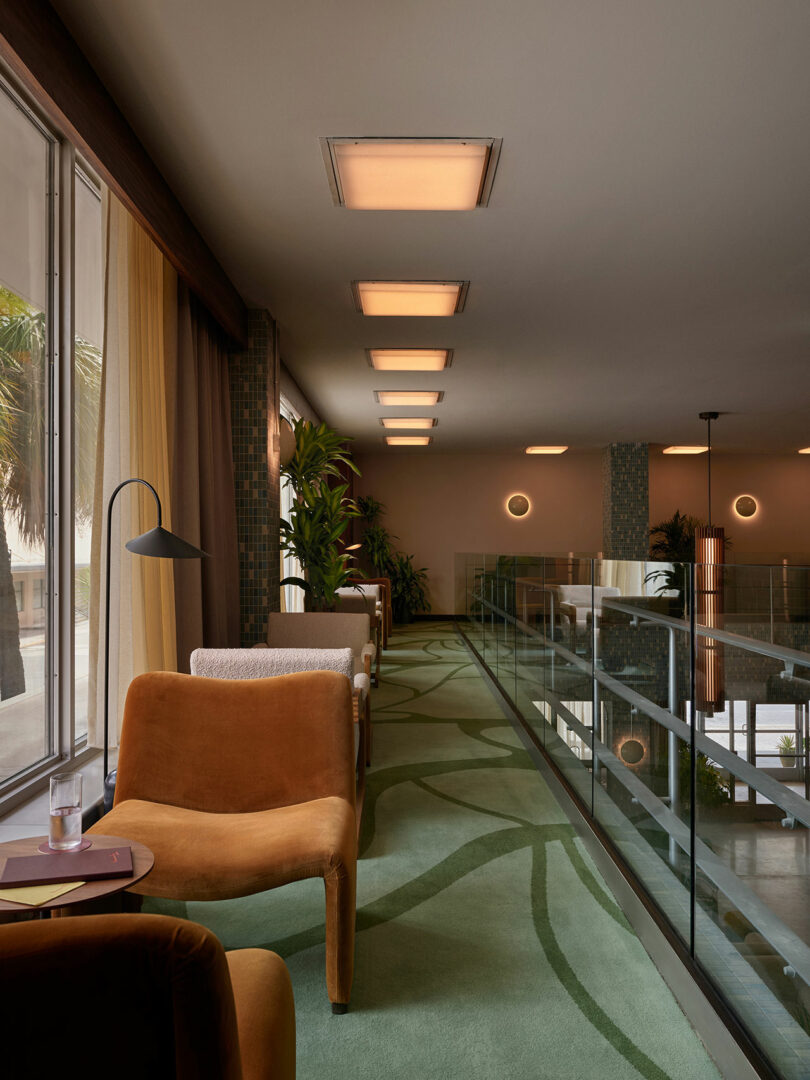
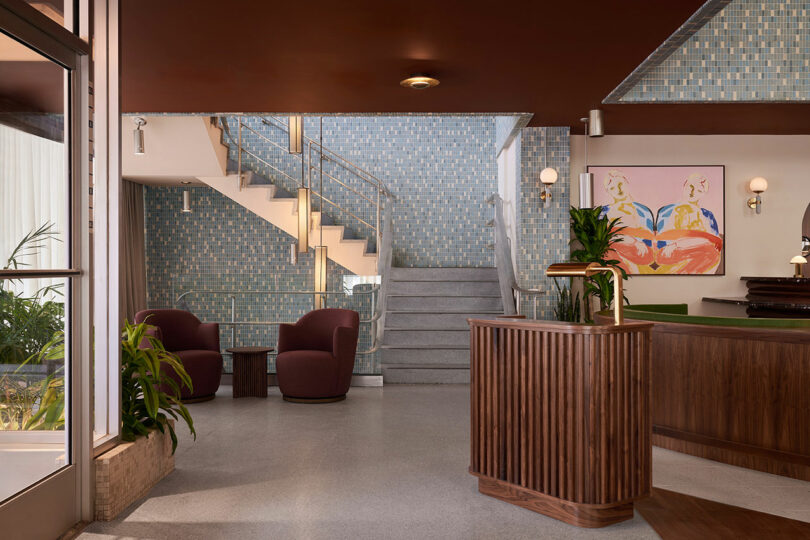
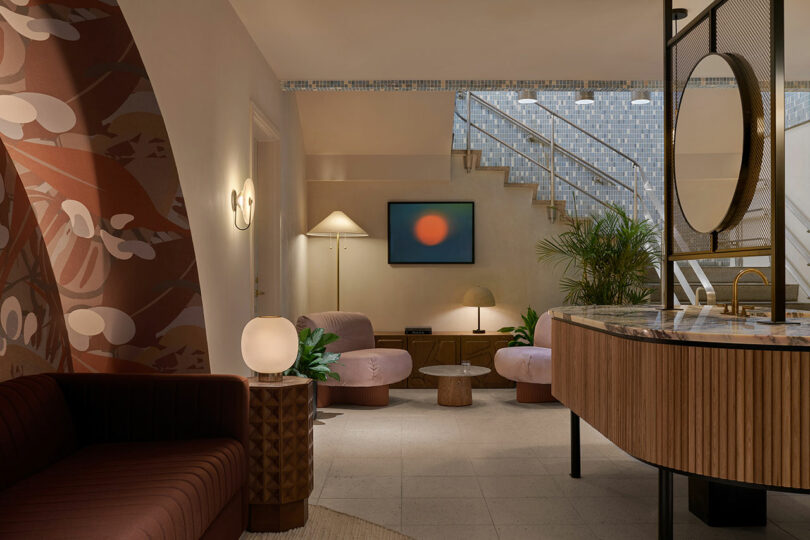
The meticulous conversion process began at the building’s very entrance, where AAmp Studio aimed to ease the threshold between the ground floor and the bustling streetscape of Broughton Street. What was once an uninviting, formal entry has been revitalized into a freshly illuminated and welcoming space, featuring inviting lounge seating areas and lush planters that gracefully smooth the transition from exterior to interior. This deliberate softening of the entrance sets the tone for the entire hotel experience.
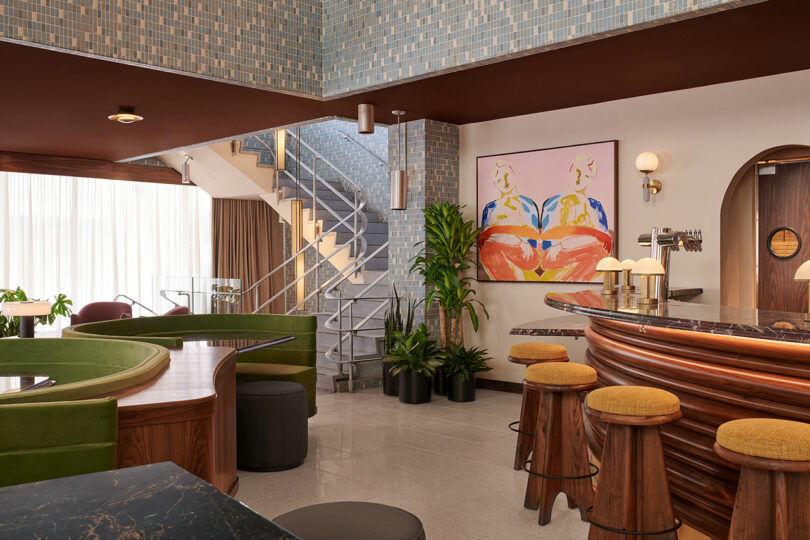
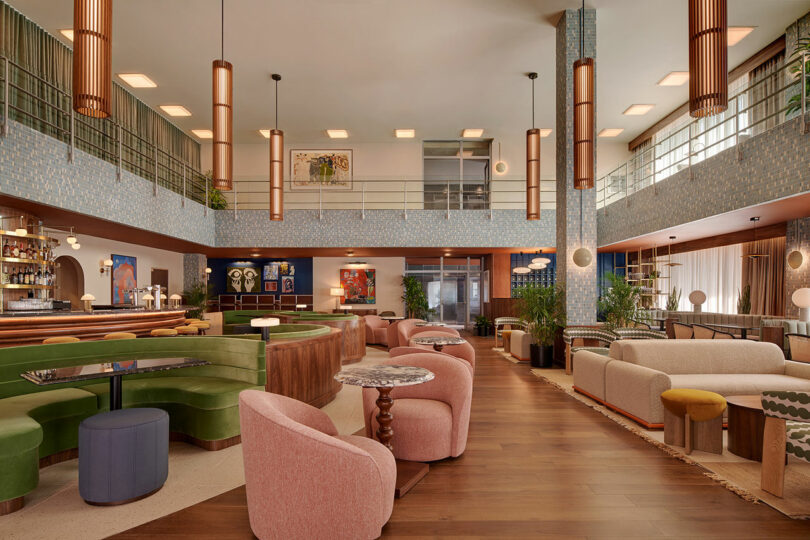
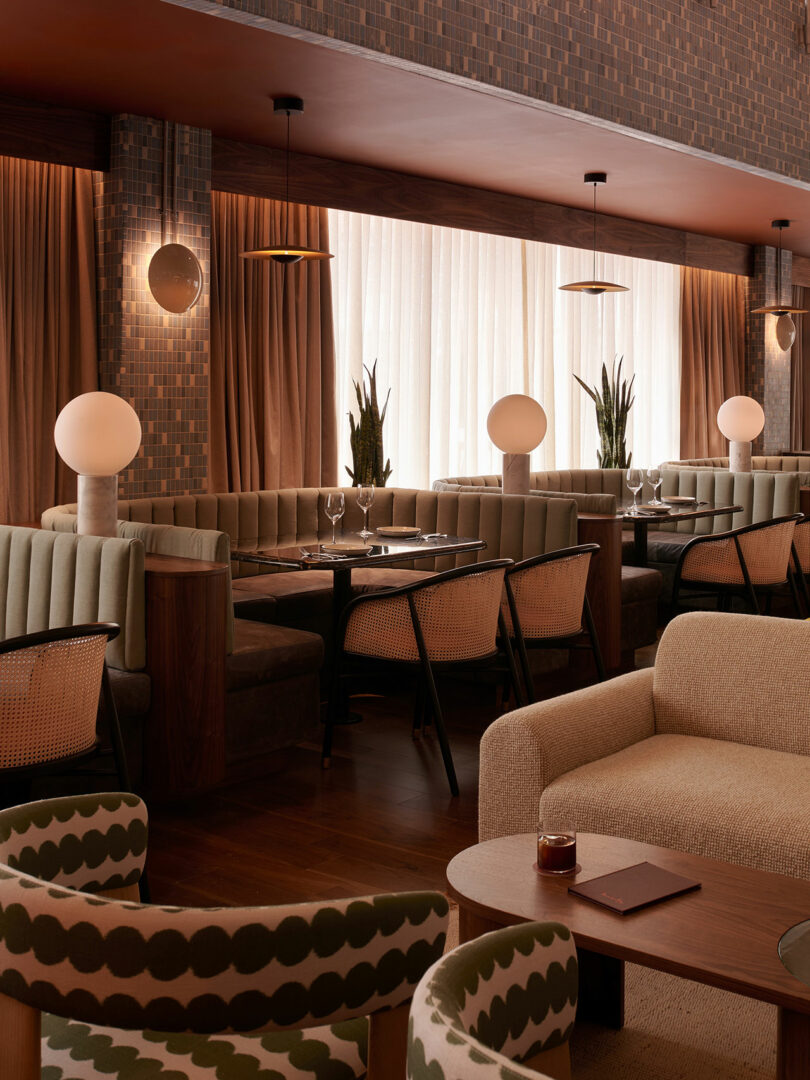
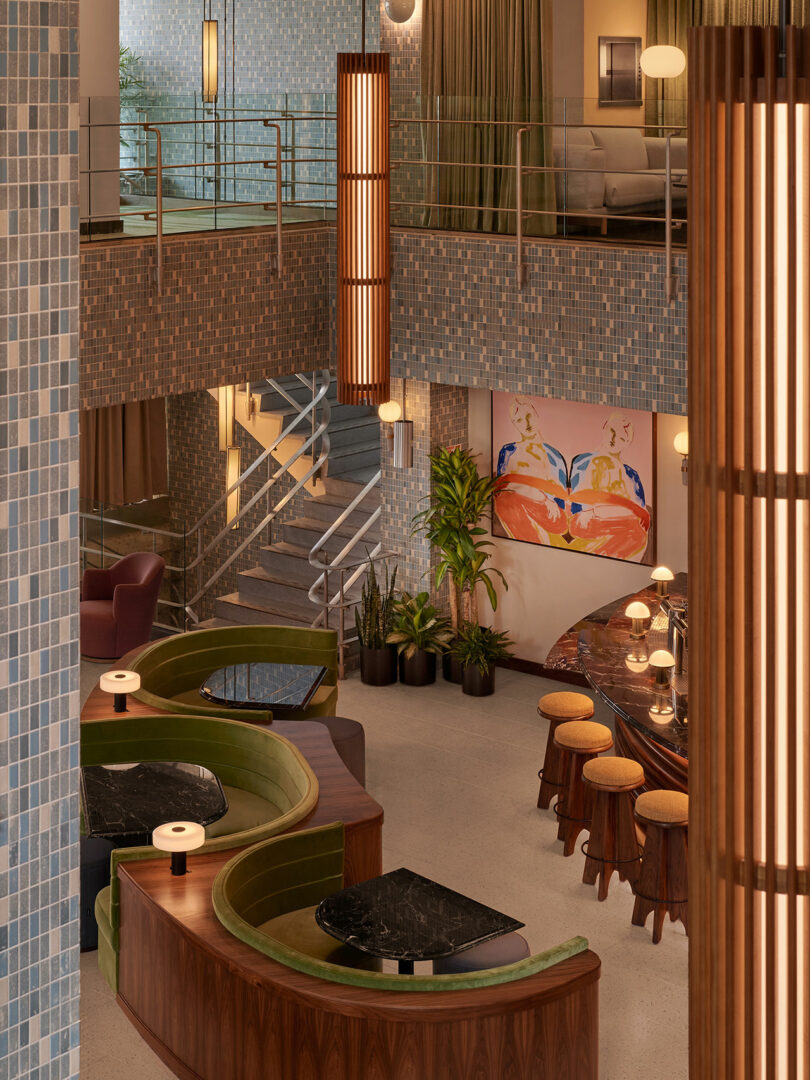
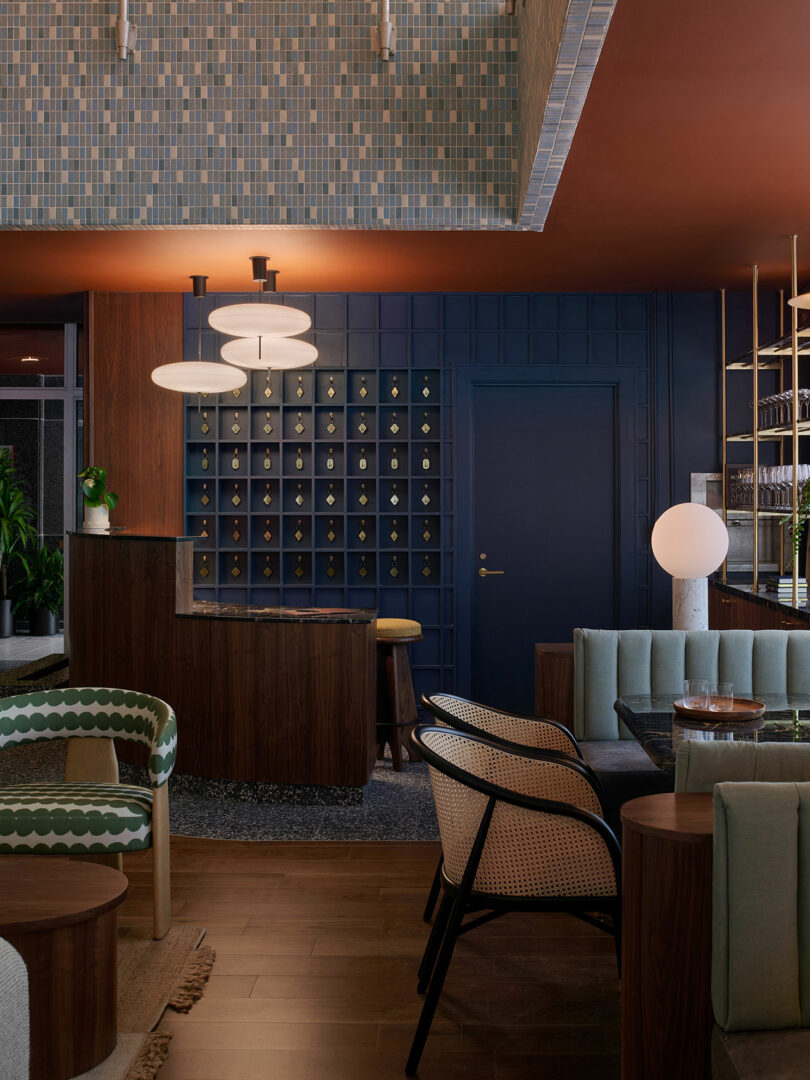
The subsequent double-height lobby now serves as the main hospitality hub, a vibrant social space complete with an expansive bar and a diverse range of table and sofa arrangements. Here, the building’s original blue tile mosaics, which once adorned the exterior, are brought inside to wrap the columns, creating a striking visual continuity and celebrating the building’s modernist past within an exuberant contemporary interior. This repeated material language extends a distinct "tropical modernist sensibility" across all public areas, a fitting design response to Savannah’s often sweltering climate.
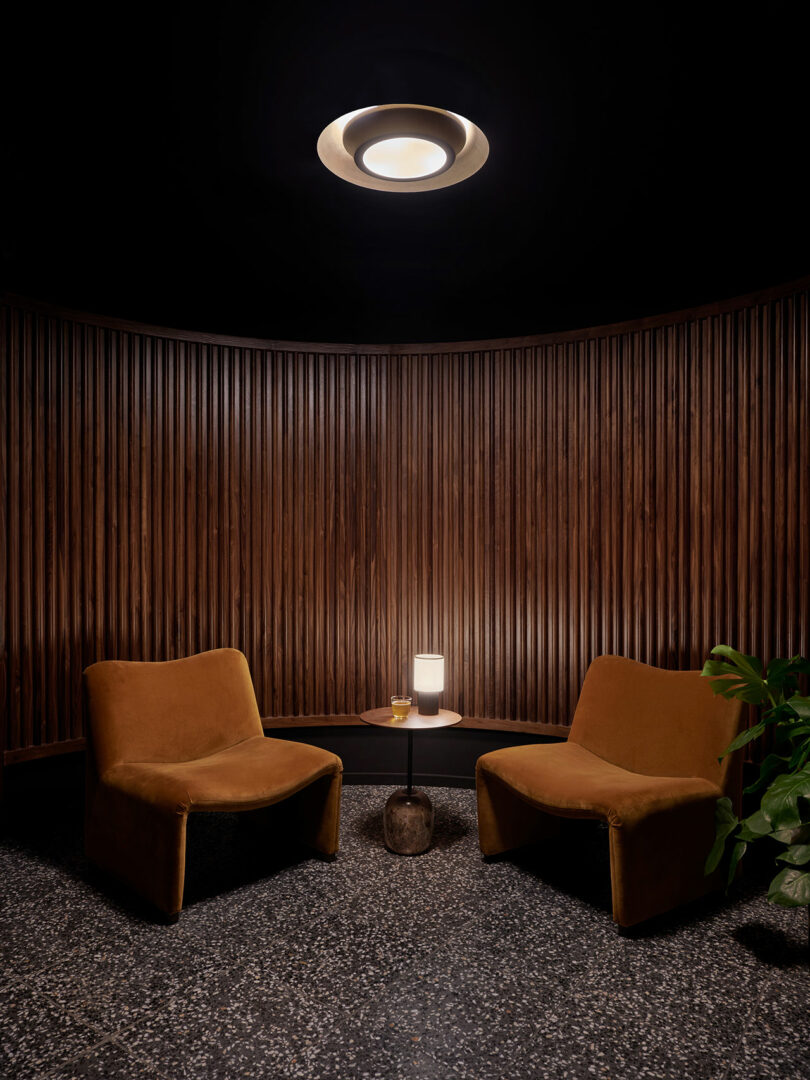
The design draws explicit inspiration from renowned modernist masters. Nods to Roberto Burle Marx’s proclivity for botanical motifs are evident in the integration of greenery and organic patterns, while Oscar Niemeyer’s signature organicism and curvilinear forms are subtly woven into the furniture and architectural details. This fusion creates a locally rooted yet internationally informed aesthetic, perfectly suited for a city that blends Southern charm with global influences. The hotel’s public spaces are designed for versatility: functioning as a relaxed family restaurant by day and transforming into a bustling watering hole by night. In a clever act of repurposing, a former bank boardroom has been ingeniously converted into an elegant private dining space, preserving a piece of the building’s institutional past within its new hospitality role.
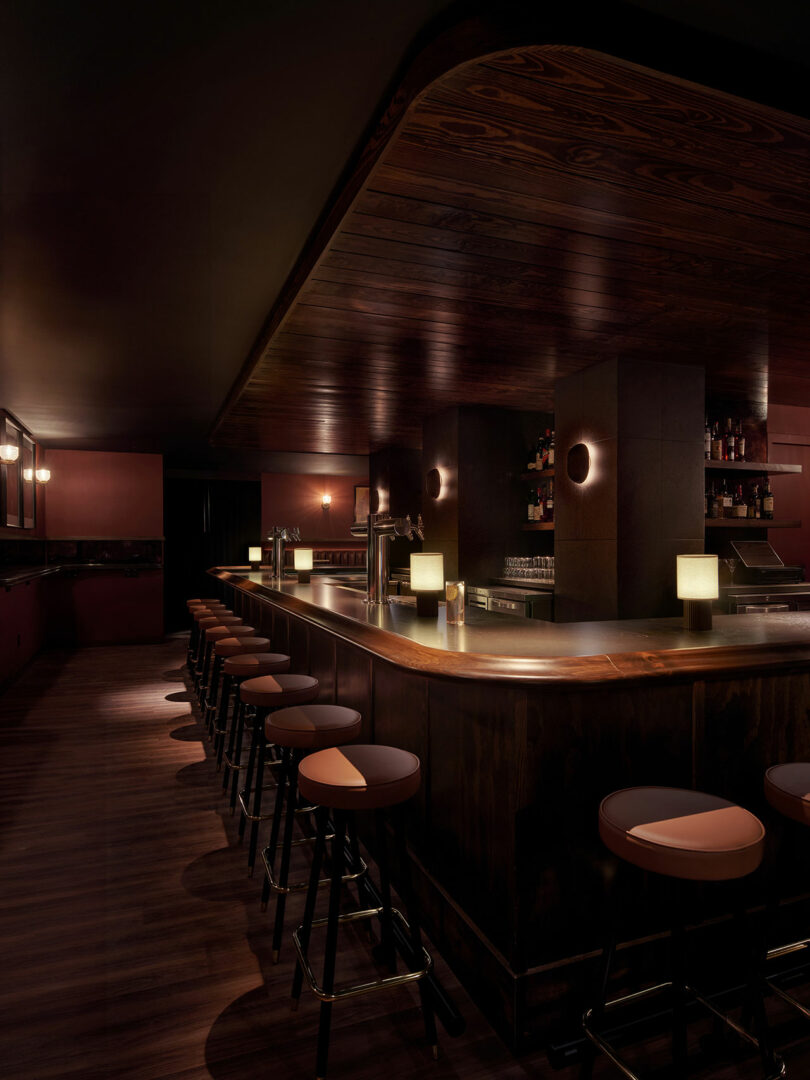
Ryan Diggins, partner and CEO at Midnight Auteur, emphasized the importance of the hotel’s central gathering space: "We hold a deep, and slightly obsessive, reverence for the all-day lobby bar, which is really the foundation of Midnight Auteur. We love the idea of immersing our team and our guests in a vibrant, celebratory experience that only a hotel lobby bar can appropriately capture." This vision underscores the hotel’s commitment to creating a dynamic, engaging environment that fosters social interaction and celebrates the art of hospitality.
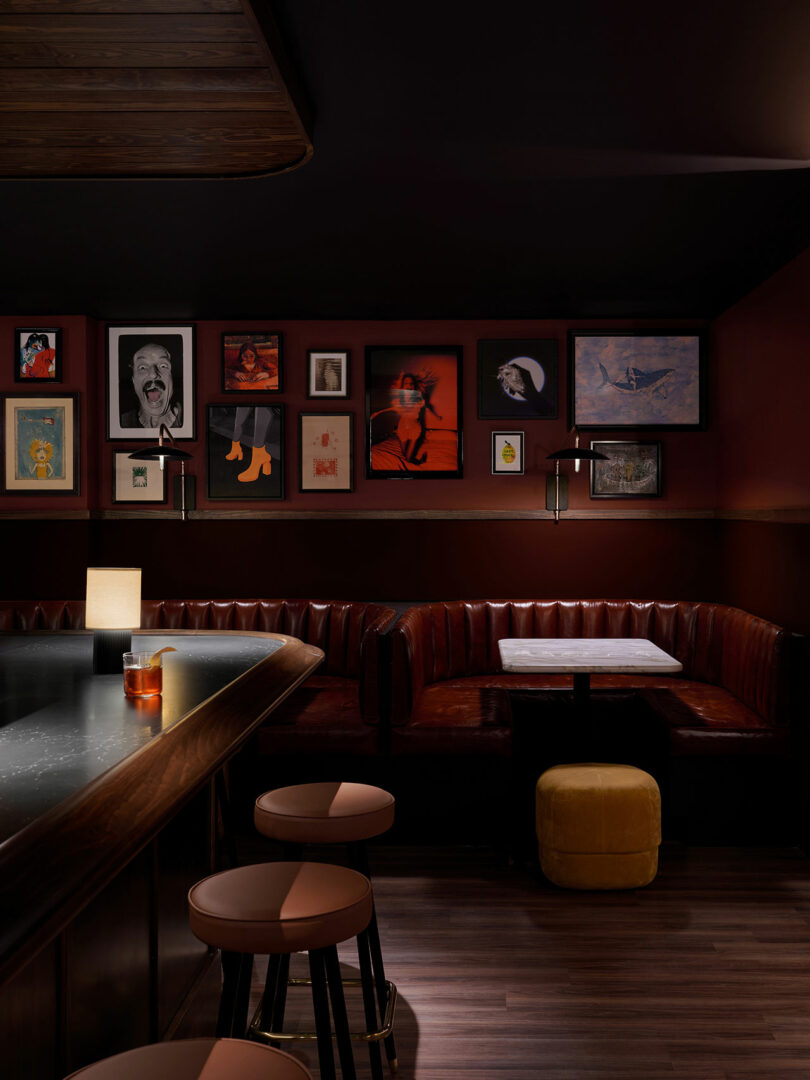
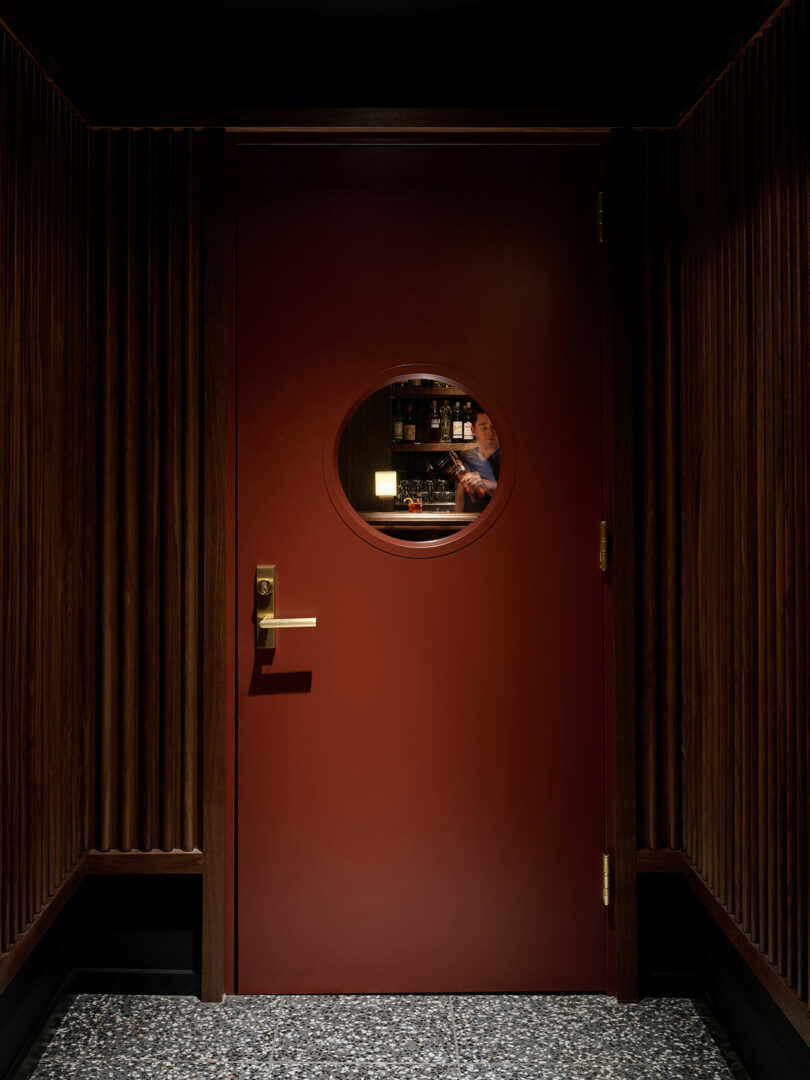
Beyond the main lobby, the Municipal Grand offers additional distinct venues. In the basement, the concealed-access Hot Eye cocktail lounge presents a moody, intimate atmosphere, clad in a rich palette of dark terrazzo, deep-stained wood, and various shades of red. Ascending to the rooftop, the Sun Club abuts a pristine pool, featuring an azure zellige tile wall that reflects the blue of the sky and the water, framing some of the most spectacular panoramic views of Savannah. These diverse spaces cater to different moods and times of day, ensuring a multifaceted guest experience.

Guest Rooms: A Midcentury Oasis
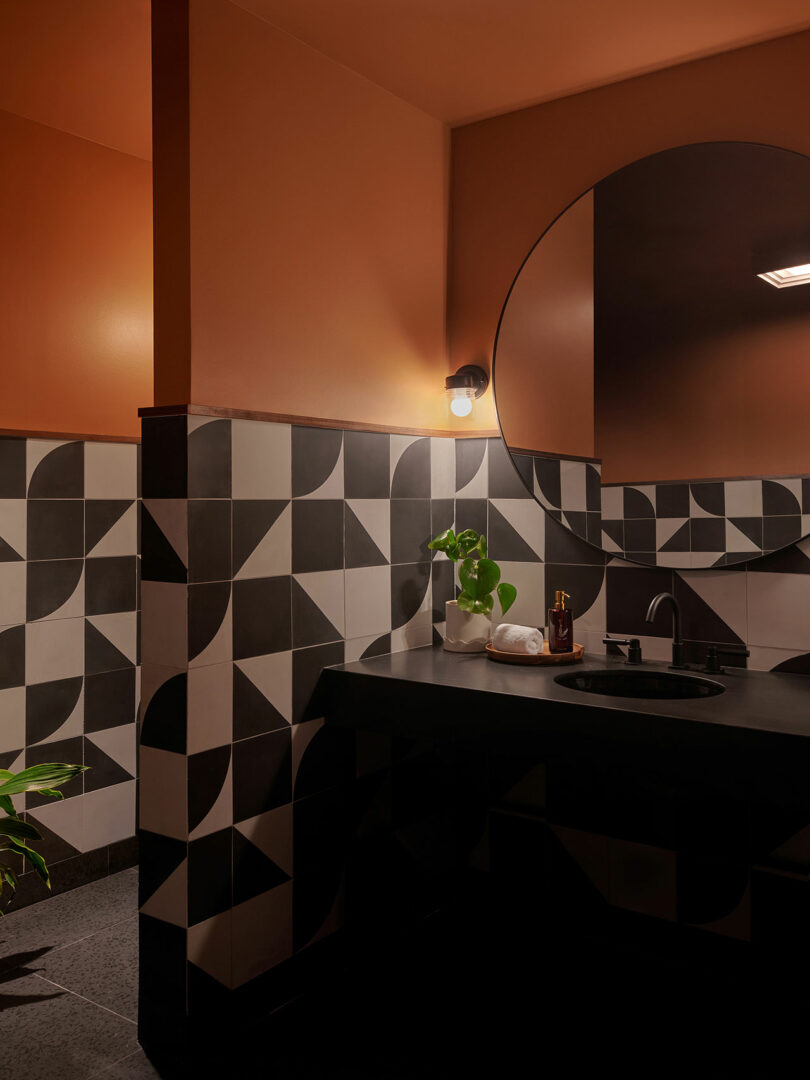
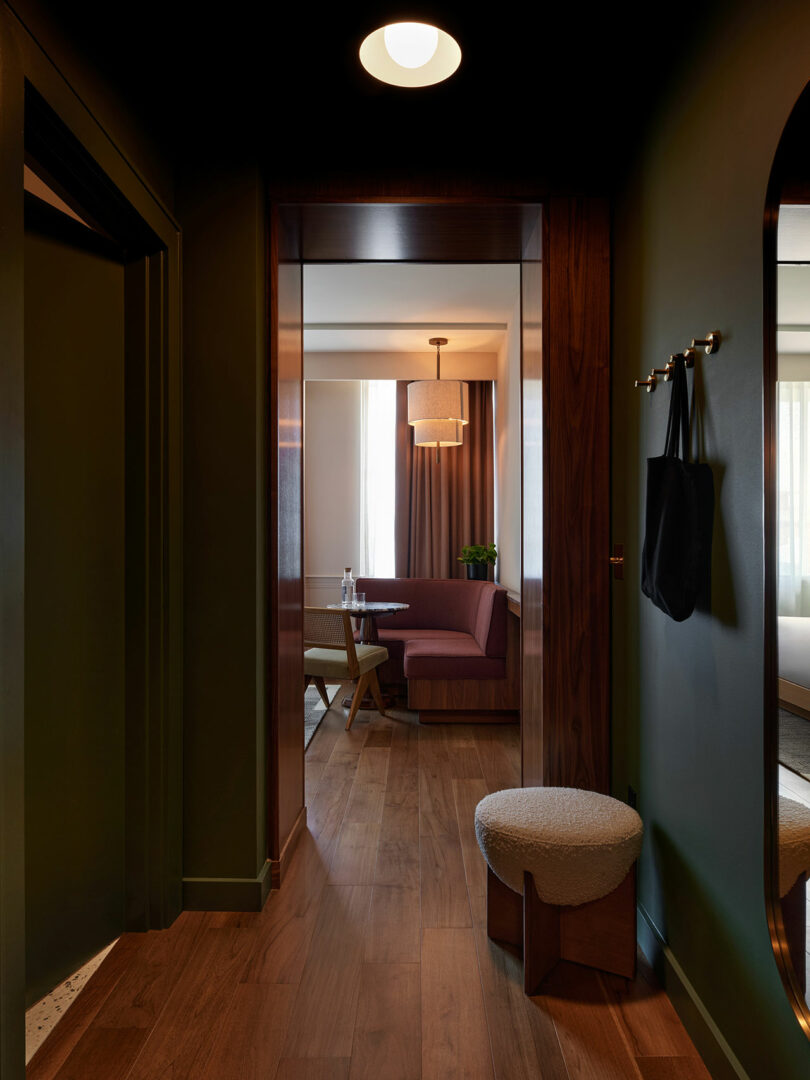
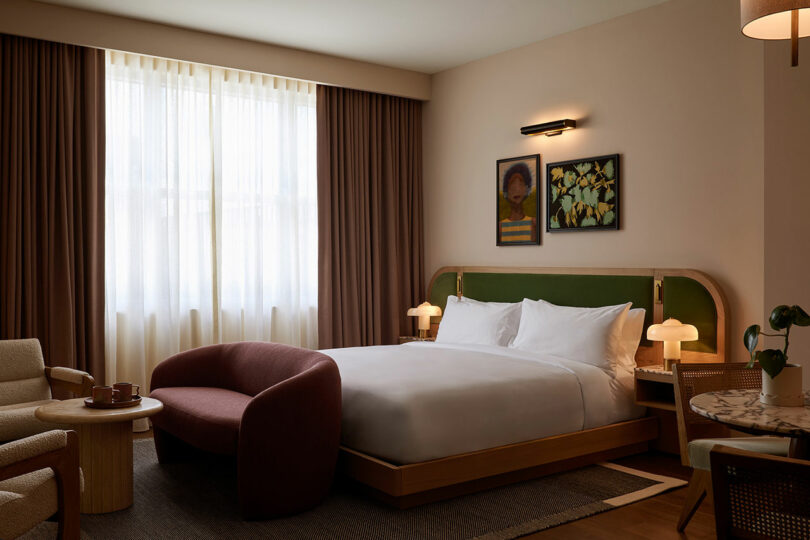
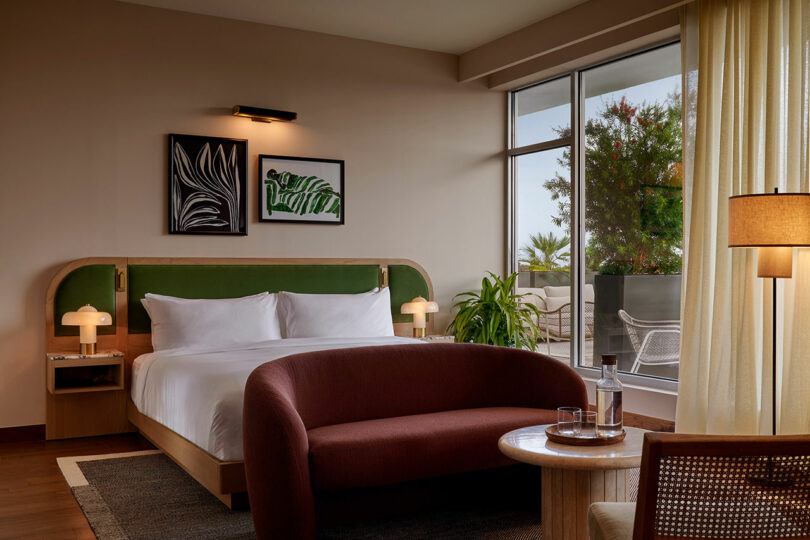
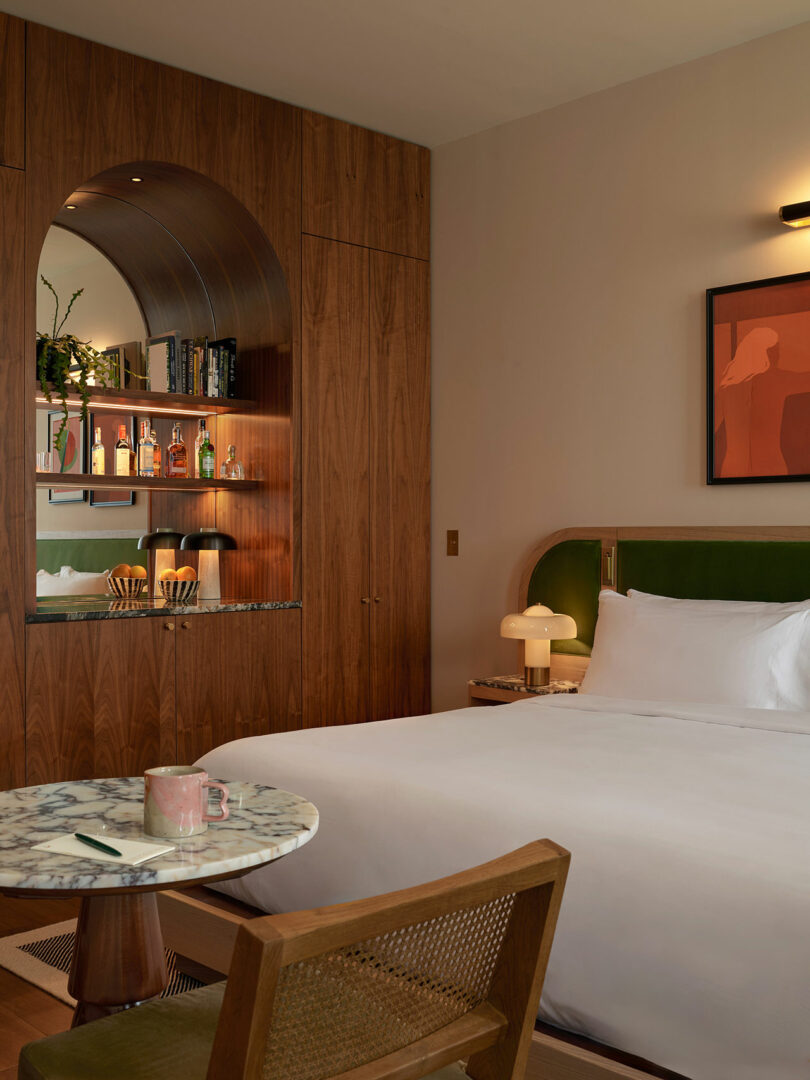
The hotel’s guest rooms, available in five distinct tiers, adopt a more subdued, sand-toned aesthetic, yet remain firmly aligned with the property’s overarching Midcentury Modern character. Subtle hints of Finnish master Alvar Aalto’s work—known for his human-centric approach, organic forms, and use of natural materials—are artfully integrated throughout the room designs.
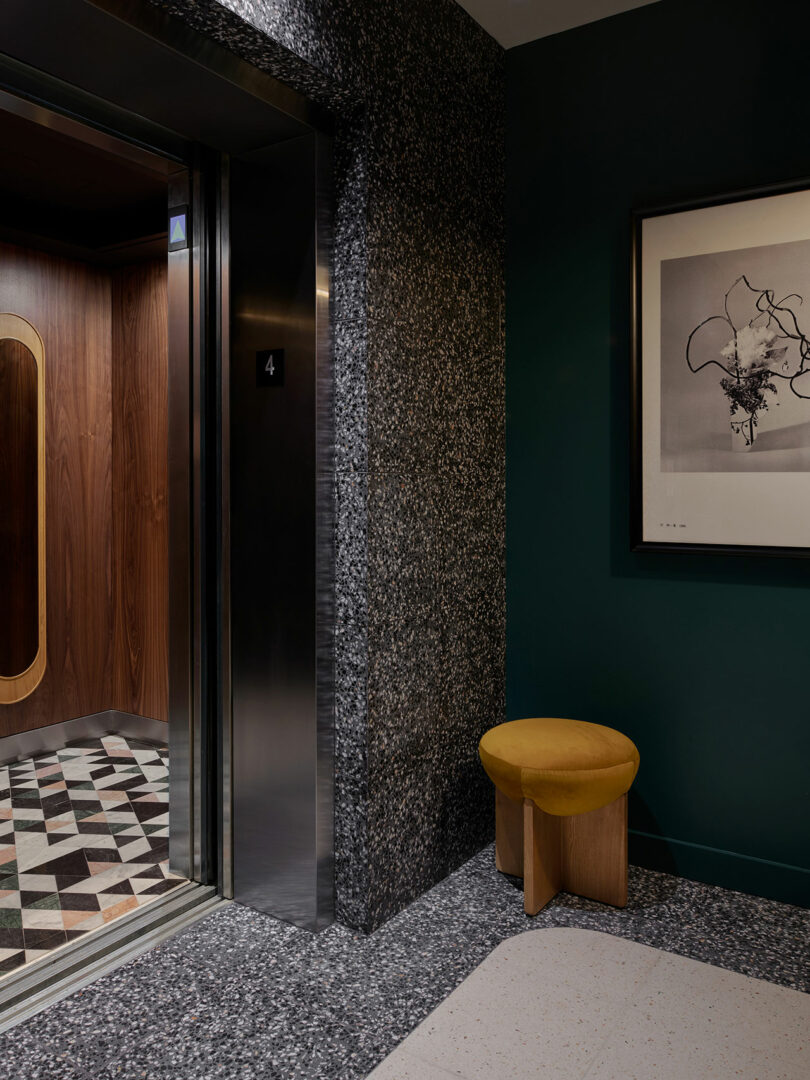
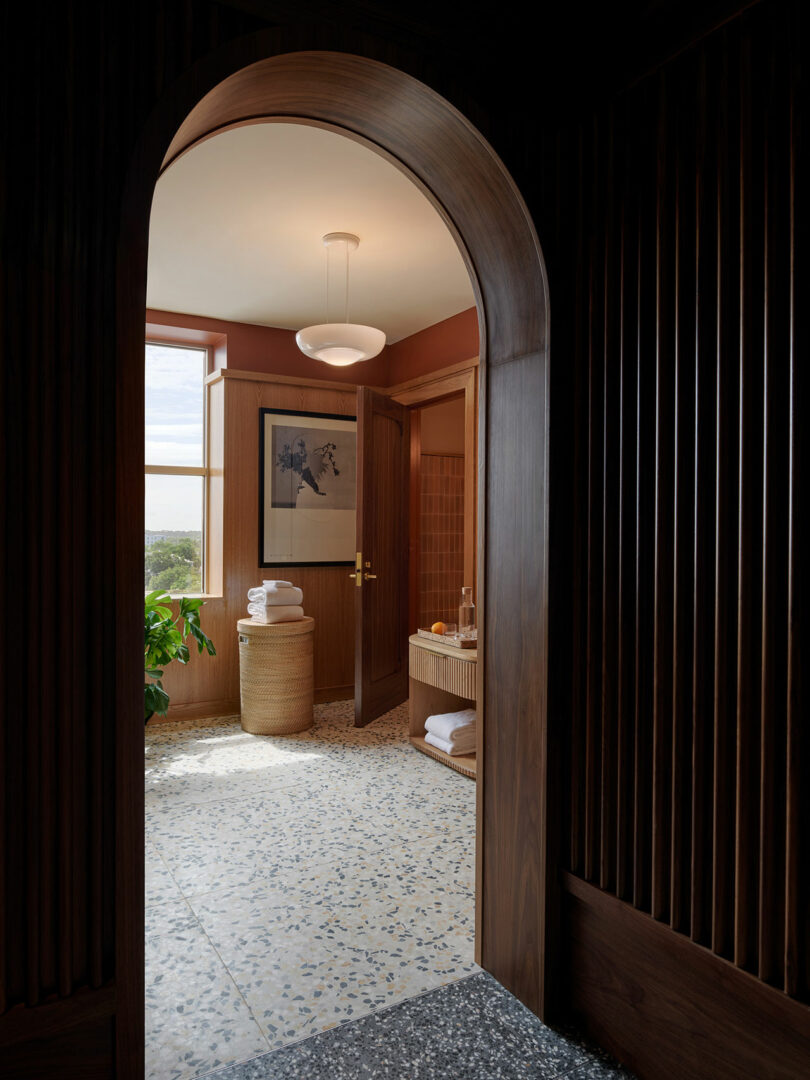
Each room features bathroom-anchoring vestibules in a rich shade of green, creating a distinctive entry experience. These lead through finely crafted millwork thresholds into the main bedrooms, where a sophisticated interplay of materials and forms defines the space. Red marble countertops, serving dually as minibars and functional desks, provide a vibrant contrast against style-appropriate curved mirrors and undulating banquette seating, ideal for both relaxation and remote work. Plush headboards anchor the sleeping areas, inviting comfort and luxury. Highly detailed terrazzo floors, a hallmark of Midcentury design, tie all the elements together, lending a sense of cohesion and timeless elegance. For an elevated experience, some suites boast private balconies, offering guests direct views over the historic activity of Broughton Street below.
Economic and Cultural Implications for Savannah
The Municipal Grand Hotel represents more than just a new accommodation option for Savannah; it signifies a significant cultural and economic development for the city. Its adaptive reuse model serves as a beacon for sustainable urban development, showcasing how historic structures can be revitalized to meet contemporary needs without sacrificing their heritage. This project is a testament to the economic viability of preserving and transforming existing buildings, contributing to the city’s unique architectural narrative rather than erasing it.
From an economic standpoint, the hotel is poised to enhance Savannah’s already robust tourism sector. By offering a luxury experience within a distinct modernist landmark, it attracts a diverse clientele, potentially extending visitor stays and encouraging exploration beyond the most conventional tourist paths. The creation of 44 new keys adds valuable capacity to the city’s hospitality market, supporting the burgeoning demand for high-quality lodging. Furthermore, the hotel’s operations generate numerous direct and indirect job opportunities, from hospitality staff to local suppliers, thereby contributing to the local economy.
Culturally, the Municipal Grand enriches Savannah’s identity by highlighting its often-underappreciated modernist architecture. It provides a new focal point on Broughton Street, contributing to the revitalization of a key commercial corridor and offering fresh dining and social spaces for both residents and visitors. The hotel’s commitment to an "all-day lobby bar" concept fosters a vibrant community hub, blurring the lines between traditional hotel amenities and public gathering spaces. This project demonstrates that historic preservation in Savannah is not limited to its Antebellum structures but extends to celebrating and breathing new life into all layers of its architectural heritage, ensuring the city remains dynamic and relevant for future generations.
A New Chapter for Savannah’s Legacy
In its entirety, the Municipal Grand Hotel stands as a deft marriage of site responsiveness—both to the specific character of the building itself and to the vibrant surrounding neighborhood—and sophisticated references to international design movements and sub-movements. It is a compelling example of how thoughtful design and strategic preservation can transform a utilitarian structure into a thriving, public-facing destination. By honoring its midcentury origins while embracing the demands of modern luxury hospitality, the Municipal Grand carves out a unique niche, inviting guests to experience Savannah through a new, elegantly curated lens. This hotel is not just a place to stay; it is a celebration of architectural evolution and a testament to Savannah’s enduring capacity for reinvention.







