Angie Faith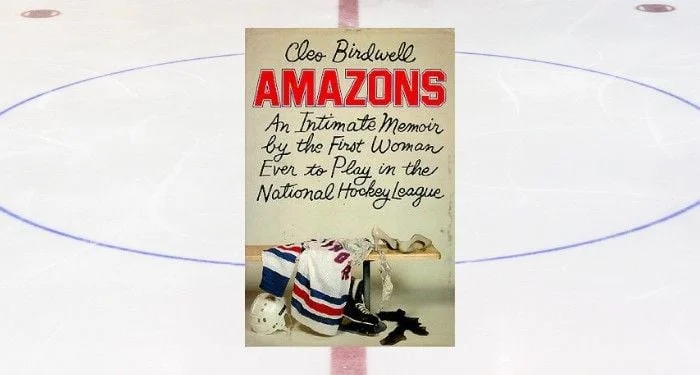
A resurgence of interest in tangible books, the surprising reprinting of a Don DeLillo pseudonymously penned hockey romance, and a notable actor’s late engagement with a literary classic are capturing attention in the literary world. These developments, highlighted across various media platforms, suggest a multifaceted evolution in how literature is perceived and consumed, from its aesthetic presentation to its engagement with creators and audiences.
The Aesthetic and Cultural Embrace of the Physical Book
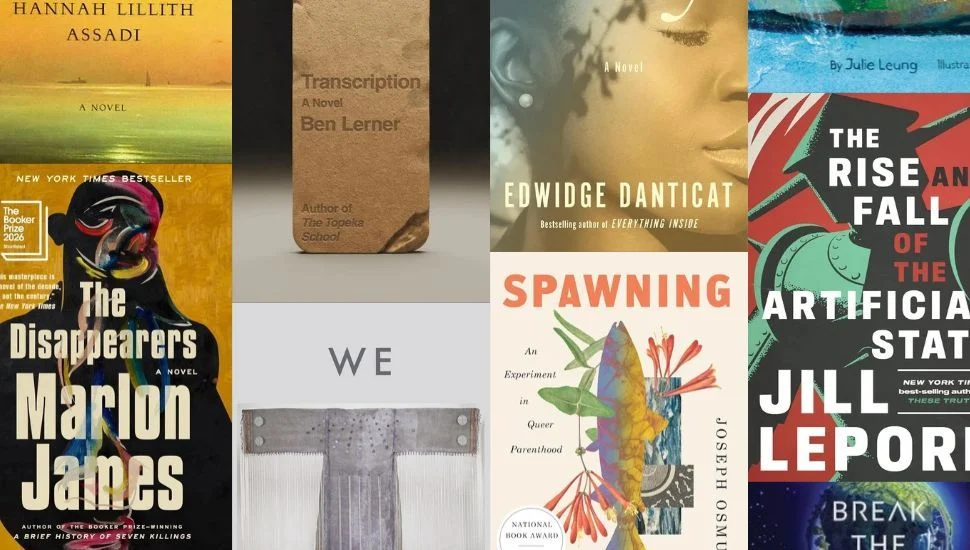
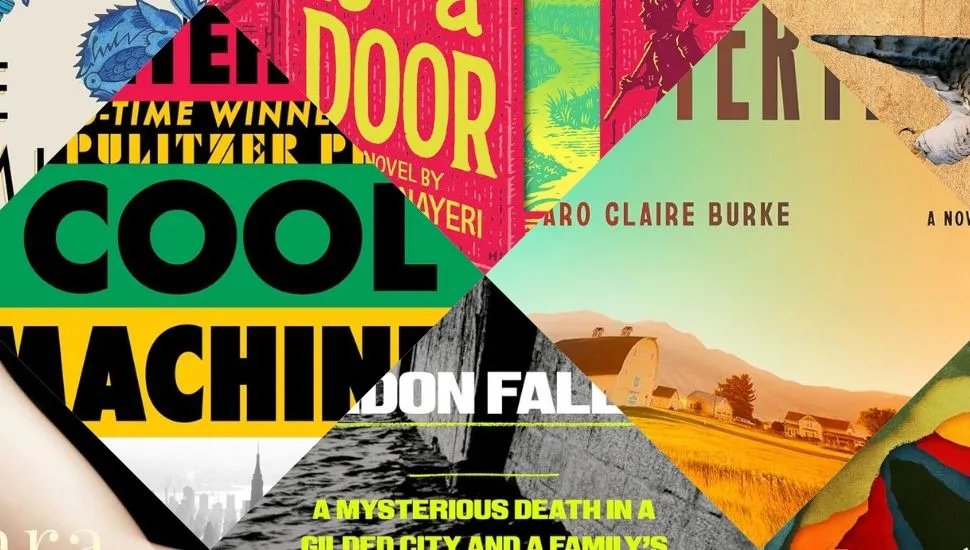
In a notable cultural moment, Vogue has dedicated a recent feature to the enduring appeal of physical books, showcasing a curated collection of individuals who embody the act of reading. The photo essay, as reported, features a diverse group of public figures, including a model, a novelist, a professional ballet dancer, a chef, and Sarah Jessica Parker, all depicted engaging with paper books. The article, penned by Chloe Schama, posits that this visual narrative is a response to a growing sentiment among the public to move away from the pervasive glow of digital screens towards the tactile experience of ink on paper.
Schama observes a discernible trend: an increasing preference among readers to engage with literature recommended by their social circles rather than relying solely on algorithmic suggestions. This sentiment, according to the Vogue report, reflects a broader cultural undercurrent. It is interpreted as a partial consequence of the ongoing recovery from the COVID-19 pandemic, which has fostered a renewed appreciation for in-person connections and communal experiences. The article suggests that the digital fatigue experienced by many, coupled with a desire for more profound and less mediated forms of engagement, is contributing to this shift. While acknowledging the potential for criticism regarding the use of books as stylistic accessories or markers of social status, the report frames the trend positively, celebrating the presentation of literary engagement as an aspirational pursuit. This perspective aligns with broader societal discussions about the impact of technology on our daily lives and the search for authenticity and deeper meaning. The visual emphasis on books within high-fashion contexts can be seen as a testament to literature’s enduring cultural relevance and its capacity to transcend mere content to become an element of personal identity and aesthetic expression.
Don DeLillo’s "Amazons" Set for Reprint
A surprising literary event has generated significant excitement among bibliophiles and critics alike: the impending reprinting of Don DeLillo’s 1980 novel, "Amazons," a work previously published under the pseudonym Cleo Birdwell. The initial discovery of this hidden gem was reported by Alexandra Alter in The New York Times, revealing DeLillo’s venture into the genre of hockey romance. The novel, described as a "hell of a ride," is now slated for a fall reissue by Scribner, the same publisher that originally brought it to the public.
The journey to this reprint has been lengthy. Following the initial revelation of "Amazons" in January, the market for used copies of the book saw a considerable surge in prices. For decades, Don DeLillo had reportedly resisted any efforts to bring the novel back into print. However, after what is described as "much cajoling," he ultimately relented. The reissue is scheduled for publication on November 17th and will bear DeLillo’s original pen name, Cleo Birdwell. The sub-headline of Alter’s follow-up piece in The New York Times about the reprint, "You’re welcome," humorously encapsulates the anticipation and appreciation for this unexpected literary revival.
The context of this reprint offers a fascinating glimpse into an author’s creative past and the subsequent evolution of his literary legacy. DeLillo, widely recognized for his critically acclaimed and stylistically complex novels such as "White Noise," "Underworld," and "Mao II," has built a career on exploring themes of modern life, technology, consumerism, and the anxieties of contemporary society. The existence of "Amazons," a seemingly genre-specific romance novel penned under a pseudonym, adds a layer of intrigue to his oeuvre. The decision to publish under a different name suggests a desire for creative exploration outside the established critical framework associated with his own name, or perhaps a specific intention to reach a different audience or experiment with a particular narrative style.
The financial aspect of this reprint is also noteworthy. The dramatic increase in the value of existing copies of "Amazons" after its existence became widely known demonstrates the power of literary discovery and the speculative market for rare or previously obscure works by established authors. Scribner’s decision to reissue the book commercially indicates a belief in its market viability, likely fueled by DeLillo’s prominent standing and the inherent curiosity surrounding this lesser-known work. The November 17th release date positions "Amazons" as a potential holiday season acquisition for readers interested in literary curiosities and the broader landscape of acclaimed authors’ careers. The "You’re welcome" sentiment underscores the literary community’s gratitude for the opportunity to engage with this rediscovered piece of Don DeLillo’s writing.
Elijah Wood’s Late Encounter with "The Lord of the Rings"
Actor Elijah Wood has publicly revealed that he has never read J.R.R. Tolkien’s seminal fantasy epic, "The Lord of the Rings," despite his iconic portrayal of Frodo Baggins in Peter Jackson’s acclaimed film adaptation. Wood shared this information during an appearance on The Late Show with Stephen Colbert, stating that he has "recently started reading the series." This admission has sparked considerable discussion and, in some quarters, a degree of bewilderment.
Wood’s revelation raises questions about the relationship between actors and their source material. While cinematic adaptations often necessitate interpretations and deviations from the original text, a complete lack of familiarity with the source material, especially for a role as central and demanding as Frodo, is considered by many to be unusual. The sheer scale and thematic depth of "The Lord of the Rings" are integral to the characters and narrative arcs depicted in the films. For an actor to embody such a character without having delved into the literary foundation that shaped him prompts a debate about artistic process and professional responsibility.
The timing of Wood’s engagement with the books, over two decades after the films’ release, adds another dimension to the narrative. His statement that he has "recently started reading the series" is intentionally vague, leaving open the possibility that his reading is ongoing or has just commenced. This ambiguity has led to a desire for greater clarity within the public discourse surrounding the issue.
This situation highlights a broader conversation about the expectations placed upon actors and the perceived obligations they have to the literary works they adapt. While personal interpretation and creative freedom are vital components of acting, the foundational understanding of a character’s origins and the world they inhabit can be seen as a crucial element in building a nuanced performance. The "homework" analogy, as suggested in some informal commentary, implies a level of diligence that might be expected when undertaking a role of such cultural significance. The public’s reaction, ranging from bemusement to a call for greater engagement with source material, reflects a deep connection to Tolkien’s work and a vested interest in the integrity of its adaptation. The discourse surrounding Elijah Wood’s reading habits serves as a reminder of the enduring power of "The Lord of the Rings" and the ongoing fascination with its creation and reception.
The Ever-Expanding Landscape of Book Publishing
The sheer volume of new book publications presents a significant challenge and a subject of ongoing analysis within the literary industry. Recent discussions, including those featured on the Book Riot Podcast, have delved into the staggering numbers of books released annually, with a particular focus on data from 2025. The podcast hosts, Jeff and another unnamed individual, explored recent adaptation announcements and engaged in a conversation with author Louise Erdrich regarding her new book, "Python’s Kiss."
The scale of book production is often underestimated. Reports and analyses suggest that the number of new titles published annually has reached unprecedented levels. While precise figures can vary depending on the source and methodology, it is widely acknowledged that the output of new books is immense. For instance, the U.S. publishing industry alone sees hundreds of thousands of new titles released each year, encompassing a vast array of genres and formats. This deluge of new content creates an increasingly competitive environment for authors, publishers, and readers alike.
The implications of this publishing volume are far-reaching. For publishers, it necessitates sophisticated marketing strategies, efficient distribution networks, and a keen understanding of market trends to ensure their titles gain visibility. For authors, it means navigating a crowded marketplace and finding effective ways to connect with their target audience. For readers, the sheer quantity of available books can be overwhelming, making the process of discovery and selection more complex. This is where trends like algorithm-driven recommendations and, conversely, the resurgence of word-of-mouth and curated lists, become particularly relevant.
The Book Riot Podcast’s discussion of the 2025 publishing data, alongside recent adaptation news and an interview with Louise Erdrich, exemplifies the multifaceted nature of contemporary literary discourse. Erdrich, a celebrated Native American author known for her powerful novels that often explore themes of history, family, and culture, brings a significant voice to these discussions. Her new book, "Python’s Kiss," represents another contribution to the ever-growing body of literary work. The podcast format itself, allowing for in-depth discussion and interviews, serves as a vital platform for disseminating information and fostering dialogue within the book-loving community. The conversation on the podcast likely touched upon the challenges and opportunities presented by the current publishing landscape, including the role of independent bookstores, digital platforms, and the evolving relationship between literature and other media like film and television. The discussion around adaptation announcements further underscores the interconnectedness of the literary and entertainment industries, where books serve as a rich source of inspiration for screenwriters and filmmakers. The continued analysis of publishing trends and the exploration of authors’ works, as demonstrated by this podcast episode, are crucial for understanding the dynamic state of literature in the 21st century.