
 Ali Ikhwan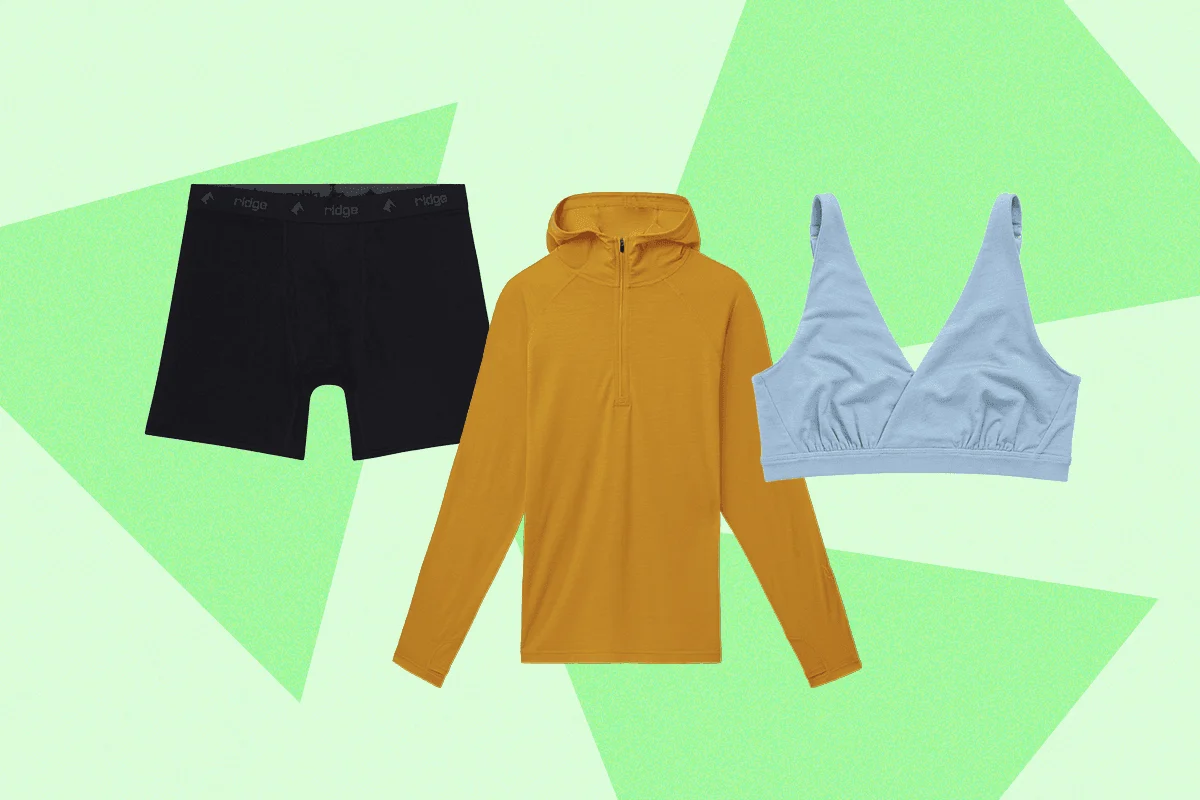
The global textile market is currently undergoing a significant transition as consumer demand shifts from petroleum-derived synthetic fibers toward natural, renewable alternatives. At the forefront of this movement is merino wool, a high-performance "super fiber" that has redefined the standards for thermoregulation in both extreme heat and sub-zero environments. Unlike standard sheep’s wool, which is often associated with dermal irritation and heavy weight, the merino variant is characterized by its ultra-fine micron count and exceptional softness. This evolution in fabric technology allows for a range of applications spanning from high-aerobic technical base layers to formal business attire.
-Offwhite-Background-SOURCE-Ibex.jpg)
Historical Context and the Evolution of Technical Wool
The trajectory of merino wool from a localized agricultural product to a cornerstone of the multi-billion-dollar outdoor apparel industry is marked by several key developmental phases. Originating from the Merino sheep of 12th-century Spain, the fiber was once so highly valued that the Spanish government prohibited its export under penalty of death. By the 19th century, Australia and New Zealand had become the primary global hubs for merino production, refining the breed to produce even finer fleeces.

The modern "technical wool" revolution began in the mid-1990s. Companies like Smartwool, founded in 1994, and Ibex, established in 1997, began challenging the dominance of synthetic fleece and polyester. This period marked a critical shift in the chronology of performance wear:
-SOURCE-Unbound.jpg)
- 1990s: The introduction of "itch-free" merino socks and base layers, targeting the skiing and hiking markets.
- 2000s: The expansion of merino into mid-layers and lifestyle apparel, utilizing the fiber’s natural odor resistance for travel-focused clothing.
- 2010s: The development of hybrid weaves, such as Nuyarn technology, which wraps merino fibers around a synthetic core to increase durability and elasticity.
- 2020s: A surge in consumer awareness regarding microplastic pollution and PFA (per- and polyfluoroalkyl substances) contamination in synthetic sportswear, leading to a "back-to-nature" movement.
Technical Specifications: Understanding GSM and Micron Counts
The performance of a merino garment is primarily determined by its weight, measured in grams per square meter (gsm), and the diameter of the individual fibers, measured in microns. Understanding these metrics is essential for consumers navigating the diverse market offerings.

Industry standards generally categorize merino weights into three tiers. Lightweight garments, typically 150 gsm or lower, are utilized for underwear and summer T-shirts. These provide high breathability and moisture-wicking capabilities. Midweight garments range from 200 to 300 gsm and serve as versatile mid-layers or standalone pieces for temperate climates. Heavyweight garments, exceeding 300 gsm, provide thermal insulation comparable to heavy fleece or sweatshirts. Data suggests that a 120–160 gsm wool garment corresponds to a 100-weight synthetic fleece in terms of warmth, while 200+ gsm wool can match the thermal retention of 300-weight fleece, particularly in windy conditions where wool’s structure excels at trapping heat.
-Offwhite-Background-SOURCE-Ibex.jpg)
The "micron count" refers to the thickness of the fiber. Traditional wool often exceeds 30 microns, which causes the "prickle" sensation against the skin. High-end technical brands like Unbound Merino and Taylor Stitch utilize "superfine" merino, often measuring 16.5 to 18.5 microns. At this level of fineness, the fiber is too thin to stimulate the nerves that signal itchiness, resulting in a texture often compared to silk or cashmere.

Material Innovation: The Advent of Nuyarn and Hybrid Weaves
While pure merino is lauded for its natural properties, it has historically faced challenges regarding abrasion resistance and drying speed compared to polyester. This led to the development of hybrid manufacturing techniques. Nuyarn technology represents a significant leap in textile engineering. Unlike traditional core-spun yarn, where wool is twisted around a synthetic center, Nuyarn drafts the wool and nylon together in a way that maintains the natural loft and stretch of the fiber.

Field tests conducted on Nuyarn-based products, such as the Ibex Woolies Pro Tech series, indicate that these blends can be up to 35% warmer and 50% more durable than equivalent pure wool garments. This innovation has allowed brands to produce "technical" garments that survive high-aerobic activities like rock climbing and trail running, which would typically cause pure wool to tear or lose its shape.

Market Trends: The Shift Away from Synthetic Sportswear
Recent environmental and health studies have acted as a catalyst for merino’s market growth. In 2023, reports highlighted the presence of hormone-disrupting chemicals and PFAs in traditional polyester-based leggings and sports bras. Consequently, a segment of the population is actively seeking natural-fiber alternatives.
-Offwhite-Background-SOURCE-Ibex.jpg)
Merino wool is naturally renewable and biodegradable. A single merino sheep can produce between four and five pounds of wool annually. Furthermore, the fiber’s inherent resistance to bacteria—and thus odor—means garments require less frequent washing. This reduces the consumption of water and energy over the product’s lifecycle, aligning with global sustainability goals. Market analysts from firms such as Grand View Research have projected continued growth in the global wool market, driven largely by the "athleisure" and outdoor performance sectors.

Performance Analysis: Merino vs. Synthetic Fibers
When evaluated against synthetic competitors like polyester and nylon, merino wool presents a distinct set of advantages and disadvantages:
-Offwhite-Background-SOURCE-Minus33.jpg)
- Thermoregulation: Merino is a "reactive" fiber. It absorbs moisture and releases heat when it is cold, while providing a cooling effect through evaporative cooling when it is warm. Synthetics are generally static in their thermal properties.
- Odor Management: Synthetic fibers are oleophilic (oil-attracting), which causes them to trap body oils and bacteria that lead to permanent odors. Merino is hydrophobic and protein-based, creating a hostile environment for odor-causing bacteria.
- Moisture Handling: While synthetics can dry faster in controlled environments, merino maintains its insulating properties even when wet. This is a critical safety factor for mountaineering and wilderness survival.
- Durability: Synthetics still lead in pure abrasion resistance. However, the gap is closing through the use of high-gsm weaves and synthetic-core blends.
Sector Analysis: Categories of Modern Merino Apparel
The market has branched into specialized segments to meet diverse consumer needs:

Technical Base Layers: Brands such as Ibex and Smartwool dominate this space. Their focus is on ergonomic seams, offset shoulders for backpack comfort, and high-stretch blends. The longevity of these products is a key selling point; industry reports have documented Ibex garments remaining functional for over two decades with proper care.

Lifestyle and Travel: Companies like Unbound Merino and Huckberry’s Proof brand have pioneered the "travel-lite" movement. By creating 100% merino T-shirts that do not look "sporty," they allow travelers to carry fewer items. The ability of a single merino shirt to remain fresh through multiple days of wear has made it a staple for the "one-bag" travel community.
%2520SOURCE%2520Paka.jpg)
Formal and Business Casual: The entry of brands like Proper Cloth and Woolly into the dress shirt and button-down market represents the latest frontier for the fiber. Utilizing ultra-fine Italian-made yarns (such as those from the Reda mill), these manufacturers offer shirts that provide the breathability of athletic gear with the aesthetic of high-end tailoring.

Intimates and Accessories: The development of merino underwear and bras by companies like Branwyn and Wool & Prince addresses the need for moisture management in the most sensitive areas. These products often utilize Oeko-Tex 100 certification to ensure the absence of toxic chemicals, providing a health-conscious alternative to synthetic intimates.
-Offwhite-Background-SOURCE-Minus33.jpg)
Conservation and Care: Maximizing Garment Lifespan
The primary deterrent for some consumers remains the perceived difficulty of care. However, modern merino is increasingly robust. While hand-washing and flat-drying remain the "gold standard" for extending the life of 150 gsm garments, many contemporary pieces, such as those from Minus33, are now machine-washable and dryer-friendly.

The greatest threat to merino longevity is not the washing machine, but biological pests. Clothes moths are attracted to the keratin in wool fibers. Industry experts recommend long-term storage in vacuum-sealed compression bags or cedar chests to prevent infestation. Additionally, ensuring a garment is completely dry before storage is vital to prevent the growth of mildew, to which natural fibers are susceptible.
-Offwhite-Background-SOURCE-Amazon.jpg)
Broader Implications and the Future of the Textile Industry
The resurgence of merino wool is more than a fashion trend; it is an indicator of a broader shift in the global supply chain. As regulatory bodies in the European Union and the United States tighten restrictions on microplastic shedding and chemical treatments in textiles, natural fibers are poised to regain the market share they lost to the plastic revolution of the mid-20th century.
%2520Offwhite%2520Background%2520SOURCE%2520Unbound.jpg)
Furthermore, the rise of alpaca fiber as a niche competitor to merino—offering even greater thermal efficiency and a lack of lanolin (a natural oil that can cause rare allergies in some wool wearers)—suggests that the market for high-end natural protein fibers is diversifying.

In conclusion, merino wool has transitioned from a traditional agricultural staple to a high-technology textile. Its unique combination of biological performance, consumer comfort, and environmental sustainability makes it an essential component of the modern wardrobe. As manufacturing processes continue to improve the durability and accessibility of the fiber, merino is expected to remain the benchmark against which all other performance fabrics are measured.







