Cintya Tara Annisa
The specialty coffee industry is entering a period of significant transition as the Coffee Sprudgecast marks the arrival of the spring season with the official opening of nominations for the eighth annual Sprudge Twenty class. This initiative, presented in partnership with the Pacific Barista Series, seeks to identify and honor twenty exceptional coffee professionals from around the globe who are making meaningful contributions to the industry through leadership, innovation, and community advocacy. The announcement coincides with growing anticipation for the World of Coffee San Diego 2026, an event that is already generating substantial discourse within the international coffee community regarding the future of trade shows and the evolution of specialty coffee hubs in North America.
The Sprudge Twenty Class of 2026: A Global Recognition Program
The Sprudge Twenty program has established itself as a cornerstone of the specialty coffee media landscape since its inception. Now entering its eighth year, the program serves as a platform for highlighting individuals who often operate outside the traditional spotlight of barista competitions or high-profile corporate leadership. The 2026 nomination window invites members of the global coffee community to put forward names of baristas, roasters, producers, technicians, and community organizers whose work reflects the values of equity, sustainability, and excellence.
Historically, the Sprudge Twenty has showcased a diverse array of professionals from dozens of countries, representing various sectors of the supply chain. The partnership with Pacific Barista Series underscores a long-term commitment to professional development within the industry. According to program organizers, the goal is not merely to award technical skill, but to recognize those who are actively shaping the culture of coffee in their local and global contexts. The selection process typically involves a rigorous review of community-submitted testimonials, focusing on the nominee’s impact on the industry’s social fabric and technical advancement.
Brewing Technology and Sensory Profiles: The Rwanda Mushonyi Natural
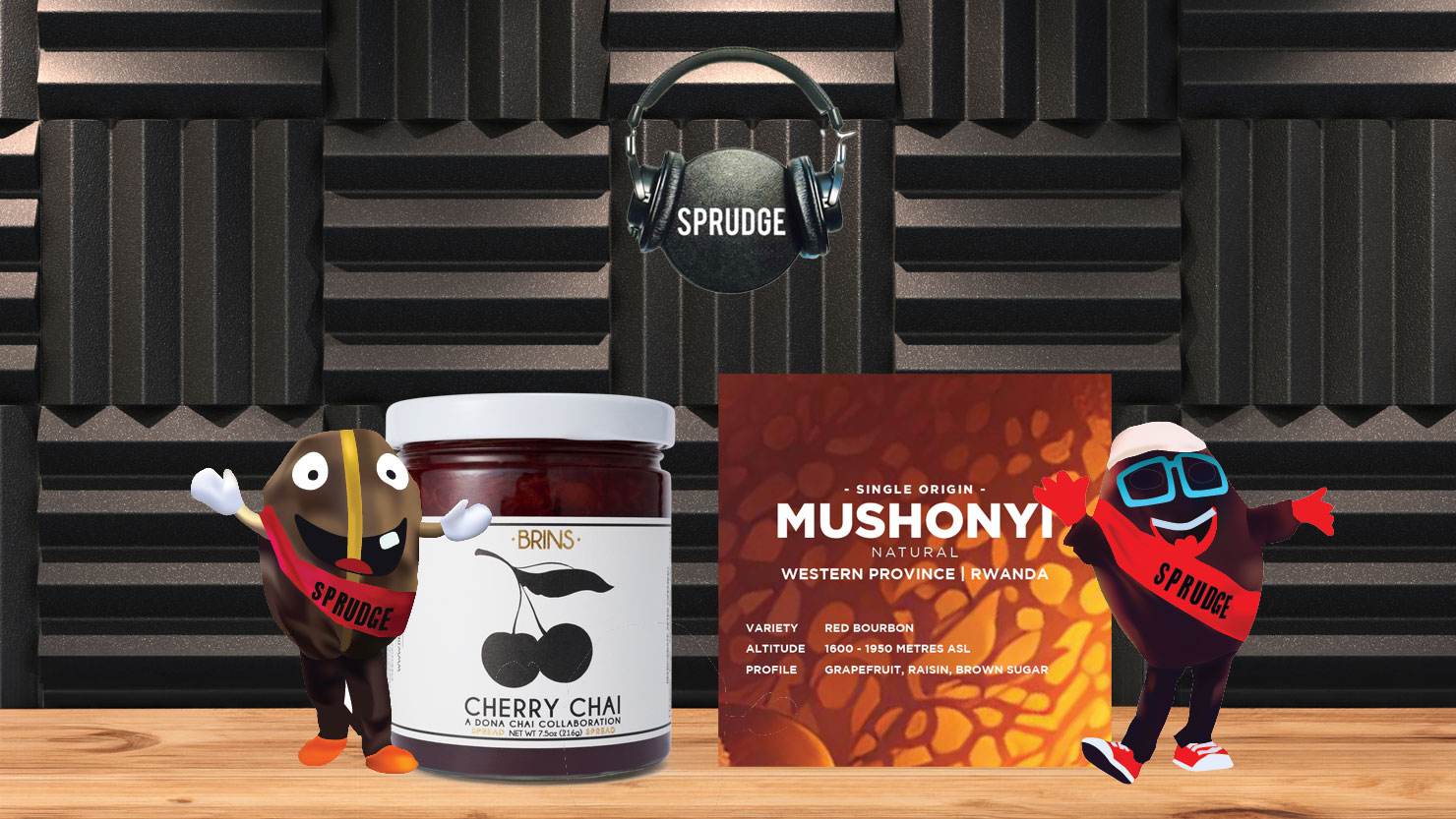
In the latest installment of the Coffee Sprudgecast, hosts Jordan Michelman and Zachary Carlsen provided a detailed sensory analysis of a specific micro-lot: the Rwanda Mushonyi Natural. This coffee, roasted by Stockholm-based Muttley & Jacks Coffee Roasters, was sourced through the KaffeBox subscription service, a platform known for curating high-quality Nordic roasts for a global audience.
The Mushonyi washing station, located in the Rutsiro District of Rwanda, is situated at an elevation of approximately 1,600 to 1,850 meters above sea level. The natural processing of this coffee—a method where the cherry remains intact during the drying process—often yields a profile characterized by intense fruit notes and a heavy body. During the episode, the hosts utilized an Origami Dripper to prepare the coffee. The Origami Dripper, recognizable by its distinct 20-ribbed ceramic or resin construction, is engineered to allow for maximum airflow and thermal stability. Its design permits the use of both conical and flat-bottom filters, providing the brewer with significant control over extraction rates and flavor clarity.
The technical choice of the Origami Dripper highlights a trend in specialty coffee toward equipment that offers versatility and aesthetic appeal without compromising the precision of the extraction. The resulting brew of the Rwanda Mushonyi Natural was noted for its balance of acidity and sweetness, typical of high-altitude Rwandan Bourbon varieties processed using natural methods.
Culinary Collaborations: The Intersection of Coffee and Fine Foods
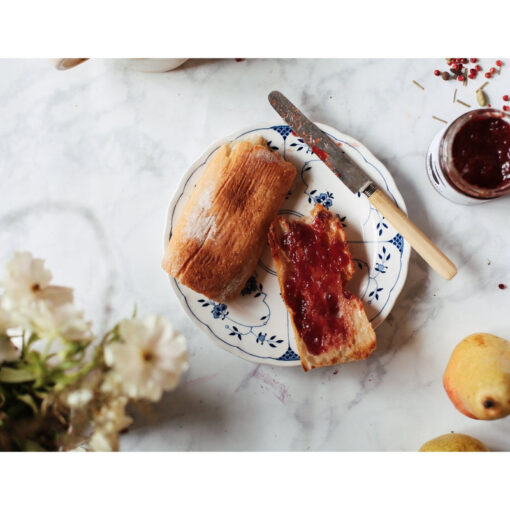
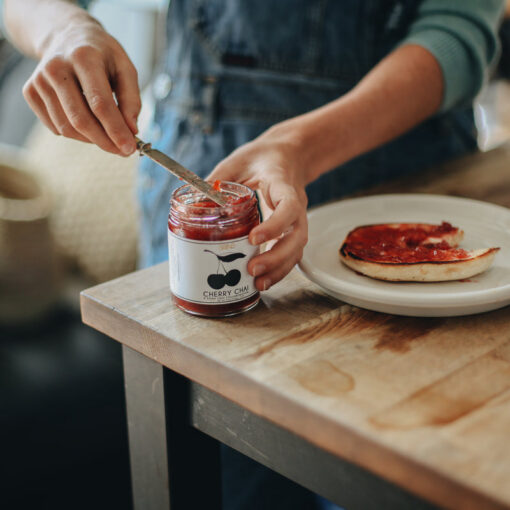
The podcast also explored the burgeoning intersection between the specialty coffee world and artisan food production through a featured collaboration between DONA and Brin Jam & Marmalade. The product, a Cherry Chai Jam, represents a sophisticated fusion of flavor profiles. New York-grown sour cherries are combined with a traditional masala chai spice blend including cinnamon, cardamom, and ginger.

This collaboration exemplifies a broader trend where beverage companies are expanding their brand footprint into the pantry staples market. DONA, primarily known for its high-quality chai concentrates and sodas, utilizes the same spice profiles in the jam that have made their beverages a staple in high-end cafes. From a journalistic perspective, these "cross-pollination" products serve to enhance the cafe experience, offering consumers a cohesive sensory narrative that extends beyond the cup. The pairing of the spiced, acidic jam with the fruit-forward Rwanda Mushonyi Natural illustrates the importance of complementary flavor pairings in modern culinary discourse.
Market Analysis: The Implications of Falling Coffee Prices
While the industry celebrates cultural and technical milestones, a shadow persists over the global coffee economy. Recent market data and expert predictions suggest that the "C-price" of coffee—the global benchmark for commodity Arabica coffee—may hit $2.00 per pound or lower in the coming cycles. This potential decline is a point of significant concern for producers and specialty buyers alike.
The volatility of the coffee market is driven by several factors, including:
- Production Surpluses: Favorable weather conditions in major producing regions like Brazil and Vietnam often lead to a supply glut, which exerts downward pressure on prices.
- Currency Fluctuations: The strength of the US dollar relative to the currencies of producing nations significantly impacts the real income of farmers.
- Speculative Trading: The role of hedge funds and commodities traders in New York can lead to price swings that do not always reflect the physical supply and demand of coffee.
For the specialty sector, a drop in the C-price to $2.00 or lower creates a complex ethical and economic challenge. While specialty coffee often commands a premium well above the C-price, the two are not entirely decoupled. When the base price falls, the "specialty premium" must often increase to ensure that farmers remain profitable. Industry experts warn that if prices remain low for an extended period, it could lead to "farm abandonment," where producers switch to more lucrative crops, ultimately threatening the long-term supply of high-quality Arabica.
Preparing for World of Coffee San Diego 2026
The announcement regarding World of Coffee (WOC) San Diego 2026 marks a significant return for the Specialty Coffee Association’s (SCA) flagship event to the United States. San Diego has long been a hub for craft beverages, including both beer and coffee, making it a strategic choice for an international gathering.
The timeline for WOC San Diego 2026 involves years of logistical planning, including:
- Venue Selection: The San Diego Convention Center is expected to host the massive trade show floor, which will feature hundreds of exhibitors ranging from green coffee importers to espresso machine manufacturers.
- Competitions: The event will likely serve as a host for various legs of the World Coffee Championships, drawing elite baristas and roasters from across the globe.
- Educational Programming: The SCA typically organizes a robust schedule of lectures and workshops aimed at professional development and sustainability research.
The economic impact of such an event on the host city is substantial, often generating millions of dollars in revenue for the local hospitality sector. For the coffee industry, it serves as the primary venue for networking, product launches, and the setting of global standards for the following year.
The Role of Corporate Sponsorship in Coffee Media
The production of high-level coffee media, such as the Coffee Sprudgecast, is supported by a network of industry-leading sponsors. These entities represent the infrastructure of the coffee world.
- Baratza and Ceado: Leaders in grinding technology, focusing on both home and commercial applications.
- La Marzocco: A foundational brand in espresso machine engineering, known for the Linea and PB series.
- Dripos: A modern point-of-sale (POS) and management software solution tailored specifically for the unique needs of coffee shops.
- noissue: A sustainable packaging company that has become a favorite for roasters looking to reduce their environmental footprint.
- Pacific Barista Series: A division of Pacific Foods that specializes in plant-based milks designed specifically for latte art and coffee pairing.
The involvement of these sponsors indicates a healthy ecosystem where equipment manufacturers and service providers invest in the dissemination of information and the celebration of the industry’s human element.
Conclusion: A Multi-Faceted Industry at a Crossroads
The latest updates from the Coffee Sprudgecast highlight an industry that is simultaneously celebrating its cultural achievements and grappling with serious economic realities. The nomination process for the Sprudge Twenty Class of 2026 ensures that the human stories of coffee remain at the forefront, even as the market faces the pressures of a $2.00 C-price.
As the industry looks toward the World of Coffee San Diego 2026, the focus remains on the intersection of technology—such as the Origami Dripper—and artisanal craft, represented by the collaboration between DONA and Brin. The continued evolution of the specialty coffee sector depends on this balance: honoring the individual professionals who drive the culture while navigating the complex global markets that sustain the crop itself. For stakeholders across the supply chain, from the Mushonyi washing station in Rwanda to the cafes of New York and the convention centers of San Diego, the coming years will be defined by how well the industry can adapt to these shifting economic and social landscapes.