Reynand Holland
The winter recreation industry has long celebrated the crisp air, pristine backcountry trails, and snow-capped peaks that draw millions of outdoor enthusiasts to the mountains each year. However, a silent and persistent threat accompanies the modern pursuit of winter sports. Every time a skier carves down a slope or a snowboarder charges through fresh powder, synthetic compounds embedded in high-performance winter gear shed into the environment. These substances, known broadly as per- and polyfluoroalkyl substances, or PFAS, represent one of the most pervasive chemical contamination challenges of the modern era.
Often referred to in scientific and environmental circles as "forever chemicals," PFAS have been integral to the outdoor apparel and equipment manufacturing sector for decades. Their utility lies in their extraordinary chemical stability, which imparts durable water-repellent, or DWR, properties to garments, footwear, and specialized ski waxes. Yet, this very stability ensures that once these compounds are released into the biosphere, they do not break down naturally. Instead, they accumulate in soil, water systems, wildlife, and the human body, raising urgent concerns among toxicologists, environmental regulators, and public health advocates.
The Origins and Industrial Application of DWR Finishes
The history of per- and polyfluoroalkyl substances dates back to the 1940s, emerging from wartime industrial research and quickly finding commercial applications across a multitude of sectors. In the outdoor textile industry, manufacturers sought materials capable of resisting moisture and oil without compromising breathability. The resulting DWR finishes became the gold standard for high-performance winter wear, ensuring that water, sleet, and melting snow would bead up and roll off ski jackets, mountaineering trousers, and snow boots.
For generations, consumers prioritized technical performance over chemical safety, trusting that gear rated for extreme alpine environments was entirely safe for everyday use. The chemistry behind these treatments relies on carbon-fluorine bonds, which are among the strongest in organic chemistry. This atomic bond structure prevents the molecules from degrading under intense ultraviolet light, high temperatures, or biological action. Consequently, every manufacturing facility, home laundering cycle, and day on the slopes contributes a continuous stream of persistent chemical residue into the global water cycle.
A Global Trail of Persistence and Bioaccumulation
The environmental footprint of PFAS extends far beyond industrial zones and urban centers, having been detected in the most remote and seemingly pristine ecosystems on Earth. Scientific expeditions to polar regions, high-altitude mountain ranges, and isolated indigenous communities have consistently found measurable concentrations of these compounds in snowpacks, glacial ice, and biological tissues.
Studies conducted on Mount Everest and across various European and North American ski resorts reveal elevated levels of fluorinated compounds in the snow, directly correlated with heavy skier traffic and the application of fluorinated ski waxes. Similarly, biomonitoring initiatives have identified PFAS in the bloodstreams of remote First Nation communities in Arctic and sub-Arctic Canada, highlighting how atmospheric and hydrological currents transport industrial pollutants thousands of miles from their original sources.
Once these chemicals enter the environment, they bioaccumulate within the food web. Apex predators and aquatic life absorb PFAS through contaminated water and prey, magnifying concentrations at higher trophic levels. Human exposure occurs primarily through the ingestion of contaminated drinking water and food, as well as the inhalation of indoor dust generated from shedding textiles and carpets treated with stain-resistant or waterproof coatings.
Toxicological Findings and Health Implications
The widespread presence of PFAS in human blood is a matter of significant medical and regulatory concern. Decades of independent toxicological research have linked chronic exposure to various classes of per- and polyfluoroalkyl substances to a wide array of adverse health outcomes.
Epidemiological studies and laboratory analyses coordinated by public health institutions have associated PFAS exposure with an increased risk of specific cancers, including kidney and testicular malignancies. Furthermore, these chemicals act as endocrine disruptors, interfering with normal hormonal function and reproductive health. Research has connected them to issues such as reduced fertility, pregnancy complications, gestational hypertension, and increased rates of miscarriage. Additional clinical observations point toward metabolic disruptions, including altered lipid profiles, thyroid dysfunction, and significant weight fluctuations.
Because these compounds possess a long half-life within the human body, even low-level, continuous exposure can lead to substantial internal accumulation over time. Regulatory agencies worldwide, including the U.S. Environmental Protection Agency and the European Chemicals Agency, have progressively lowered safe exposure thresholds as new toxicological data emerges regarding the cumulative risks of complex chemical mixtures.
Navigating Industry Terminology and Regulatory Loopholes
For consumers attempting to purchase genuinely safe winter sports apparel, navigating the terminology used by outdoor brands can be exceptionally challenging. Market transparency has historically been obscured by shifting acronyms and technical distinctions that differentiate between various molecular chain lengths.
Historically, the industry relied heavily on long-chain compounds such as perfluorooctanoic acid and perfluorooctane sulfonate, commonly referred to as PFOA and PFOS. As public scrutiny mounted against these specific legacy chemicals, many manufacturers transitioned to what they termed "short-chain" alternatives, often marketing their products as PFC-free, PFOA-free, or C8-free.
However, independent toxicologists emphasize that these short-chain substitutes are not benign. Dr. Linda Birnbaum, a prominent toxicologist and former director of the National Institute of Environmental Health Sciences, notes that many short-chain variants exhibit similar persistence and toxicological profiles to their long-chain predecessors. In some cases, environmental degradation processes can even transform short-chain substitutes back into legacy compounds like PFOA and PFOS.

True chemical safety requires complete elimination rather than molecular substitution. Regulatory frameworks and certification bodies, such as bluesign and OEKO-TEX, have occasionally permitted transitional allowances for short-chain PFAS under the premise that non-toxic alternatives could not immediately match the extreme performance metrics required by elite mountaineers. Nonetheless, consumer advocacy groups and independent testing organizations have challenged this justification, demonstrating that modern fluorine-free alternatives perform comparably in real-world conditions.
The Myth of Performance Necessity
A central argument historically maintained by legacy outdoor brands was that fluorine-free DWR finishes could not withstand extreme weather conditions, such as continuous alpine precipitation or high-velocity winds encountered at high altitudes. Manufacturers argued that consumers engaging in professional-grade mountaineering or backcountry skiing required the uncompromising water-repellency offered exclusively by fluorinated chemistry.
Empirical testing has increasingly debunked this assumption. Independent consumer protection associations, such as Denmark’s Tænki, have conducted comparative evaluations of fluorine-free outdoor wear against fluorinated counterparts. Their findings indicate that modern, non-fluorinated jackets maintain equivalent water resistance both when new and after multiple washing cycles. Furthermore, high-altitude expeditions to the Arctic and alpine environments have successfully utilized fluorine-free gear, proving that contemporary material science can deliver professional-grade protection without ecological compromise.
Given that the vast majority of winter sports participants utilize rental equipment or ski at commercial resorts rather than undertaking unassisted helicopter drops onto remote peaks, the demand for extreme industrial-grade chemical waterproofing is largely disproportionate to actual recreational needs.
Maintenance and the Lifecycle of Sustainable Gear
One practical challenge associated with fluorine-free DWR finishes is that they may require more frequent maintenance to preserve their water-repellent qualities compared to their persistent chemical predecessors. However, this limitation is easily managed through proper consumer care practices.
When older garments begin to lose their water-shedding efficacy, users can restore performance using specialized, PFAS-free wash-in treatments such as Nikwax. Several pioneering outdoor brands integrate these principles directly into their manufacturing models, utilizing innovative "directional" fabrics that physically channel moisture away from the body—much like architectural roof tiles—rather than relying solely on chemical surface coatings.
Additionally, the secondhand outdoor gear market offers an environmentally responsible alternative for winter sports enthusiasts. Older garments that have already shed much of their initial factory-applied chemical treatments can be thoroughly cleaned and refinished with safer, bio-based waterproofing agents, significantly extending the lifecycle of the apparel while minimizing new industrial production.
Industry Transformation and Brand Accountability
In response to mounting scientific evidence, regulatory pressures, and shifting consumer demand, a significant portion of the winter sports apparel market has transitioned toward entirely PFAS-free manufacturing. Industry guidelines established by environmental coalitions and organizations such as the Green Science Policy Institute have provided frameworks for brands to audit their supply chains and verify chemical compliance through independent laboratory testing.
A growing roster of winter sports brands has successfully eliminated all per- and polyfluoroalkyl substances from their product lines. Icebreaker, known primarily for merino wool and synthetic-free base layers, has verified its transition away from all short-chain and long-chain PFAS through rigorous testing protocols. European manufacturers such as Jack Wolfskin, Vaude, and Lundhags achieved complete PFC-free status across their technical apparel, footwear, and equipment lines between 2014 and 2019.
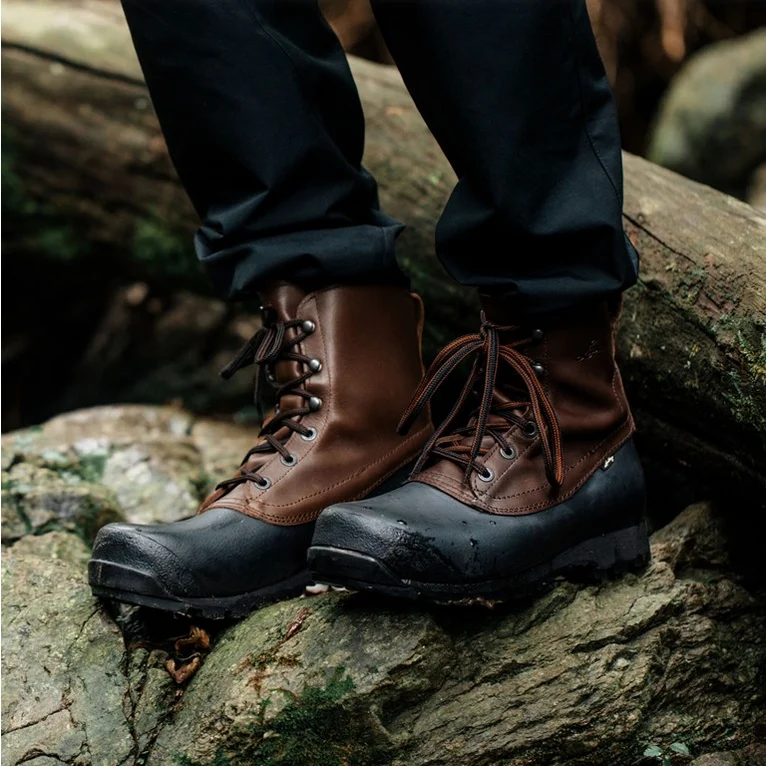
Footwear and technical apparel brands have likewise adapted. KEEN Footwear transitioned to entirely PFC-free snow boots and outdoor shoes, while Swedish brand Houdini employs innovative PFAS-free membranes like Atmos alongside bio-based water-repellent treatments from Organotex. Mountain apparel specialists including Páramo, Picture Organic Clothing (utilizing bio-based Teflon EcoElite finishes), Royal Robbins, and Erin Snow have similarly restructured their material sourcing to prioritize chemical safety.
Even legacy giants have been compelled to adapt. Patagonia, which maintained a more gradual transition timeline due to complex supply chain dependencies, implemented a comprehensive phase-out resulting in entirely PFAS-free durable water-repellent products across its entire new inventory.
Broader Implications for the Future of Outdoor Recreation
The ongoing shift away from persistent synthetic chemicals in winter sports gear marks a critical turning point in the relationship between human recreation and environmental stewardship. The realization that leisurely pursuits can inadvertently introduce toxic, non-degrading pollutants into remote wilderness areas has forced a reevaluation of industrial manufacturing standards.
As regulatory bodies in various jurisdictions move toward comprehensive bans on entire classes of PFAS, the outdoor apparel sector is transitioning from a defensive posture of regulatory compliance to a proactive stance on chemical transparency. For the average skier, snowboarder, or winter hiker, the availability of high-performance, fluorine-free gear ensures that the pursuit of outdoor recreation no longer requires compromising the health of global ecosystems or future generations.