Ali Ikhwan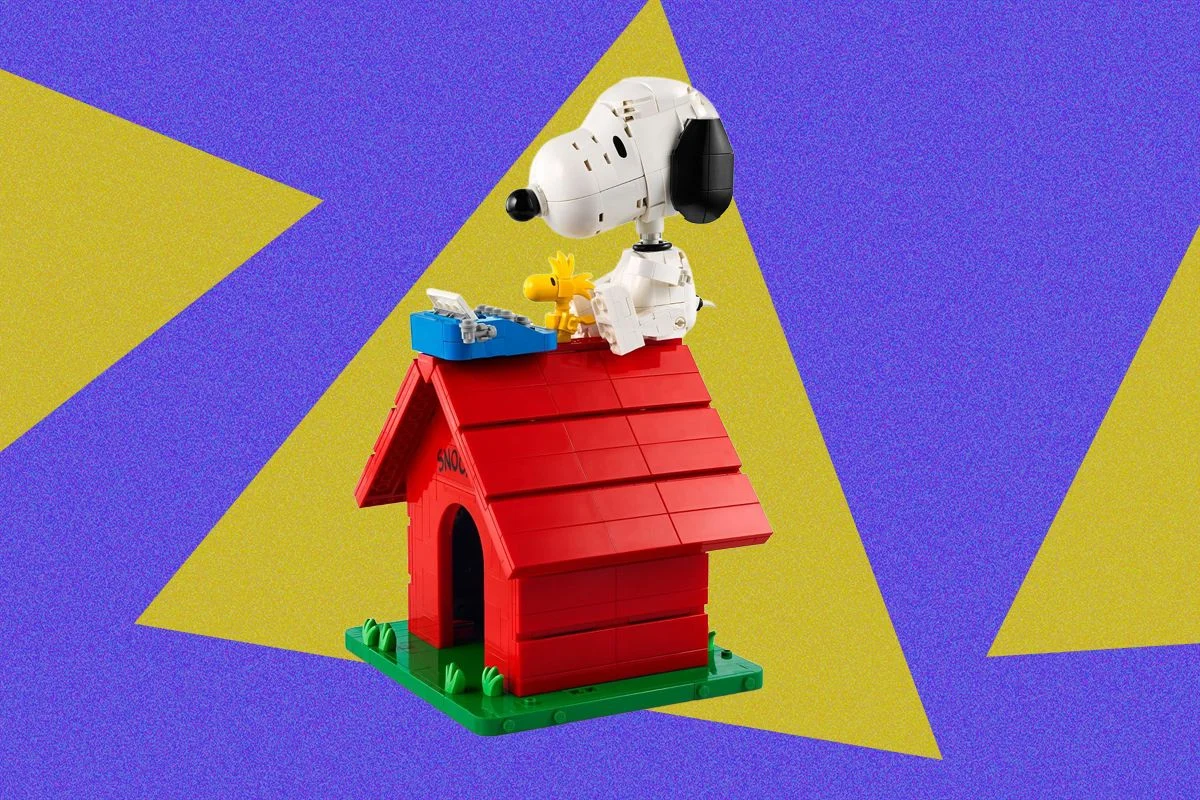
Lego has maintained its status as the world’s preeminent construction toy brand for over nine decades, demonstrating a remarkable ability to bridge generational divides. The company’s enduring success is rooted in the precision of its manufacturing, the durability of its ABS plastic, and a sophisticated strategy that balances nostalgia with modern pop-culture relevance. As of 2026, the Lego Group continues to expand its footprint, not merely as a manufacturer of plastic bricks, but as a dominant force in digital entertainment and adult-oriented collector markets. This report examines the current landscape of the Lego ecosystem, highlighting featured sets and the broader implications of the brand’s expansion.
A Legacy of Precision and Cultural Dominance
Founded in 1932 by Ole Kirk Christiansen in Billund, Denmark, the Lego Group has transitioned from a small carpentry workshop to a global conglomerate. The cornerstone of this success remains the "clutch power"—the scientific precision with which bricks lock together. Each element is manufactured to tolerances within 0.002 millimeters, ensuring that a brick produced today will fit perfectly with one manufactured in 1958.
This mechanical consistency has facilitated the brand’s pivot into the "AFOL" (Adult Fans of Lego) demographic. By diversifying its portfolio into architectural replicas, complex botanical sets, and high-fidelity movie tie-ins, the company has successfully reframed its products from children’s playthings to sophisticated display pieces.
Strategic Product Diversification
The current product lineup reflects a calculated effort to capture diverse consumer interests. Among the most notable additions for late 2026 are sets that bridge the gap between traditional play and interactive media.
- Lego Speed Champions (McLaren MCL38): Reflecting the ongoing synergy between motorsports and toy manufacturing, the Speed Champions line emphasizes aerodynamic accuracy and scale model fidelity. This set serves as an entry point for collectors who value automotive history and technical design.
- Star Wars Smart Play (Throne Room Duel and A-Wing): The integration of smart technology into the Star Wars franchise represents a significant shift for the brand. By incorporating programmable elements into iconic scenes, Lego is responding to a market that increasingly demands "phygital" (physical and digital) experiences.
- Lego Botanicals (Bouquet of Pink Roses): The Botanicals collection has become a flagship category for the company, targeting home decor enthusiasts. This set exemplifies the move toward "display-only" products, which prioritize aesthetic appeal and therapeutic assembly over traditional play-action.
- Lego Batman: Legacy of the Dark Knight: The release of this title signifies the company’s commitment to its digital division. By leveraging the Batman intellectual property, the brand reinforces its narrative-driven approach to gaming, ensuring that the Lego brand remains central to the interactive media landscape.
Chronology of Recent Innovations
The evolution of these product categories did not occur in a vacuum. A brief timeline of recent strategic milestones illustrates the company’s trajectory:
- 2023: Lego intensified its commitment to sustainability, announcing a transition away from petroleum-based plastics toward bio-based alternatives, acknowledging the environmental concerns regarding non-biodegradable materials.
- 2024: The "Lego Ideas" platform reached record engagement, with fan-submitted designs—such as the Peanuts: Snoopy’s Doghouse—receiving official production status. This decentralized innovation model has allowed the company to crowdsource market research directly from its most devoted base.
- 2025: The integration of light kits and smart-hub technology became a standard for high-end sets, such as the Star Trek modular systems, catering to the "prosumer" collector market.
- 2026: The release of the "City of Love" Architecture series and the latest Star Wars Advent Calendars cemented the brand’s seasonal dominance, proving that the company’s reliance on calendar-based retail cycles remains a highly effective profit driver.
Market Data and Consumer Trends
Industry analysts note that the toy sector is undergoing a period of consolidation. According to recent retail reports, the construction toy market is projected to grow at a CAGR (Compound Annual Growth Rate) of approximately 5-7% through 2030. Lego’s market share remains substantial, supported by a robust secondary market.
The "clutch power" of the product is not merely a marketing term; it is a critical driver of value retention. Unlike many toys that lose their appeal or structural integrity within years, Lego sets consistently hold or increase in value on secondary platforms, a phenomenon driven by the brand’s "vaulting" strategy, where sets are retired to create artificial scarcity. This creates a dual-incentive for consumers: the immediate gratification of building and the long-term investment potential of the set.

Official Perspectives and Corporate Strategy
While the Lego Group maintains a degree of secrecy regarding future product pipelines, corporate communications from the Billund headquarters emphasize a shift toward "play-experience longevity." In recent statements, executives have highlighted that the goal is to create products that "grow with the builder."
"Our focus is no longer just on the child," a company spokesperson suggested in a recent industry forum. "It is about capturing the imagination of the adult who grew up with our bricks, while simultaneously innovating for a generation that expects their physical toys to interact with the digital world."
Broader Implications of Brand Expansion
The expansion into digital games, such as Legacy of the Dark Knight, carries significant implications for the future of the brand. By controlling the intellectual property within both the physical and digital spheres, Lego effectively builds a "walled garden" ecosystem. Consumers who purchase a physical set often feel a heightened connection to the digital game, and vice versa, creating a cross-pollination of brand loyalty that is difficult for competitors to replicate.
Furthermore, the emphasis on high-end collector sets, such as the Botanical collection or the complex Architecture series, positions Lego as a competitor in the home goods and design market. This shift away from the toy aisle into the lifestyle category is a critical hedge against the inevitable decline in interest that occurs as children age out of traditional construction play.
Environmental and Ethical Considerations
Despite its success, the company faces persistent scrutiny regarding its material usage. As highlighted by ongoing debates regarding the environmental impact of ABS plastic, the company has pledged to invest over $1 billion in sustainability initiatives by the end of the decade. The shift toward paper-based packaging and the ongoing experimentation with recycled plastic bottles are evidence of a company that is acutely aware of its reputation in an era of heightened ecological consciousness.
Critics argue that the permanence of the product—while a testament to its quality—also creates a long-term waste management challenge. The company’s response has been to promote "Lego Replay" programs, which encourage the donation and circular use of bricks, aiming to ensure that the material remains in circulation rather than entering landfills.
Conclusion: The Future of the Brick
As the year progresses toward the holiday retail cycle of 2026, the market for construction toys remains more competitive than ever. Yet, through its strategic combination of nostalgic intellectual properties, innovative digital integration, and a commitment to high-quality manufacturing, the Lego Group continues to solidify its position.
Whether it is through the meticulous assembly of a McLaren race car or the digital exploration of Gotham City, the brand’s ability to remain relevant across generations is a rare feat in the consumer goods sector. For collectors and casual builders alike, the future of the brand appears to be as stable and durable as the iconic bricks themselves. As new sets continue to be released, the challenge for the company will be to maintain this delicate balance between its storied past and the rapidly evolving demands of the modern, tech-integrated consumer.