Cintya Tara Annisa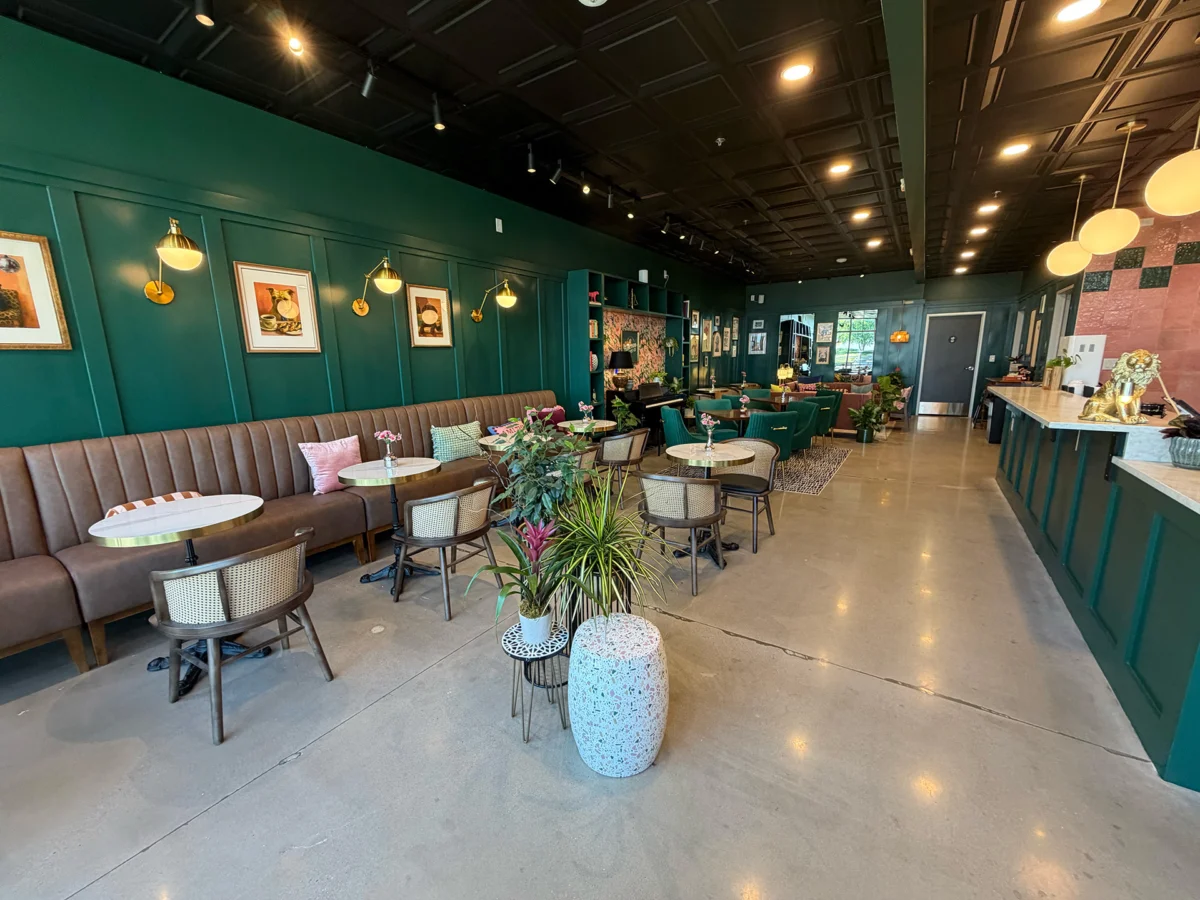
Tucked away in the rapidly expanding corridor between Denton and the suburban sprawl of Fort Worth, Texas, lies the town of Northlake. With a population hovering around 5,000, the area has historically been defined by its quiet residential character rather than its culinary footprint. However, the May 16, 2026, opening of Function Coffee Co marks a significant shift in the local landscape, signaling a growing demand for specialty, artisanal experiences in North Texas exurbs. The transition of Function Coffee Co from a grassroots roasting operation to a permanent brick-and-mortar establishment is a case study in community-led business development, strategic scaling, and the evolving expectations of the modern coffee consumer.
The 13-Year Genesis of a Coffee Concept
The story of Function Coffee Co is not one of overnight success but of calculated, incremental growth. The venture began as a long-term aspiration, conceptualized nearly 13 years ago. Recognizing the inherent volatility of the hospitality industry, the founders—a husband-and-wife team—adopted a phased approach to market entry. By prioritizing the establishment of a roasting brand and community presence before securing a physical storefront, they mitigated the primary financial risks associated with early-stage cafe ownership.
This "brand-first" philosophy allowed the company to cultivate a loyal customer base through local farmers markets and pop-up events while the primary founder maintained a corporate position. This period of market testing proved crucial; by their third pop-up event, the organic interest had reached a point where demand consistently outpaced supply, characterized by queues that stretched across the market grounds. This tangible validation served as the catalyst for the transition to a permanent location. The timeline from the launch of the roasting operation to the grand opening of their Northlake cafe spanned precisely 435 days, a period marked by transparent engagement as the founders documented the construction and development process via social media.
Architectural Vision and Community-Centric Design
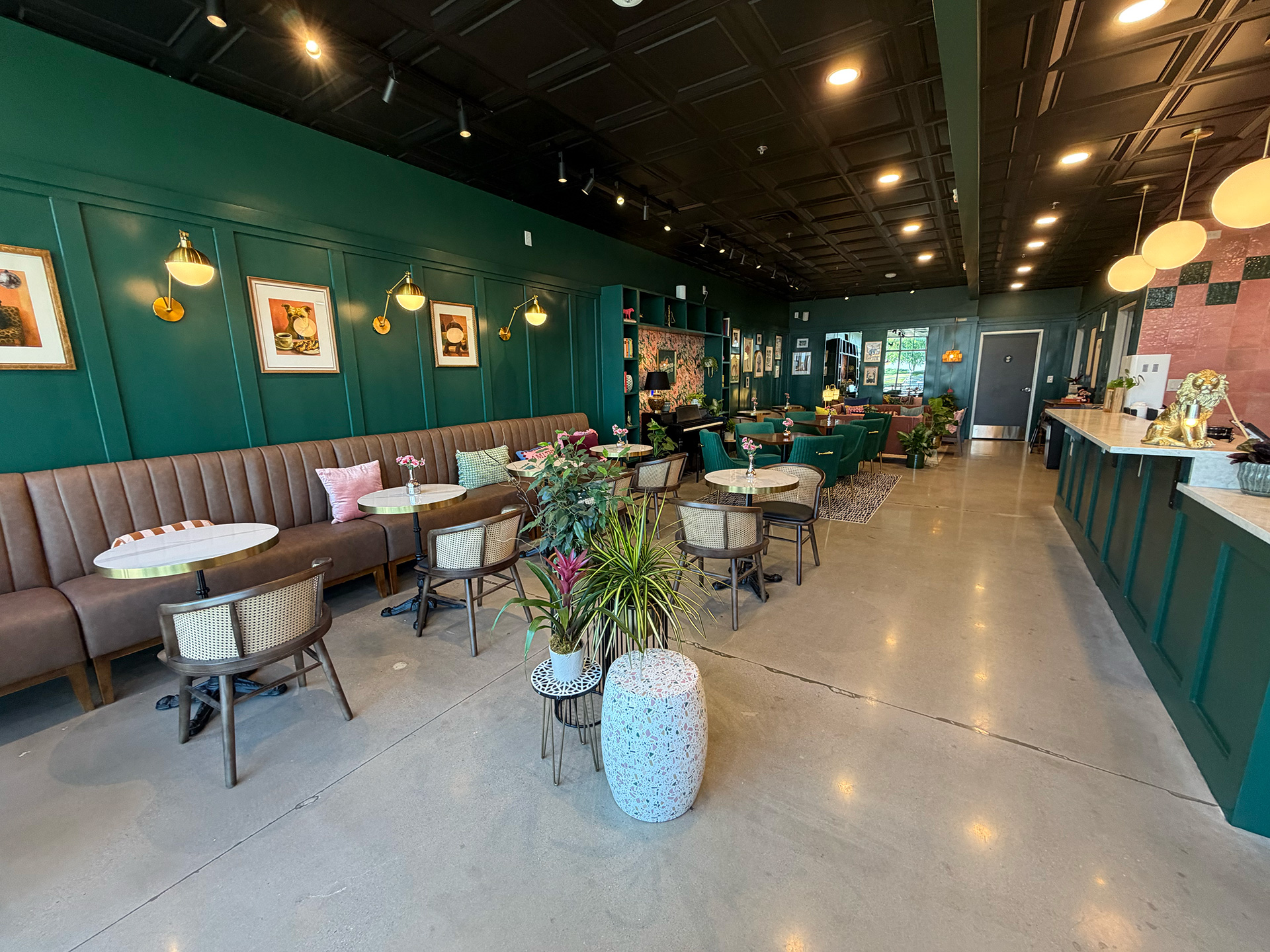
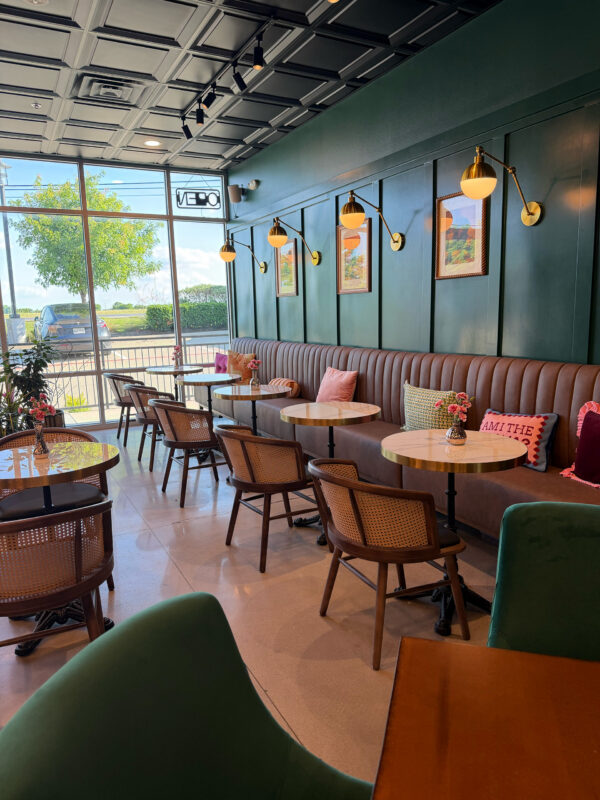
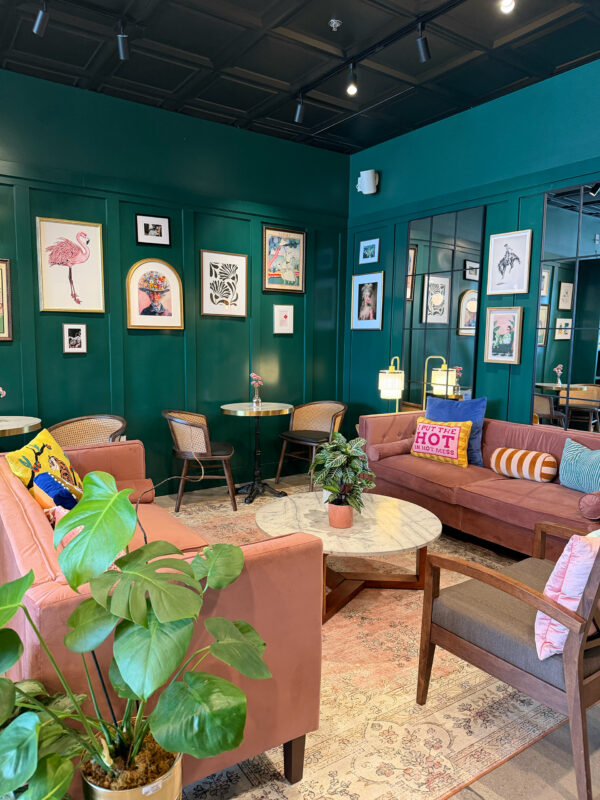
In an era where coffee shop design is often synonymous with sterile, monochromatic minimalism, Function Coffee Co has opted for a departure from current trends. The interior design of the Northlake space is defined by a "maximalist-vintage" aesthetic, utilizing saturated color palettes, dense plant arrangements, and curated, whimsical design elements. This deliberate choice is intended to create an environment of discovery; the cafe is designed to reward repeat visits, with hidden "Easter eggs" and architectural details meant to foster a sense of personal connection between the space and its patrons.
The operational strategy is equally distinct. The founders made the intentional decision to eschew a drive-thru model and delayed the implementation of mobile ordering systems—both of which are standard features in high-volume suburban retail. While this approach represents a trade-off in terms of immediate transaction volume and convenience-based throughput, it serves a strategic purpose: the facilitation of human interaction. By forcing a physical, in-store experience, the business prioritizes the cultivation of a "third place"—a social environment distinct from the home and the workplace. This approach aims to transform the cafe from a mere point of consumption into a communal hub, where staff can engage with regulars on a first-name basis.

Technical Specifications and Brewing Standards
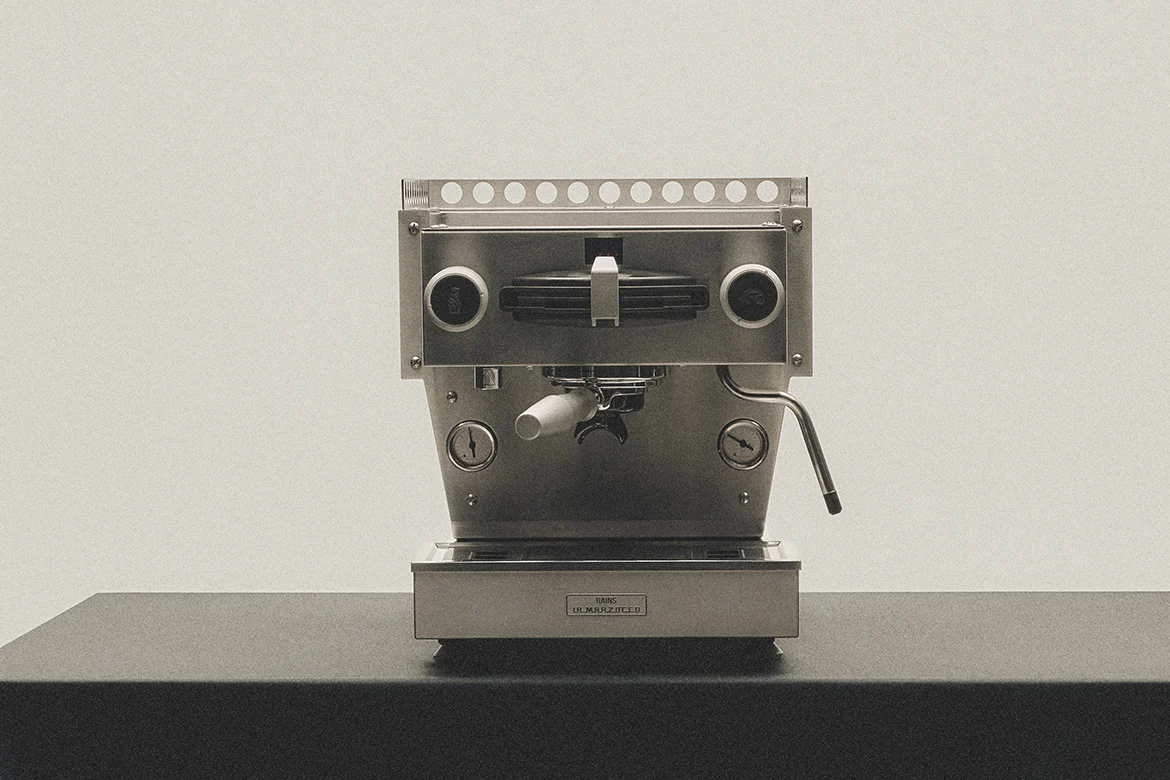
The technical infrastructure at Function Coffee Co reflects a commitment to precision and craft. The espresso bar is anchored by a three-group Rocket RE Doppia, a machine highly regarded in the specialty industry for its thermal stability and pressure profiling capabilities. To ensure consistency across the menu, the cafe utilizes high-precision grinding technology, specifically the Mahlkönig E80W Grind-by-Sync and the E65W.
The menu design is reflective of a philosophy that seeks to bridge the gap between "coffee-coffee people"—those with a deep knowledge of origin, processing, and extraction—and the casual consumer. By focusing on creative signature drinks that utilize high-quality, house-roasted specialty coffee as a base rather than a masked component, the cafe maintains its commitment to quality while ensuring accessibility. The goal is to remove the "pretension" often associated with third-wave coffee, providing a premium experience that does not alienate customers who may lack formal coffee education.
Sustainability as a Fundamental Business Pillar
Perhaps the most significant differentiator in Function Coffee Co’s business model is its approach to environmental sustainability. Rather than treating sustainability as a secondary, "bolt-on" initiative—such as switching to compostable straws or cups—the founders integrated it into their core production cycle. The company utilizes two full-stack Bellwether electric coffee roasters.
From an environmental impact perspective, the choice of electric roasting technology is substantial. Traditional commercial coffee roasting is heavily reliant on natural gas, contributing to a significant carbon footprint through greenhouse gas emissions. Bellwether’s electric systems are designed to operate with nearly 90% fewer emissions than gas-fired counterparts. By adopting this technology, Function Coffee Co has effectively decoupled its production growth from the carbon intensity typical of the specialty coffee industry. This move aligns with broader consumer trends in 2026, where corporate accountability and environmental, social, and governance (ESG) criteria are increasingly influencing brand loyalty.
Market Context and Industry Implications
The opening of a high-end, specialty coffee cafe in a town of 5,000 residents reflects a broader trend of "metropolitan migration" and the increasing sophistication of suburban retail markets. Historically, specialty coffee shops were almost exclusively found in dense urban cores with high foot traffic. However, as hybrid work models and remote labor persist, residents in outer-ring suburbs are increasingly demanding the amenities and culture previously reserved for urban centers.
The success of Function Coffee Co’s business model—characterized by community-driven growth, intentional design, and sustainable production—suggests a shift in the competitive landscape. For independent operators in suburban markets, the path to viability is no longer solely through maximizing transaction speed. Instead, the focus has shifted toward building "social capital." By refusing to prioritize the efficiency of a drive-thru, the founders are betting that the long-term value of a loyal, localized community outweighs the short-term gains of high-volume, anonymous transactions.
Chronology and Operational Milestones
- Initial Concept Phase: 13-year period of development and market research.
- Roasting and Pop-Up Phase: Launch of Function Coffee Co as a roastery; initial testing at farmers markets; establishment of brand identity.
- Validation: High attendance at pop-up events serves as a catalyst for expansion.
- Development Phase (435 Days): Full documentation of the build-out, including design, construction, and equipment procurement.
- Grand Opening: May 16, 2026, marking the official commencement of operations at the Northlake location.
Conclusion
Function Coffee Co enters the North Texas market at a time of significant cultural and economic transition. The business represents a departure from the convenience-first, low-touch model that has dominated suburban coffee for decades. By placing an emphasis on the "function" of coffee as a catalyst for community, the founders are challenging existing paradigms. Whether the shop’s commitment to a slower, more deliberate, and environmentally conscious service model will sustain long-term growth in a high-growth suburb remains to be seen. However, their reliance on community involvement during the construction phase and their transparent business practices provide a robust foundation for their continued integration into the Northlake community. As the 2026 Build-outs of Coffee series continues to highlight, the evolution of the coffee industry is increasingly defined by operators who are as concerned with their social and environmental impact as they are with the quality of the extraction in the cup.